
$44.90
Free delivery · 7–14 days
Cherry Blossom Deodorant Spray — All-Day Plant-Based Freshness
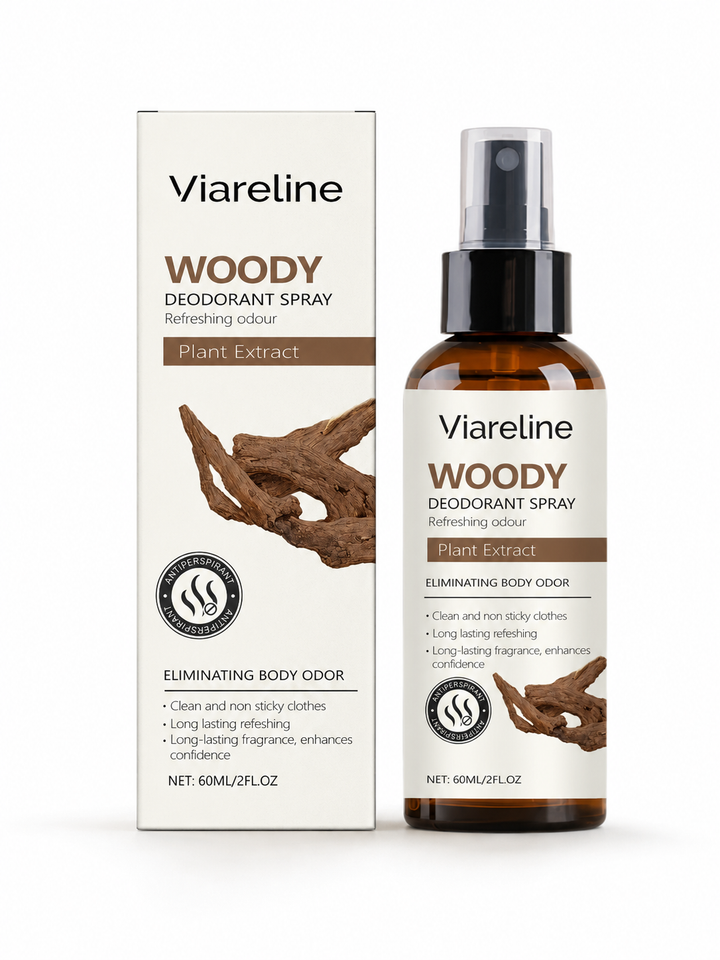


Fragrance-free and unscented deodorant options help manage everyday body odor without adding a strong perfume note. This guide compares spray, gel, plant-based, and fragrance-free choices so you can select the right deodorizer for your routine, scent preferences, and skin feel.
Start by deciding whether you want odor control with a noticeable scent or a more discreet option. The Agarwood Deodorant Spray is designed for shoppers seeking a sensitive-skin-friendly choice, while the Cherry Blossom, Lavender, and Vanilla sprays add recognizable fragrance. For fragrance-free or unscented routines, check the product label carefully because natural fragrance and essential-oil notes are not the same as unscented formulas. Consider application style too: a deodorizer spray is quick and lightweight, while the OceAura Antiperspirant Gel offers a different gel format. If you are shopping for a deodorizer for home, car, or general air care, note that these products are intended for personal use rather than upholstery, rooms, or vehicle interiors.
Personal deodorants and household deodorizers serve different purposes. A natural deodorant spray is applied to the body and is useful when you want a fast-drying format with little product buildup. The Cherry Blossom, Lavender, and Vanilla options provide different fragrance profiles, while the Agarwood spray is a practical choice for shoppers focused on a sensitive-skin-friendly formula. The OceAura Antiperspirant Gel is a gel-based personal-care option rather than a deodorizer spray. By contrast, a deodorizer liquid, plug-in, machine, bomb, or car deodorizer is generally made for spaces or surfaces and should not be used on skin unless its label specifically says so. Always follow the intended-use instructions.
Look for clear wording about fragrance, scent, and intended use rather than assuming that a product is unscented because it is plant-based. If you prefer minimal scent, choose a formula labeled fragrance-free or unscented when available, and review the ingredient list for added fragrance components. A spray can be convenient for quick application, while a no-residue formula such as the Vanilla Natural Deodorant Spray may appeal to shoppers who dislike a sticky or heavy finish. Sensitive-skin shoppers may also prefer the Agarwood Deodorant Spray, but personal tolerance varies. Patch-test new personal-care products on a small area if the product instructions recommend it, and stop using any product that causes discomfort.
Apply personal deodorant spray only as directed on the packaging and to clean, dry skin. Hold the container at the recommended distance, use a light, even application, and allow the product to dry before dressing. Avoid spraying on broken, irritated, or freshly shaved skin unless the instructions specifically permit it. Do not use a body deodorant spray as a deodorizer spray for rooms, a deodorizer car product, or a deodorizer for home surfaces. For the gel option, follow its label for the appropriate amount and application method. Store each product as directed and keep aerosol or spray containers away from heat and open flames when the packaging includes that warning.
One common mistake is confusing deodorant with antiperspirant. Deodorant is generally chosen for managing body odor, while an antiperspirant is a separate product type intended to reduce sweating; check the label to understand which format you are buying. Another mistake is treating a personal deodorizer as an air freshener or household odor eliminator. A deodorizer meaning can vary by category, so intended use matters. Shoppers also sometimes choose a strongly scented spray when they actually want unscented freshness, or overlook the finish and end up with residue they dislike. Compare fragrance description, format, skin-use directions, and finish before adding an item to your cart.
These options suit shoppers who want a personal deodorant with a lighter, more discreet scent profile or who prefer plant-based positioning. Fragrance-focused shoppers can choose Cherry Blossom, Lavender, or Vanilla, depending on the scent they enjoy. Those seeking a sensitive-skin-friendly option may consider Agarwood, while shoppers who prefer a gel format can compare the OceAura Antiperspirant Gel. If you are looking for the best natural deodorizer, define the job first: personal body odor control is different from removing odors in a nursing home, bathroom, car, or room. For household odors, use a product specifically labeled for that environment, such as an appropriate liquid, spray, plug-in, or machine.
A deodorizer is a product intended to reduce, neutralize, or mask unwanted odors. The term can describe personal deodorants as well as products for rooms, cars, fabrics, or other spaces, so always check the intended-use label.
A personal deodorizer is used as part of a body-care routine to help manage everyday body odor. Household deodorizers have different directions and may be made for air, surfaces, fabrics, or vehicles; they should not be applied to skin unless the label says they are suitable.
There is no single strongest option for every odor or setting. The best choice depends on the source, surface, ventilation, and whether you need a personal deodorant, deodorizer spray, liquid, machine, or another household format.
An air freshener is usually designed to add fragrance to an area, while a deodorizer is generally marketed to reduce, neutralize, or mask unwanted odors. Product definitions vary, so review the label and never use a household air product as personal deodorant unless it is specifically intended for skin.
Facilities typically follow cleaning and odor-control procedures suited to the affected surface, including products labeled for bathrooms, flooring, laundry, or other areas. For home use, choose a cleaner or deodorizer specifically labeled for the surface and odor, follow the directions, and avoid using personal deodorant sprays as household cleaners.
The best option depends on where you plan to use it. For personal care, compare the fragrance, spray or gel format, finish, and label directions across these deodorant options; for a car or home, choose a product specifically made for that environment rather than a body deodorant.