$35.90
Free delivery · 7–14 days
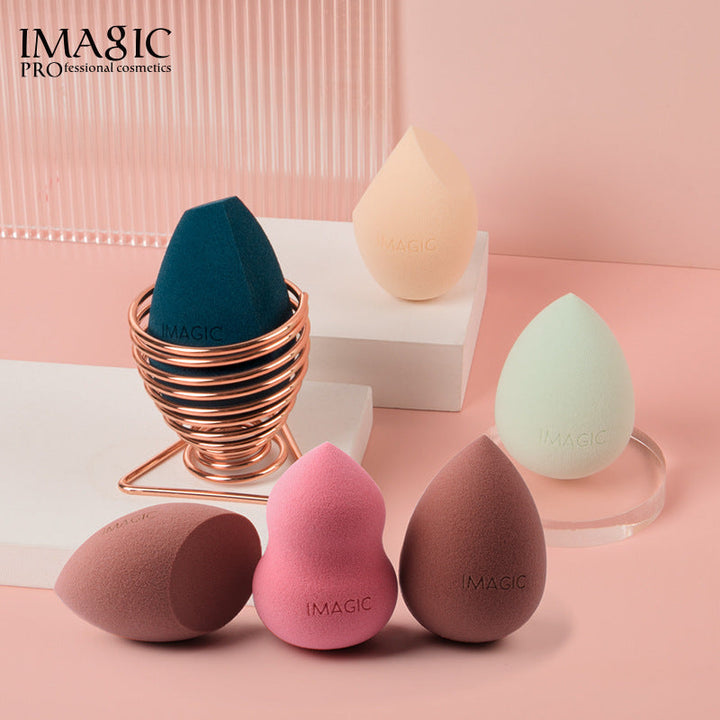
Water-Expandable Non-Latex Makeup Sponge Set, 2-Piece
Shop condoms by material, fit, texture, and pack size to find an option that feels comfortable and suits your routine. This category includes latex condoms for soft, smooth intimate protection, plus guidance for comparing latex-free and polyisoprene options when latex is not preferred.
Start with material and fit. Latex condoms are a familiar choice with a soft, smooth feel, while latex-free options may suit shoppers who want to avoid natural rubber latex; polyisoprene is one non-latex material to compare. Next, consider nominal width or the manufacturer’s fit guide rather than relying only on length. A secure fit should stay in place without feeling painfully tight, while excess looseness can cause slipping. Think about texture, lubrication, and pack size too. If you are comparing condoms brands, check the product details for material, width, expiry date, and storage guidance. Searches such as condoms sizes, condoms big pack, and condoms near me often reflect these practical buying priorities.
Condoms differ in material, shape, texture, lubrication, and thickness. Latex condoms are widely available and are designed to provide a soft, smooth barrier during intimate activity. Latex-free condoms, including polyisoprene options, offer an alternative material for shoppers who do not want natural rubber latex. Some products focus on a close fit, while others provide more room through a wider nominal width. Textured designs may have ribs or dots, and some are made for a more natural-feeling experience. When comparing options sometimes searched as condoms lifestyle or condoms gold, focus on the actual specifications rather than the name: material, size, lubrication, quantity, and any use restrictions.
Read the package and product page before buying. Confirm the condom material, nominal width or size label, lubrication type, quantity, and expiry date. If you prefer non-latex protection, make sure the listing clearly states that it is latex-free rather than assuming from the product name. Check whether the condom is compatible with your intended lubricant; oil-based products can damage many latex condoms, so follow the package instructions. Inspect the wrapper for damage before opening and choose a pack size that matches how often you expect to use them. A large pack can be convenient, while a smaller pack may help when trying a new fit or material.
Use a new condom each time and check the wrapper and expiry date first. Open the package carefully without teeth, scissors, or sharp objects. Before genital contact, place the condom on the erect penis with the rolled rim facing outward, pinch the tip to leave room, and roll it fully down. If it will not roll down or is placed the wrong way, use a new one instead of flipping it over. After ejaculation, hold the base while withdrawing, then tie or wrap the used condom and place it in the bin. Follow the package directions for lubrication and do not reuse condoms or use two at once.
Common problems include choosing an unsuitable fit, putting the condom on late, using an expired or damaged product, and storing condoms in heat or friction for long periods. Using too little lubrication can increase discomfort, while using an incompatible lubricant may weaken some materials. Do not layer condoms, reuse one, or switch from anal to vaginal contact without changing to a new condom. If a condom feels too tight, slips, or breaks repeatedly, try a different nominal width or material and follow the package instructions. These checks matter whether you are buying a single pack, condoms big pack, or comparing several condoms brands.
Latex-free and polyisoprene condoms are options for shoppers who prefer a non-latex material or want to compare how different materials feel. They can also be useful when natural rubber latex is not suitable for someone using them, but product packaging should always be checked for the exact material and instructions. A latex-free label does not mean every other ingredient or lubricant is identical, so review the full listing. If you are unsure which size to choose, compare the manufacturer’s width guidance and start with a pack that lets you assess comfort. The makeup sponge set also listed in this category is not a condom and should not be used as intimate protection.
A common reason is incorrect or inconsistent use, such as putting a condom on late, choosing a poor fit, or using it with an incompatible lubricant. Following the package directions, checking the expiry date, and using a new condom every time can help reduce avoidable problems.
There is no single reason that applies to everyone. Factors can include cost, access, reduced planning, concerns about feel, relationship context, and preferences around other forms of contraception or protection. Comparing sizes, materials, lubrication, and pack quantities may make condom use easier to fit into an individual routine.
Yes, comfort depends on choosing a suitable size, material, texture, and lubrication level. Latex, latex-free, and polyisoprene condoms can feel different, so trying a small selection and following the product instructions can help you find a preferred option.
Use the manufacturer’s nominal-width or size guide, with circumference generally being more useful for fit than length alone. A condom should roll down fully, stay in place, and feel secure without painful tightness. If it slips or feels restrictive, compare a different width.
Length alone does not determine condom fit, and condom sizing is usually more closely related to width or circumference. Check the product’s size guidance and choose a condom that rolls down comfortably and stays secure rather than selecting by length alone.
A condom’s fit is not determined by length alone, so six inches may not answer the question by itself. Compare the condom’s nominal width with the wearer’s circumference and follow the manufacturer’s sizing guidance; a wider option should feel secure, not loose.
Browse related: Shop all Wearable Vibrators - Hands-Free Pleasure for On-the-Go Fun · explore butterfly vibrators - wearable vibes for hands-free pleasure.