Cognitive Support Supplements for Brain Function & Memory Focus8 items






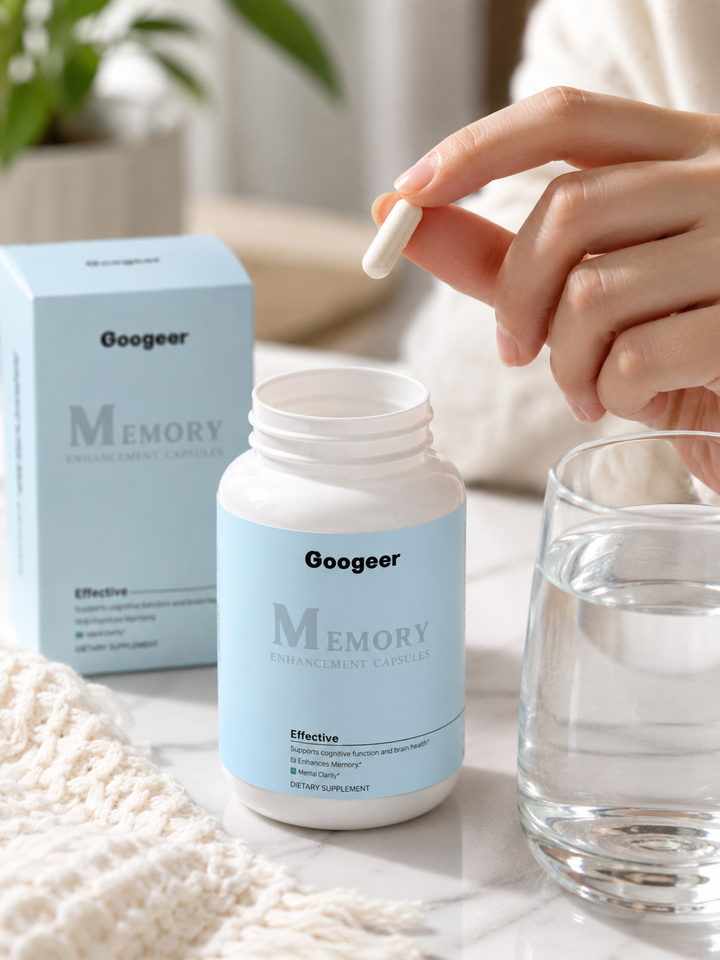

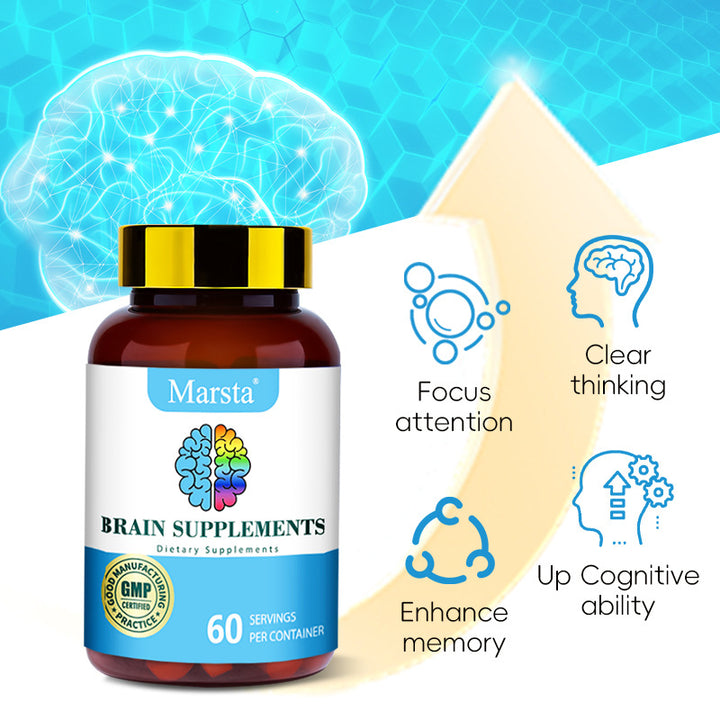

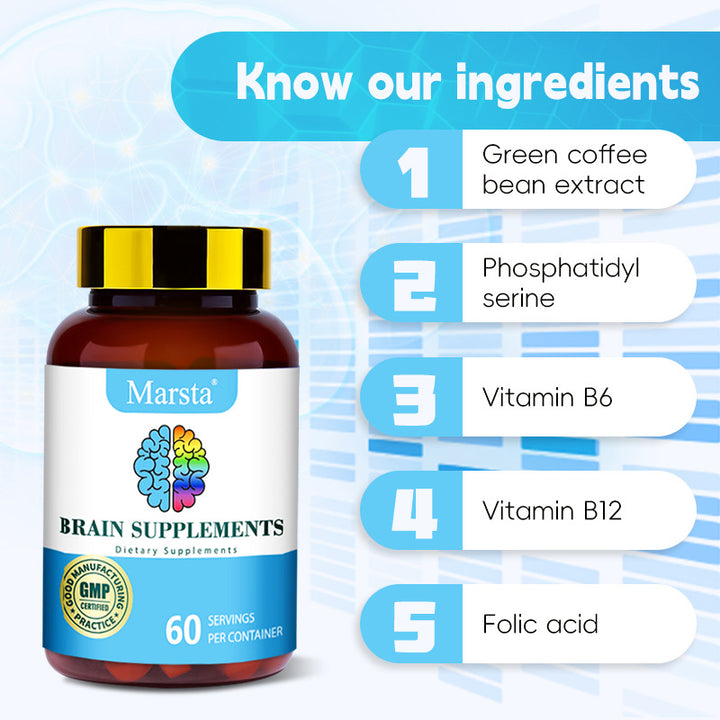



















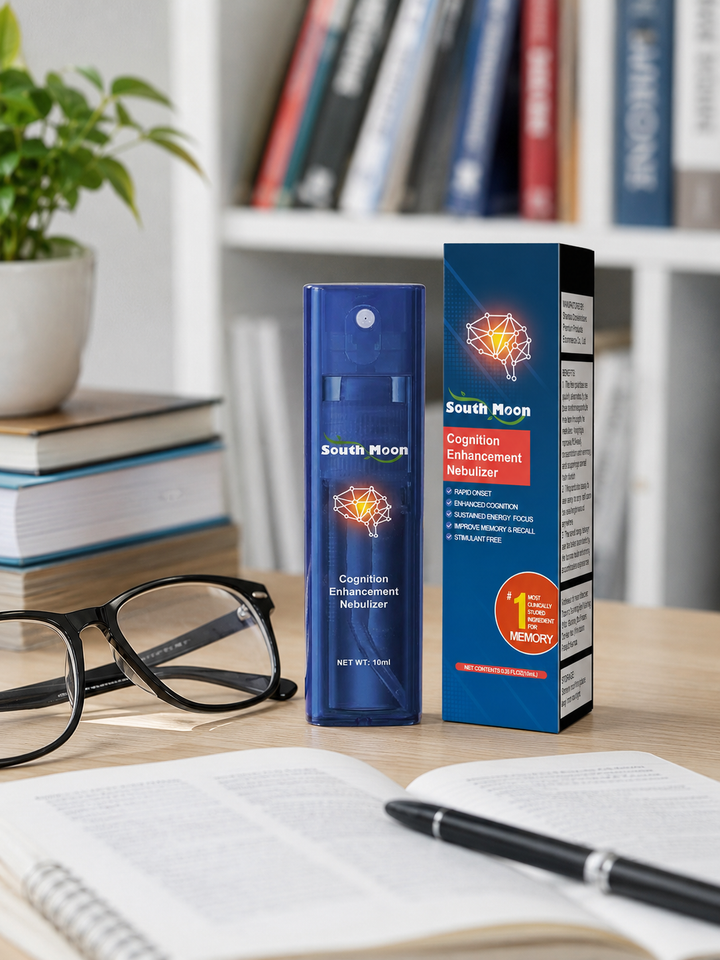
Cognitive support supplements are designed for shoppers seeking help with everyday focus, memory, concentration, or mental clarity. This category includes capsules, sprays, and liquid drops, with options such as stimulant-free formulas, magnesium threonate, zinc drops, and multi-ingredient blends.
How to Choose Cognitive Support Supplements
Start by identifying the type of support you want: sharper focus during work, memory support for study, a stimulant-free format, or a simple liquid option. Compare the product format, serving directions, ingredient list, and any allergy or dietary information on the label. Capsules may suit shoppers who prefer a fixed serving, while sprays and drops can be convenient for people who dislike swallowing pills. If you are comparing a cognitive max supplement with a single-ingredient product, check whether you want a broad blend or a clearly defined ingredient. Reviews can describe taste, packaging, and ease of use, but they do not guarantee the same experience for everyone.
Cognitive Support Types Compared
Multi-ingredient nootropic and brain health capsules combine several listed nutrients or botanical ingredients in one serving, which may appeal to shoppers who want an all-in-one routine. Memory enhancement capsules focus their positioning on memory and brain support. Magnesium threonate capsules may suit people specifically comparing magnesium-based formulas, while zinc liquid drops offer a liquid format and a different ingredient focus. Memory and focus sprays provide a stimulant-free delivery option, and liquid memory support drops are designed for shoppers who prefer measured drops. Shilajit dietary supplements are generally chosen for an energy-oriented routine. Compare labels carefully rather than assuming two products with similar names contain the same ingredients.
What to Look for in a Cognitive Support Supplement
Look for a complete Supplement Facts or ingredient panel, clear serving instructions, the amount per serving, and practical storage guidance. Check whether the product contains ingredients you already take so you can avoid unnecessary overlap. Shoppers seeking to improve cognitive function and memory may also want to compare caffeine or other stimulant ingredients, especially if they prefer a stimulant-free product. Consider capsule count, dropper or spray design, flavor, and whether the daily routine feels realistic. Product descriptions should explain the intended use without promising to prevent, diagnose, or treat a condition. If you have a medical condition, take medication, are pregnant or breastfeeding, or are selecting supplements for an older adult, ask a qualified healthcare professional before use.
How to Use Cognitive Support Products
Follow the serving size and timing shown on the product label rather than taking extra to chase a stronger effect. Use capsules with the recommended amount of water, and measure liquid drops or sprays as directed. Keep a simple record of when you use the product and how it fits with meals, coffee, sleep, and other supplements. This can help you decide whether the format and routine are convenient for you, without treating personal impressions as proof of effectiveness. Store each product as directed and check the expiration date. Do not combine several cognitive support supplements automatically, since ingredients may overlap. Stop use and seek professional advice if you notice an unwanted reaction.
Common Cognitive Support Supplement Mistakes
A common mistake is choosing a product from a bold promise alone instead of reading its full ingredient panel. Another is stacking a nootropic capsule, memory drops, magnesium, and zinc without checking for duplicate ingredients or asking whether the combination is appropriate. Shoppers may also overlook stimulant content, serving size, flavor, or the difference between a liquid dropper and a spray. Online searches such as cognitive max reviews or needed cognitive support Reddit discussions can help reveal practical questions, but user anecdotes are not a substitute for label information or professional guidance. Avoid expecting a supplement to reverse cognitive changes, replace sleep and balanced meals, or address sudden changes in memory or thinking. Seek prompt medical advice for sudden or concerning symptoms.
Who Is Cognitive Support Best Suited For?
These products may suit adults who want to add a focus, memory, or concentration supplement to an established wellness routine and who can follow the label directions. They can also help shoppers compare convenient formats, such as capsules for a fixed serving, sprays for quick use, or drops for flexible liquid dosing. Cognitive support meaning varies by shopper: it may refer to everyday mental performance goals, not treatment for cognitive decline or a diagnosed condition. People shopping for an older adult, anyone noticing persistent changes, or anyone managing a health condition should speak with a qualified healthcare professional first. Supplements are not a substitute for evaluation when memory, language, judgment, attention, or daily functioning changes.
Frequently asked questions
What is cognitive support?
Cognitive support is a broad term for products, habits, and services intended to support everyday functions such as memory, attention, focus, and mental clarity. Cognitive support supplements may contain vitamins, minerals, botanical ingredients, or other listed compounds, but they are not a treatment for cognitive disorders.
How can you boost your cognitive function?
Start with consistent sleep, regular physical activity, balanced meals, hydration, social connection, and mentally engaging activities. If you are considering supplements, compare the label and ask a healthcare professional whether the ingredients fit your needs, medications, and health history.
What are the common signs and symptoms of cognitive decline?
Possible concerns can include ongoing problems with memory, language, attention, planning, judgment, or completing familiar tasks. Occasional forgetfulness can have many causes, so persistent, worsening, or disruptive changes should be discussed with a healthcare professional.
What are some examples of cognitive disabilities?
Cognitive disabilities can affect areas such as memory, learning, attention, communication, problem-solving, or processing information. Examples vary widely and may include conditions associated with developmental, neurological, or acquired impairments; a qualified professional should provide any specific assessment or diagnosis.
What are the most common cognitive disorders?
Cognitive disorders are a broad medical category involving changes in thinking abilities, and examples can include disorders affecting memory, attention, language, or executive function. The cause and appropriate care vary, so reliable information should come from a qualified healthcare professional rather than a supplement label.
What are five signs of cognitive decline?
Five possible signs are repeated memory problems, difficulty finding or understanding words, trouble planning or solving familiar problems, confusion with time or place, and difficulty completing familiar everyday tasks. These signs can have different causes; sudden or severe changes require prompt medical attention.