Skip to content

Cleaning Cream for Silver, Surfaces & Tough Household Stains

18 products

Cleaning cream is a practical choice for removing grease, grime, marks and dull residue from selected household surfaces. This category includes targeted formulas for kitchens, stone, stainless steel, walls, shoes and other hard-to-clean areas, so choosing the right product matters as much as the cleaning method.

How to choose a cleaning cream for your home

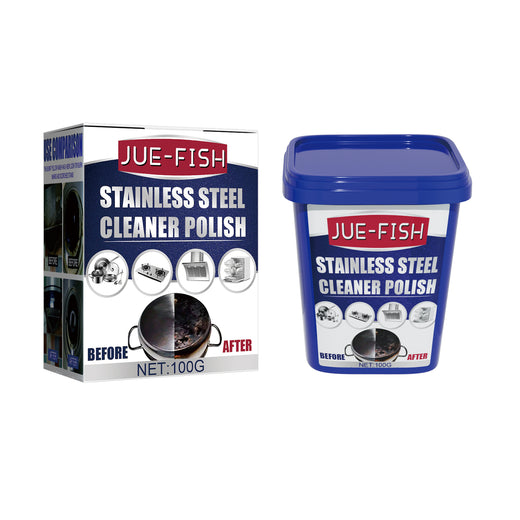
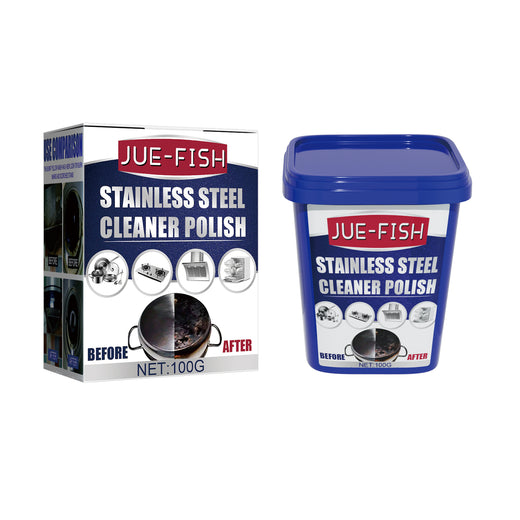
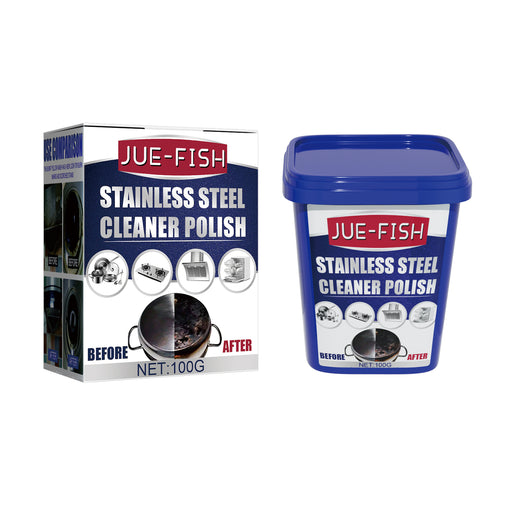
Start with the surface and the stain rather than choosing a general cleaner first. For everyday grease, dirt and shine, a multi-purpose cleaning cream can suit many hard household surfaces when used as directed. Kitchen creams are better matched to baked-on food, oil and stubborn cooking residue. Choose stone cleaning powder for tough grease or oil stains on suitable stone surfaces, and stainless steel cream for rust marks and dirt on stainless steel. For walls, shoes and other delicate finishes, use a product specifically made for that material. Shoppers comparing cleaning cream options should check the label for approved surfaces, whether rinsing is required and whether a test patch is recommended.

What are the different types of cream cleaner?

Cream cleaners differ mainly by their intended surface and cleaning task. Multi-purpose cleaning cream is designed for general grease, dirt and surface dullness. Kitchen cleaning creams focus on stubborn grease, oil, rust or baked-on dirt around cooking areas. Stainless steel cream targets marks and rust while helping maintain the appearance of steel surfaces. Wall cleaning cream is intended for marks and stains on suitable painted or washable walls. Shoe cleaning creams are made for brightening and removing stains from sneakers, with one option designed as a no-wash remover. Stone cleaning powder is a separate powder format for tough grease and oil stains. Always compare the product directions before treating an unfamiliar material.

What should you look for in a cream cleaner?

Look for a clear match between the formula and the surface you want to clean. Useful details include the types of stains covered, compatible materials, whether the product is suitable for regular cleaning or spot treatment, and whether it needs wiping or rinsing. For kitchen use, look for wording that addresses grease, oil or baked-on dirt. For shoes and walls, choose a dedicated cream rather than assuming a kitchen product is suitable. If you are researching cleaning cream ingredients, read the product label and follow its handling instructions instead of relying on general assumptions about formulas. A practical package should also provide directions, precautions and guidance for testing a small hidden area first.

How do you use cleaning cream safely and effectively?

Remove loose dirt first so the cream can work on the mark or residue itself. Apply a small amount to a damp cloth, sponge or other tool recommended on the label, then work gently over a limited area. Avoid pressing hard immediately, especially on painted walls, polished surfaces, coated finishes and shoes. Wipe away residue with a clean damp cloth if the instructions call for it, then dry the surface. Test an inconspicuous spot before wider use and do not mix the cream with other cleaners. Use the dedicated shoe cream for sneakers, the wall cream for suitable washable walls and the stainless steel cream only as directed for steel surfaces.

What are common cleaning cream mistakes?

A common mistake is using one cream on every surface without checking compatibility. A product intended for kitchen grease may not be suitable for painted walls, stone, shoes or coated stainless steel. Applying too much product can also leave residue and make wiping harder, while aggressive scrubbing may dull or mark a finish. Do not skip the test patch, especially on coloured, polished or delicate materials. Another error is treating a set-in stain without first removing loose soil, which spreads grime instead of lifting it. Finally, do not combine cleaning creams with bleach, acids or other household chemicals unless the label explicitly permits it.

Who is cleaning cream best suited for?

Cleaning cream suits shoppers who want a targeted product for visible grease, dirt, marks, rust or dull residue rather than a single liquid cleaner for every task. It is useful for kitchen cleaning, spot-cleaning walls, refreshing suitable stainless steel and treating stained sneakers. Choose a multi-purpose cream when your main need is general hard-surface cleaning, or select a specialist formula when the surface or stain is specific. Professional cleaners may use different products for different materials, but the key principle is the same: match the cleaner to the job and follow the directions. If you prefer quick spot treatment, a dedicated shoe or wall cream may be more convenient than a broader household formula.

Frequently asked questions

What is a cleaning cream?

A cleaning cream is a thicker surface-cleaning formula designed to help lift dirt, grease, marks or residue when worked over a surface. It is usually applied in a small amount with a cloth or sponge, then wiped or rinsed according to the label. Different creams are made for different materials, so the product directions are important.

What is the best cleaning cream?

The best cleaning cream depends on the surface and stain. Choose a multi-purpose cream for suitable everyday hard-surface dirt, a kitchen cream for grease and baked-on residue, a stainless steel cream for steel surfaces, or a dedicated wall, stone or shoe product for those materials. A product with clear surface guidance and directions is generally easier to use correctly.

What is cream cleaner used for?

Cream cleaner is used for selected household marks such as grease, dirt, rust, baked-on food, wall marks and shoe stains. The products in this category include options for kitchens, stone, stainless steel, walls and sneakers. Always check that the formula is intended for the surface before applying it.

What do professional cleaners use to clean?

Professional cleaners typically match the product to the material and cleaning task rather than using one formula everywhere. For household work, that can mean separate products for kitchen grease, stainless steel, walls, stone and footwear. Good results also depend on removing loose dirt, using the correct amount and following the product instructions.

What do professional cleaners use to make a house smell good?

A clean smell usually starts with removing dirt, grease and residue from the surfaces that cause odours. Professional cleaners may use products appropriate to each material, then ventilate the space and follow the instructions for any finishing product. Cleaning cream is primarily for surface dirt and stains, so check the label rather than assuming it is an air freshener.

What is the 20 minute rule in cleaning?

The 20 minute rule is a simple routine in which you spend a short, focused period cleaning one area or completing a defined task. It can help break jobs such as treating kitchen grease, wall marks or stained shoes into manageable steps. It is a time-management approach, not a required dwell time for cleaning cream; follow the product's own application instructions instead.