Organic Castor Oil Packs & Belly Wraps for Stomach Wellness
5 items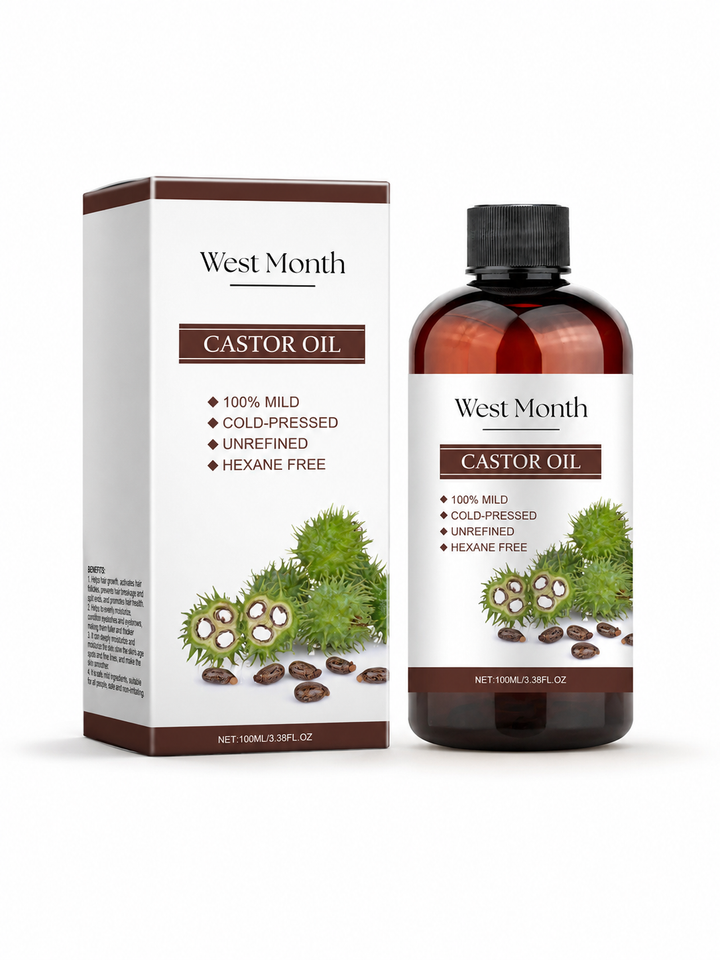

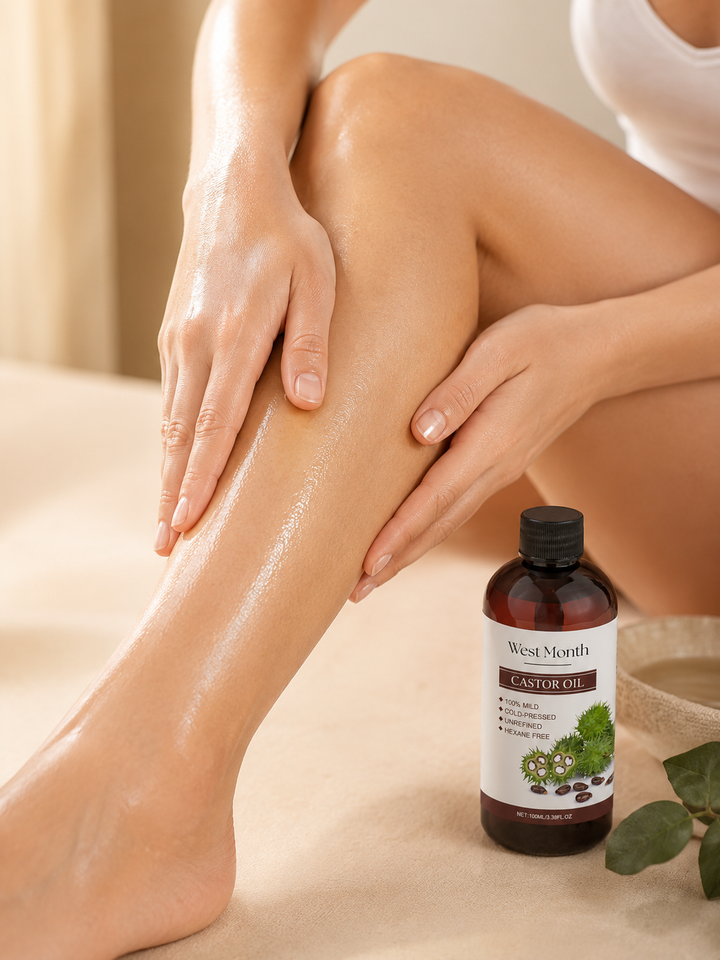
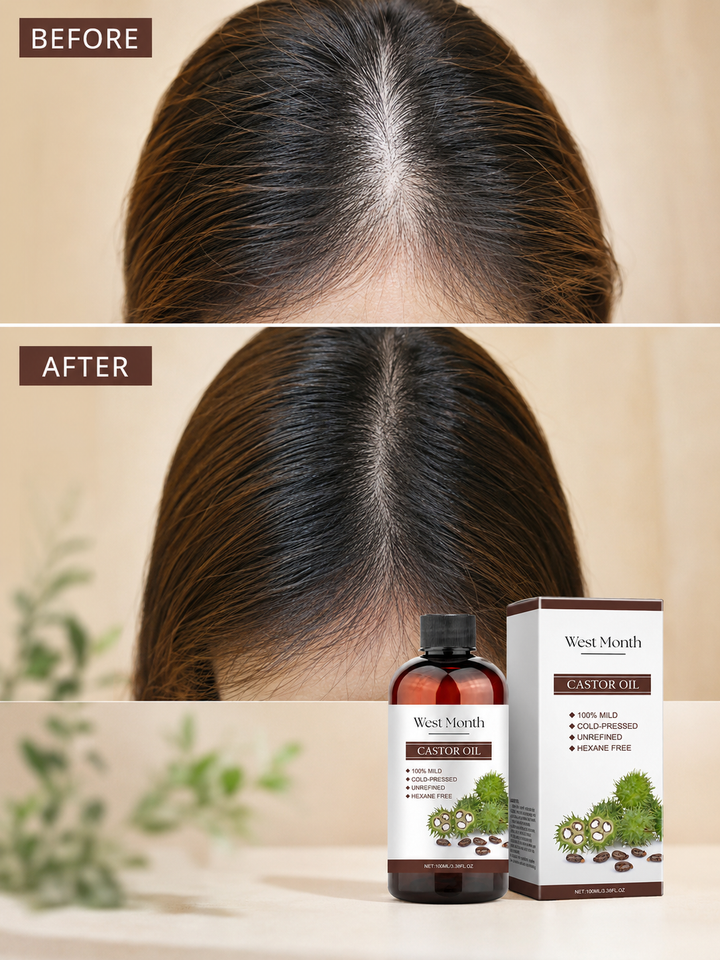

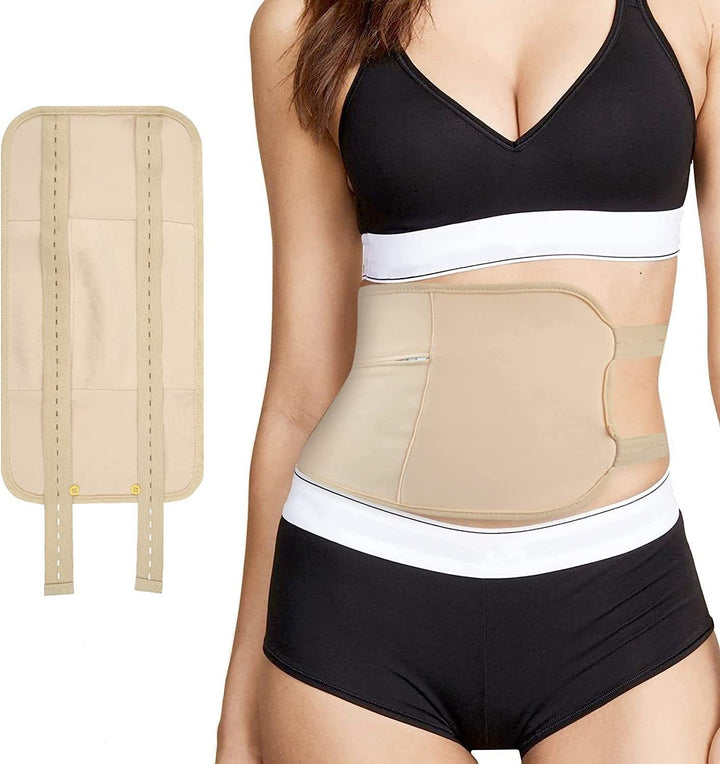
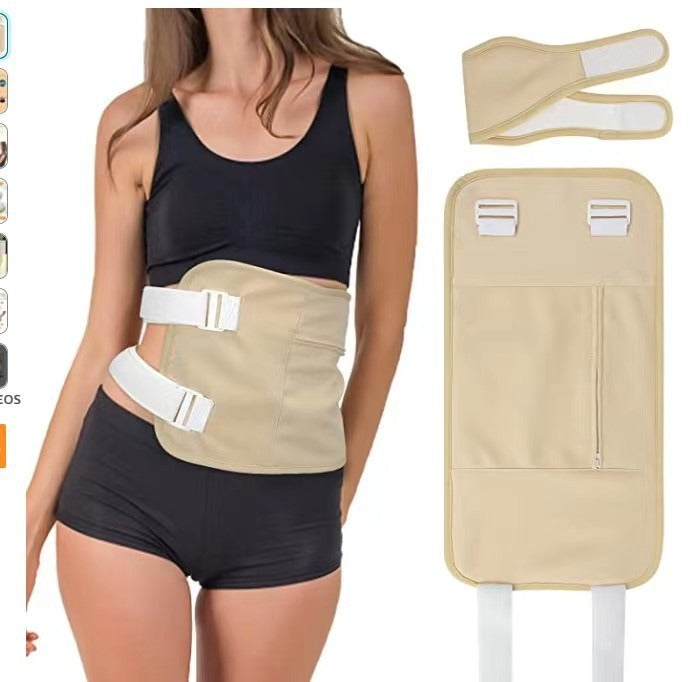
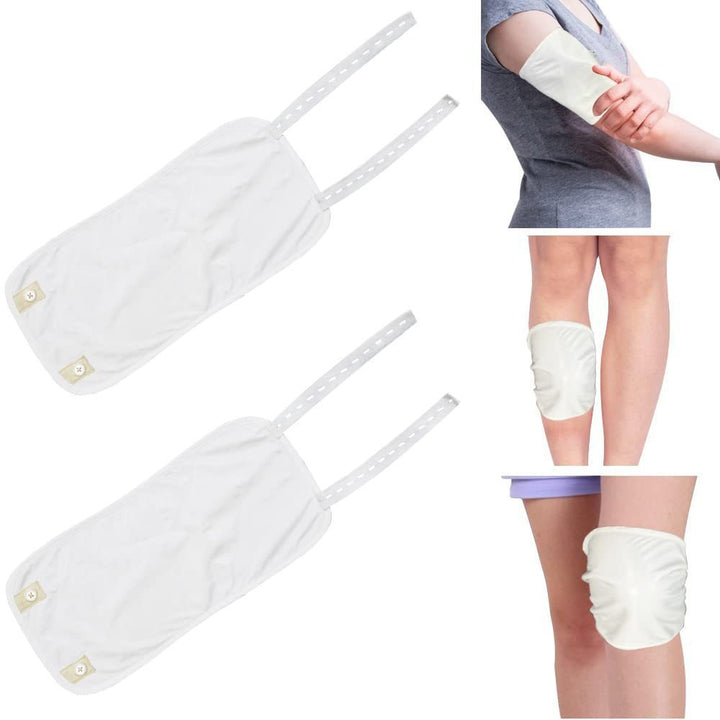




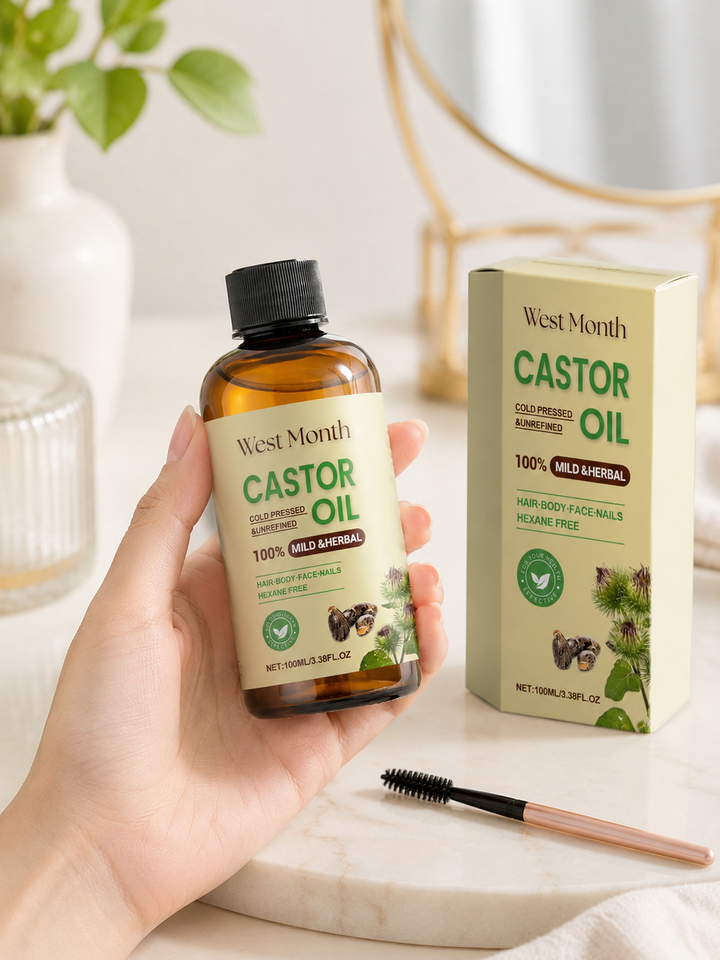
Castor oil bags, also called castor oil packs or belly wraps, combine topical castor oil with a reusable fabric wrap for a hands-free self-care routine. This guide compares ready-to-use wraps with separate cold-pressed castor oil and explains what to check before buying, how to use them carefully, and where they fit into a personal wellness routine.
How to choose castor oil bags for belly use
Start by deciding whether you want a complete wrap or oil sold separately. A castor oil therapy wrap is convenient when you want a shaped, hands-free design with leak-resistant construction. A separate bottle of cold-pressed castor oil gives you more flexibility, but you will also need a suitable cloth or pack and a way to keep it in place. Check the product dimensions to make sure the pack covers the area you intend to use, such as the central abdomen or lower belly. Look for a secure fastening system, a soft inner layer, and clear cleaning instructions. If you are new to castor oil packs, a reusable wrap with an oil-resistant lining can be simpler and less messy than assembling your own.
Castor oil packs versus belly wraps: which type is best?
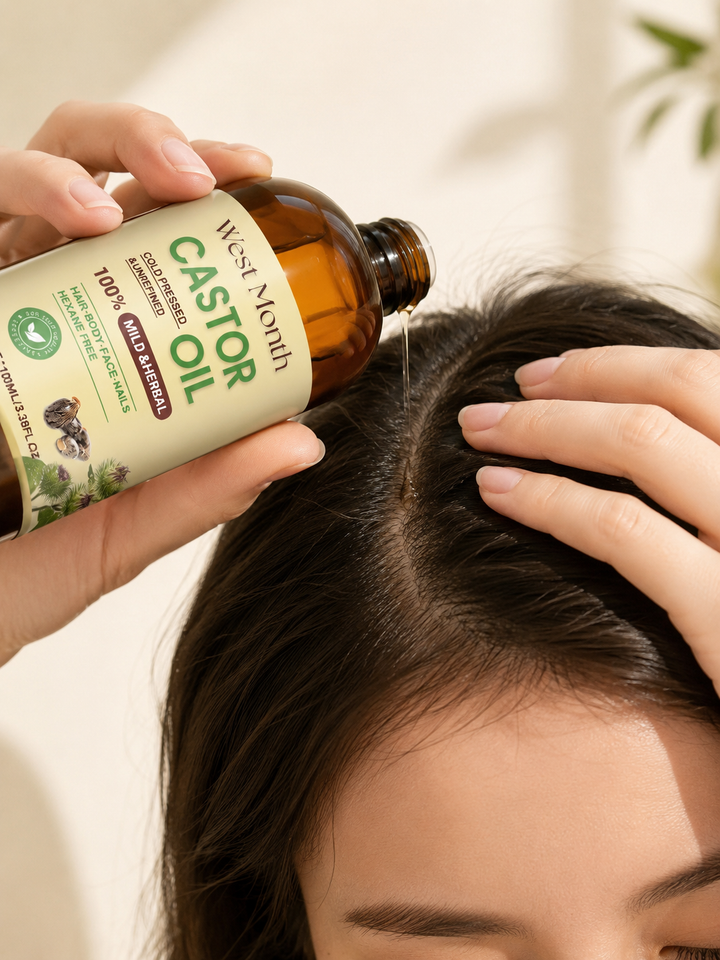
A traditional castor oil pack usually consists of absorbent fabric that holds the oil against the skin. It can be practical for home use, but it may need separate straps, towels, or clothing layers to stay in position. A reusable belly wrap is designed for a closer fit and hands-free wear, which can make it easier to relax while seated or lying down. Some shoppers prefer buying cold-pressed castor oil separately so they can also use it in a personal skincare or haircare routine, while others want a dedicated wrap with less setup. Compare whether the listing includes oil, the wrap, or both. Also check whether the material is intended to be reused and how it should be cleaned after each application.
What should you look for in a reusable castor oil wrap?
Prioritize features that reduce spills and make regular use manageable. A leak-resistant or anti-leakage lining helps limit oil transfer to clothing, bedding, and furniture, while adjustable closures can help the wrap stay around the waist without feeling overly tight. Inspect the product description for fabric composition, approximate fit, closure style, and care guidance. A wide contact area may be useful if you want coverage across the abdomen rather than a small spot. If you are purchasing oil separately, choose a product clearly labeled for topical use and review its ingredient list for added fragrance or other ingredients you may wish to avoid. Darker fabric can make oil marks less noticeable, but it does not remove the need for prompt cleaning and careful storage.
How do you use a castor oil bag on your belly?
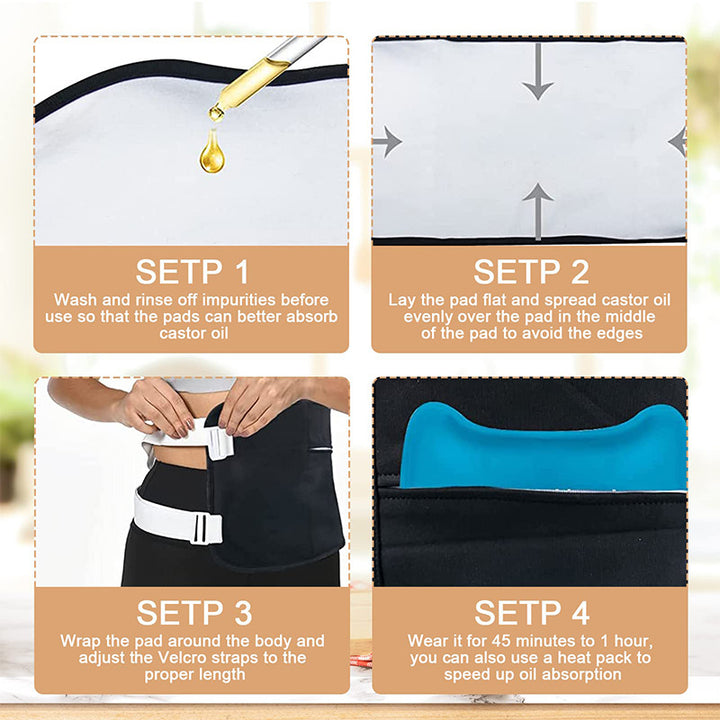
Read the product instructions first, then apply a small amount of castor oil to the pack or the intended fabric area rather than saturating it. Place the pack over intact skin on the abdomen and fasten the wrap so it is secure but not restrictive. Keep a towel underneath if you are concerned about transfer, and avoid sleeping while wearing it unless the product instructions specifically allow that use. Afterward, remove the wrap, wipe away excess oil, and clean or store it as directed. Patch-test the oil on a small area before a longer application, especially if your skin is sensitive. Stop using it if you notice burning, itching, redness, or other irritation, and keep oil away from eyes and other sensitive areas.
What mistakes should you avoid with castor oil packs?
Do not apply castor oil to broken, irritated, or recently shaved skin, and do not use a pack over an area with an unexplained rash. Avoid wrapping so tightly that it causes pressure, discomfort, numbness, or restricted movement. Using too much oil can increase leakage without improving the experience, so begin with a light application and add only if the pack instructions recommend it. Do not place castor oil in the eyes, mouth, or other mucous membranes, and do not use a hair-and-skin oil as a substitute for a product intended for another purpose. Wash reusable wraps according to their care instructions, keep them away from children and pets, and consult a healthcare professional before use if you are pregnant, have a skin condition, or have concerns about abdominal symptoms.
Who are castor oil bags suitable for?
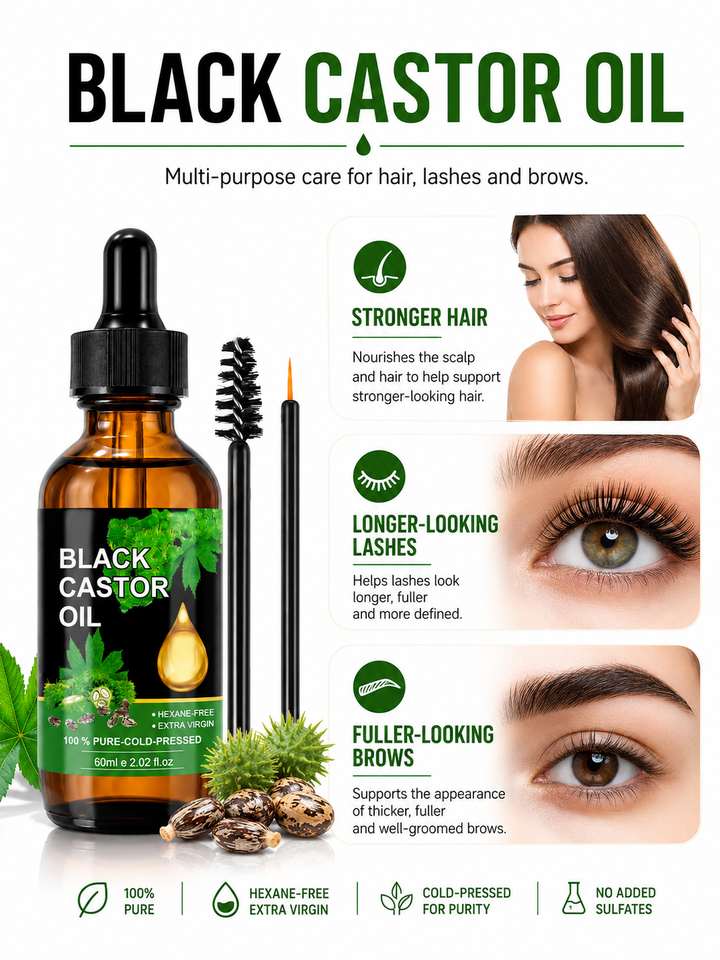
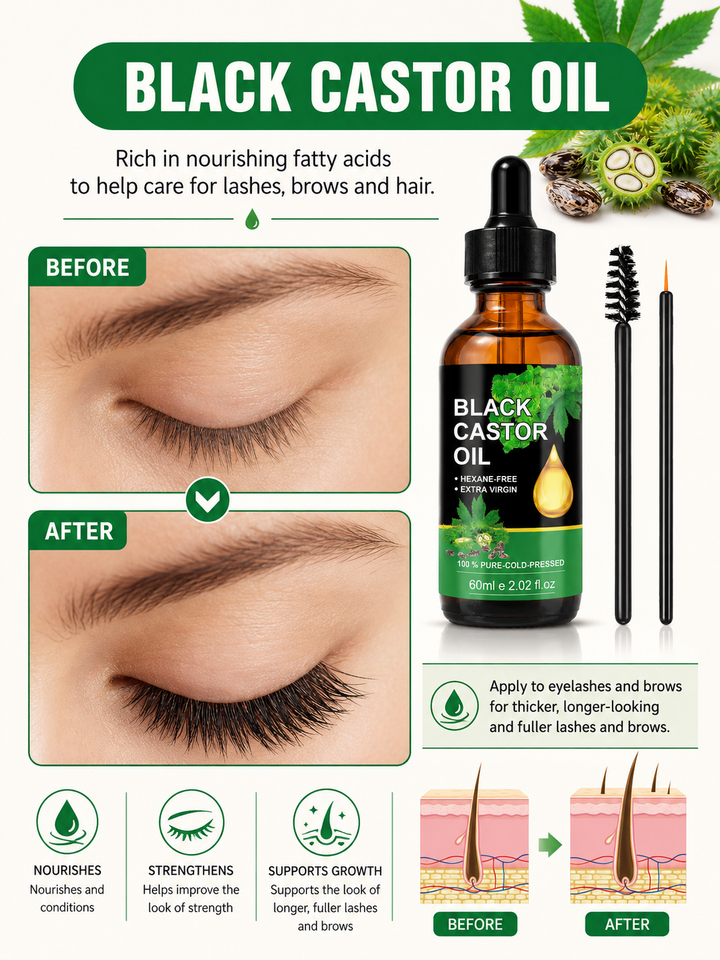
Castor oil bags may suit adults looking for a non-invasive, topical self-care accessory for use at home, particularly people who prefer a reusable wrap over holding a cloth in place. They can also be useful for shoppers who want a hands-free format while resting, reading, or relaxing. These products are not a replacement for medical evaluation or treatment, and the category is not intended to diagnose or manage illness. Choose a separate cold-pressed oil if you want a multipurpose topical product for hair, lashes, brows, or skin, and choose a dedicated therapy wrap if your priority is abdominal coverage and easier positioning. Always check the product instructions and ingredient list, and ask a qualified healthcare professional before use when you have a health concern or are unsure whether topical castor oil is appropriate.
Frequently asked questions
What are castor oil bags used for?
Castor oil bags, packs, and belly wraps are used to hold castor oil against the skin during a topical self-care routine. They are designed for convenient application around areas such as the abdomen and are not a substitute for medical care or treatment.
What does wrapping your belly with castor oil do?
Wrapping the belly with castor oil keeps the oil in contact with the skin while the wrap helps reduce dripping and keeps the application hands-free. Individual experiences can vary, and these products should not be presented as treating a medical condition.
Do castor oil packs actually help?
Some people find castor oil packs comfortable as part of a personal relaxation routine, but evidence and individual results can vary. They should not replace professional advice, diagnosis, or treatment, especially when you have persistent or concerning symptoms.
Where is the best place to put a castor oil pack?
For products in this category, the pack is generally positioned over the abdomen on clean, intact skin, following the product instructions. Avoid broken or irritated skin, the eyes, and other sensitive areas, and stop if the application causes discomfort or irritation.
What happens if I put castor oil on my belly every night?
Nightly use may increase the chance of skin irritation, oil transfer, or staining, particularly if the oil or wrap does not suit your skin. Follow the product guidance, patch-test first, avoid sleeping in the wrap unless specifically permitted, and seek professional advice if you are considering frequent use.
What should you not put castor oil on?
Do not put castor oil on broken, inflamed, or infected-looking skin, in the eyes, in the mouth, or on other mucous membranes. Keep it away from areas that react during a patch test, and check the label before using a product formulated for hair and skin on any other part of the body.