Breath Fresheners: Sugar-Free Mints for Bad Breath
5 items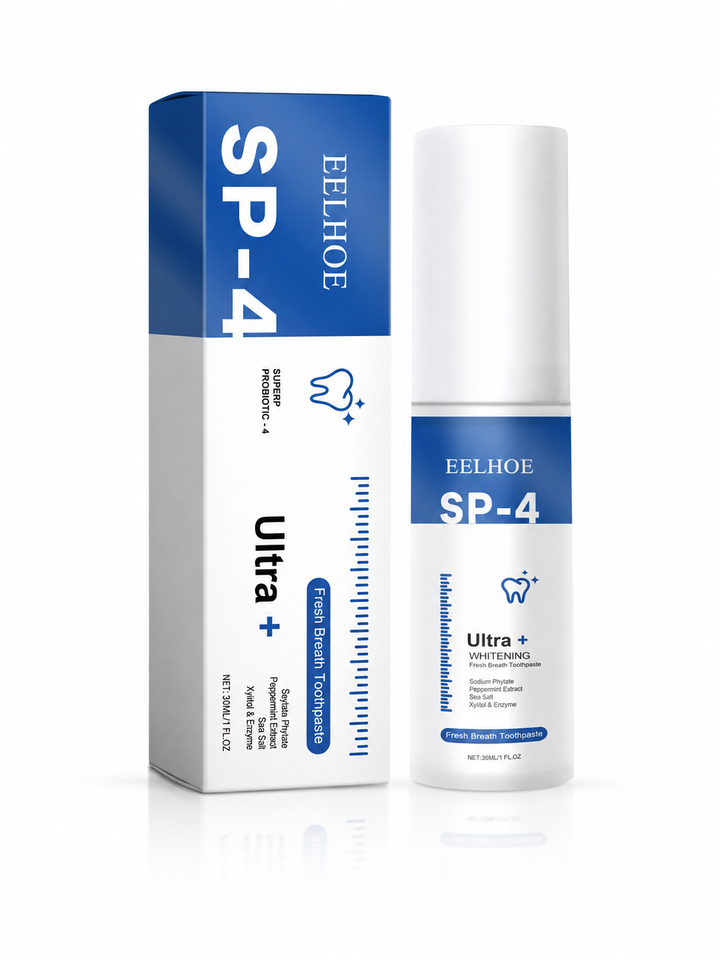

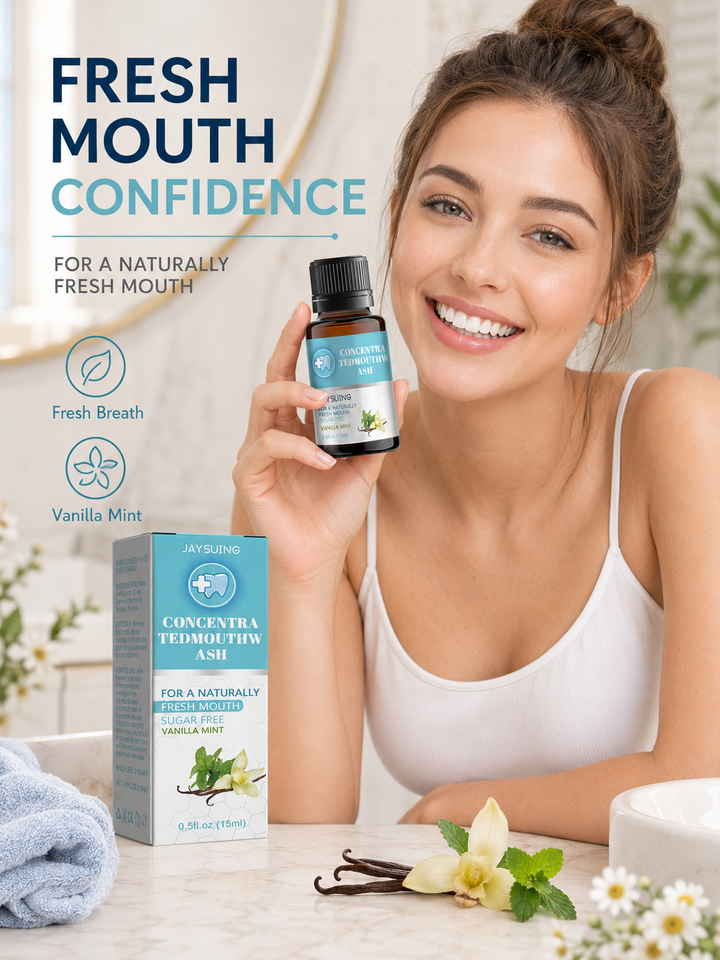

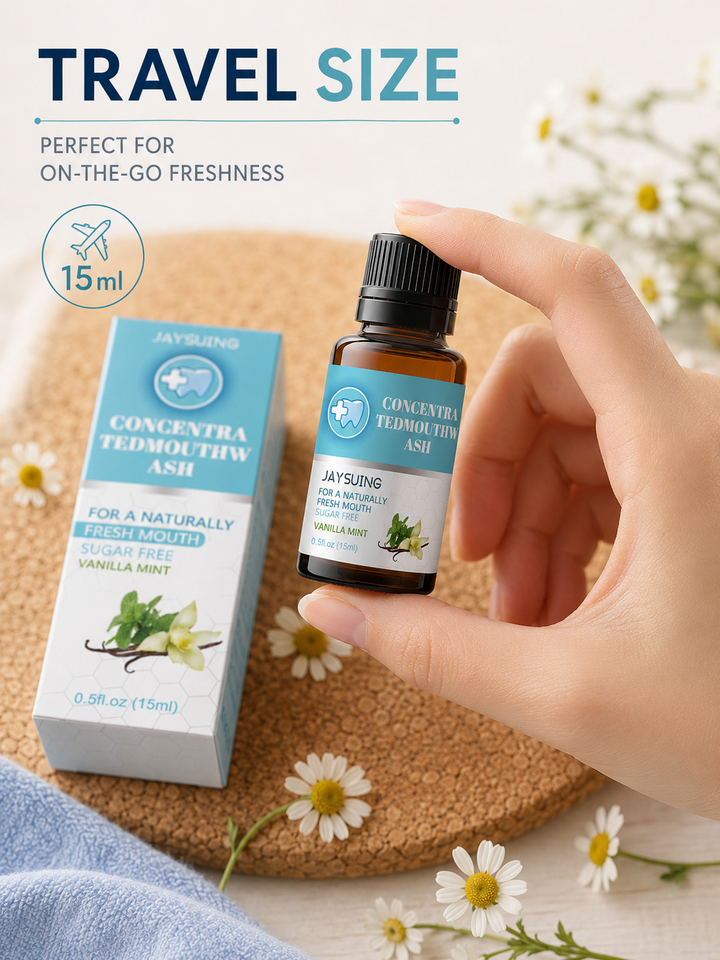

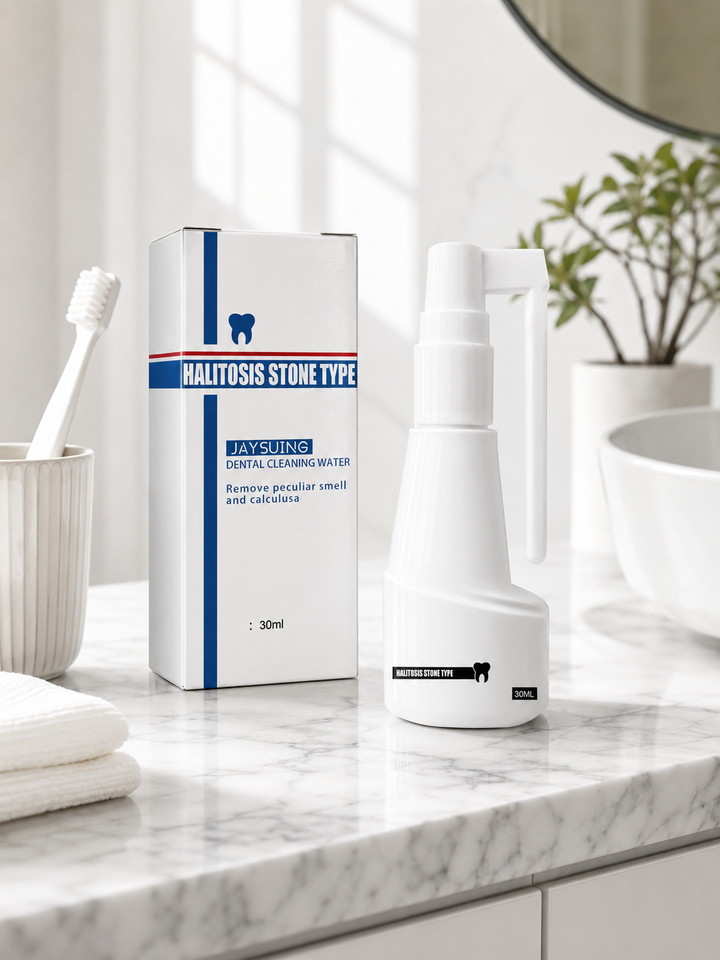
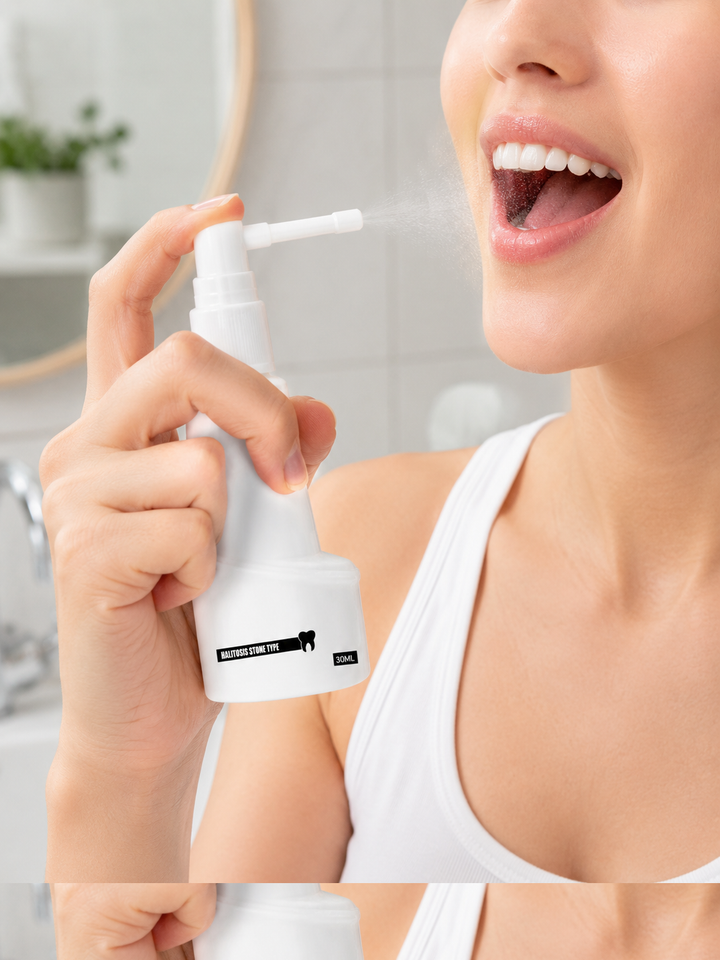
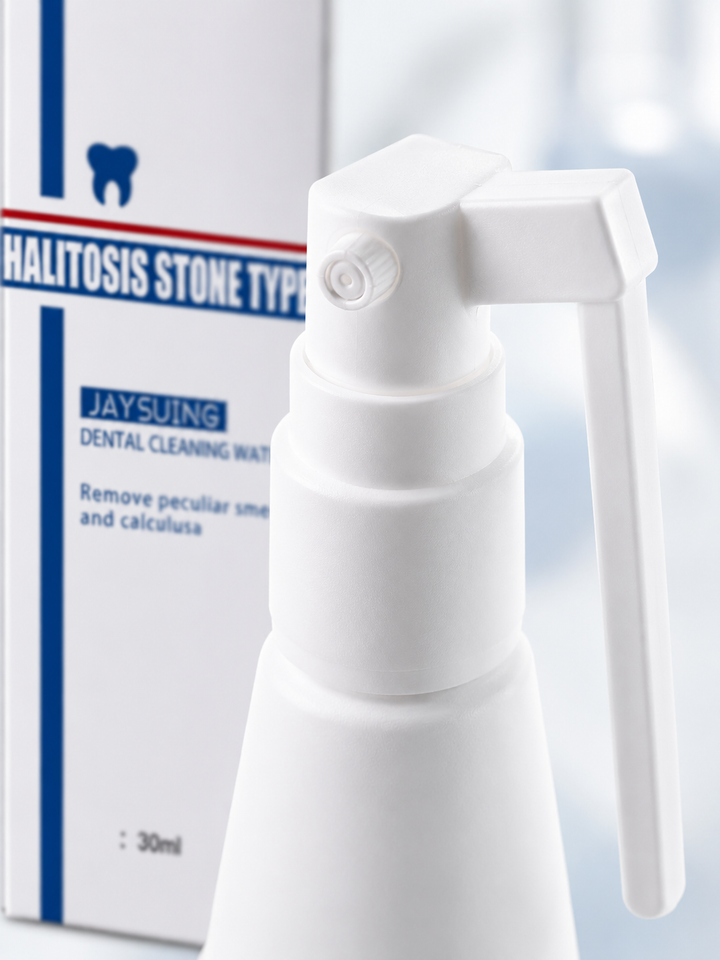
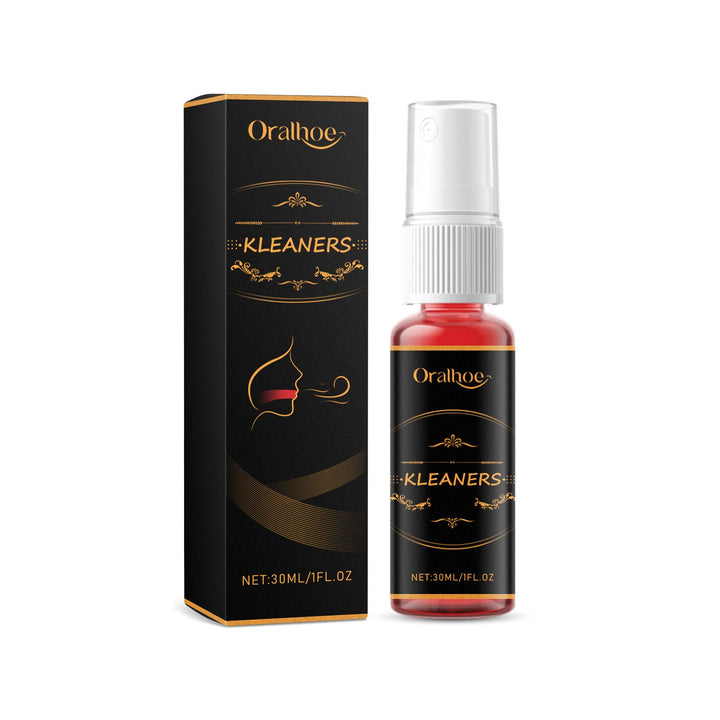
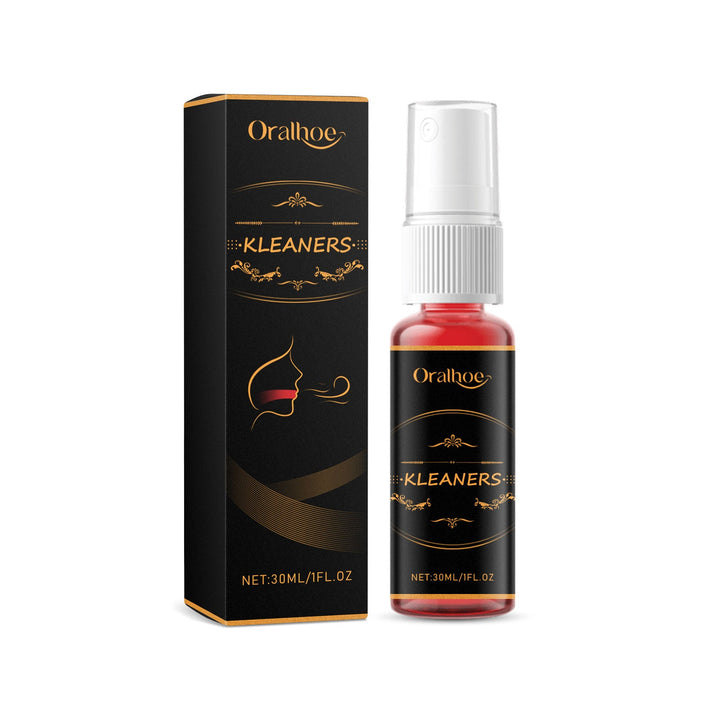
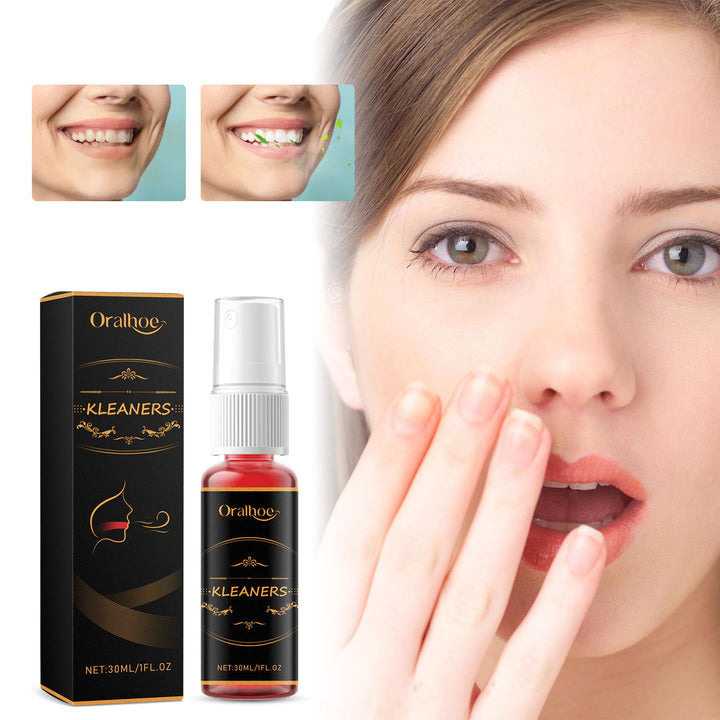
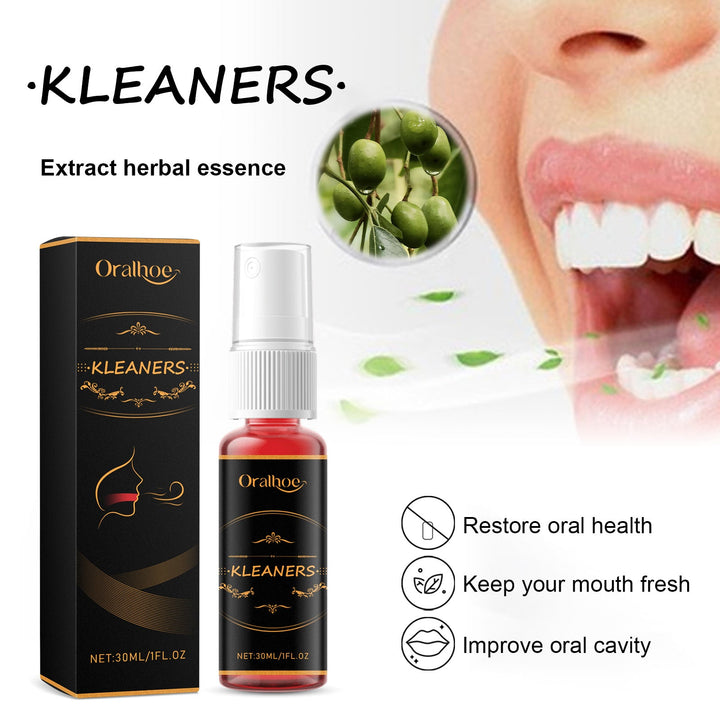
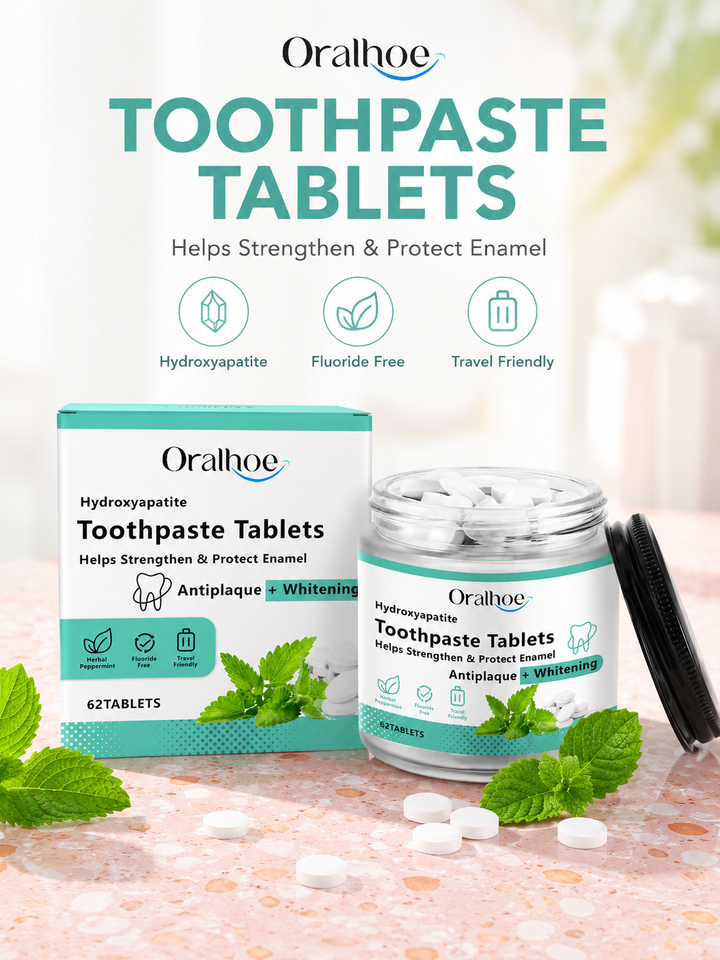
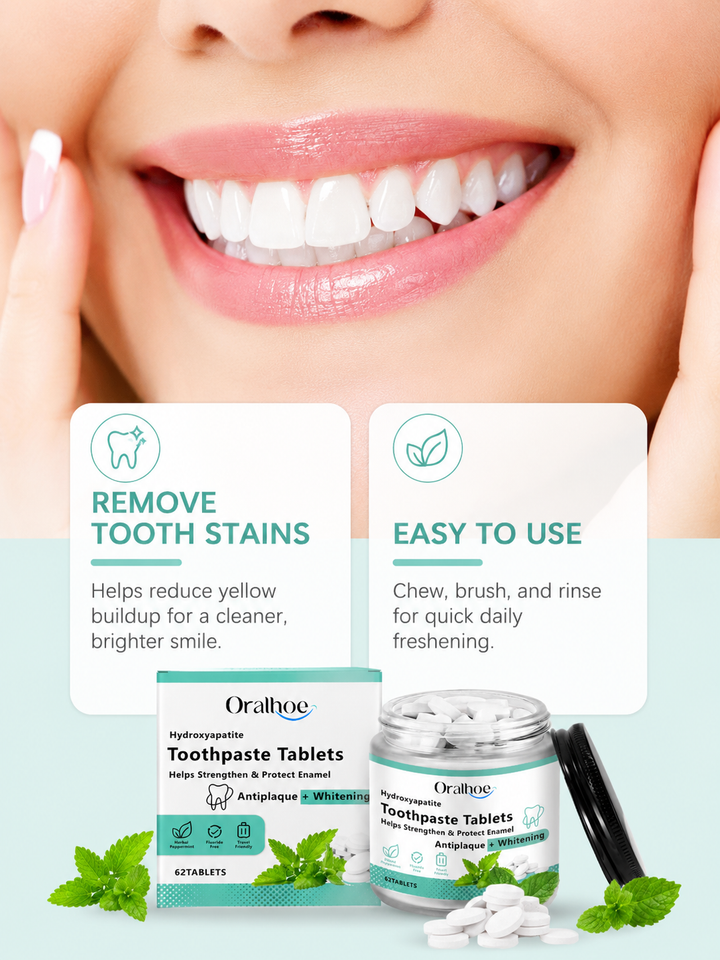
Breath fresheners offer a convenient way to refresh your mouth between brushing, meals, meetings, or social occasions. This category includes an herbal mouth spray, concentrated mouthwash, toothpaste tablets, whitening toothpaste, and a calculus remover spray, so you can choose a format that fits your routine rather than relying on one product for every need.
How to choose the best breath freshener
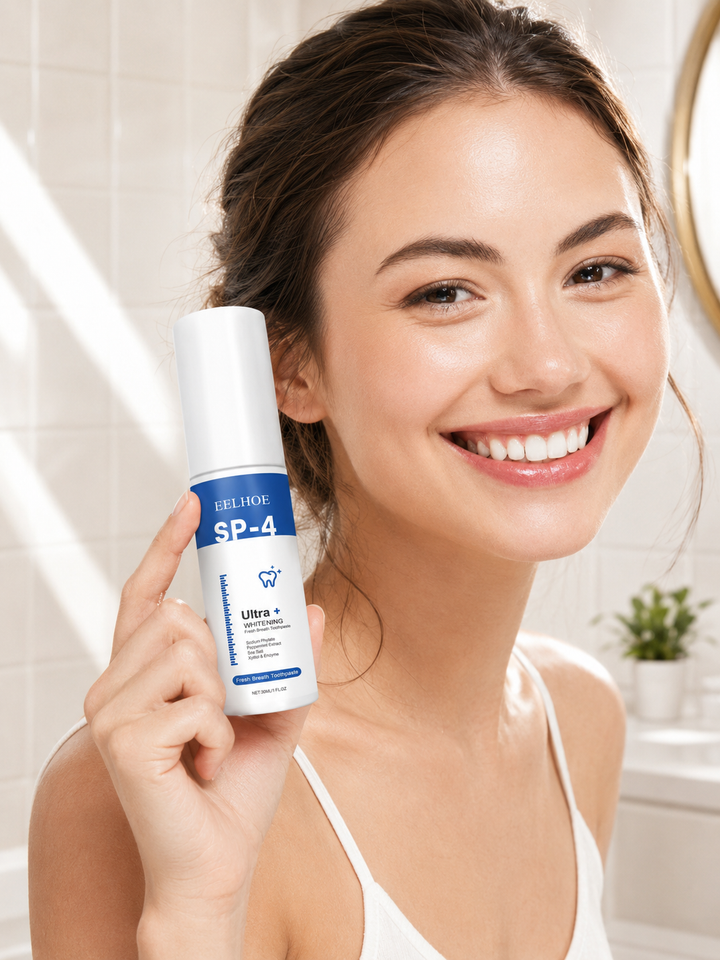
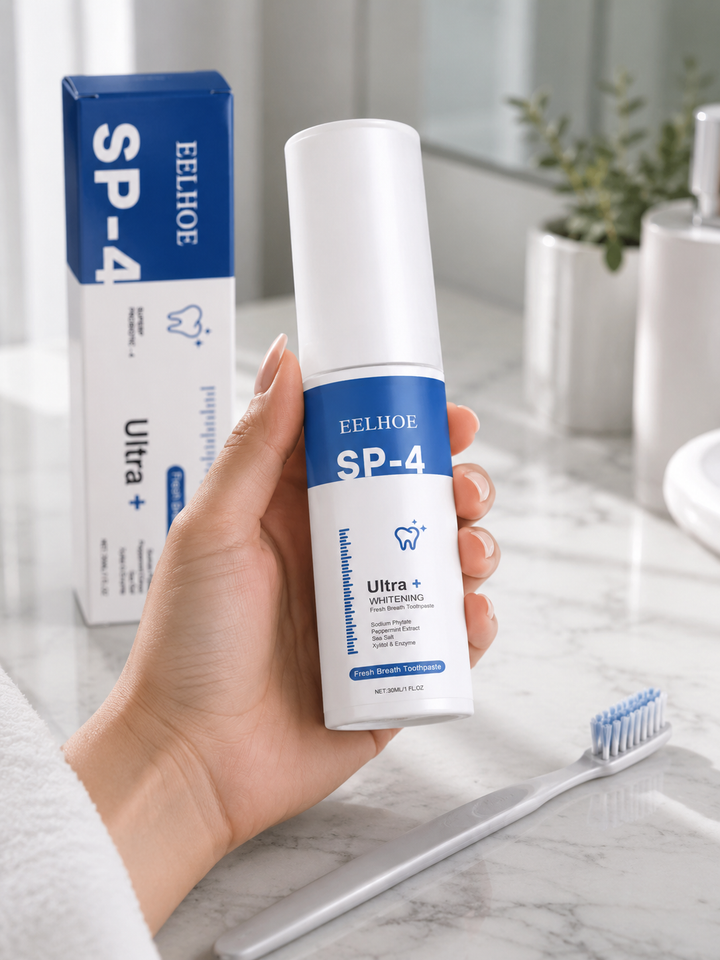
Start with the format you are most likely to use consistently. An herbal mouth spray is compact for quick refreshment, while concentrated mouthwash suits a more complete rinse at home. Toothpaste tablets and SP-4 Whitening Toothpaste are better suited to regular brushing routines, with the toothpaste option offering a familiar application and the tablets providing a portable alternative. A calculus remover spray may appeal to shoppers focused on tartar and breath-related oral care, but it should be used only as directed. If you are comparing a breath spray Binaca-style format, peppermint breath spray, or a breath freshener vape, check the ingredients, instructions, and intended use instead of choosing by flavor alone.
Which types of breath fresheners work best
Different breath fresheners serve different moments. Mouth spray is a fast, discreet choice after coffee, lunch, or before kissing, and a peppermint option gives a familiar cool taste. Concentrated mouthwash is designed for rinsing and may fit a morning or evening routine, while toothpaste tablets and whitening toothpaste support brushing rather than acting as a simple on-the-go spray. Calculus remover spray is aimed at targeted oral care and should not replace brushing or professional advice. If you are searching for the best mouth spray for bad breath, consider portability, flavor, ingredient preferences, and how long the fresh feeling suits you. Breath freshener gum is another convenient format, but it is not included in this category.
What to look for in a mouth spray or mint
For an everyday breath freshener, look for clear directions, a flavor you enjoy, and a compact package that is easy to carry. If avoiding sugar matters, confirm that the product is specifically labeled sugar-free rather than assuming every mint or spray has the same formula. Peppermint can provide a crisp taste, while an herbal mouth spray may suit shoppers who prefer a botanical-style option. Also check whether the product is intended for occasional use, rinsing, brushing, or targeted application. A breath freshener should complement normal oral care, not hide persistent odor indefinitely. Compare the product description with your needs: a spray is convenient, mouthwash covers a rinse routine, and toothpaste tablets or SP-4 Whitening Toothpaste are intended for cleaning during brushing.
How to use breath freshener products correctly
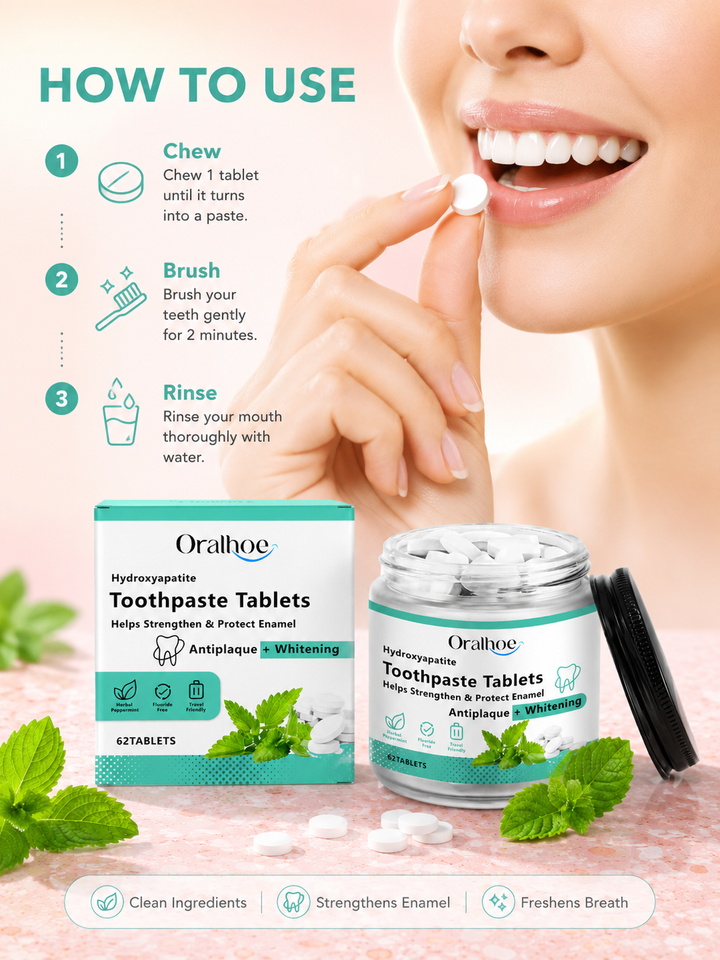
Follow the label for every product, since a spray, rinse, tablet, toothpaste, and calculus remover spray are used differently. For an herbal mouth spray, apply only the directed amount into the mouth and avoid treating it like a beverage. Use concentrated mouthwash according to its dilution and rinsing instructions, and do not swallow it. Toothpaste tablets should be chewed or prepared only as the package describes before brushing, while SP-4 Whitening Toothpaste can be used with a toothbrush as directed. Targeted calculus remover spray should not be scraped, swallowed, or used more often than recommended. Breath fresheners are most useful after eating or when you need a quick refresh, alongside regular brushing, cleaning between teeth, and routine dental care.
Common breath freshener mistakes to avoid
One common mistake is using spray or mints to mask an ongoing odor without improving daily cleaning habits. Another is choosing a product based only on the strongest flavor; intense peppermint may feel fresh but may not suit everyone. Do not swallow mouthwash, overuse a spray, or apply a calculus remover spray outside its instructions. Avoid treating toothpaste tablets or mouthwash as interchangeable with toothpaste unless the packaging says they are intended for that purpose. Shoppers also sometimes confuse a breath freshener vape with an oral-care product; vaping products are not the same as a mouth spray or mint. If bad breath continues despite consistent oral care, a breath freshener may not address the underlying reason, so consider asking a dental professional for guidance.
Who are breath fresheners best suited for
Breath fresheners suit adults who want a portable refreshment option after meals, coffee, commuting, or social events. An herbal mouth spray is convenient for handbags, desks, and travel, while concentrated mouthwash works better for a home rinse routine. Toothpaste tablets can suit travelers or shoppers who prefer a compact brushing format, and SP-4 Whitening Toothpaste is a familiar choice for shoppers combining brushing with fresh-breath and appearance-focused care. A calculus remover spray may suit people looking for a targeted product, provided they follow the label carefully. These products are not a substitute for brushing, cleaning between teeth, or professional dental care. For children, pregnancy, allergies, or ingredient sensitivities, review the label and ask a qualified professional when unsure.
Frequently asked questions
What is the most effective breath freshener?
The most effective choice depends on the situation and your routine. A mouth spray is convenient for quick refreshment, concentrated mouthwash suits a rinse routine, and toothpaste tablets or toothpaste are intended for brushing. Choose a product you can use correctly and consistently, while maintaining regular oral care.
Which mouth freshener is best for bad breath?
An herbal mouth spray or concentrated mouthwash may suit shoppers who want a dedicated fresh-breath format. Compare flavor, ingredients, portability, and directions before choosing. If odor persists despite regular oral care, a freshener may only mask it temporarily, so seek dental guidance.
Do breath fresheners work?
Breath sprays, mints, and mouthwash can provide temporary freshness by adding flavor and refreshing the mouth. They do not replace brushing, cleaning between teeth, or other daily oral-care habits. Use each product as directed and do not rely on it to conceal persistent odor.
How can I permanently get rid of stinky breath?
There is no single breath freshener that permanently solves every cause of unwanted odor. Brush regularly, clean between your teeth, follow the product directions, and stay attentive to your overall oral-care routine. If the odor continues, a dental professional can help identify an appropriate next step.
How do I actually smell my breath?
You can ask a trusted person for an honest answer, or check the odor on a clean spoon or the back of your tongue after gently scraping it and smelling the result. Avoid relying only on breathing into your hands, since that method is often unreliable. Persistent concerns are best discussed with a dental professional.
What drink kills bad breath fast?
No drink reliably eliminates every cause of unwanted breath odor. Water can help rinse the mouth and is a simple choice after eating or drinking, but a peppermint spray, mouthwash, or mint may provide a more noticeable temporary fresh taste. Regular oral care remains important, especially after strongly flavored foods or drinks.