
$64.90
Free delivery · 7–14 days
Slimming Body Patches for Waist Toning, Pack of 10


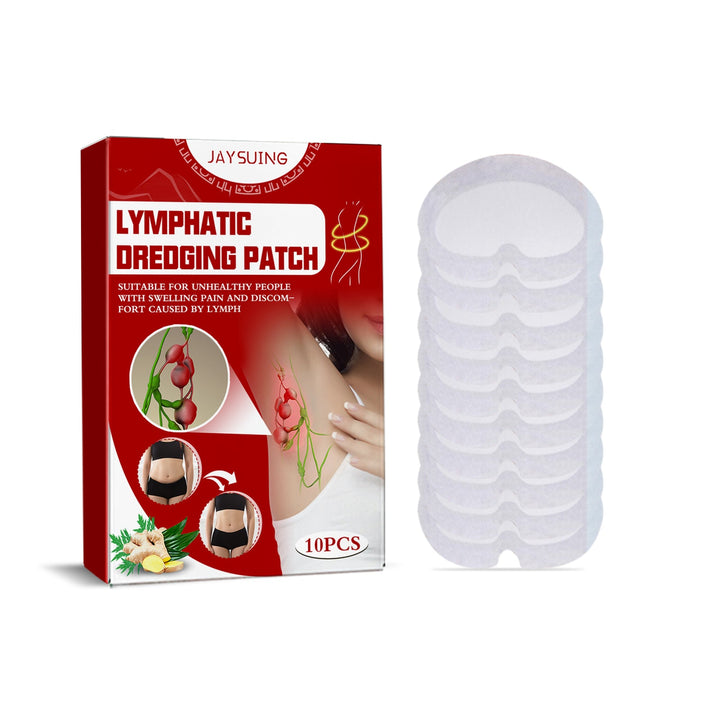

Body patches are adhesive patches designed for targeted skin care or a focused self-care routine. This category includes bee venom, lymphatic, detox, slimming, firming, and microneedle-style options, so compare the intended use, placement, materials, and application instructions before choosing.
Start with the goal you want to support: targeted skin care, a firming-focused routine, waist-toning care, or a lymphatic and bloat-focused self-care routine. Choose a patch format that suits the area, such as a flexible patch for the waist or body and a smaller design for more precise placement. Review the ingredient list, adhesive details, wear instructions, and skin-sensitivity guidance before buying. If you are comparing a body patch for pain, check whether the product is specifically labeled for that purpose; cosmetic body patches should not be treated as pain-relief products. Search terms such as self adhesive body patch and body patches near me can help you compare availability, but always check the actual product description rather than relying on the name alone.
Bee venom treatment patches and bee venom body patches are positioned for targeted skin-care routines that focus on the look and feel of skin. Lymphatic body patches and detox body patches are designed for people building a routine around body care, bloat-focused care, or cellulite-focused appearance goals. Slimming body patches are intended for waist-toning routines, while chest patches focus on firming and lift-oriented skin care. Microneedle body patches use a textured or micro-point surface and require especially careful attention to the application directions. These products are different from a body patch for car repair, body patch mesh, or bondo self adhesive body patch, which are automotive repair supplies rather than products for use on skin.
Look for clear information about the intended body area, adhesive type, recommended wear time, and removal method. A useful patch should have instructions that explain how to apply it to clean, dry skin and whether it should be kept away from broken, irritated, or freshly shaved areas. Check the patch dimensions and shape so it can sit flat without bunching under clothing. Ingredient transparency matters, particularly for bee venom formulas, botanical blends, and microneedle designs. Consider packaging if you plan to travel or use individual patches from a pack of 10. Avoid choosing solely because a listing uses phrases such as strongest patch or targeted relief; compare the actual ingredients, directions, and skin-care purpose instead.
Read the product directions before opening the patch. Clean and dry the selected area, then apply the patch without stretching it or placing it over cuts, rashes, sunburn, or other irritated skin. Press the edges down so the adhesive can sit evenly, and follow the stated wear time rather than leaving it on longer. Remove it slowly and stop use if you notice significant discomfort, redness, itching, swelling, or another unexpected reaction. For bee venom or other active-ingredient patches, review the ingredients first and avoid use if you know you are sensitive to any listed component. Keep unused patches sealed and stored as directed. Do not place a cosmetic body patch on the face, near the eyes, or on mucous membranes unless the product specifically says it is suitable.
A common mistake is applying a patch to damp, oily, or lotion-covered skin, which can reduce adhesion. Another is placing it over a sore, damaged, or freshly exfoliated area. Do not combine several patches on the same spot unless the instructions allow it, and do not assume that a longer wear time creates a stronger effect. Shoppers also sometimes confuse a body patch for pain with a cosmetic patch intended for firming, detox, slimming, or targeted skin care. Check the label and product details carefully. Finally, do not search for bondo body patch or automotive patch materials when you need a skin-care product: Bondo-style products, body patch mesh, and car repair patches are not made for skin and should never be applied to the body.
Body patches may suit adults who prefer a targeted, adhesive format for a structured skin-care or self-care routine. They can be convenient for focusing on areas such as the waist, chest, or selected body zones without applying a larger product over the whole area. Choose according to your routine: a bee venom patch for an ingredient-focused skin-care approach, a lymphatic or detox patch for a bloat-focused routine, a slimming patch for waist-toning care, or a microneedle patch for a textured application format. They are not a substitute for professional medical advice or treatment. If you have highly reactive skin, known ingredient sensitivities, are pregnant or nursing, or are considering a patch for a medical concern, review the ingredients and ask a qualified healthcare professional before use.
Bondo and similar automotive body fillers may be used in car repair only when the surface is properly prepared and the product instructions allow it. They are not body-care products and should never be applied to skin. For a vehicle, follow the filler manufacturer’s preparation and repair guidance or consult an automotive professional.
Use the body area specified in the product instructions, such as the waist, chest, or another intended skin-care zone. Apply it to clean, dry, intact skin and avoid cuts, rashes, irritated areas, and sensitive locations. If the product does not clearly state where it belongs, contact the seller or manufacturer before use.
A skin-care body patch is not suitable for repairing a car. Automotive repairs may require a compatible body filler, repair panel, fiberglass or metal mesh, or another purpose-made product depending on the hole and surrounding rust. Follow the automotive product instructions or have the damage assessed by a repair professional.
The products in this category are primarily for targeted skin care and self-care routines, not a guarantee of pain relief. If you are looking for a pain patch, check that the product is specifically labeled for that purpose and review its active ingredients, directions, warnings, and usage limits. Ask a pharmacist or healthcare professional if you are unsure which option is appropriate.
Some patches are formulated and labeled for specific types of discomfort, but suitability depends on the ingredients, the condition involved, and the individual. Cosmetic patches for slimming, firming, detox, or skin care should not be assumed to relieve pain. Read the label carefully and seek professional advice for persistent, severe, or unexplained pain.
There is no single strongest option for everyone, and strength should not be judged by marketing language alone. Compare the active ingredient, intended use, warnings, and directions, and ask a healthcare professional or pharmacist for guidance. The body patches listed here are not presented as a substitute for prescribed or medically directed pain treatment.