
$64.90
Free delivery · 7–14 days
Multi-Surface Cleaning Tablets for Kitchen & Bathroom


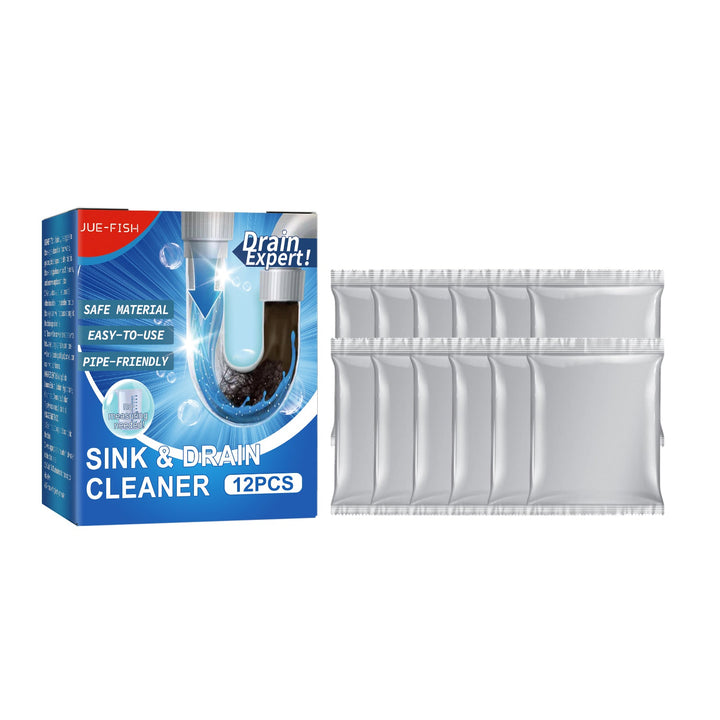

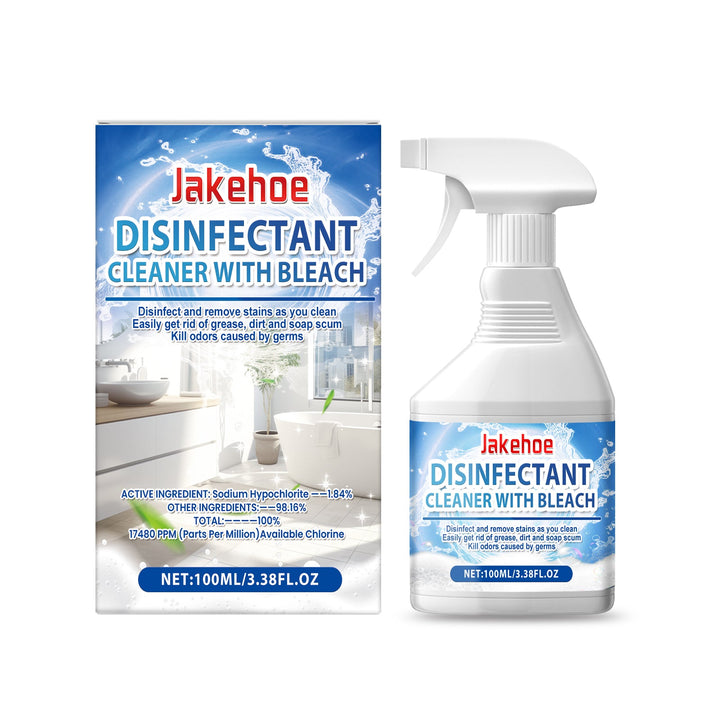

Find bathroom cleaners for everyday surface care, stubborn water stains, soap scum, tubs, jets and slow drains. This range includes sprays, gels, tablets, descalers and drain treatments so you can match the product to the bathroom cleaning job instead of using one formula everywhere.
Start with the surface and the type of buildup. For regular care on sinks, tubs, tile and other compatible surfaces, choose a bathroom cleaning spray or multi-surface cleaning tablet. For soap scum and scale, use a bathroom cleaner designed for those deposits, such as the soap-scum spray, glass and tile water-stain remover or bathroom descaler spray. Choose a gel when you want the formula to stay in place on a targeted stain. If the problem is a slow or smelly drain, select drain cleaner powder rather than a surface cleaner. Check the product directions and test an inconspicuous area first, especially on natural stone, delicate finishes, painted surfaces or fixtures with special coatings.
Bathroom cleaners products generally fall into four useful groups. Sprays are convenient for shower walls, tubs, tile and routine wipe-downs; specialist sprays focus on soap scum, scale or hard-water marks. Gels are suited to localized stains where controlled application helps. Cleaning tablets are a compact option for preparing a cleaning solution and can support routine care across compatible kitchen and bathroom surfaces. Drain cleaner powder is formulated for clogs, odors and slow drains, so it should not be substituted for a tub or tile cleaner. Comparing these types makes it easier to build a practical bathroom cleaning products list: one everyday cleaner, one targeted stain remover and a separate drain treatment if needed.
Professional bathroom cleaners are chosen by task, surface and application time rather than by a single universal formula. Look for clear directions, suitable surface information and a format that fits the job. A spray can cover shower panels and tile quickly, while a gel may be easier to control on a concentrated stain. For repeated cleaning, tablets can reduce storage space and help you prepare only the amount of solution required. For mineral deposits, select a descaler or water-stain remover; for soap residue, choose a dedicated soap-scum product. If you are comparing a professional bathroom cleaning products list, also check whether the product requires rinsing, wiping, ventilation or protective equipment before buying.
Remove loose hair, dust and residue before applying a surface cleaner. Spray or spread the product only as directed, allow the stated contact time, then wipe or rinse thoroughly; do not let a formula dry on a surface unless the instructions say that is acceptable. For tubs with jets, use a product specifically intended for the tub or jet system and follow the equipment manufacturer’s cleaning guidance. Keep drain cleaner powder for the drain, measure and apply it exactly as instructed, and avoid combining it with other cleaners. Open windows or use ventilation when recommended, keep products away from children and pets, and wash hands after cleaning.
Do not assume that the best bathroom cleaner for a toilet, drain or shower is interchangeable. Surface formulas and drain treatments serve different purposes, and using the wrong product can damage finishes or fail to address the buildup. Never mix cleaners, particularly products containing bleach with acids, ammonia or unknown ingredients. Avoid using abrasive tools on glass, acrylic, polished fixtures or delicate coatings unless the manufacturer permits them. Applying too much product does not necessarily improve results; follow the label’s dilution, contact-time and rinsing instructions. Finally, do not skip a small patch test on unfamiliar tile, stone, grout, sealant or coated glass.
This category suits shoppers building a basic bathroom cleaning routine, replacing a single all-purpose product with task-specific options, or dealing with recurring soap scum, hard-water stains and slow drains. Apartment residents may prefer tablets because they are compact, while households with large showers may find ready-to-use sprays faster for regular wipe-downs. A gel can help with focused stain treatment, and a drain powder is useful when odors, clogs or slow flow are the main concern. If you are searching for bathroom cleaners nearby, compare the available format and surface compatibility rather than choosing only by convenience. Select products according to your fixtures, finish types and cleaning frequency.
The best choice depends on the surface and soil. Use a general bathroom spray or compatible cleaning tablet for routine care, a targeted spray or descaler for soap scum and mineral stains, and a separate drain treatment for clogs or odors. Always follow the label and confirm surface compatibility.
There is no single best bathroom cleaner for every job. A ready-to-use spray is convenient for regular shower and tub cleaning, while a gel, water-stain remover or descaler is better suited to specific buildup. Choose based on the surface, stain and required rinsing instructions.
Professional cleaners commonly choose products according to the shower surface and the type of residue, using a suitable spray for routine cleaning and a targeted product for soap scum or hard-water deposits. They also follow contact-time, ventilation, rinsing and equipment-care instructions rather than mixing formulas.
Dish soap and vinegar are sometimes used as a homemade shower-cleaning mixture, but results depend on the surface and buildup. The mixture should never be combined with bleach or other cleaners, and vinegar may be unsuitable for some stone, grout, metal or coated surfaces. A ready-made product with clear surface directions is usually easier to use consistently.
A simple homemade cleaner may be suitable for light, compatible surface cleaning, but there is no universal recipe for every bathroom material or stain. Avoid homemade acidic mixtures on surfaces that can be etched or damaged, and never mix household cleaners. For soap scum, mineral deposits, tubs with jets or drains, a purpose-made product with specific instructions is the safer choice.
The ingredients form a soapy, acidic mixture that may help loosen some light residue, but it is not a guaranteed solution for every shower surface or stain. It should not be mixed with bleach, ammonia or other cleaning products, and vinegar can harm certain stone, grout, metal or coated finishes. Test any homemade mixture on a hidden area first.