
$38.90
Free delivery · 7–14 days
Foot Bath Salts for Body Sculpting — Visible Shaping in 3-6 Weeks


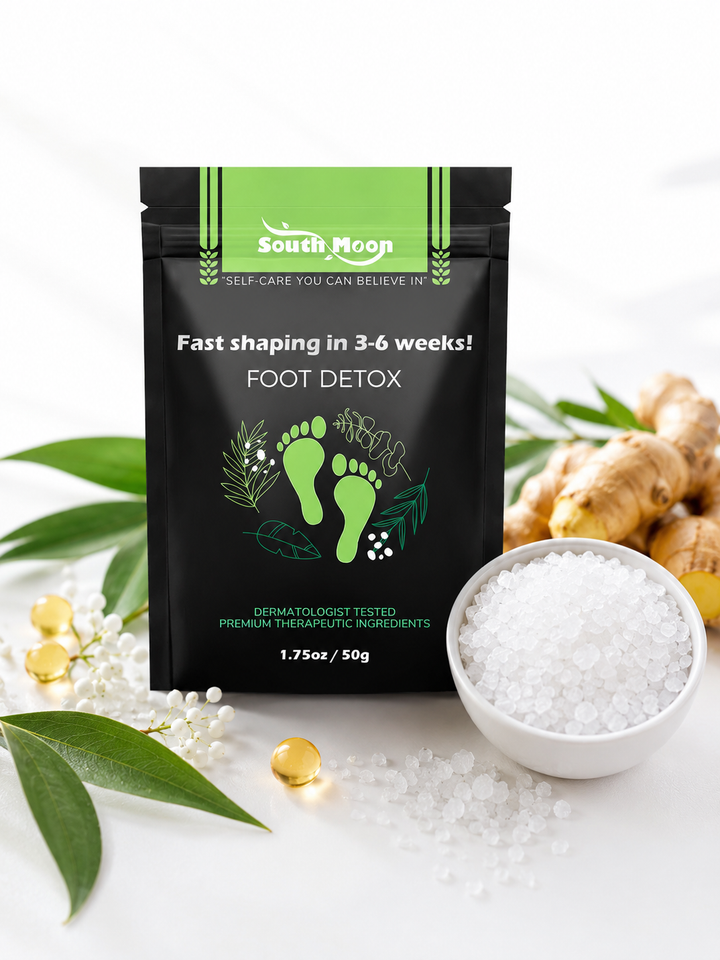


Bath salt can turn an ordinary bath or foot soak into a more relaxing, skin-focused routine. This category includes Epsom magnesium soaks, rose-infused salts, exfoliating blends, and foot bath salts, so choosing the right formula depends on your preferred texture, scent, and skincare goal.
Start with the experience you want from your bath salt. Choose an Epsom bath salt if you prefer a simple magnesium soak with a clean, mineral-based feel. Rose bath salts suit shoppers looking for a floral bathing ritual and a moisturized-skin finish. Exfoliating bath salts are designed for a more textured experience that helps lift surface flakes while you soak, but they should be used gently. If you mainly soak your feet, choose a foot bath salt rather than filling a full tub. Check the ingredient list for added fragrance, essential oils, colorants, and moisturizers, especially if your skin is sensitive. When comparing bath salts online, also review the package size, directions, and whether the product is intended for a bath, foot basin, or both.
Epsom salt is a specific type of bath salt made with magnesium sulfate, while the broader term bath salts can include sea salt, Himalayan mineral salts, scented blends, and exfoliating formulas. Epsom bath salt is typically chosen for a straightforward mineral soak. Himalayan-style or mineral blends appeal to shoppers who want a distinctive grain, color, or bathing presentation. Rose bath salts add a floral scent and spa-inspired feel. Exfoliating bath salts contain grains intended to be used with light pressure on damp skin, either during a bath or as a brief body scrub. Foot bath salts are made for a basin or footbath. Comparing these types helps you decide whether you want soaking, fragrance, surface exfoliation, or a targeted foot-care routine.
Look for clear labeling that explains the salt type, intended use, ingredients, and basic directions. A product described as pure magnesium soak may be a good match if you want an uncomplicated Epsom salt bath. For skin-focused use, check whether the formula includes exfoliating grains or moisturizing ingredients, and avoid assuming that every mineral blend will feel the same. Fragrance is another important choice: rose and other scented bath salts can make the bath feel more relaxing, while unscented options may be preferable if you dislike strong aromas. Consider grain size too. Coarse crystals dissolve differently from fine salts and may feel rougher if rubbed directly on skin. Read the listing carefully when shopping for bath salt online, at a local store, or through an Amazon or Target search.
Fill the tub with comfortably warm water, then follow the product directions for the recommended amount of bath salt. Add the salts under running water or swirl them through the bath until they dissolve as directed. Soak for the time stated on the label, and avoid using exfoliating salts aggressively on the skin. If you use an exfoliating formula, gently massage a small amount over wet skin and rinse it away rather than scrubbing hard. Keep salts away from your eyes and stop if the product causes stinging or irritation. Rinse the tub after use if crystals, oils, petals, or color remain. You can shower afterward if you prefer to remove fragrance, residue, or exfoliating particles, but it is not automatically required.
Do not assume that more salt produces a better result; use the amount stated on the packaging. Avoid soaking in water that feels uncomfortably hot, and take care when entering or leaving a tub because oils and salts can make surfaces slippery. Do not use a fragranced or exfoliating blend on irritated, broken, or freshly shaved skin. Keep bath salt out of your eyes, and rinse off if discomfort develops. Exfoliating salts are not meant to be scrubbed forcefully or used repeatedly without following the product directions. Store the container sealed and dry so moisture does not harden the crystals. If you feel dizzy, nauseated, unusually weak, or otherwise unwell during a soak, leave the bath, cool down, and seek appropriate advice if symptoms continue.
Bath salts can suit adults who enjoy warm baths, mineral soaks, scented bathing products, or gentle body exfoliation. Choose a foot bath salt if a basin is more practical than a full bath. Rose and other fragranced formulas may appeal to shoppers creating a spa-style routine, while Epsom salt is a simpler option for those who prefer fewer added ingredients. Exfoliating products may suit people who want to smooth the feel of dry surface skin, provided they use light pressure and follow the label. Check the ingredients before use if you have sensitive skin or react to fragrance. Children, pregnant shoppers, and anyone with a health condition should follow advice from a qualified healthcare professional and the product label rather than relying on general bath salt guidance.
Bath salt is added to bathwater or a foot soak to create a mineral, scented, or exfoliating bathing experience. Depending on the formula, it may be chosen for soaking, fragrance, or gently smoothing the feel of surface skin. Follow the product directions for the intended use.
Epsom salt is one type of bath salt, made from magnesium sulfate. Bath salts is a broader category that can also include sea salt, Himalayan mineral salts, fragrance, rose blends, and exfoliating ingredients. Compare the ingredient list rather than assuming every bath salt is Epsom salt.
Dissolved salt changes the feel of the bathwater and can provide a mineral soak. Added fragrance, oils, or exfoliating grains may create a different bathing experience depending on the formula. Bath salt is not a substitute for medical treatment, and directions should be followed carefully.
Not always. You may want to shower afterward to remove fragrance, oils, or exfoliating particles, especially if your skin feels coated. If you do not rinse, dry your skin gently and follow the product directions.
Feeling dizzy, nauseated, weak, overheated, or otherwise unwell may be related to the heat, dehydration, standing up quickly, or individual sensitivity rather than the salt alone. Leave the bath, cool down, drink fluids if appropriate, and avoid another soak until you feel normal. Seek medical advice if symptoms are severe, unusual, or do not improve.
For most people, showering only once a week may not adequately remove sweat, oils, dirt, and product residue, although washing needs vary by activity, skin type, and personal circumstances. Bath salts do not replace regular cleansing. Follow your healthcare professional's advice if you have a skin condition or specific hygiene needs.