$199.90
Free delivery · 7–14 days
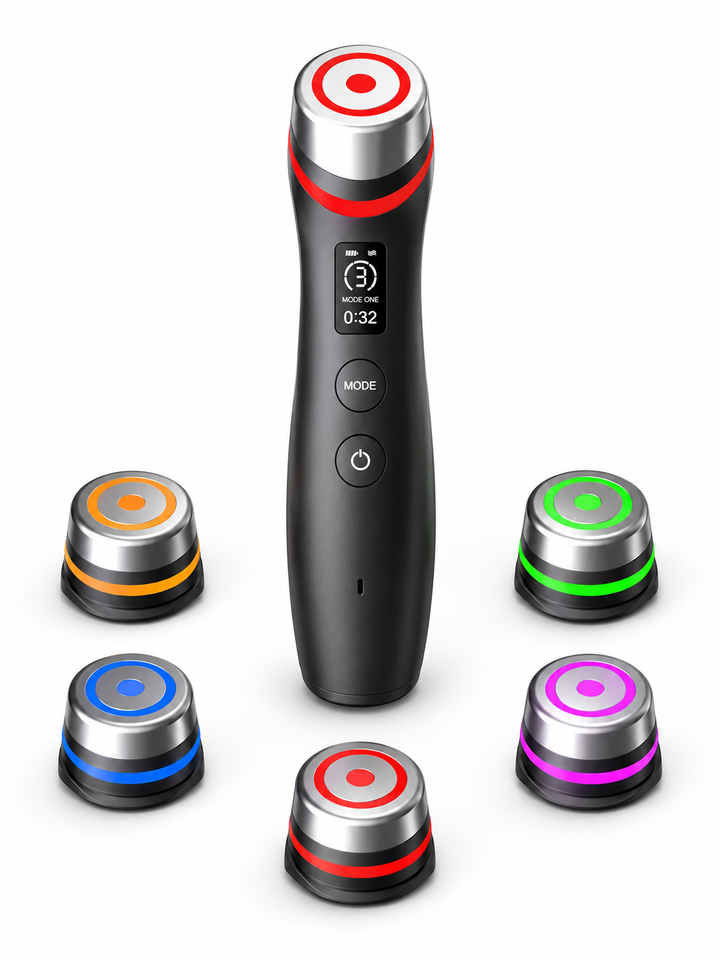
6-in-1 LED Microcurrent Skin Rejuvenation Beauty Device




Shop acne-focused skincare and tools by matching the product to your skin concern, routine, and comfort level. This category includes targeted creams, an exfoliating toner, and a beauty device; some listed items are for other uses and should not be chosen for face acne.
Start by identifying what you want to address: clogged pores, visible blemishes, uneven-looking tone, or post-blemish marks. The Cystic Acne Cream with salicylic acid is positioned for clogged pores, while the Azelaic Acid Acne Cream is suited to shoppers seeking a smoother-looking, more even skin tone. A 7% Glycolic Acid Toner offers exfoliating care, but it may not suit every routine or skin type. Choose one targeted product first rather than layering several strong formulas at once. Check the full ingredient list, follow the label directions, and patch test when appropriate. If you are comparing acne products online, focus on the active ingredients and intended use rather than promises of instant results.
Searches for acne types and 7 types of acne images often refer to different-looking blemishes, such as blackheads, whiteheads, small raised spots, pus-filled spots, deeper tender lumps, and post-blemish marks. Appearance alone cannot confirm what a spot is, and online pictures are not a diagnosis. For a simple shopping decision, products aimed at clogged pores are different from products chosen for the look of uneven tone after blemishes. Salicylic acid and glycolic acid products are exfoliating options, while azelaic acid is selected by shoppers seeking tone and texture care. Avoid treating every facial bump as acne; irritation, shaving-related bumps, or other concerns may need different care. Ask a qualified healthcare professional if spots are painful, persistent, or worsening.
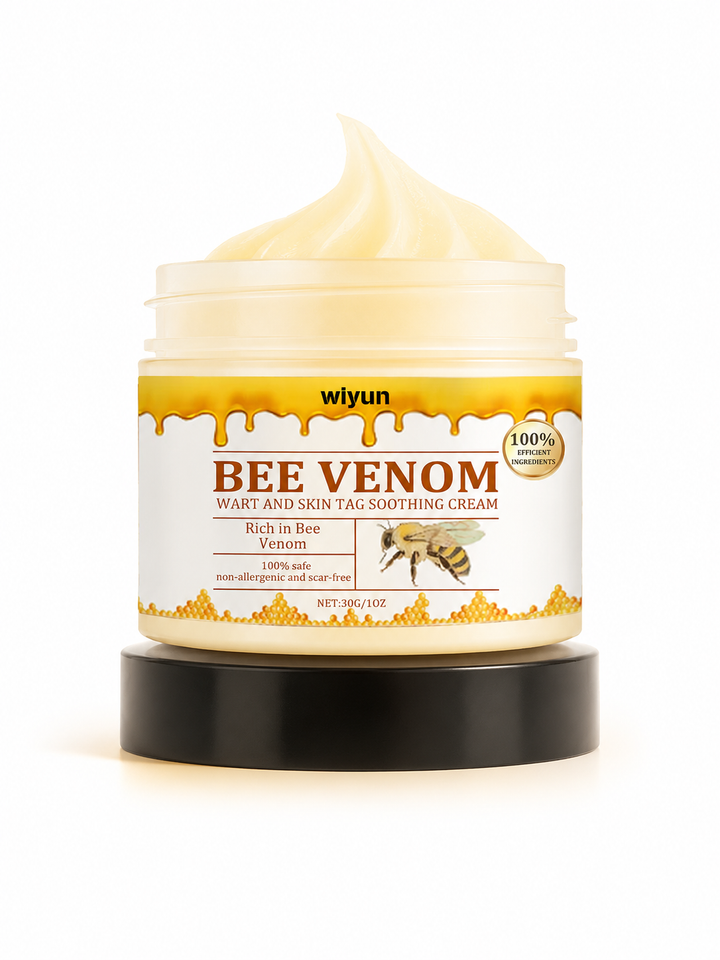
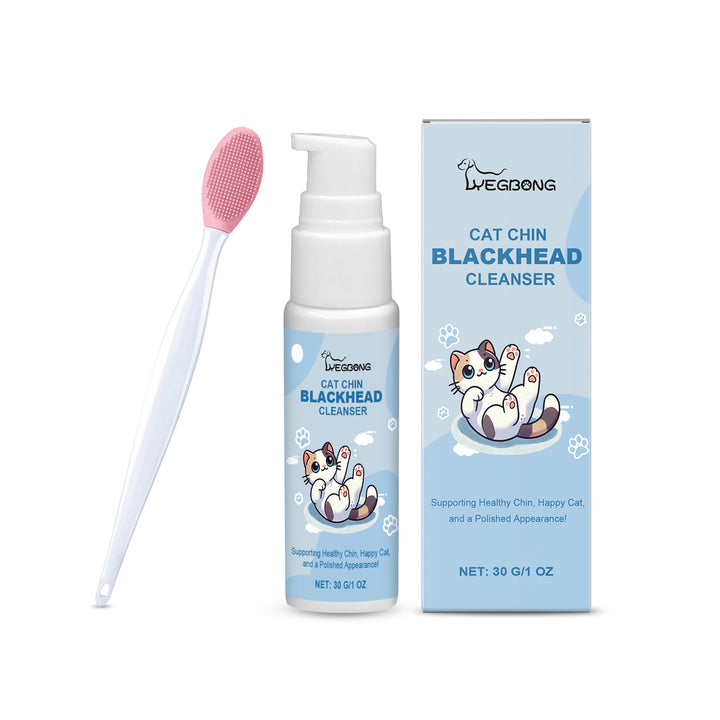
Look for a clearly stated active ingredient, concentration, and usage guidance. The category includes a salicylic acid cream for clogged pores, a 7% glycolic acid toner for smoother-looking skin, and an azelaic acid cream for clearer-looking tone and texture. Consider the product format too: a cream can be easier to apply to selected areas, while toner is spread across clean skin according to its directions. Avoid choosing based only on phrases such as fast, powerful, or scar-free. The Wiyun Beesvenom Creme is marketed for wart removal, not ordinary face acne, so it is not an automatic substitute for acne care. Likewise, car care products and the pet chin cleanser are not intended for human facial skin.
Begin with clean, dry skin and use one new acne-focused product at a time. Apply the Cystic Acne Cream, glycolic acid toner, or azelaic acid cream exactly as directed on its packaging; do not assume that using more will work faster. Avoid applying multiple exfoliating products to the same area unless the instructions or a professional specifically support that routine. Use gentle cleansing, avoid scrubbing, and protect exposed skin from sunlight with suitable daytime protection. Stop if you develop marked burning, swelling, or a persistent rash, and seek professional advice if symptoms continue. The LED microcurrent beauty device should be used only according to its own instructions and should not be treated as a replacement for targeted acne skincare.
A common mistake is popping a pimple, which can increase irritation and may make the area look worse. Another is switching products every few days, making it difficult to know what your skin tolerates. Do not use car scratch repair fluid or spray, pet grooming cleanser, or wart-removal products on face acne; their intended uses are unrelated to facial skincare. Avoid applying glycolic acid toner and other exfoliating formulas to broken or freshly picked skin. Do not scrub hard, combine several active products immediately, or follow online acne pictures as if they were a diagnosis. Keep product applicators clean, follow storage instructions, and ask a pharmacist or healthcare professional for guidance when acne is deep, painful, widespread, or leaving lasting marks.
These products may suit adults who want a focused addition to a simple skincare routine for the appearance of clogged pores, blemishes, uneven-looking tone, or rough texture. They are not interchangeable: salicylic acid cream is positioned for clogged pores, glycolic acid toner for exfoliating care, and azelaic acid cream for a clearer-looking, more even complexion. People with sensitive skin, a damaged skin barrier, allergies, or an existing treatment plan should review ingredients with a qualified professional before use. Introduce products gradually and patch test when appropriate. If you are shopping for a teenager, pregnant, breastfeeding, or someone with persistent or painful acne, product selection should be discussed with a healthcare professional rather than based only on the category label.
Acne can involve clogged pores, oil, skin-cell buildup, inflammation, and changes influenced by hormones, genetics, or products. There is not one single cause for everyone, so a persistent or severe concern is best assessed by a qualified healthcare professional.
There is no reliable instant solution that removes every blemish quickly. Targeted ingredients such as salicylic acid, glycolic acid, or azelaic acid may be chosen for different skincare goals, but they should be used as directed and may not suit every person.
You cannot safely remove every blemish by squeezing it. Use a gentle routine and select one suitable, targeted product, such as the category's salicylic acid, glycolic acid, or azelaic acid option, according to its label. Seek professional advice for persistent, painful, or worsening acne.
Pimples are one type of spot that can appear as part of acne. Acne is a broader skin concern that can include clogged pores and several kinds of blemishes, so the terms are related but not identical.
It is generally better not to pop a pimple because squeezing can increase irritation and may worsen its appearance. Keep the area clean, avoid picking, and ask a healthcare professional for advice if the spot is deep, painful, or recurring.
Stage 4 acne is not a single, universally used classification across all skincare or medical settings. People may use the phrase to describe severe or widespread acne, but severity should be assessed by a qualified healthcare professional rather than judged from online types of acne pictures.