
$59.90
Free delivery · 7–14 days
Logic Puzzle Card Game for Screen-Free Early Learning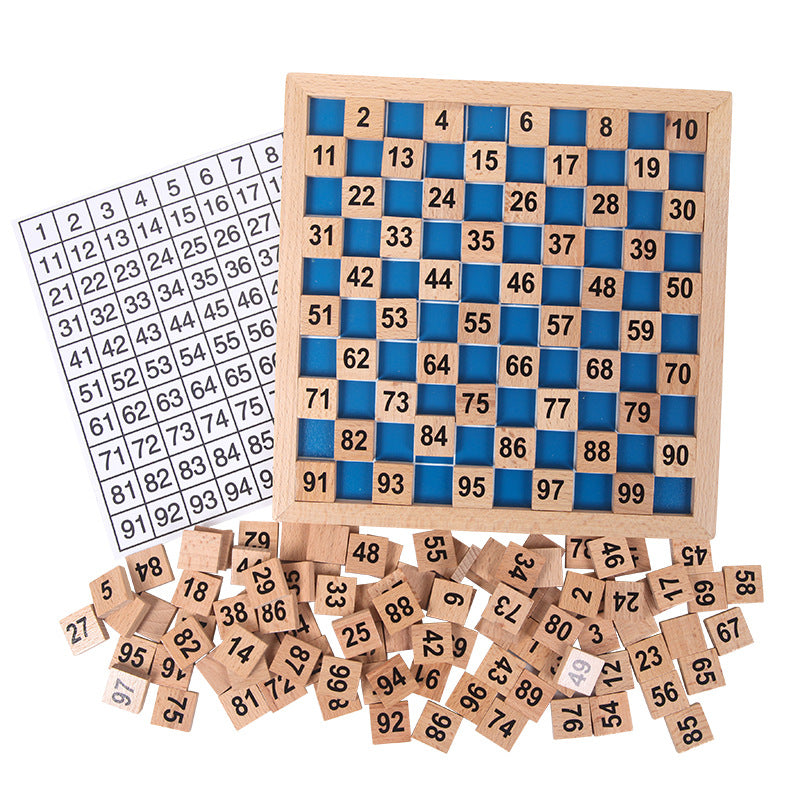
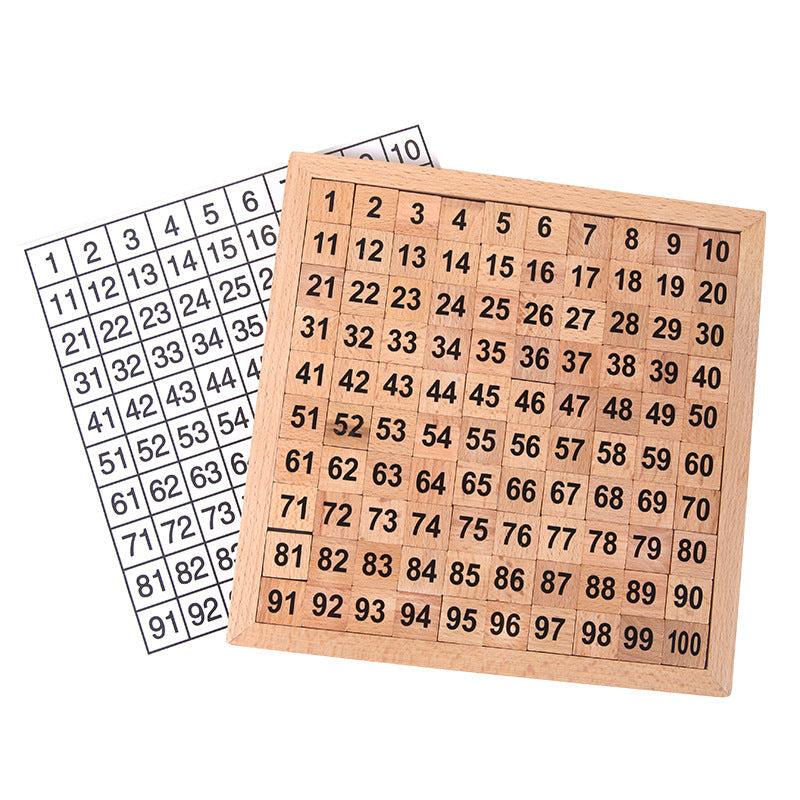
Turn scattered number practice into a visible, satisfying win. This wooden hundred-number board gives preschool and early-primary learners a screen-free way to recognize, sort, and sequence numerals…
Read the full descriptionTurn scattered number practice into a visible, satisfying win. This wooden hundred-number board gives preschool and early-primary learners a screen-free way to recognize, sort, and sequence numerals…
Hands-on 1-to-100 number sorting and sequencing practice for early learners
When counting feels confusing, children can physically sort, check, and complete the 1-to-100 sequence. Repeated hands-on play turns abstract numbers into a clear, satisfying pattern.

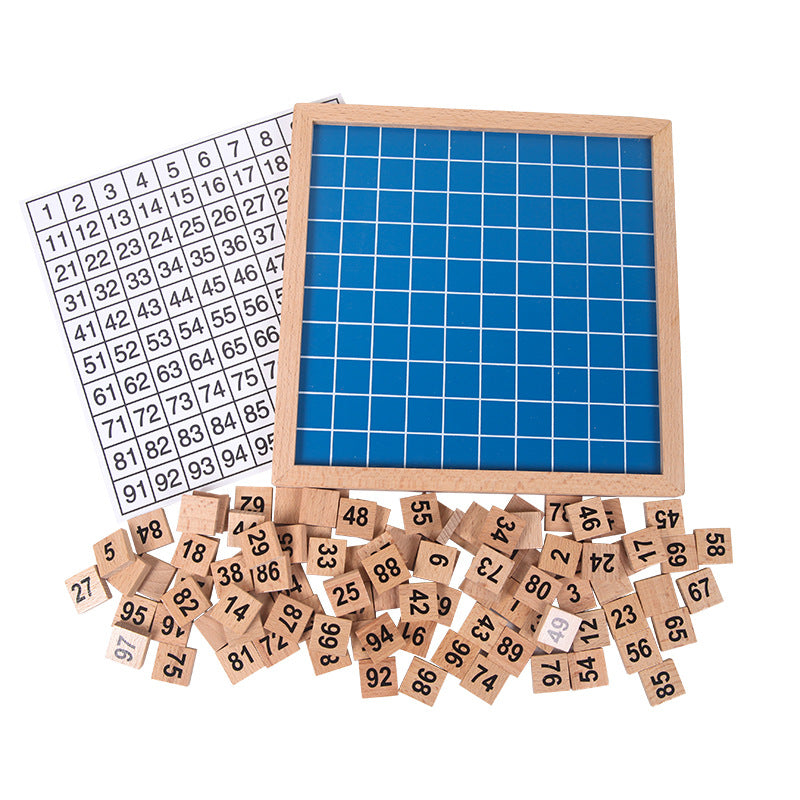
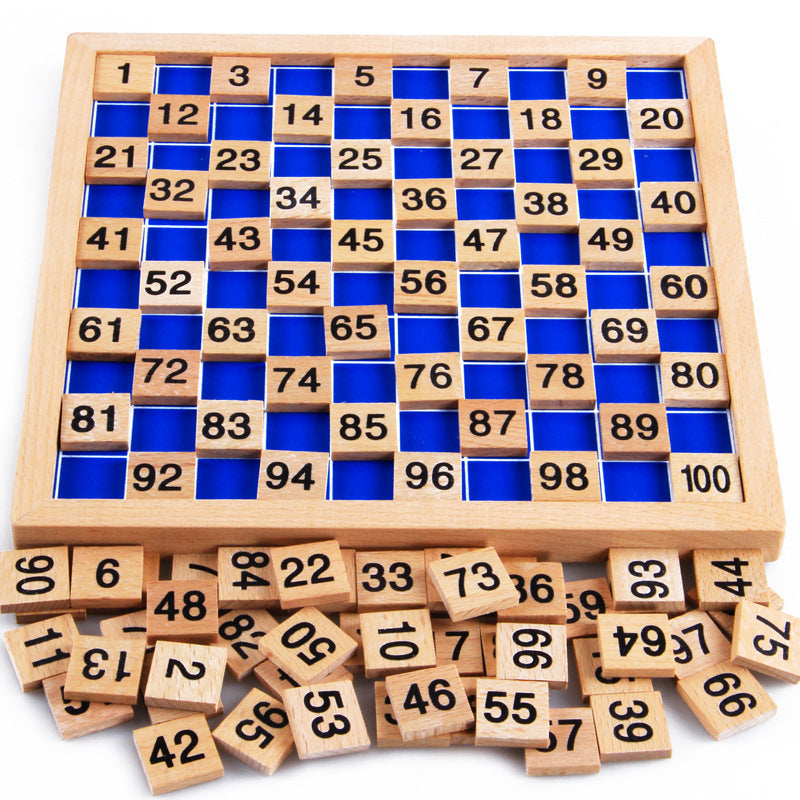
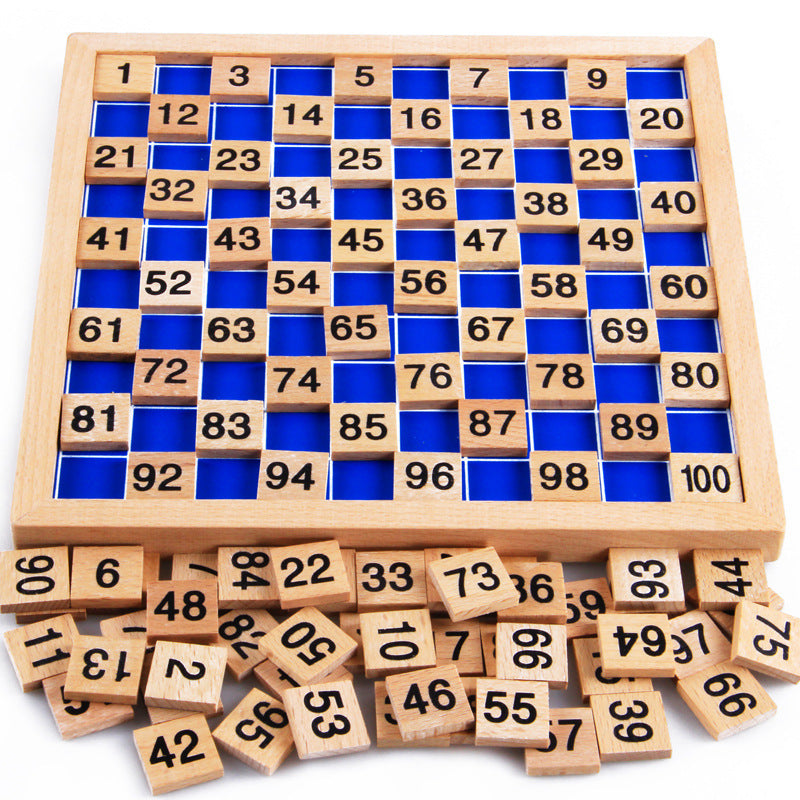
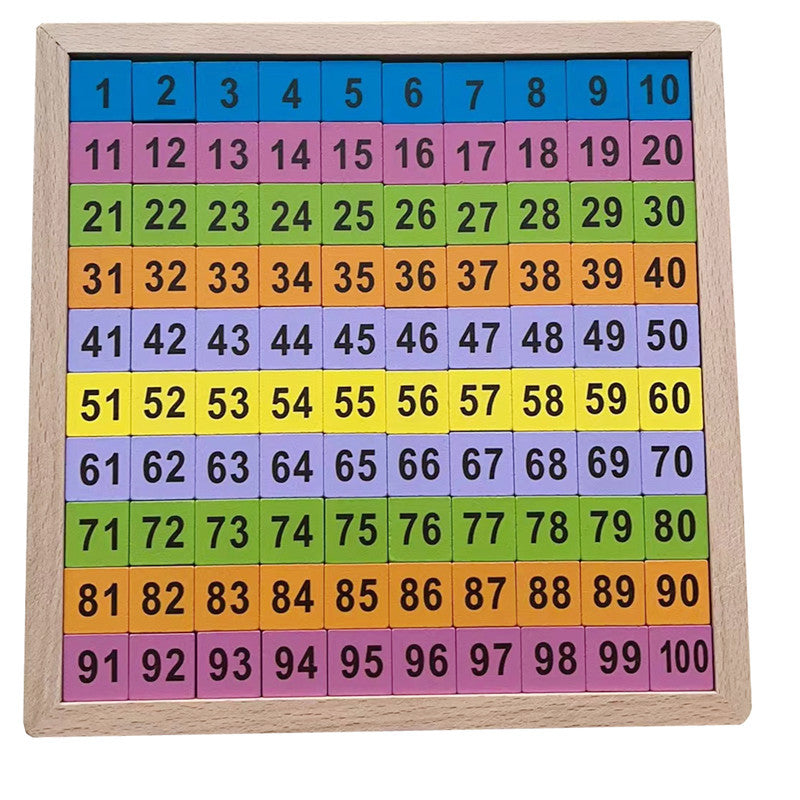
The blue gridded learning surface gives each numeral a clear place, helping children see sequence instead of holding the whole pattern in memory.

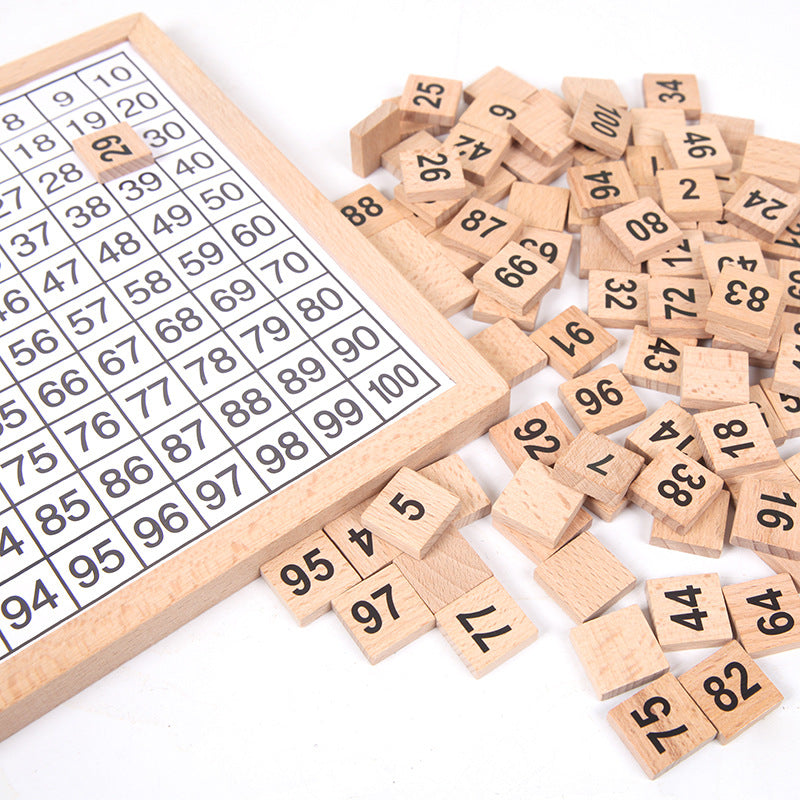
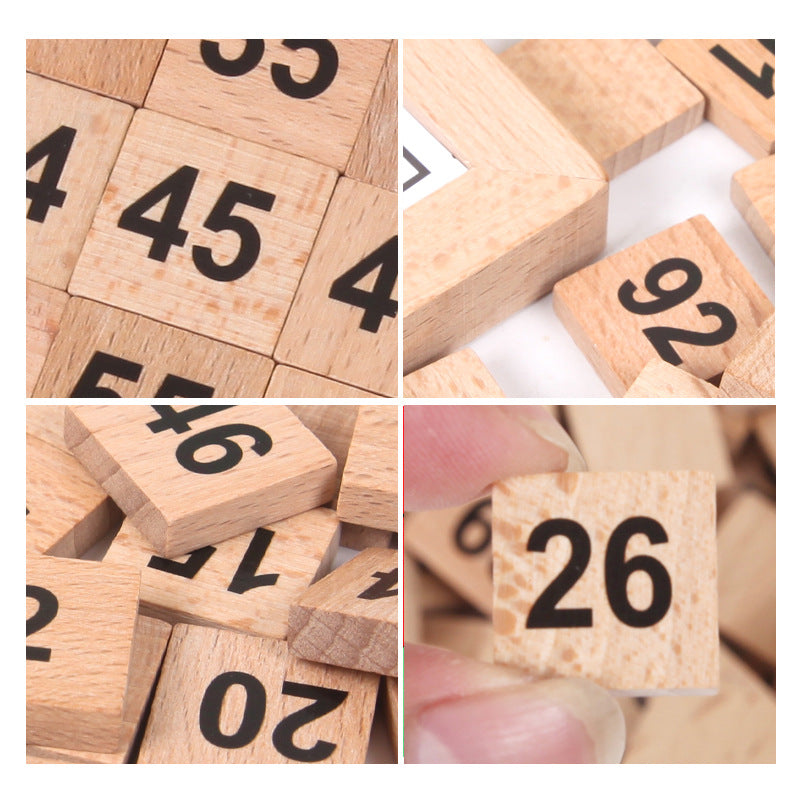
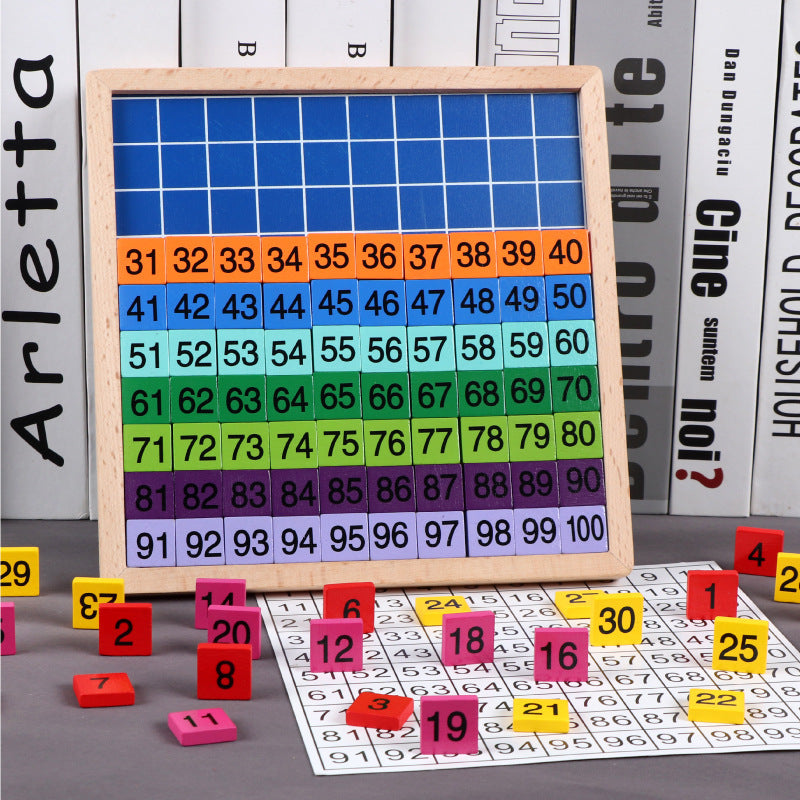
Removable wooden tiles turn number recognition into an active sorting task, giving children repeated practice through movement and correction.

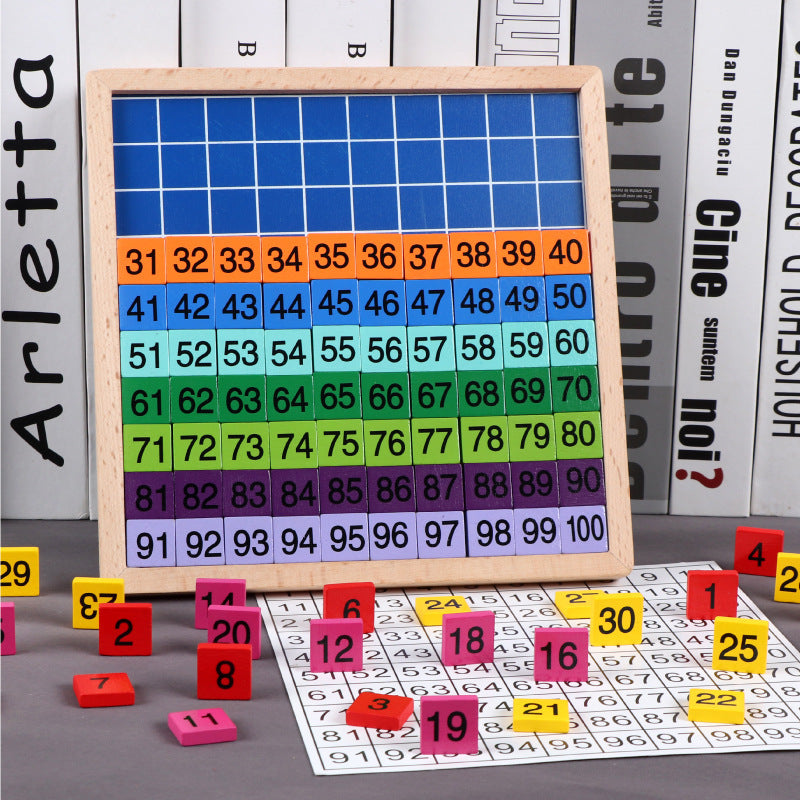
The printed number reference chart gives parents and children a simple visual aid for guided practice and gradual independent checking.
The framed wooden construction creates an organized activity that can come back to the table at home, in a classroom, or as a thoughtful learning gift.
Spread out a small group of tiles and ask your child to name the numerals they already know. Keep the first round light and manageable.
Mix the tiles and invite your child to place them into the grid from low to high. Ask what comes before or after instead of correcting every move.
Use the reference chart to compare the finished section. When the pattern feels comfortable, add more tiles or work toward the complete board.
Framed blue grid for placing the sequence.
Loose tiles printed with numerals from 1 to 100.
Visual guide for parent-led or independent checking.
A child can recognize individual numerals and still lose their place when numbers appear in a row. Skipped spaces, reversed order, and frequent corrections make practice feel harder than it needs to be.
The framed blue grid gives each numeral a physical place. Children can sort the loose wooden tiles, move them through the pattern, and see exactly where the sequence needs attention.
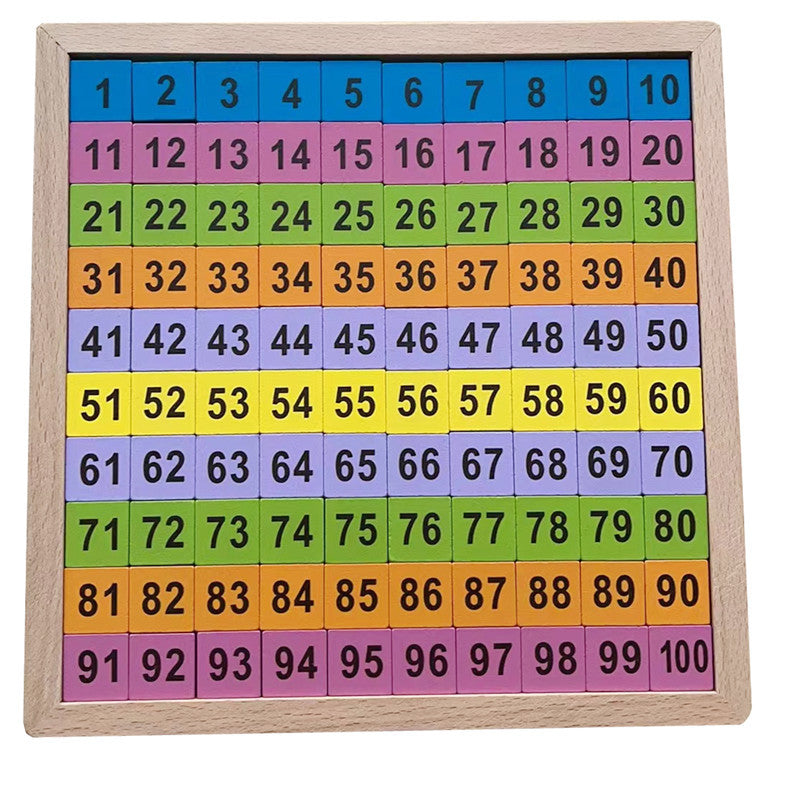
The finished board makes progress visible. With the reference chart nearby, children can check more of their own work and feel the pride of completing a sequence instead of waiting for an adult to correct every step.
| Wooden board | Worksheets | Number apps | |
|---|---|---|---|
| Physical tile placement | Yes | No | No |
| Visible sequence on a grid | Yes | Partial | Partial |
| Screen-free practice | Yes | Yes | No |
| Self-checking reference | Yes | Partial | Yes |
| Reusable activity | Yes | Partial | Yes |
Yes, it suits preschool and early-primary learners working on number recognition, counting, and sequencing. Start with a smaller range for a younger or less confident child, then build toward the full board.
Yes. Children handle printed numerals while naming them, sorting them, and placing them in sequence. The board connects recognition with a visible order rather than relying on memorization alone.
The set includes one wooden hundred-number board, a set of loose numbered wooden tiles from 1 to 100, and one printed number reference chart.
Flashcards and worksheets ask children to look and respond. This board adds physical placement, a structured grid, and a visible finish line. That makes it a reusable learning tool rather than a one-page practice task.
Yes, the removable tiles are loose by design so children can sort and place them. Keep them together in one dedicated container after play, especially in a classroom or busy family space.
Yes. The printed chart gives children a clear visual comparison when they are unsure. Younger learners may need prompts at first, while older or more confident children can check larger sections independently.


 Wooden Hundred Number Board for Early Math Learning