
$64.90
Free delivery · 7–14 days
Kids Digital Camera 1080P with Games for Young Creators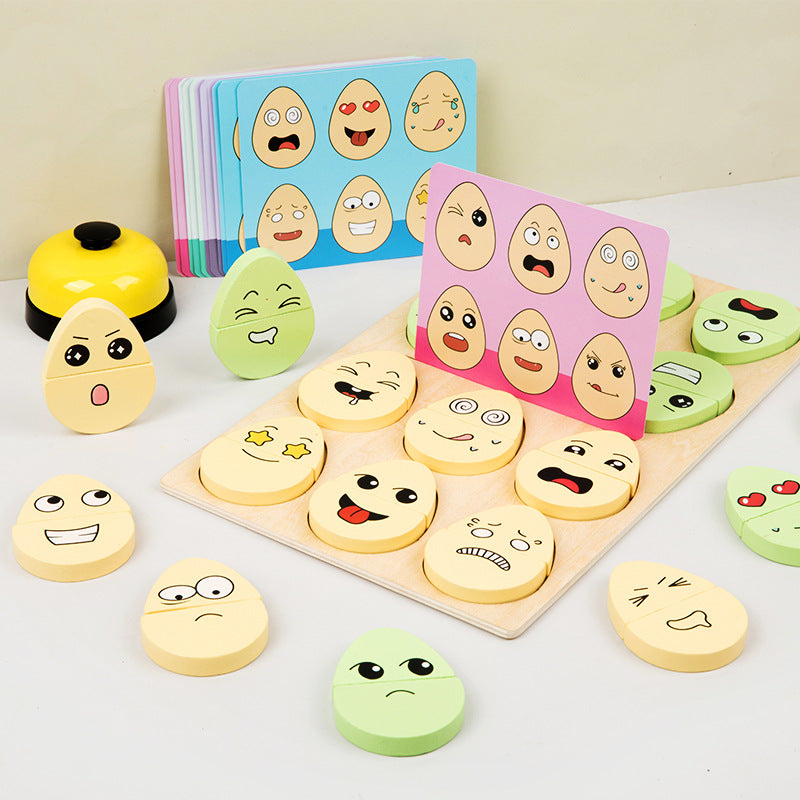
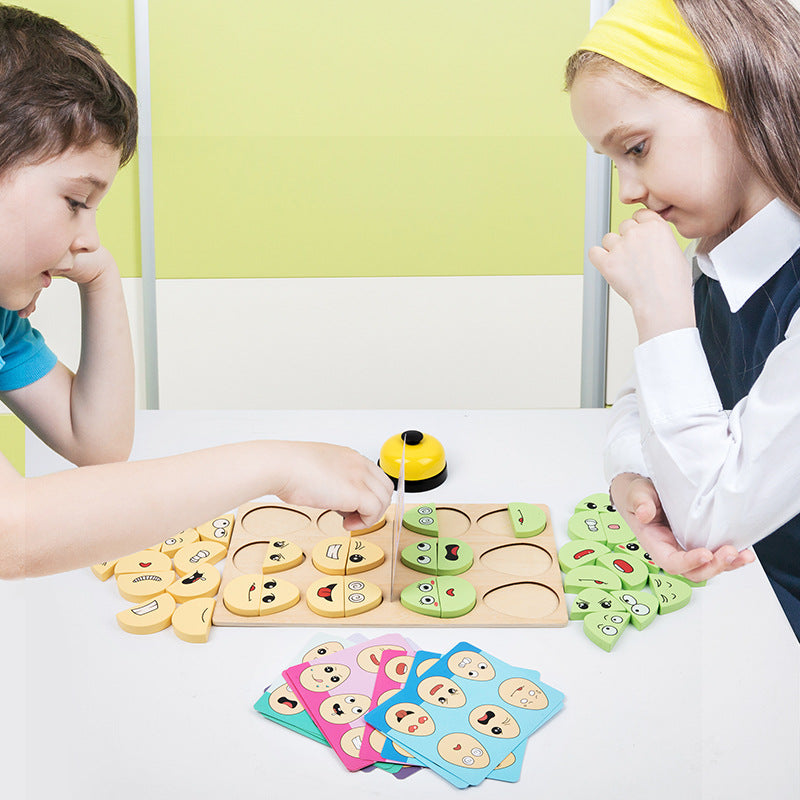
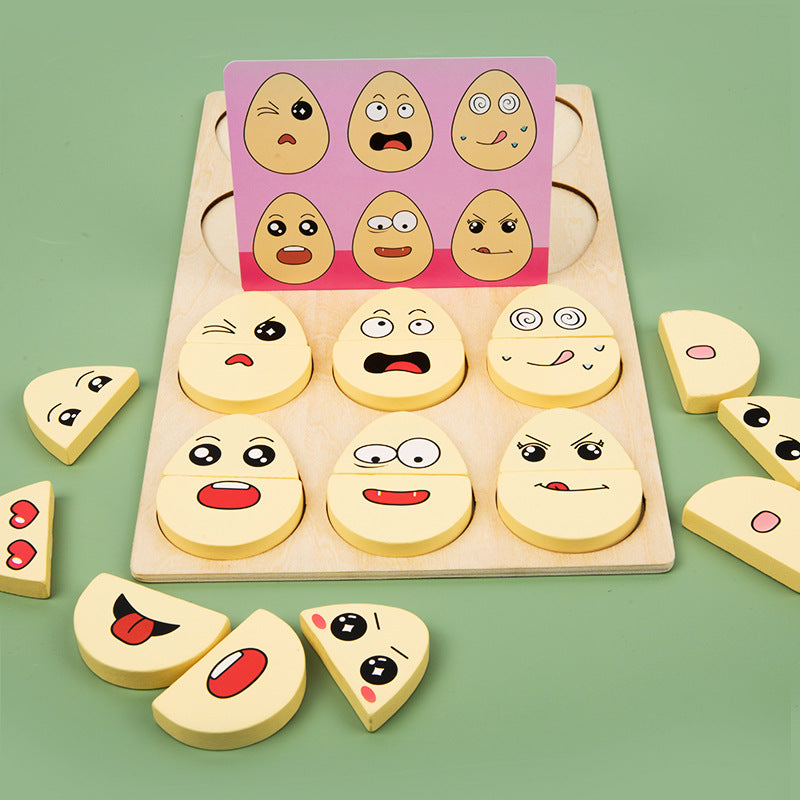


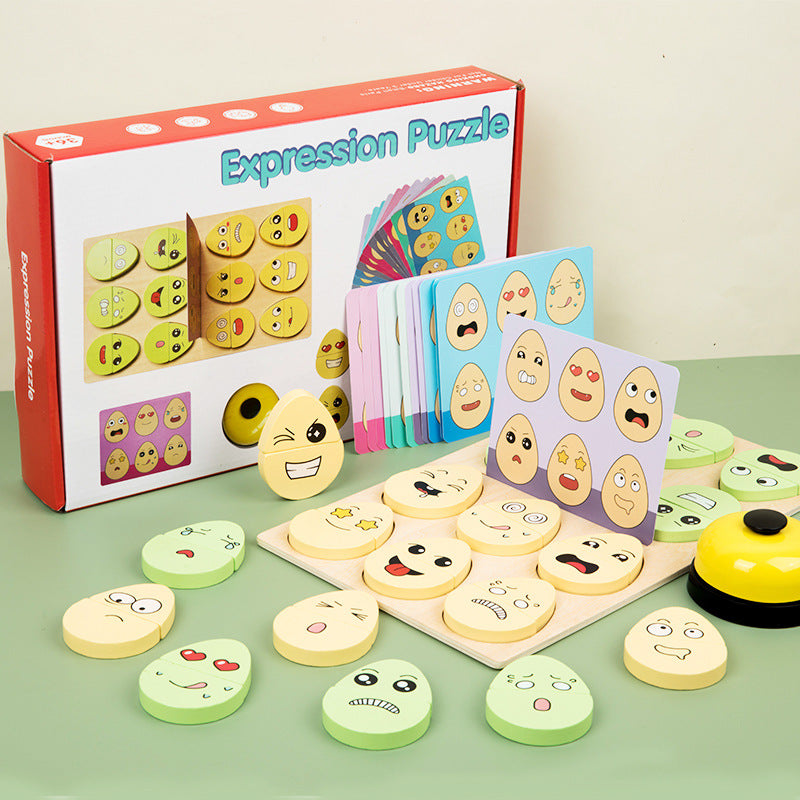
Make feelings easier to notice, name, and discuss through a colorful tabletop game children want to play again.
Read the full descriptionMake feelings easier to notice, name, and discuss through a colorful tabletop game children want to play again.
Fun hands-on expression matching that turns emotional learning into an interactive two-player game
Turn facial-expression practice into a lively, screen-free game. Children match colorful pieces, build recognition skills, and enjoy playing together.

Interchangeable facial-expression pieces and illustrated challenge cards give children concrete visual practice matching what they see.

The board and yellow tabletop bell create a simple shared structure for taking turns, reacting, and celebrating together.

Smooth painted wooden pieces and a polished inset board make the activity feel more substantial than a disposable worksheet.

Loose pieces and challenge cards make it practical for classrooms, playdates, family tables, and indoor learning sessions.
Place an illustrated card where everyone can see it and invite children to study the expression.
Players look through the colorful expression pieces and choose the face that matches the card.
Fit the chosen piece into the wooden board and talk about what the face might be feeling.
For a livelier round, two players can race to complete the match and ring the yellow tabletop bell.
Polished inset board with spaces for the expression pieces.
Colorful interchangeable wooden faces for hands-on matching.
Visual prompts that guide each matching challenge.
Adds a clear, playful cue to two-player rounds.
Children do not learn emotional vocabulary from one serious conversation. They need relaxed, repeated moments to look closely at a face, make a guess, and hear an adult talk it through.
Colorful wooden faces turn that practice into an active challenge. Children study the illustrated card, find the expression, and place the piece into the board while an adult or friend joins the game.
Soon the table is full of concentration, laughter, and conversation. Children remember visual details, talk about expressions, and enjoy an activity that brings an adult or friend into the same shared moment.
| This wooden game | Worksheets | Feelings apps | |
|---|---|---|---|
| Hands-on wooden pieces | Yes | No | No |
| Face-to-face play | Yes | Partial | Partial |
| Screen-free activity | Yes | Yes | No |
| Built-in turn-taking | Yes | No | Partial |
| Conversation starter | Yes | Partial | Partial |
| Reusable family activity | Yes | Partial | Partial |
It suits preschool and early-primary children, approximately ages 3-7. Younger children can focus on noticing and matching faces, while older children can name feelings and discuss situations.
One child can practice matching with an adult nearby, but the bell and color-coded play pieces make the strongest experience a shared two-player round.
The set includes a wooden game board, expression matching pieces, illustrated expression cards, and a yellow tabletop bell. Together they create the full matching and challenge experience.
The pieces have a smooth painted wooden finish with rounded forms, and the board is polished wood. Adult supervision is still important because the set contains loose pieces.
Flashcards can prompt recognition, but this set adds hands-on placement, turn-taking, and a shared bell moment. It also keeps the activity screen-free, which makes it easier to turn practice into face-to-face conversation.
Keep all pieces and cards together in a small lidded box, basket, or drawer near the board. A dedicated storage spot makes setup quicker and prevents pieces from getting scattered.


 Wooden Emotion Matching Game for Preschool Children Set