
$37.90
Free delivery · 7–14 days
Building Block Flower Bouquet – Everlasting Home Decor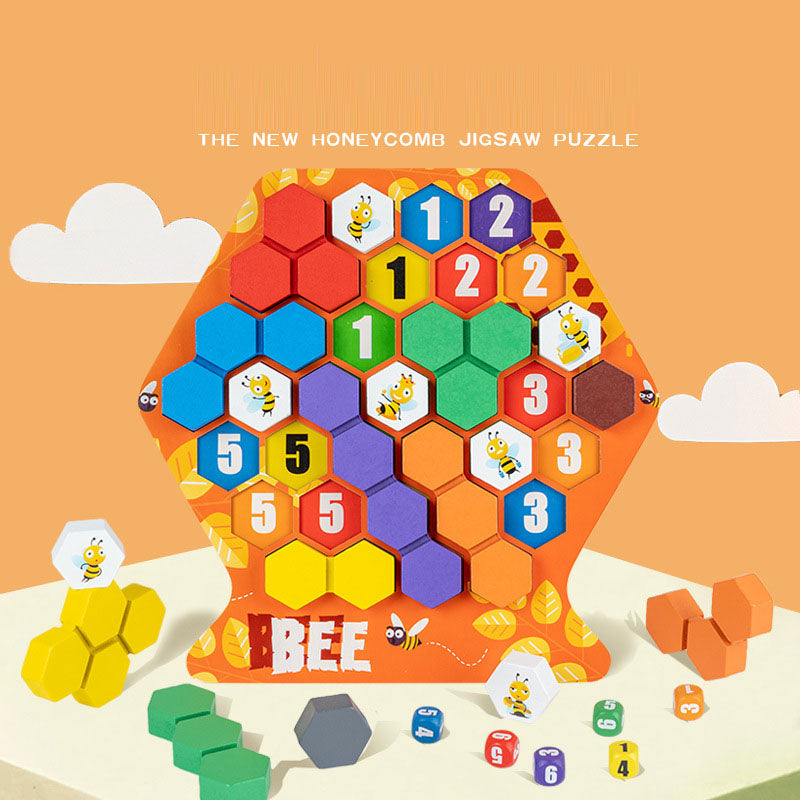
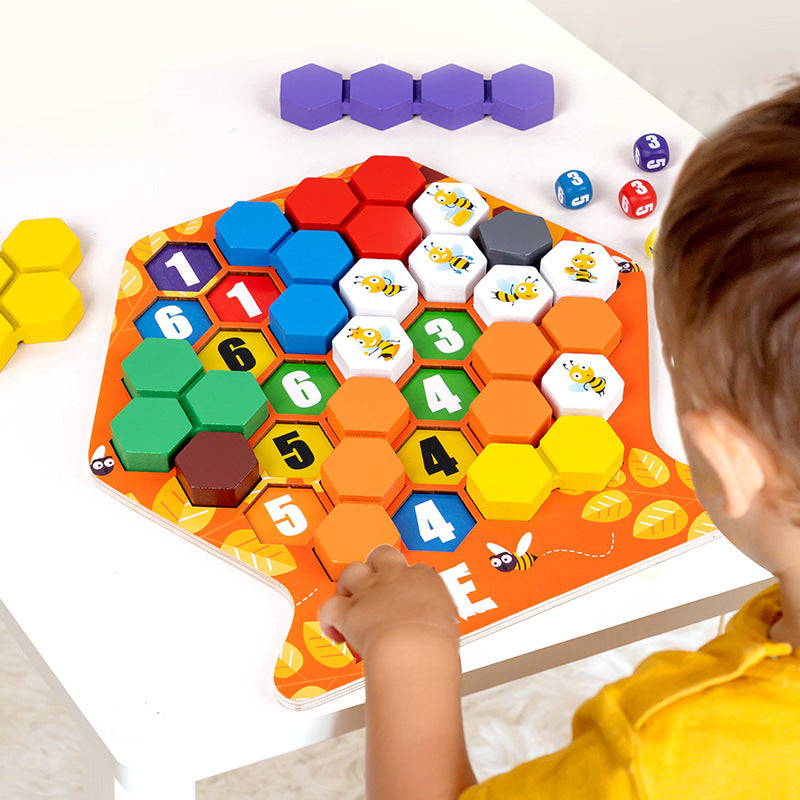
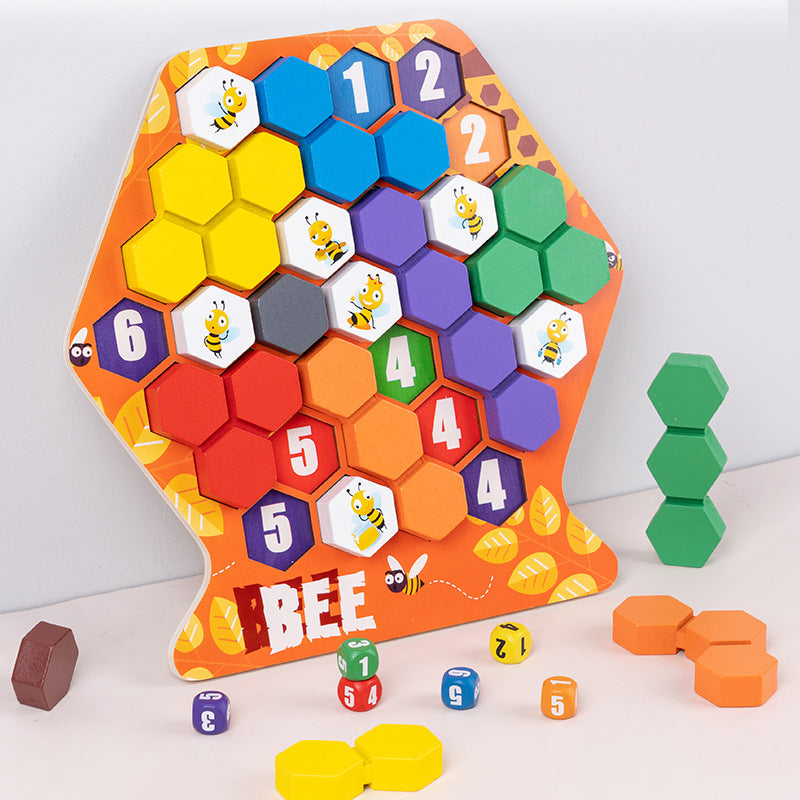
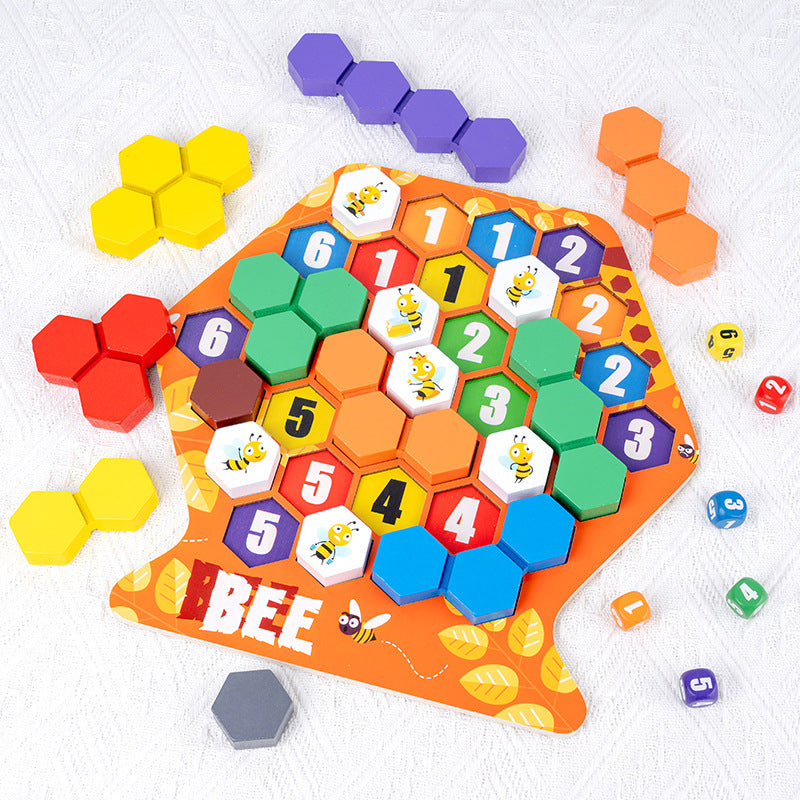
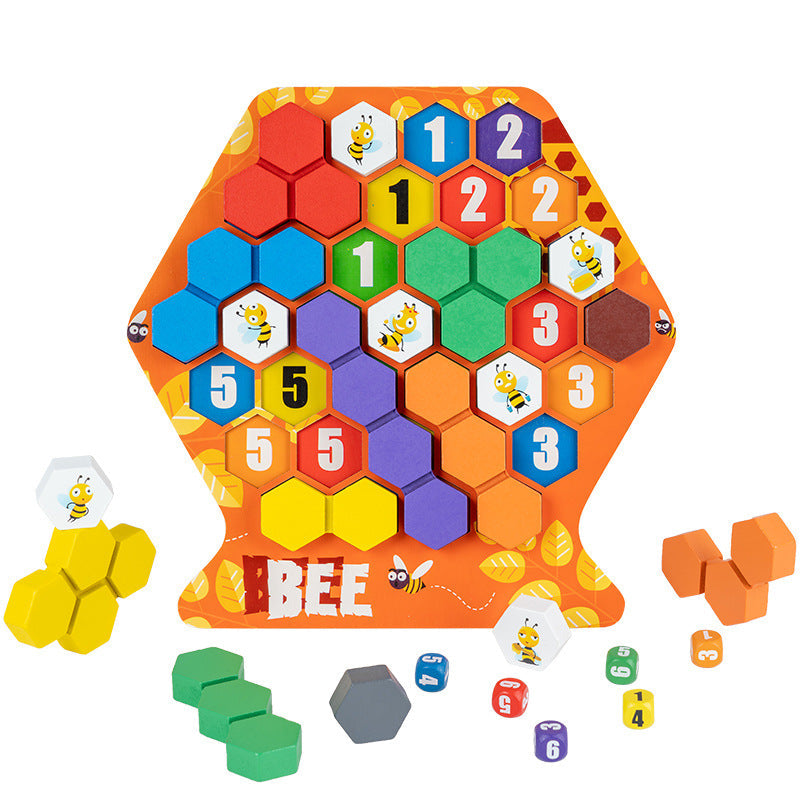
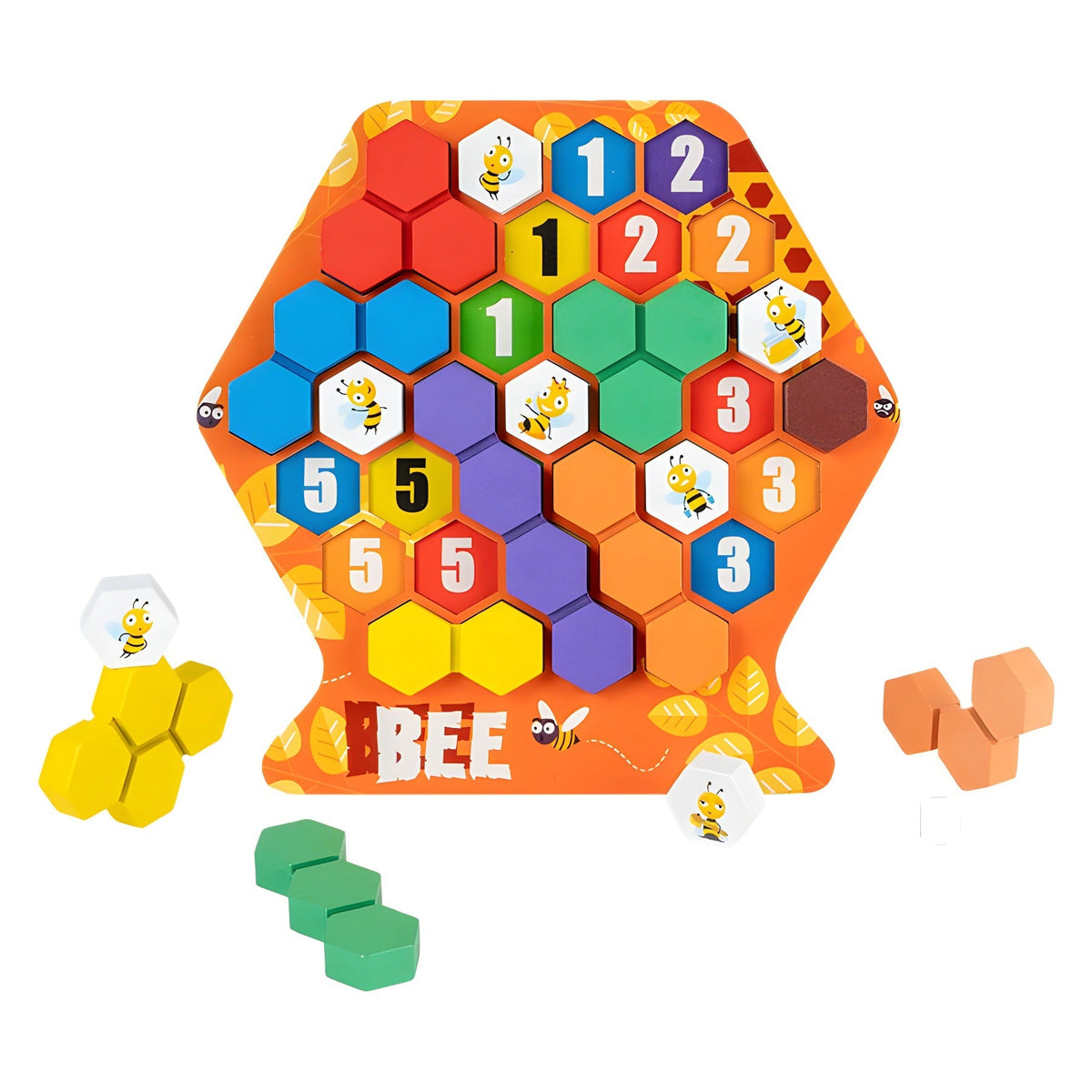
Turn screen-free time into focused discovery with a colorful honeycomb puzzle that gives children a satisfying way to build, match, and think with their hands.
Read the full descriptionTurn screen-free time into focused discovery with a colorful honeycomb puzzle that gives children a satisfying way to build, match, and think with their hands.
Hands-on honeycomb puzzle play that builds spatial logic and concentration
When screens compete for attention, children can build, match, and think with their hands instead. Honeycomb play turns family time into purposeful spatial-learning fun.

Interlocking hexagonal pieces invite children to rotate, test, and arrange shapes directly on the honeycomb board. The challenge is physical and visible, so each new placement gives them something concrete to consider.

Bright molded colors, bee illustrations, and numbered tiles give children several visual cues to explore. They can start with simple color matching, then bring numbers and patterns into the game.

The board and mixed tile types support solo experimentation, caregiver guidance, and cooperative pattern-building. One child can choose a piece while another suggests where it might fit.
The honeycomb board, colored building blocks, numbered tiles, bee-illustrated tiles, and numbered tokens or dice create a cohesive activity from one box. It feels like a full game rather than a handful of loose blocks.
Place the board on a clear table and start with a few colors or shapes. Let the child handle the pieces and notice how they fit.
Invite the child to place, rotate, and move the hexagons across the honeycomb. There is no need to correct every choice.
Bring in numbered tiles, illustrated bee tiles, or tokens when the basic layout feels familiar. Use them for matching, sequencing, or a new building prompt.
Ask the child to describe the colors, numbers, or shapes they chose. The explanation becomes part of the play.
The shaped printed board gives every arrangement a clear home.
Molded hexagonal pieces for free building and pattern play.
Number markings add another visual cue for sorting and matching.
Bee-themed artwork makes the board inviting and easy to recognize.
Use them to guide the next color, number, or placement.
You are searching for an activity that keeps little hands busy without another screen or a pile of disconnected toys. Passive entertainment can fill the room while attention slips away.
The honeycomb board gives restless hands a clear place to begin. Children can choose a color, rotate a hexagon, and test an idea without needing a long set of rules.
Every completed section makes progress visible. Children test arrangements, compare colors and numbers, then explain the pattern they built with the satisfaction of having figured it out.
Keep the board ready for the next rainy afternoon, classroom rotation, or family game. The open-ended format gives different children room to sort, build, match, and invent at their own pace.
| Honeycomb Puzzle Game | Loose Blocks | Screen Activity | |
|---|---|---|---|
| Hands-on building | Yes | Yes | No |
| Shaped play surface | Yes | No | No |
| Numbered and illustrated elements | Yes | No | Partial |
| Open-ended arrangements | Yes | Yes | Partial |
| Shared family play | Yes | Partial | Partial |
It suits young children who enjoy sorting, matching, building, and visual challenges. Follow the product's stated age guidance, and begin with a small selection of pieces if the full set feels busy.
The set includes loose hexagonal pieces, tiles, and tokens. Younger children should play with adult supervision, and all pieces should be collected after use.
Both are possible. An adult can offer a simple color or shape prompt, while confident children can build freely without a fixed solution or lengthy rules.
Loose blocks provide freedom but no shaped challenge. Screen games provide quick stimulation but less physical interaction. This set combines a honeycomb board with interlocking pieces, numbered tiles, and bee illustrations for guided tactile play.
The five groups are the honeycomb game board, colored building blocks, numbered hexagonal tiles, bee-illustrated tiles, and numbered colored tokens or dice.
Yes. A teacher or caregiver can offer selected colors or tiles during centers, quiet work, or small-group sessions. Children can describe their choices while they build.


 Honeycomb Puzzle Game for Spatial Logic and Focus Skills