
$49.90
Free delivery · 7–14 days
Wooden Threading Toy for Preschool Fine Motor Skills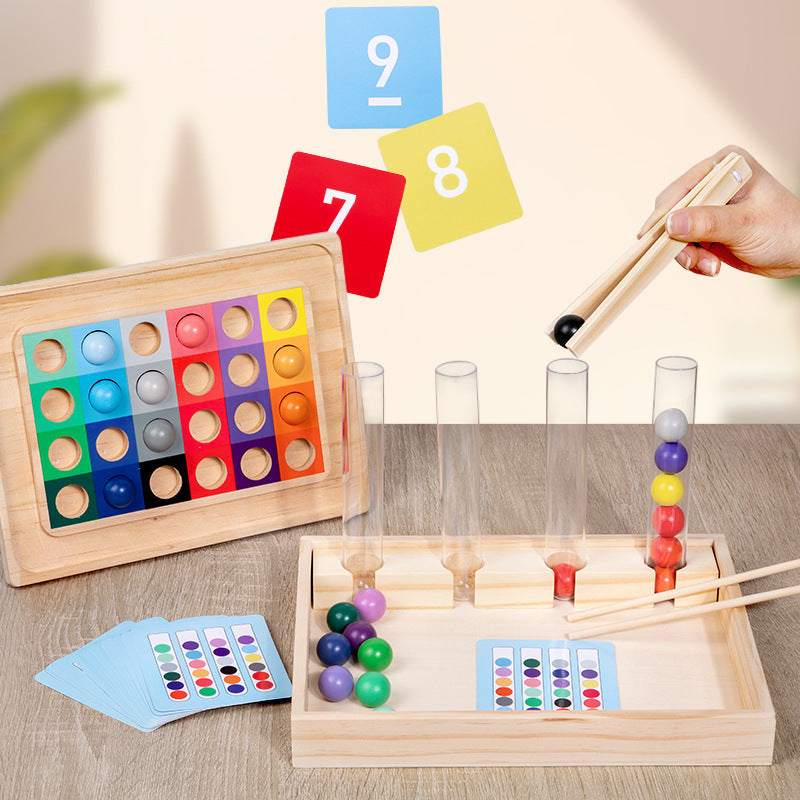
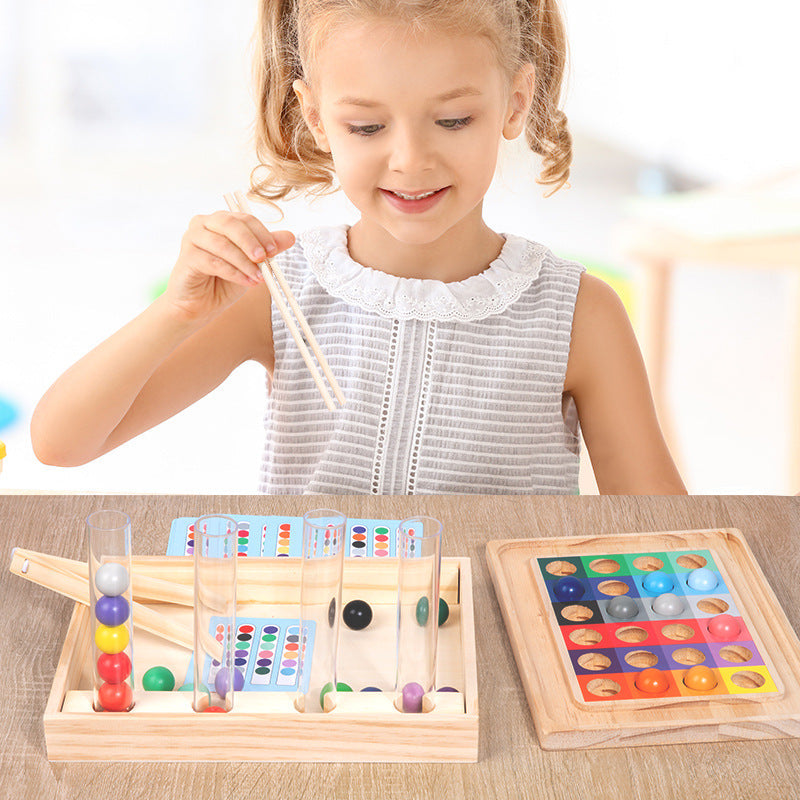
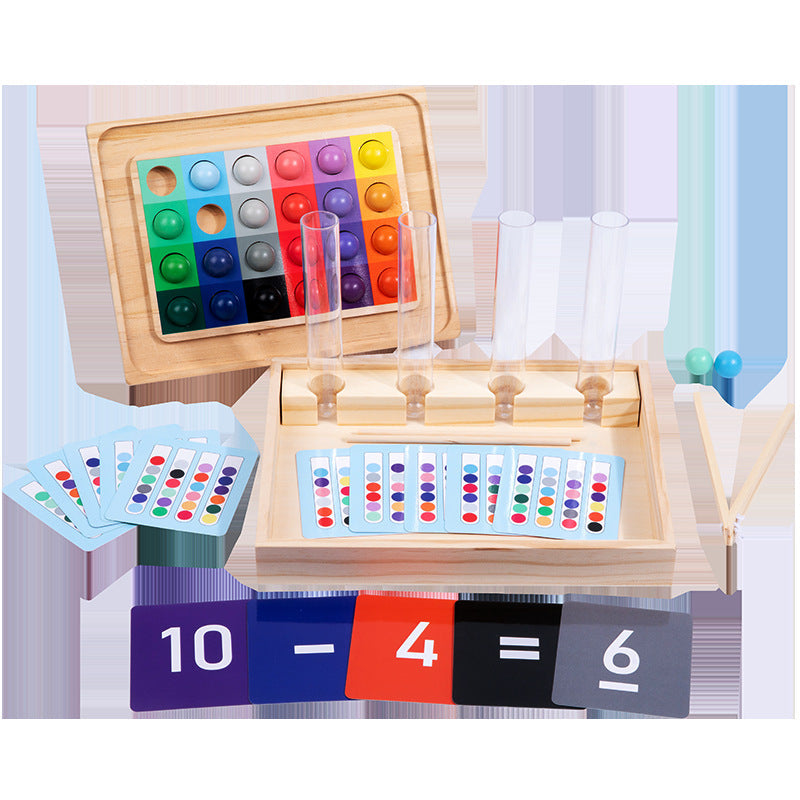
Turn color matching into a small, visible victory. Children follow pattern cards, clip and transfer beads, and build focused fine-motor practice through screen-free play.
Read the full descriptionTurn color matching into a small, visible victory. Children follow pattern cards, clip and transfer beads, and build focused fine-motor practice through screen-free play.
Play-based color matching that builds fine motor skills and cognitive sequencing
Replace screen-dependent downtime with hands-on color matching that keeps little fingers busy and young minds engaged. Children follow visual patterns, transfer beads, and proudly recreate each sequence.
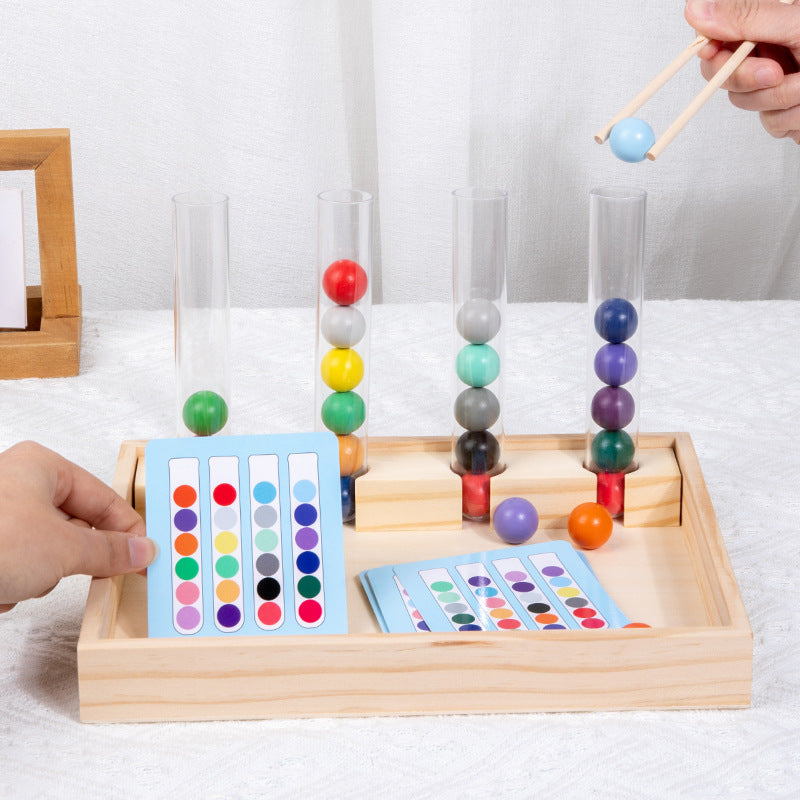
Pattern cards give children a concrete visual target. They recognize each color and recreate its order instead of sorting without a clear goal.
Wooden clips and bead transfer turn color learning into controlled hand movements that practice grasping, positioning, and hand-eye coordination.
The smooth natural-wood tray keeps the colorful pieces together. Setup is inviting, play is easier to begin, and tidy-up has a clear place.
Children compare the finished tube arrangement with the card and experience an immediate sense of accomplishment without screens or scores.
Start with a pattern card that feels manageable. Place it beside the tray so the color order stays easy to see.
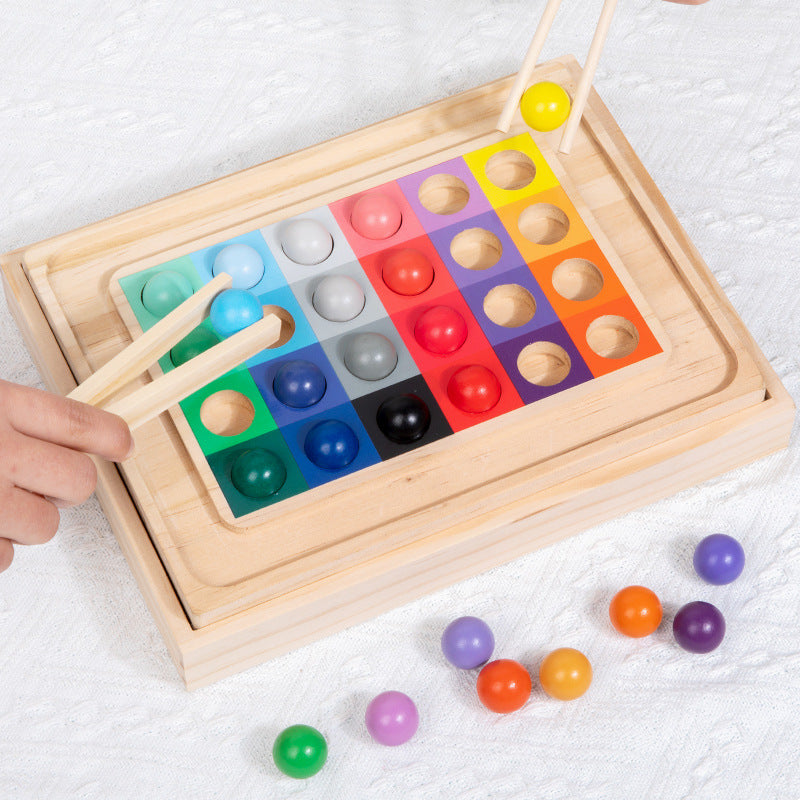
Invite the child to locate the matching loose beads on the wooden color board and name each color.
Use a wooden clip to pick up each bead and place it into the clear test tube in the same order shown on the card.
Compare the completed tube arrangement with the card. Celebrate careful effort, then choose another sequence when the child is ready.
Keeps the activity together during play and tidy-up.
Provides a clear place to sort and choose beads.
Hold each recreated color sequence for easy checking.
Turn bead matching into a hands-on transfer task.
Supply the bright colors used in the patterns.
Give children visual sequences to recreate.

Screen-free play can be hard to find when attention moves quickly. This activity gives children something real to look at, pick up, compare, and finish, so quiet time feels engaging rather than forced.

A pattern card gives every movement a purpose. Children identify the next color, grasp it with a wooden clip, and place it in the right tube instead of sorting beads without direction.

The finished sequence sits beside its card as proof of careful work. Children can return to the tray, try another pattern, and build confidence through repeatable play that they can see and touch.
| Color Gradient Matching Set | Screen Games | Flashcards Or Loose Beads | |
|---|---|---|---|
| Purposeful color sequence | Partial | Partial | |
| Hands-on clipping and transfer | — | Partial | |
| Visible finished result | Partial | — | |
| Organized natural-wood tray | — | — | |
| Screen-free activity | — |
Yes. It suits preschool and early-learning children who are ready to recognize colors, follow a visual pattern, and practice controlled hand movements. An adult can begin with a simple card and demonstrate the transfer.
Yes. The six-part activity system includes a wooden base tray, wooden color board, clear test tubes, wooden clips, colored beads, and pattern cards.
The loose beads and clear tubes are small components, so adults should supervise play and keep every piece away from children who mouth objects. Store the parts together after the activity.
Both are possible. Show the child how to choose a card, clip a bead, place it in a tube, and check the sequence. Once the process is familiar, many children can choose cards and work at their own pace.
Flashcards support recognition but do not provide much tactile practice. Loose bead toys can lack direction. This set combines a visual target with clipping, transferring, ordering, and a finished sequence children can check.
Yes. The natural-wood tray gives the activity a clear home and keeps the setup together between sessions. That organized presentation also makes it easier for adults to set out one focused challenge.


 Color Matching Montessori Toy for Fine Motor Skills