
$54.90
Free delivery · 7–14 days
Poseable Skeleton Anatomy Toy for Hands-On Science Learning
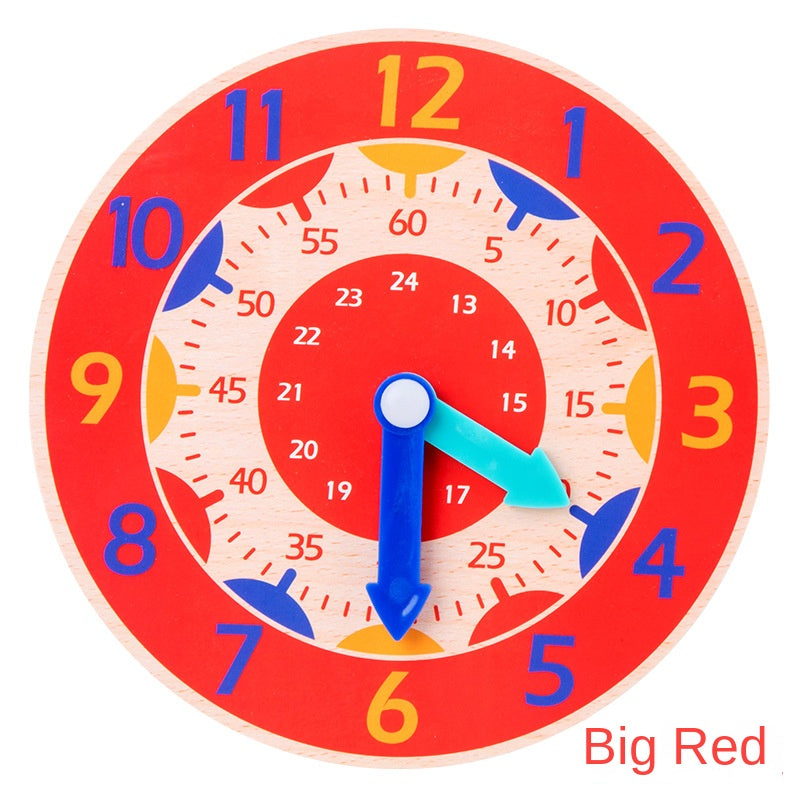
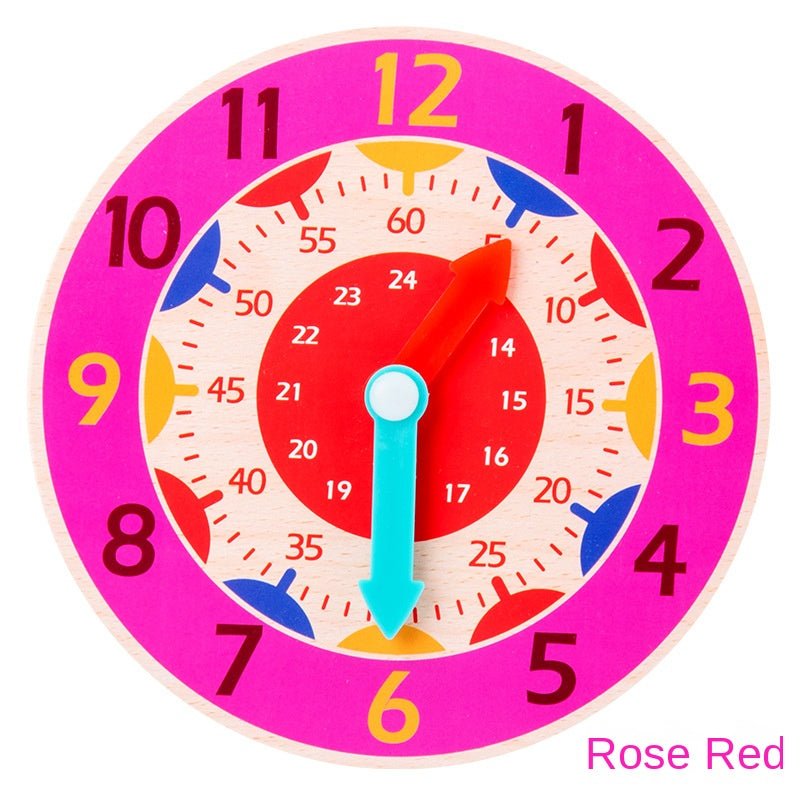
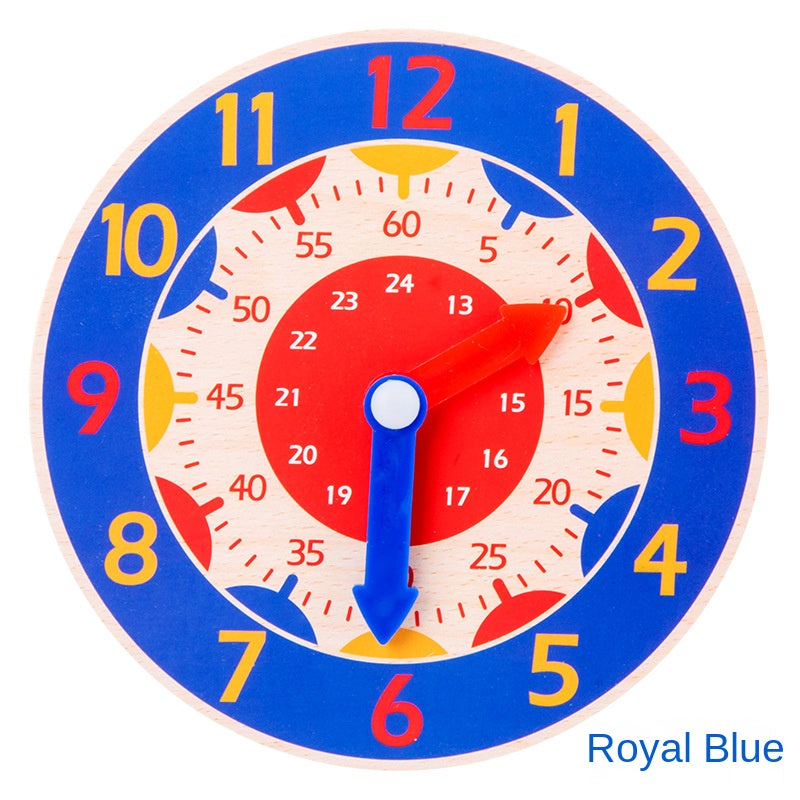
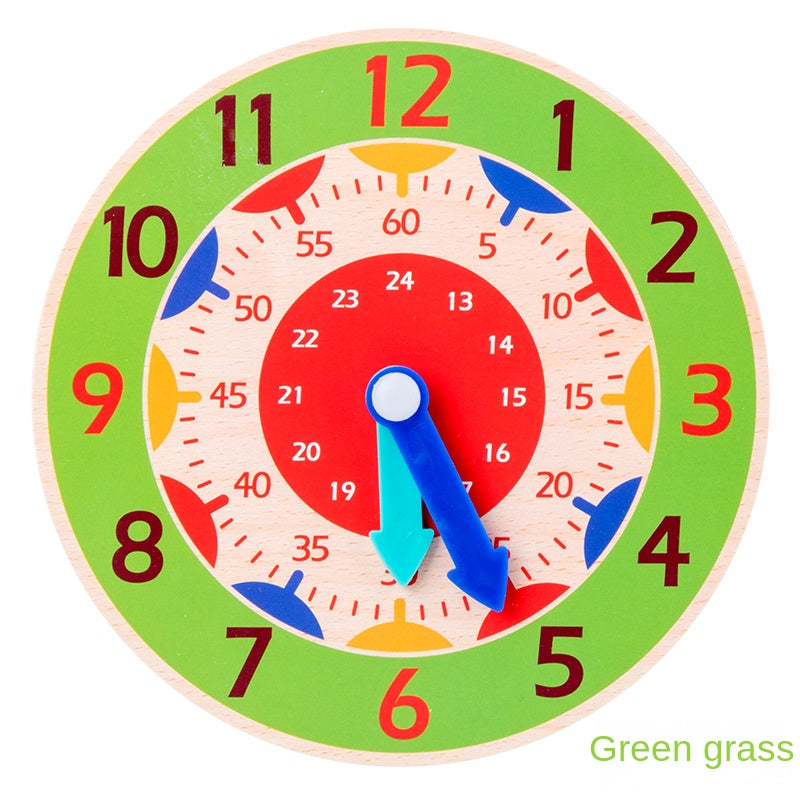

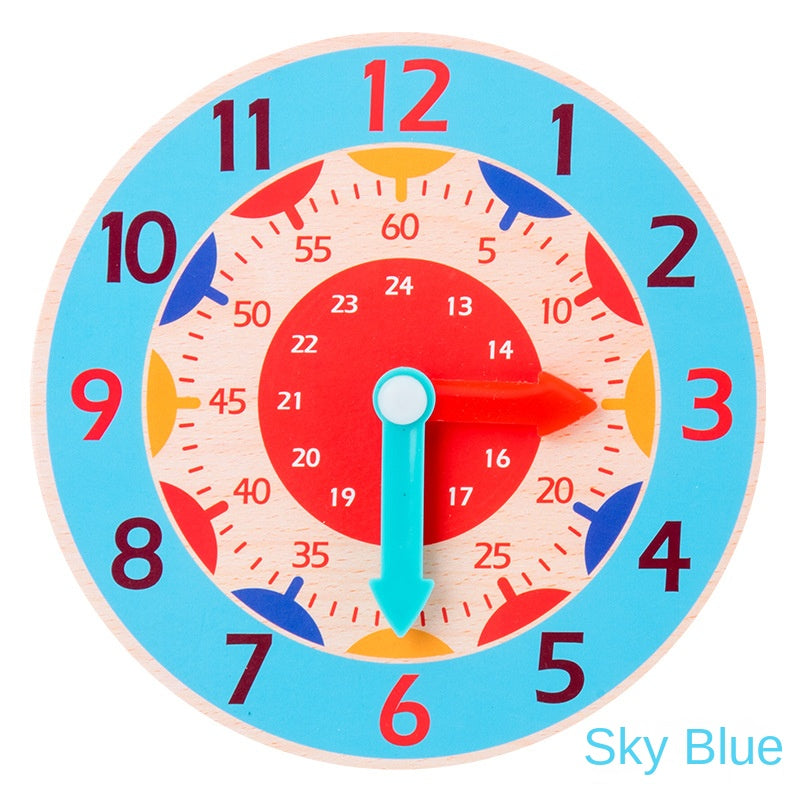


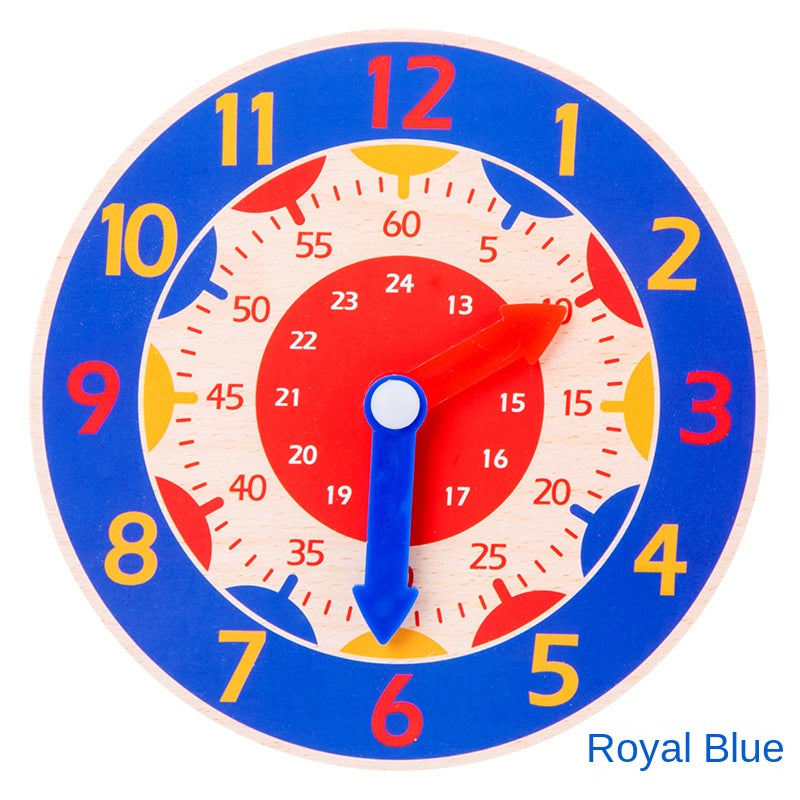


Turn analog time into something children can touch, move, and understand. This colorful wooden learning clock connects large hour numerals with minute and inner 13–24 markings for guided…
Read the full descriptionTurn analog time into something children can touch, move, and understand. This colorful wooden learning clock connects large hour numerals with minute and inner 13–24 markings for guided…
Makes learning to tell time interactive with movable hands and clear hour-and-minute markings
Instead of guessing which hand means what, children move the hands and see hours connect with minutes. Learning time becomes a hands-on activity they can repeat at home or in class.

Movable hands let children set and inspect times themselves, making the relationship between position and meaning visible.

Large hour numerals and a minute scale from 5 to 60 give children clear visual anchors as they practice reading the face.

Bright color coding and inner 13–24 hour markings connect multiple ways of representing time on one surface.
Point to the large hour numerals and invite your child to find a familiar number.
Move one hand slowly and ask what changes. Keep the first lesson focused on noticing position.
Use the minute scale from 5 to 60 to connect the longer hand with the markings around the face.
Choose a daily moment, such as leaving for school, and let the child set and explain the time.
A child can know every number on an analog clock and still freeze when asked to read the hands. Verbal explanations and worksheets often leave the relationship between position and meaning feeling invisible.
This wooden learning clock gives children an active role. They can move the hands, follow the large numerals, and inspect what changes on the face instead of memorizing an invisible rule.
Short guided practice turns confusion into small moments of recognition. Children can set familiar times, explain what they see, and build a calmer foundation for classroom learning.
| Wooden learning clock | Printable worksheet | Verbal explanation | |
|---|---|---|---|
| Child moves the clock hands | — | — | |
| Shows hour and minute relationships | Partial | Partial | |
| Reusable for repeated practice | Partial | ||
| Connects outer and inner markings | Partial | — | |
| Needs an adult for first lessons | Partial | Partial |
Yes. It fits preschool and early elementary learners who are recognizing numbers and beginning to understand analog clock hands. Children who already read analog time fluently may not need a basic learning clock.
Yes. The face has large hour numerals, a minute scale from 5 to 60, and inner 13–24 hour markings.
They give children another visible hour reference on the same face. An adult can connect those markings with the outer hour numbers during guided practice.
Yes. The movable hands let children set and inspect different times themselves, which makes the link between hand position and meaning easier to see.
Yes. Start by naming the hour numbers, then introduce the hands and minute markings one idea at a time. The first lessons are best with patient adult guidance.
A worksheet is useful for recording answers, but it cannot give the same physical practice. This clock is a one-time learning tool children can repeatedly move, set, and discuss instead of using a new sheet for each lesson.


 Children's Wooden Learning Clock Toy for Telling Time