
$37.90
Free delivery · 7–14 days
Building Block Flower Bouquet – Everlasting Home Decor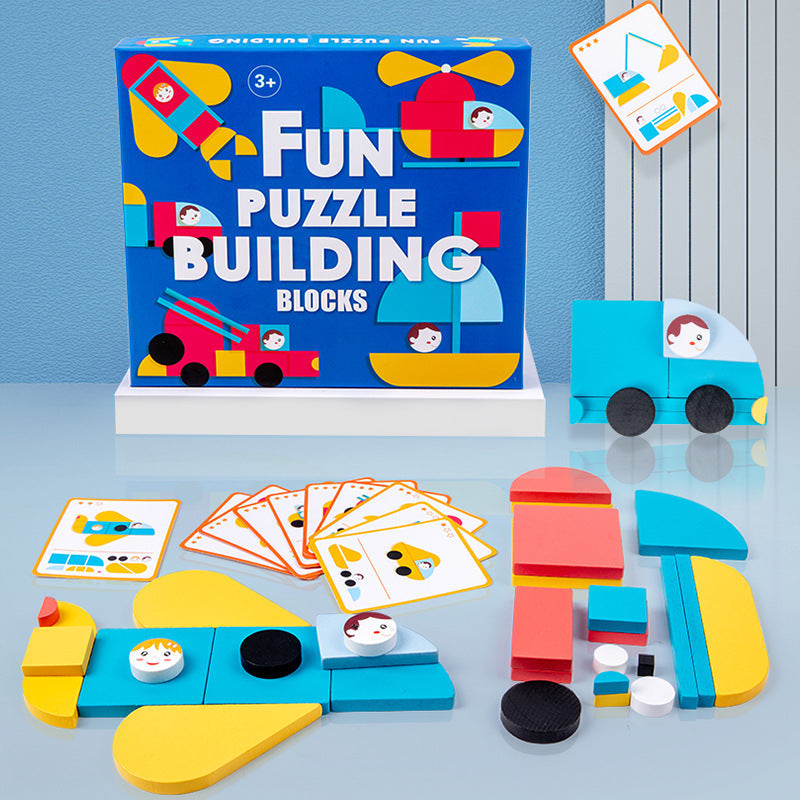
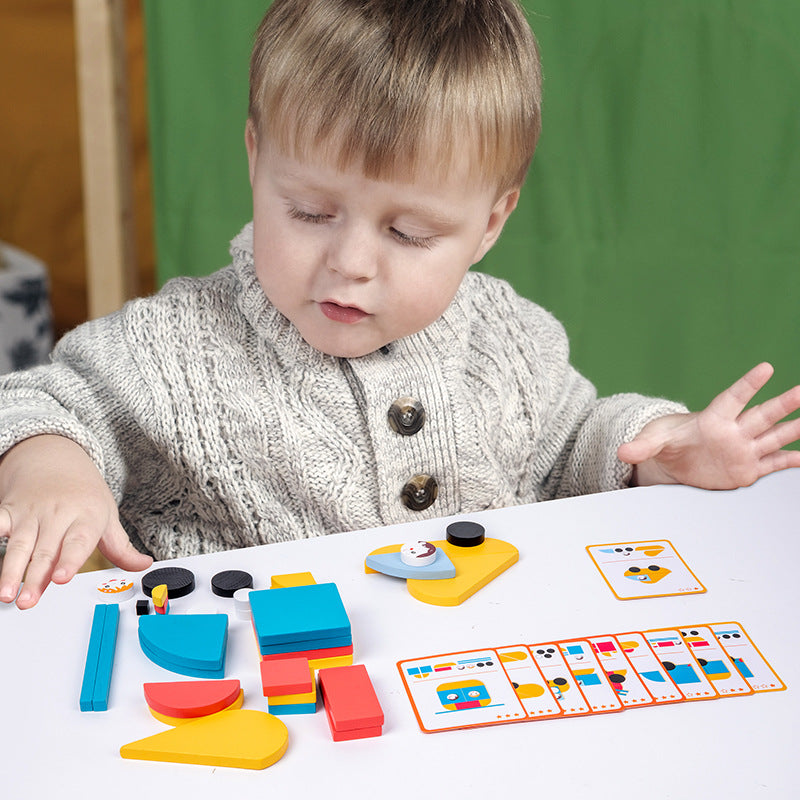
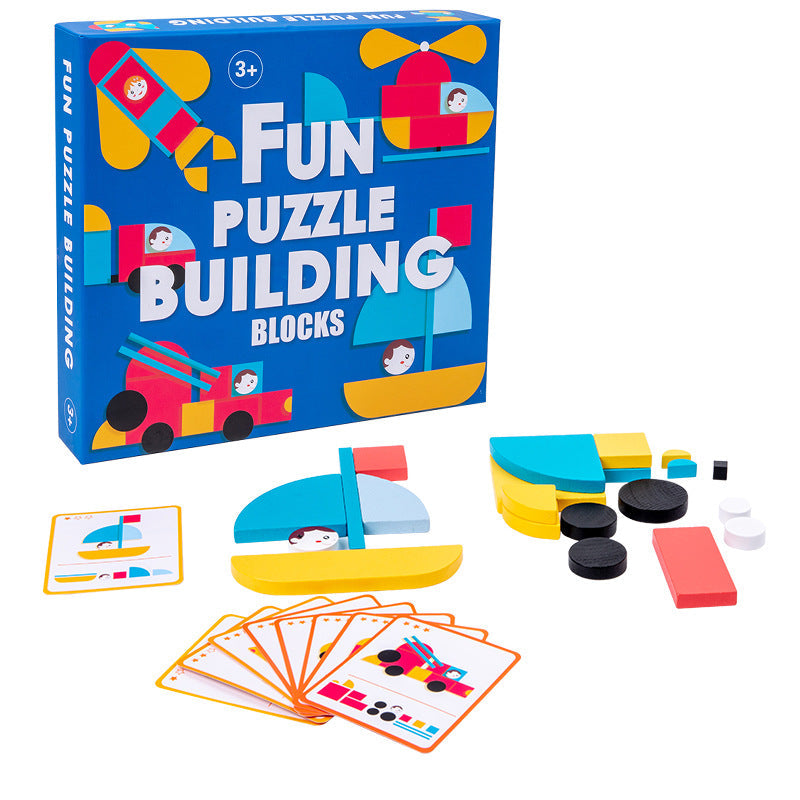
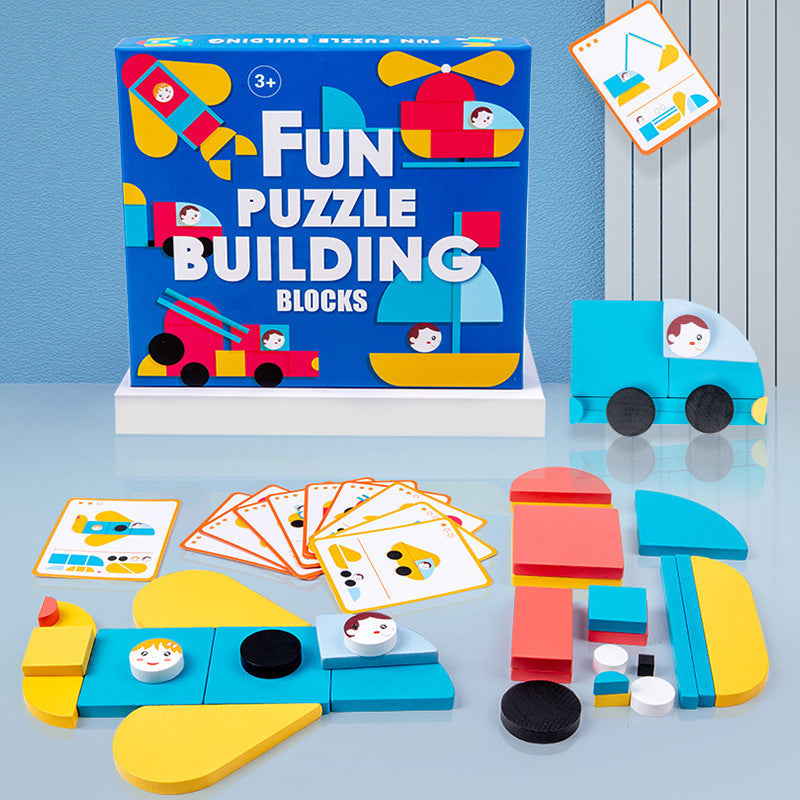
Turn quiet time into focused creative play with colorful pieces, illustrated challenges, and recognizable builds children can make themselves.
Read the full descriptionTurn quiet time into focused creative play with colorful pieces, illustrated challenges, and recognizable builds children can make themselves.
Progressive puzzle-building play that develops color recognition, spatial reasoning, and problem-solving skills.
Replace restless screen time with hands-on building that feels like play. Children match colors, follow patterns, and turn loose pieces into cars, trains, and characters.

Illustrated pattern and challenge cards give children a clear next step, reducing the frustration of not knowing what to make. The card turns a loose pile into a building puzzle with an inviting place to begin.

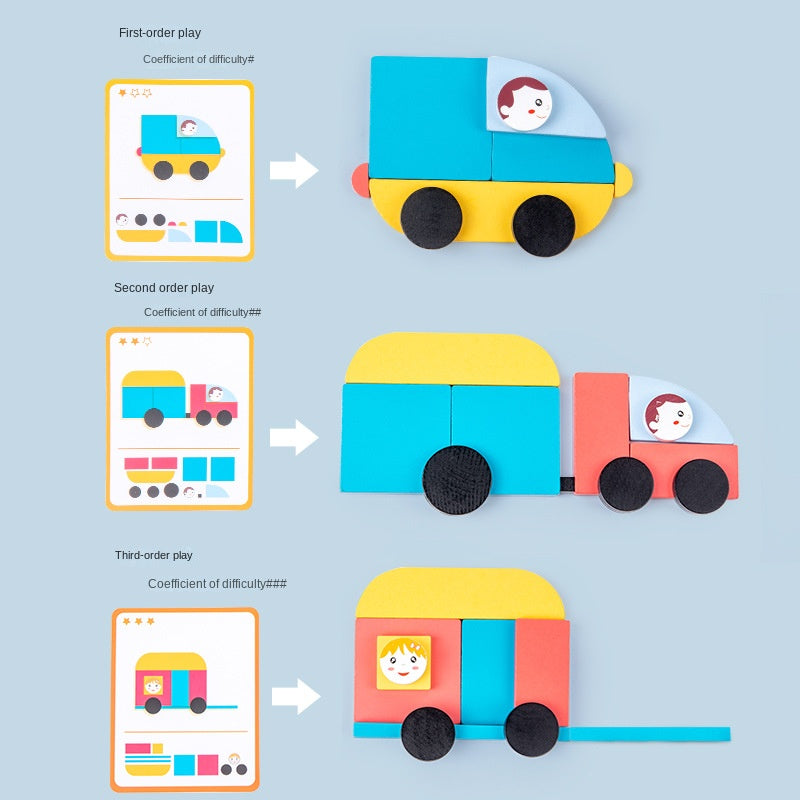
First-order, second-order, and third-order sequences let play become gradually more complex as children gain confidence. Start with imitation, then give them room to recognize patterns and solve more of the build themselves.

Bright color-matching pieces and varied geometric forms invite practice with recognition, spatial relationships, and fine motor control. It gives children something real to hold while they work out how pieces relate.
Round black wheels and character face pieces transform abstract shapes into cars, trains, and imaginative characters children recognize. The visual payoff keeps the activity feeling like play from the first piece to the final detail.
Choose an introductory illustrated card and place the matching pieces nearby. Point out one color or shape, then let the child make the first match.
Once the basic card format feels familiar, offer a more involved pattern. Encourage the child to compare the card with the pieces before asking for help.
Bring out the most challenging sequence when your child is ready for more independent problem-solving. Let them pause, rotate pieces, and test their own ideas.
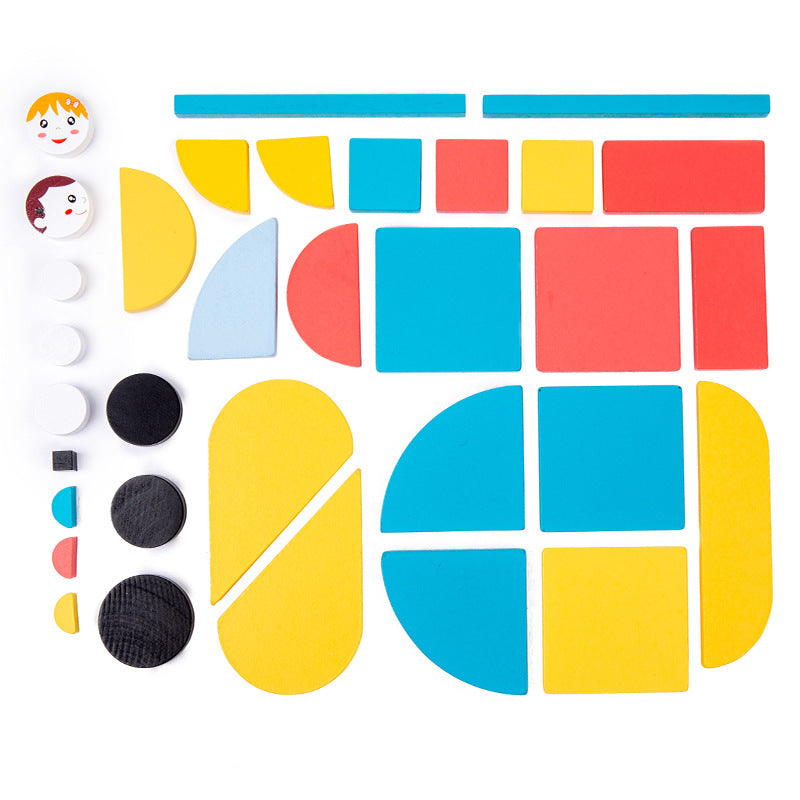
Bright turquoise, yellow, coral, black, and white shapes for matching and construction.
Illustrated starting points for following visual designs.
Progressive prompts that move from first-order to third-order play.
Details that turn geometric builds into playful characters.
Black wheel pieces for recognizable car and train designs.
Screens can fill a quiet afternoon, but they do not give small hands much to sort, turn, match, or figure out. Ordinary blocks can leave a preschooler wondering where to begin. This set gives play a clear invitation without making it feel like homework.
An illustrated card turns a pile of shapes into a small, achievable question: which piece belongs here? A color match or simple shape placement gives children a first win, then invites them to try the next step. It is the same hands-on spirit found in kids toys educational, with more direction built into every challenge.
Turquoise, yellow, coral, black, and white pieces become more than abstract shapes when wheels and character faces enter the build. Cars, trains, and playful figures give children a recognizable result to work toward, making each new card feel like the start of an adventure.
Over time, the child who once waited for entertainment begins choosing a card, finding the right colors, and deciding what comes next. Set it out for a quiet indoor reset, a preschool station, or a shared building moment. The finished design is fun to see, but the real reward is knowing they figured it out.
| This set | Open-ended blocks | Passive screen time | |
|---|---|---|---|
| Clear starting point | Yes | No | No |
| Color-matching practice | Yes | Partial | No |
| Progressive challenge levels | Yes | No | No |
| Recognizable vehicle and character builds | Yes | Partial | No |
| Hands-on building | Yes | Yes | No |
| Value for repeated play | Strong | Variable | Low |
Yes. The packaging marks the set 3+. A three-year-old may enjoy the first-order cards with an adult nearby, while older preschoolers can move toward the more challenging sequences.
Adult guidance is useful at the beginning, especially if your child is new to matching cards with pieces. Point out a color or shape, then let the child place the piece instead of completing the build for them.
They create a gradual path from simpler imitation to more complex visual problem-solving. Start with first-order play, then introduce second-order and third-order cards as the child becomes comfortable with the format.
It includes colorful geometric building blocks, pattern cards, challenge cards, character face pieces, and round wheel pieces. Together, those parts support matching, guided construction, and recognizable vehicle or character designs.
It is better viewed as a different kind of building activity. Open-ended blocks are useful for freeform construction, while this set gives young children illustrated goals and progressive challenges when they need help knowing where to start.
The soft-looking matte foam pieces and clear card sequences suit supervised indoor activities for children aged 3 and up. Adults should keep the pieces together and out of reach of younger children.


 Building Block Puzzle Toy for Screen-Free Learning