Healthy Functional Coffee for Energy & Daily Wellness
5 items
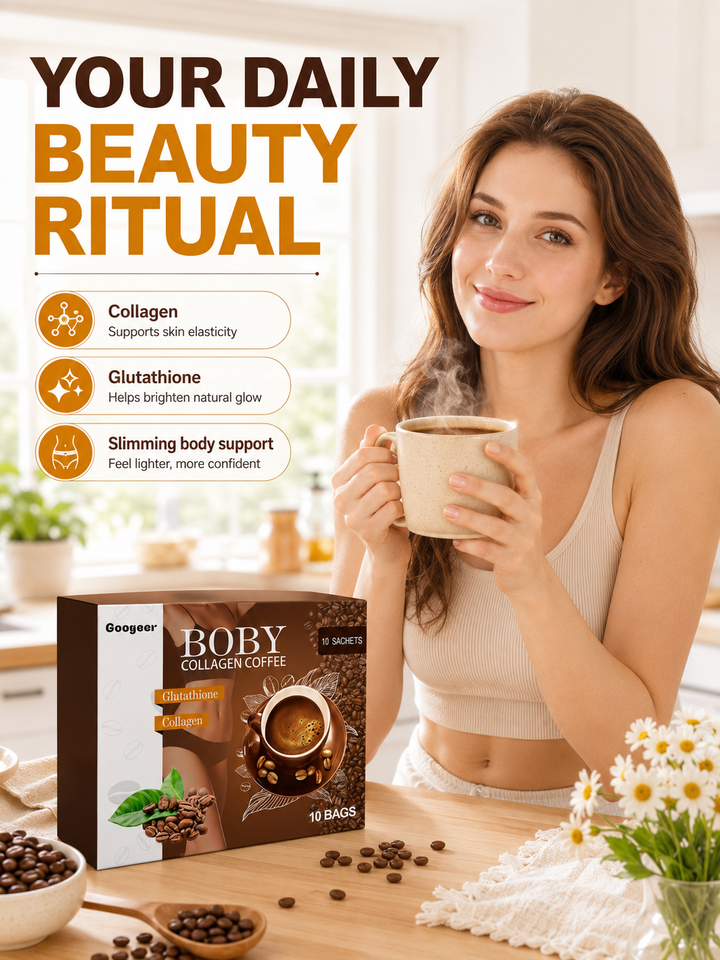
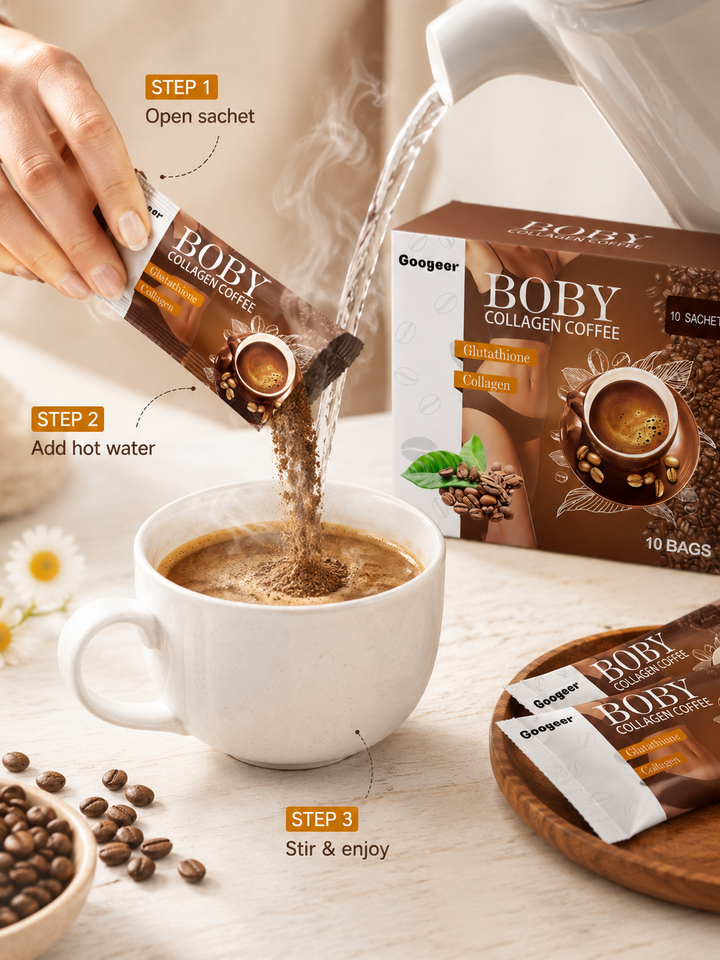
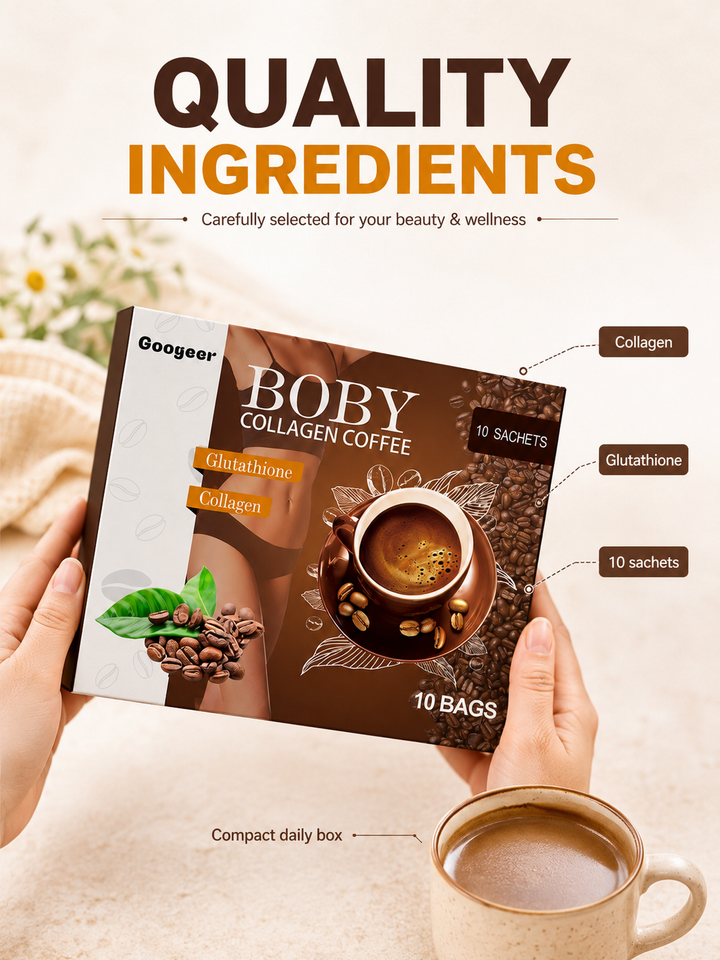

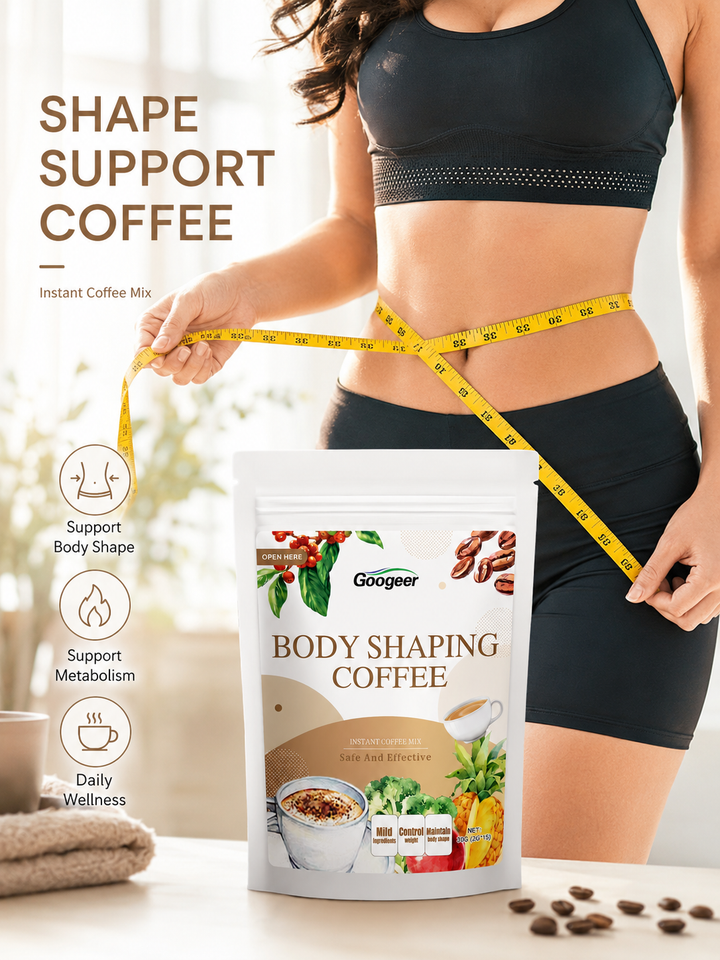

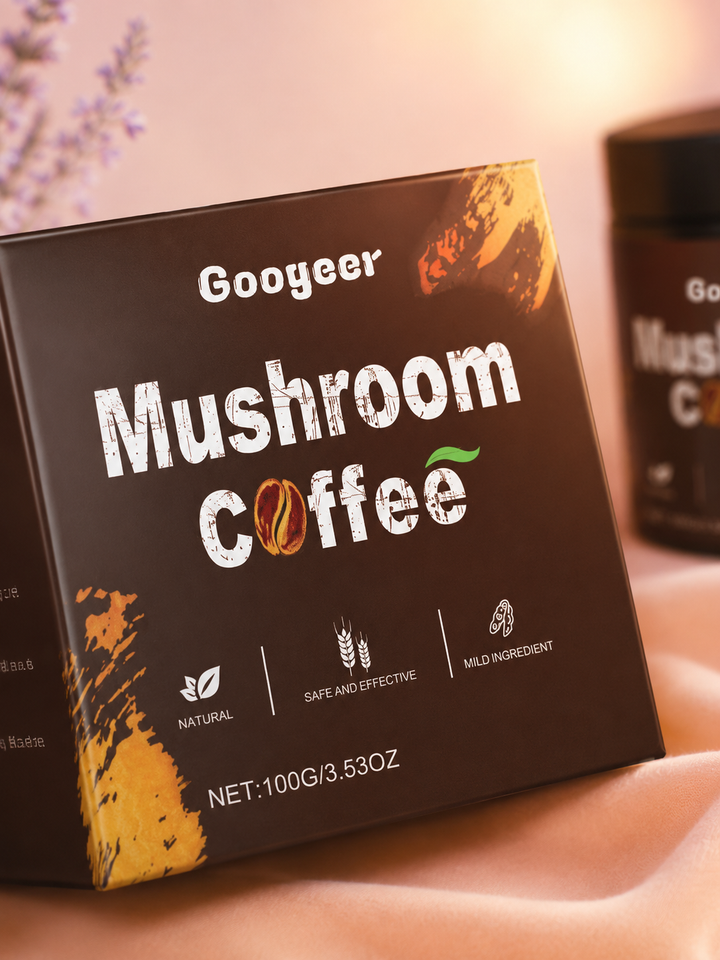

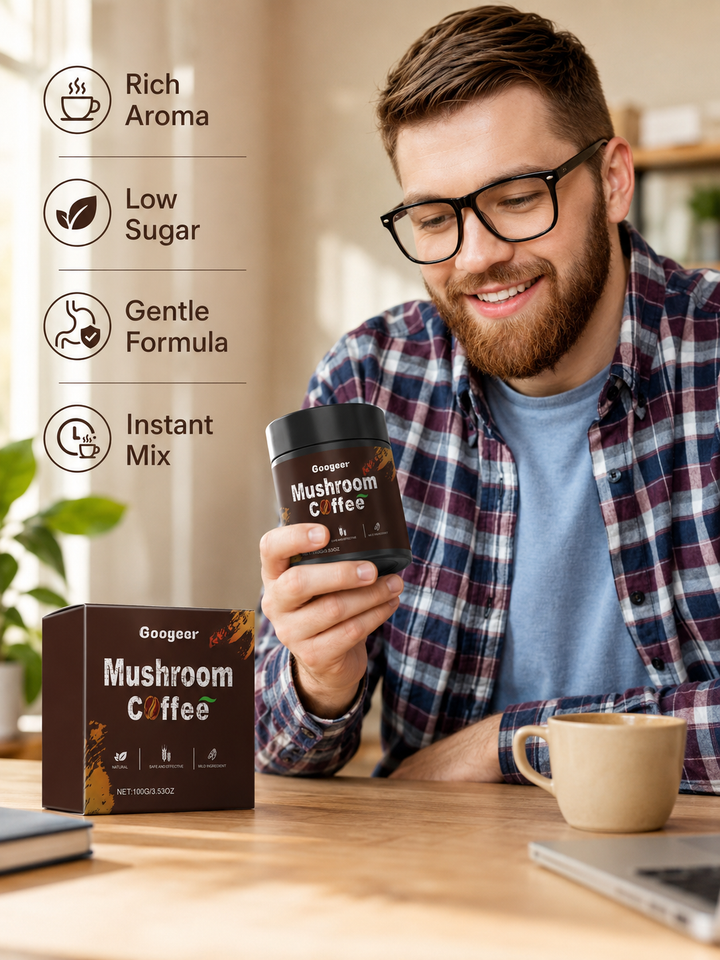
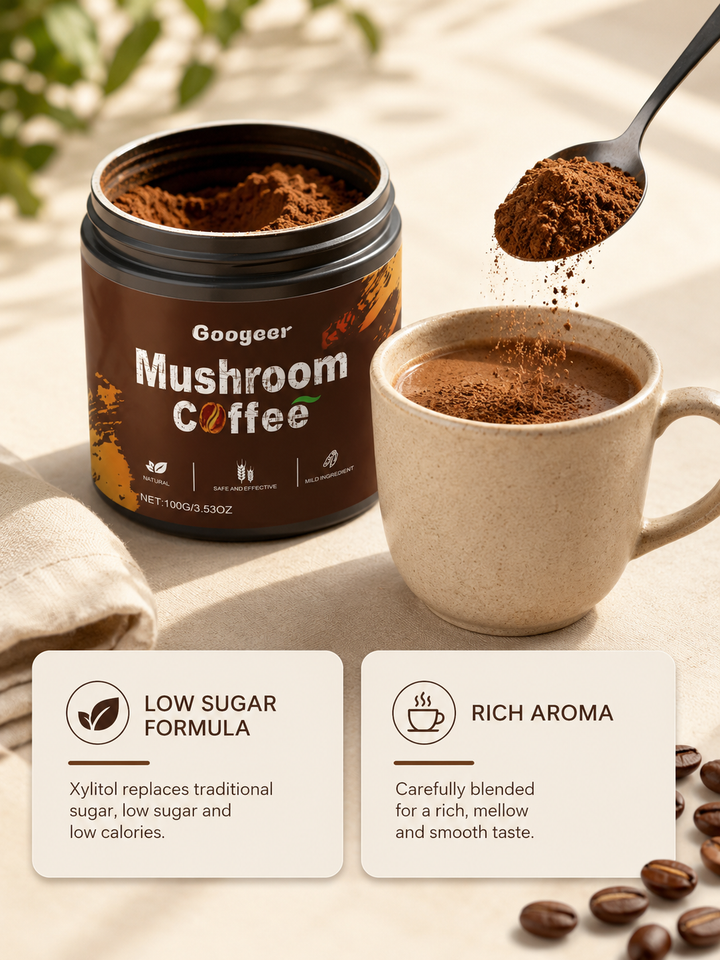
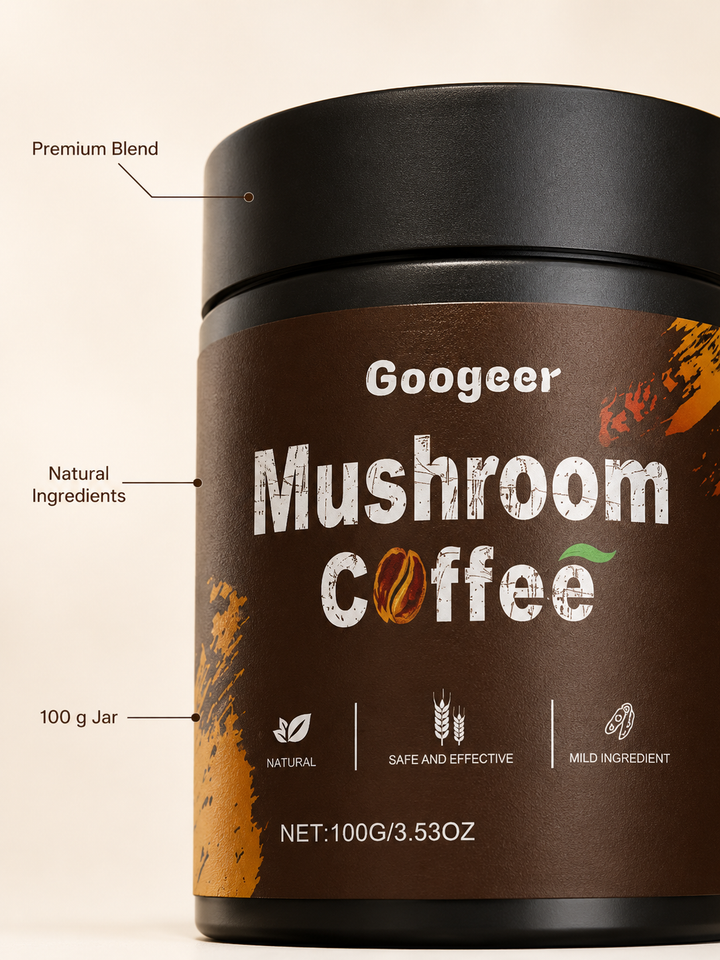


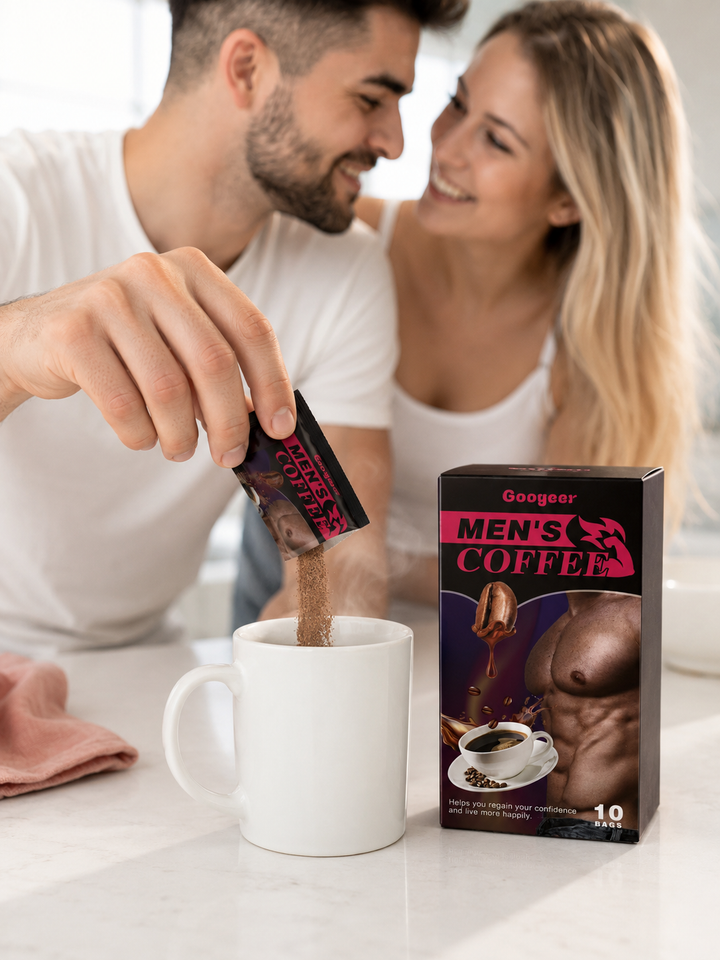

Wellness coffee combines familiar coffee with ingredients such as mushrooms, adaptogens, collagen, or other functional blends. Use this guide to compare formats, choose based on your routine, and set realistic expectations for energy, focus, flavor, and convenience.
How do you choose the best wellness coffee?
Start with your main goal: steady focus, a simple instant energy drink, a collagen-based routine, or a men’s vitality formula. Then check the serving format, flavor, sweeteners, caffeine information, and ingredient list. Mushroom Coffee with Adaptogens — Calm Focus, No Jitters is aimed at shoppers who want a coffee ritual built around focus and a smoother-feeling experience, while Men’s Vitality Coffee is positioned for energy and confidence support. Collagen Coffee with Glutathione is suited to shoppers interested in beauty-oriented ingredients, but it should not be treated as a guaranteed skin or body transformation. If you are comparing wellness coffee reviews or searching Reddit discussions, look for comments about taste, mixability, serving size, and how the product fits a daily routine.
What types of wellness coffee are available?
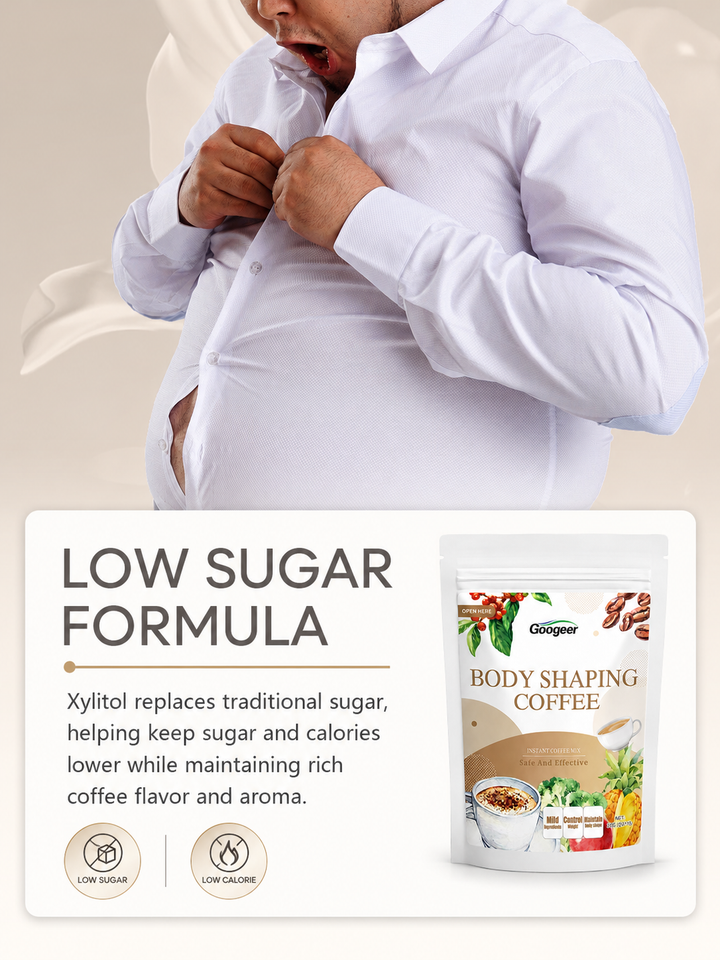
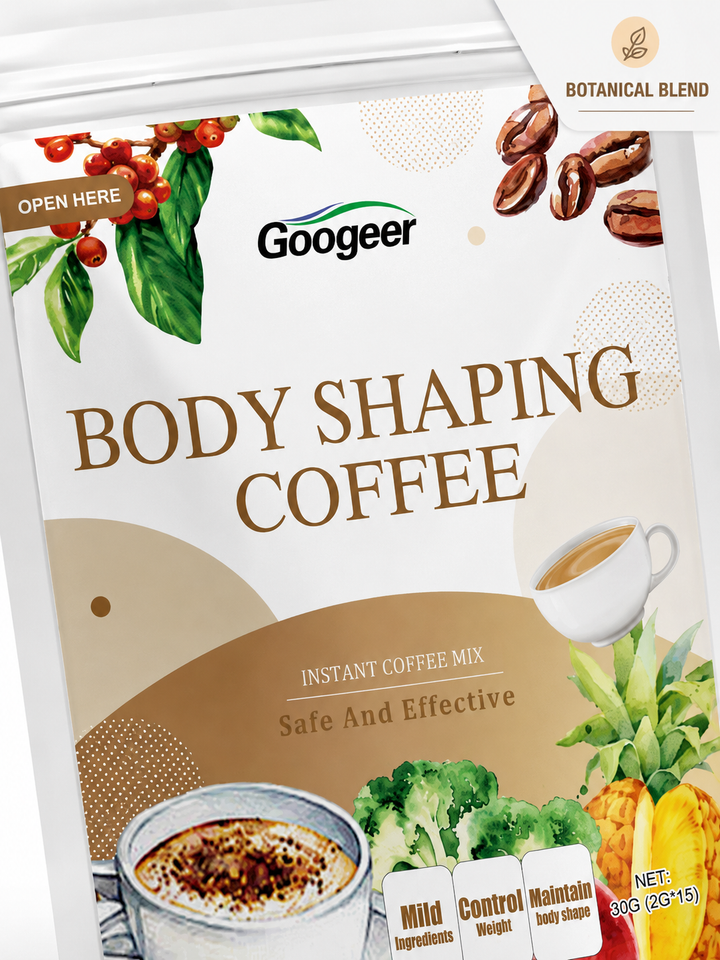
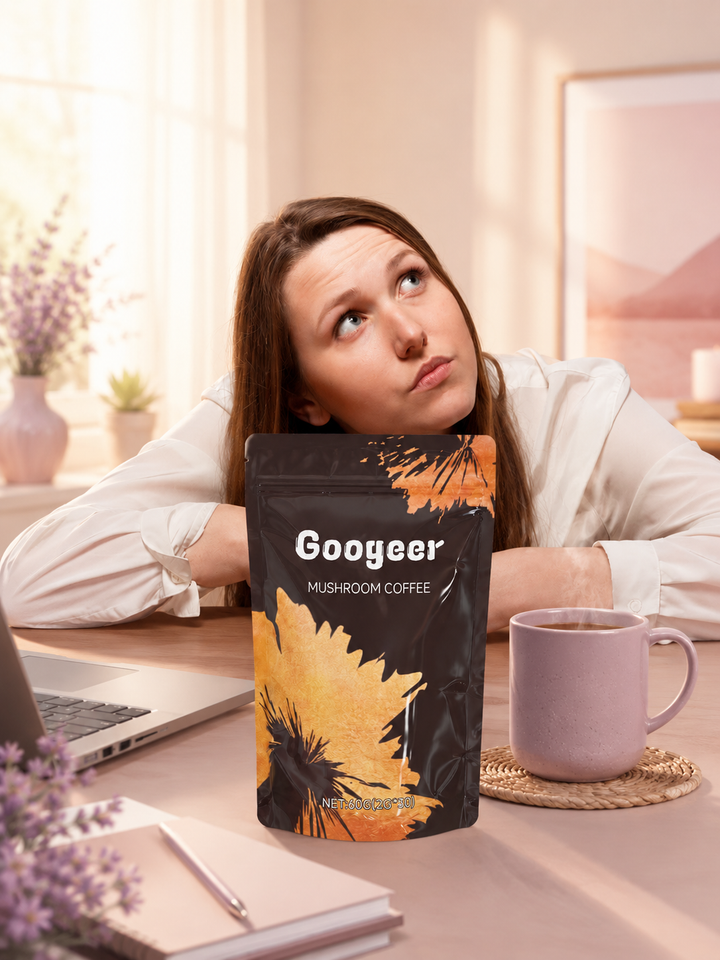
This category includes several practical formats. Mushroom coffee with adaptogens combines instant coffee with functional ingredients for shoppers seeking a focus-centered option. Collagen coffee with glutathione adds beauty-oriented ingredients to a coffee routine, while Men’s Vitality Coffee focuses on instant energy and confidence support. Googeer Instant Mushroom Coffee is an entry option for shoppers who want to try a mushroom blend without committing to a more specialized formula. Googeer Instant Fat Burning Shape-Shifting Coffee is positioned around body-treatment and shape-focused language; read its label carefully and avoid assuming that a drink alone changes body composition. Across all types, compare caffeine details, added sugar, serving instructions, and allergen information rather than choosing only by the front-of-pack promise.
What should you look for in wellness coffee ingredients?
Look for a full ingredient panel instead of relying on phrases such as “healthy,” “detox,” or “fat burning.” Identify the coffee source, caffeine amount if listed, mushroom varieties, adaptogens, collagen, glutathione, sweeteners, flavorings, and any ingredients you need to avoid. Check whether the product is instant, how it should be mixed, and whether one serving is intended for hot or cold preparation. Shoppers comparing for wellness coffee pods should confirm that the product is actually pod-compatible; instant powders generally require a cup and hot water rather than a capsule machine. Also review storage instructions and the recommended serving. If a listing does not clearly explain its ingredients or preparation, choose the option with more transparent product information.
How do you use wellness coffee in a daily routine?
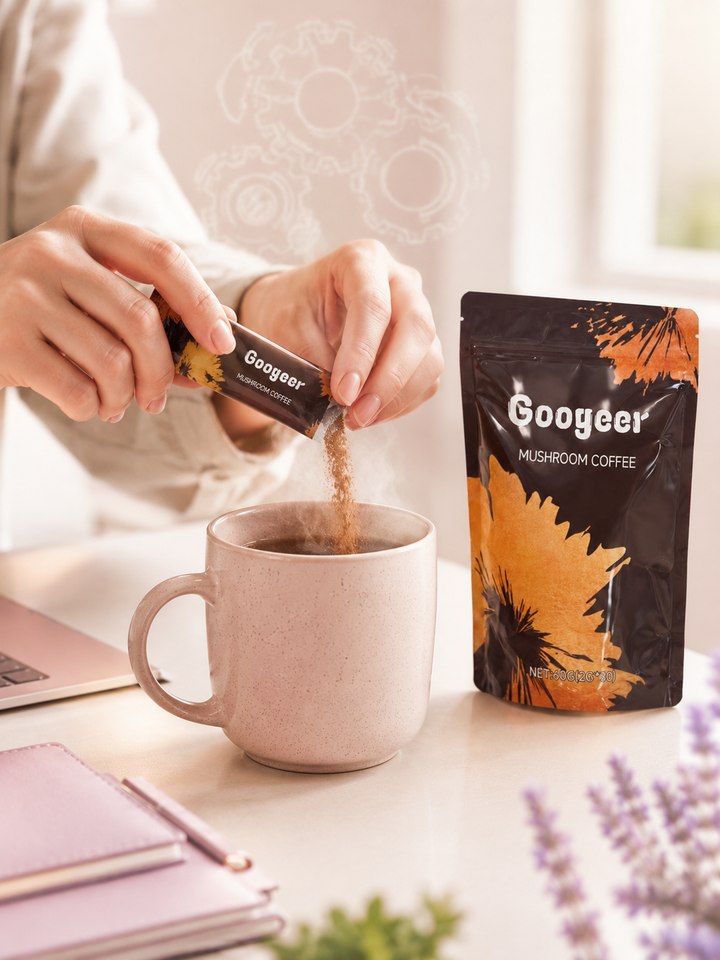
Prepare the product exactly as directed, beginning with the listed serving rather than adding extra powder for a stronger effect. Instant varieties can be mixed with hot water, milk, or a preferred alternative if the label allows; stir thoroughly to improve texture. Keep your total daily caffeine intake in mind, especially if you also drink brewed coffee, tea, energy drinks, or cola. Many shoppers prefer wellness coffee in the morning, but the best timing depends on how caffeine affects their sleep and routine. Do not use a coffee blend as a replacement for meals, water, exercise, or professional advice. For a fair comparison, use one product consistently for several days and note taste, convenience, energy perception, and any unwanted reactions.
What are common wellness coffee buying mistakes?
A common mistake is treating marketing language as a promise. Terms such as “calm,” “slim,” “vitality,” or “body treatment” describe the product’s positioning, not a guaranteed result. Another mistake is overlooking caffeine because the product contains mushrooms, collagen, or adaptogens; these added ingredients do not automatically make a coffee caffeine-free. Buyers also miss serving size, sweeteners, preparation requirements, and return information. Avoid stacking several functional coffees on the same day until you understand their caffeine and ingredient overlap. Reviews such as The Good Stuff Coffee review searches can help with flavor and usability, but personal experiences are not a substitute for the label. Choose transparent details over dramatic claims, and stop using a product if it makes you feel unwell.
Who is wellness coffee best suited for?
Wellness coffee may suit adults who enjoy coffee and want a convenient way to explore functional ingredients within an established routine. Mushroom Coffee with Adaptogens may appeal to focus-oriented shoppers; Collagen Coffee with Glutathione may appeal to those interested in beauty-focused ingredients; and the entry mushroom blend may suit first-time buyers. People who are sensitive to caffeine, pregnant or breastfeeding, managing a health condition, or taking medication should review the label and ask a qualified healthcare professional whether the ingredients are appropriate. Older adults can also have different caffeine tolerances and medication considerations. No wellness coffee is necessary for everyone, and none should be presented as a treatment. Select based on taste, transparency, convenience, and personal tolerance rather than age or a single headline benefit.
Frequently asked questions
What is the healthiest coffee you can buy?
There is no single healthiest coffee for everyone. A sensible choice is one with a clear ingredient list, understandable caffeine information, limited unwanted additives, and a flavor and serving size that fit your routine.
Does Phil Mickelson own the coffee brand people ask about?
We do not make ownership claims about brands that are not part of this category. For any product, verify ownership or endorsements through reliable company information rather than an advertisement, social post, or review headline.
Do those mushroom coffees actually work?
People may notice differences in taste, routine, or how coffee feels to them, but results vary by product and person. Mushroom coffee should not be treated as a guaranteed treatment or replacement for sleep, food, or professional advice.
What organ does coffee affect the most?
Coffee is best understood as affecting the nervous system through caffeine, which can influence alertness and sleep. Individual responses vary, so pay attention to your own tolerance and the product’s caffeine information rather than focusing on one organ.
Is coffee good for a 70 year old?
Age alone does not determine whether coffee is suitable. A 70-year-old should consider caffeine sensitivity, sleep, medications, and existing health concerns, and ask a qualified healthcare professional if unsure about a functional coffee blend.
What are signs of drinking too much coffee?
Possible signs include feeling jittery, restless, unusually anxious, having trouble sleeping, or noticing a racing or uncomfortable heartbeat. Reduce or stop caffeine and seek professional advice if symptoms are severe, persistent, or concerning.