Wart Removers: Over-the-Counter Wart Medicine & Removal Sticks16 items

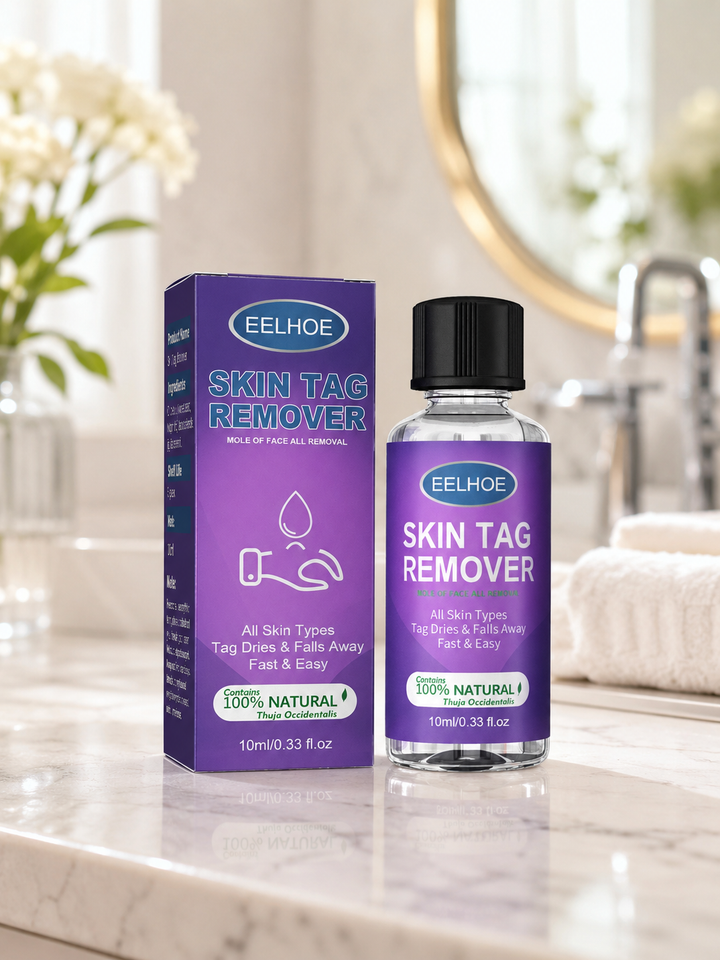
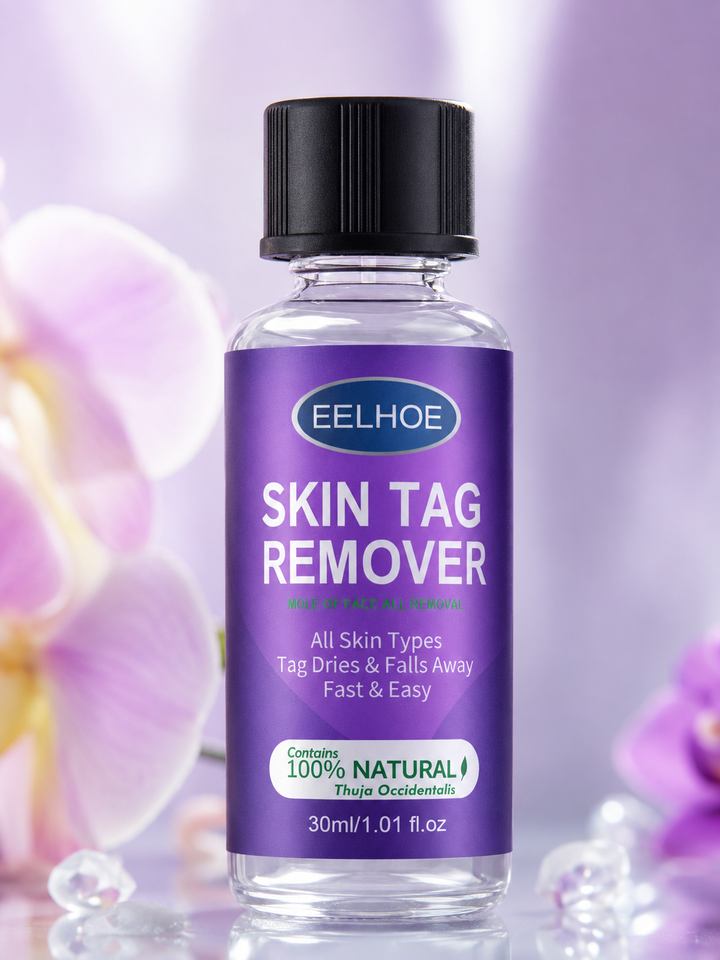
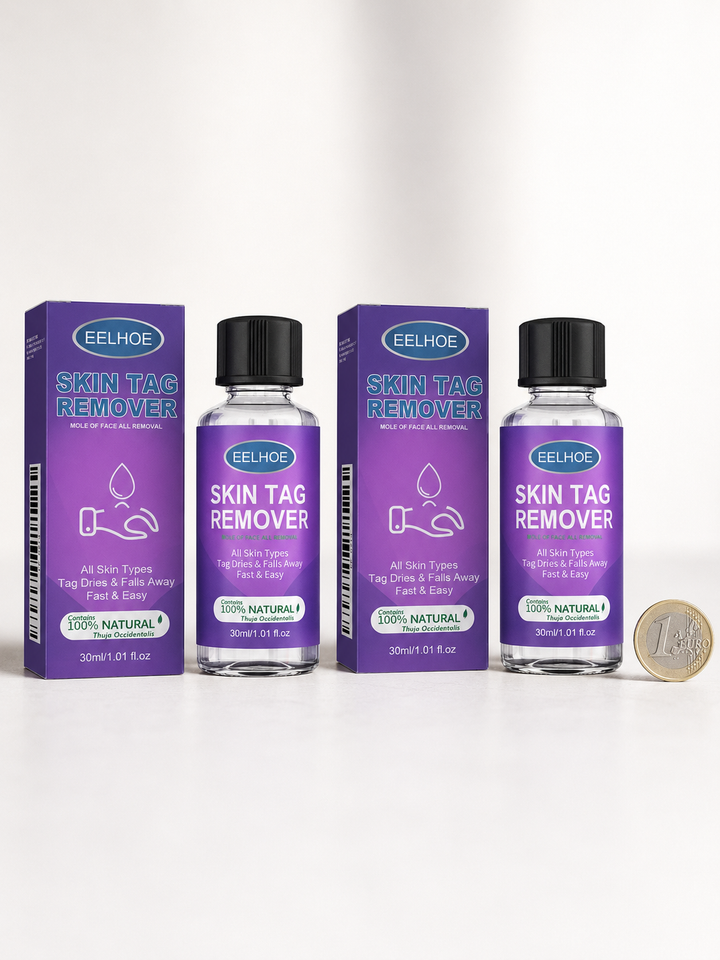

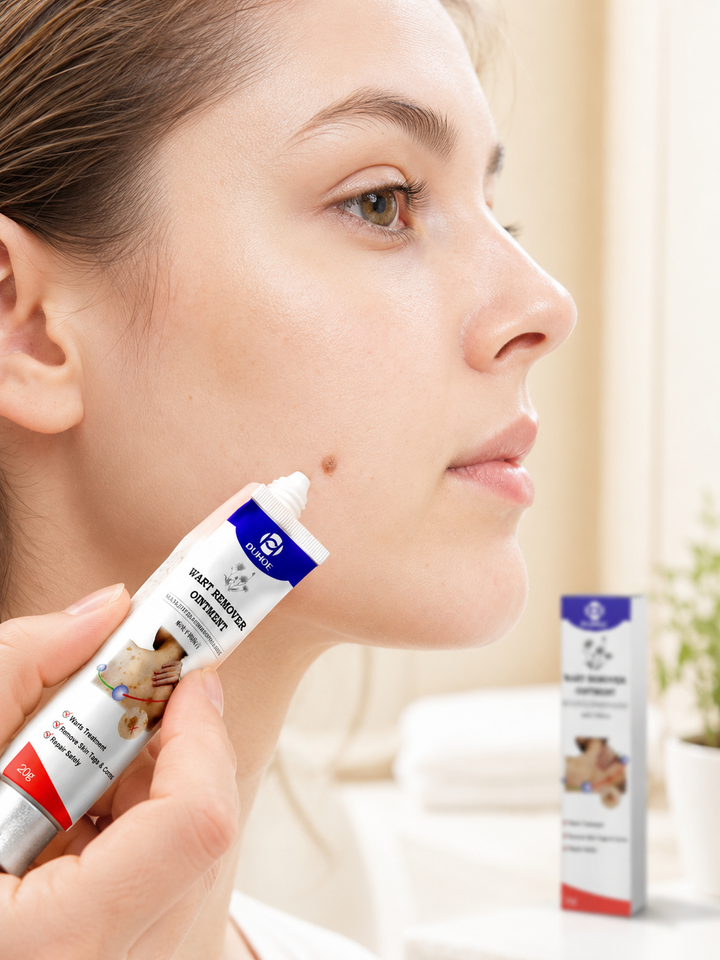
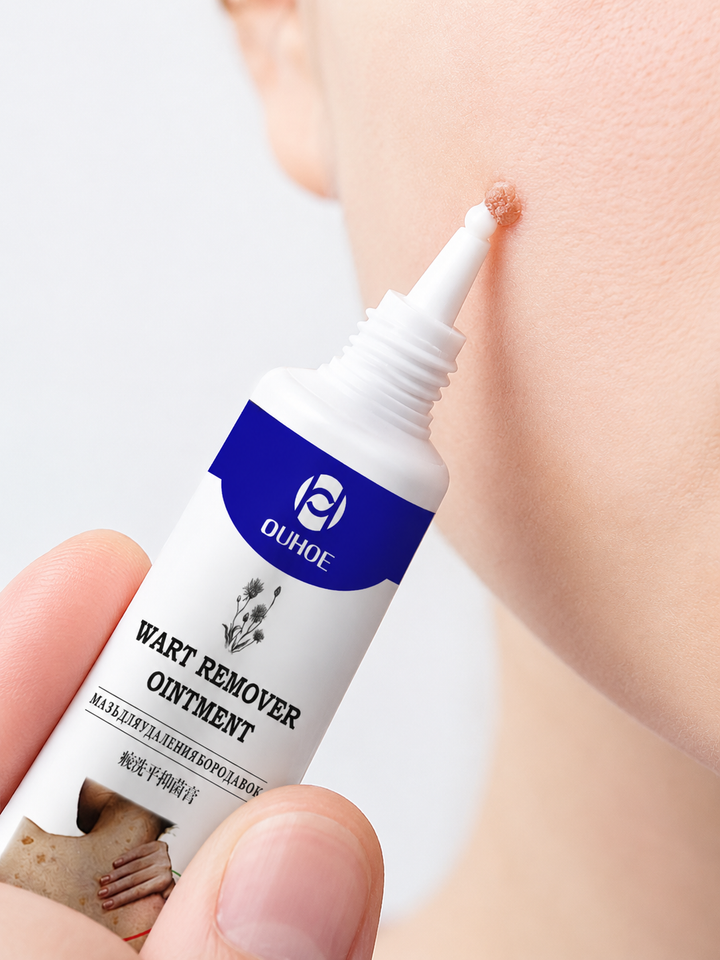


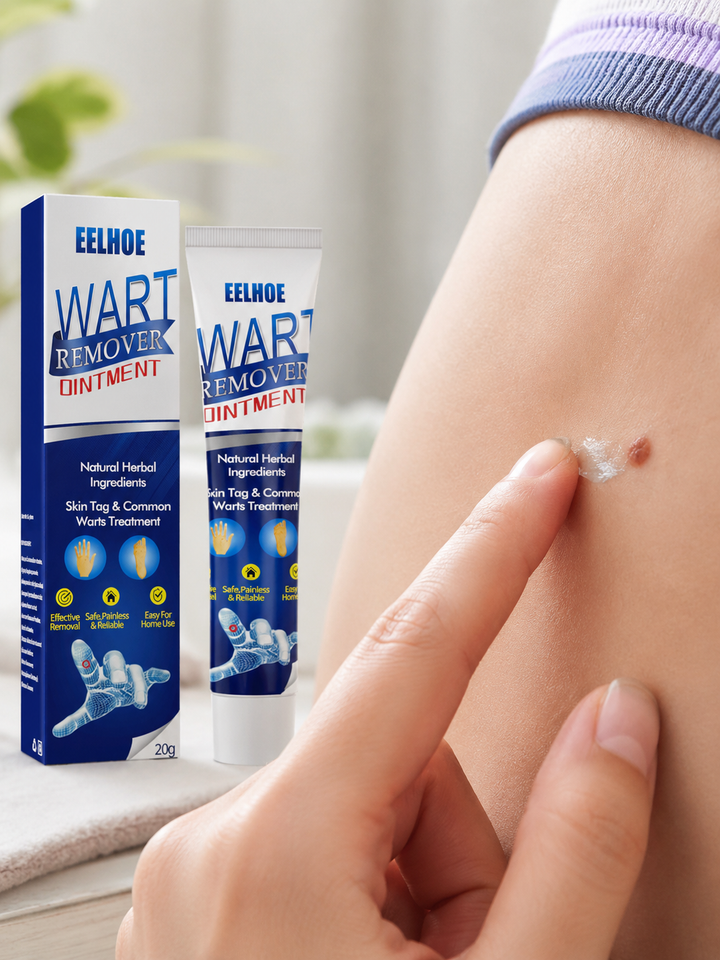
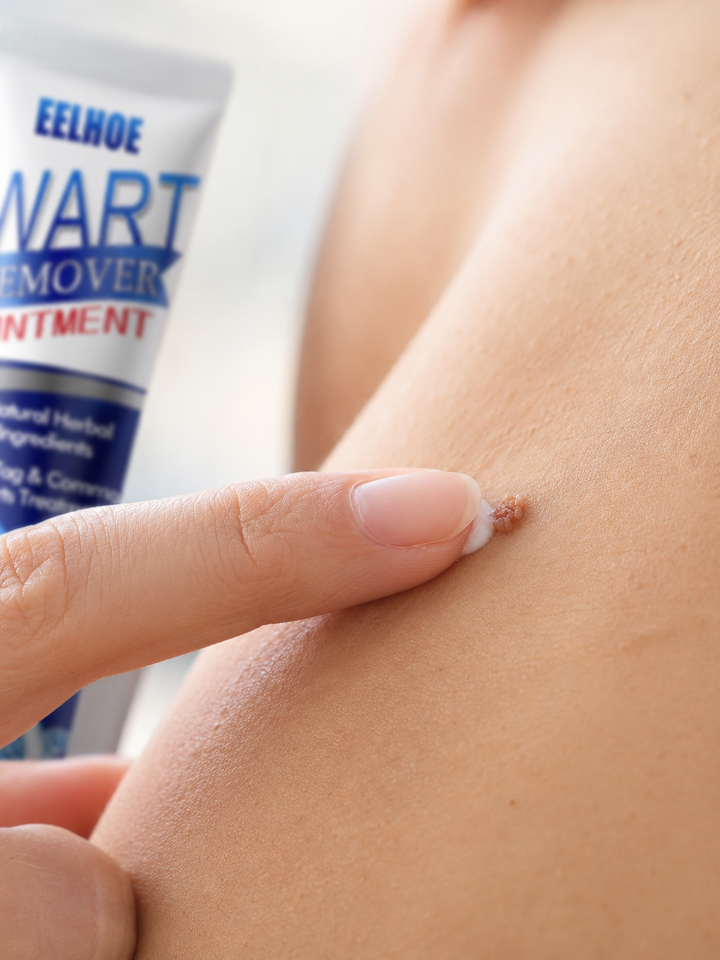
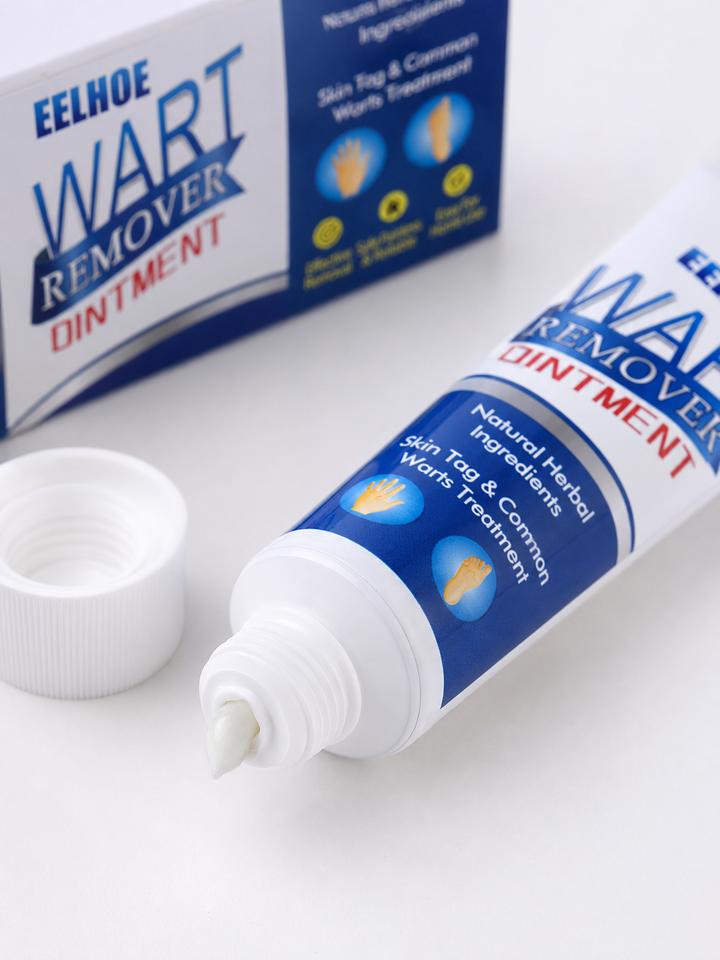

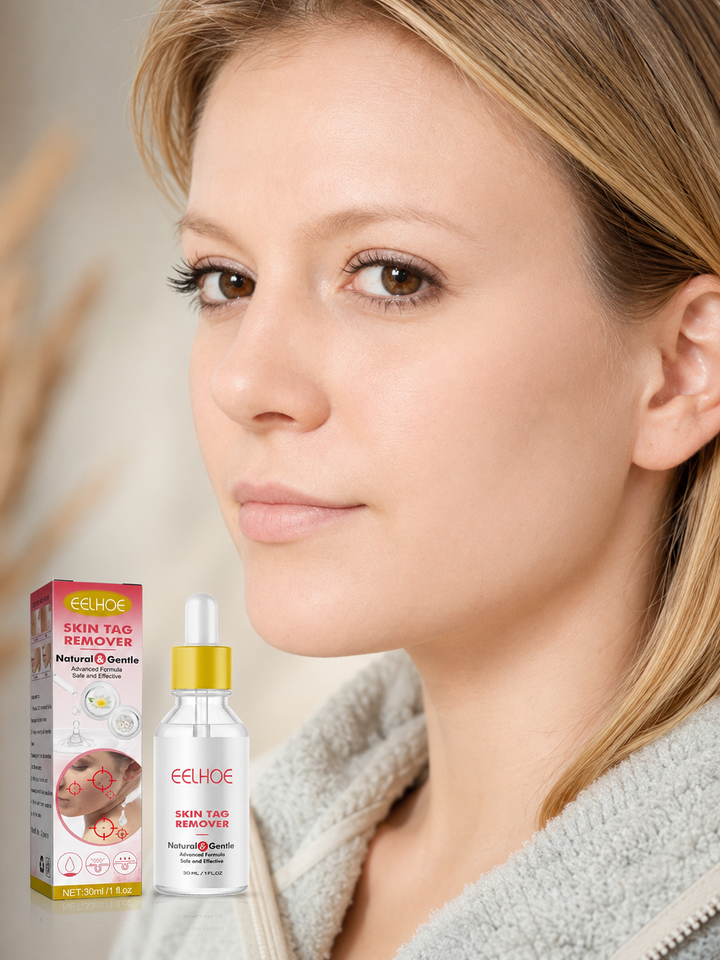
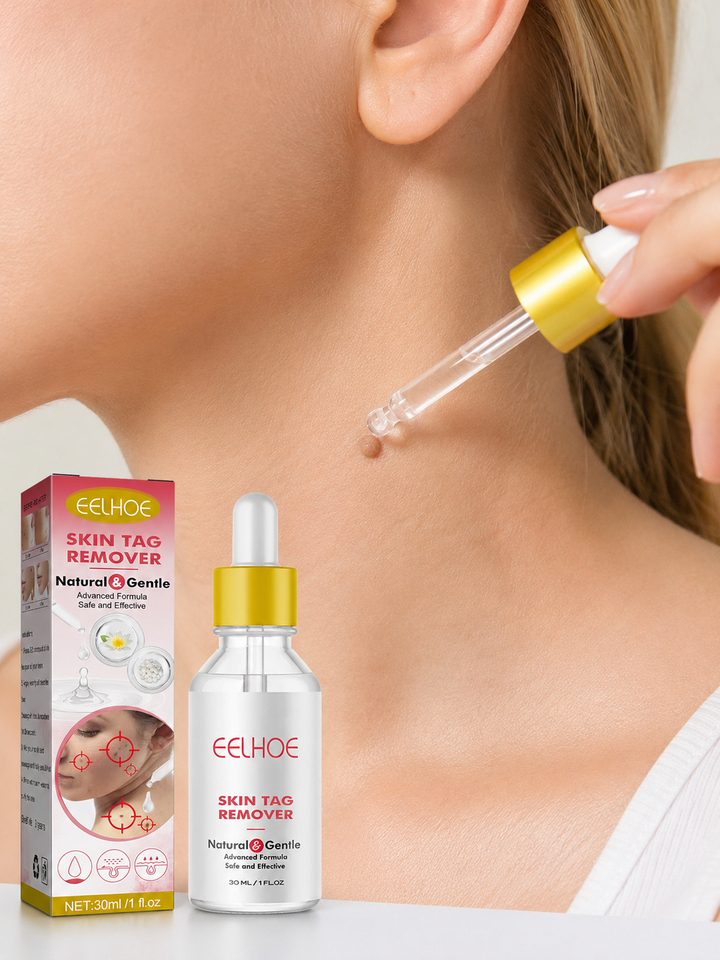
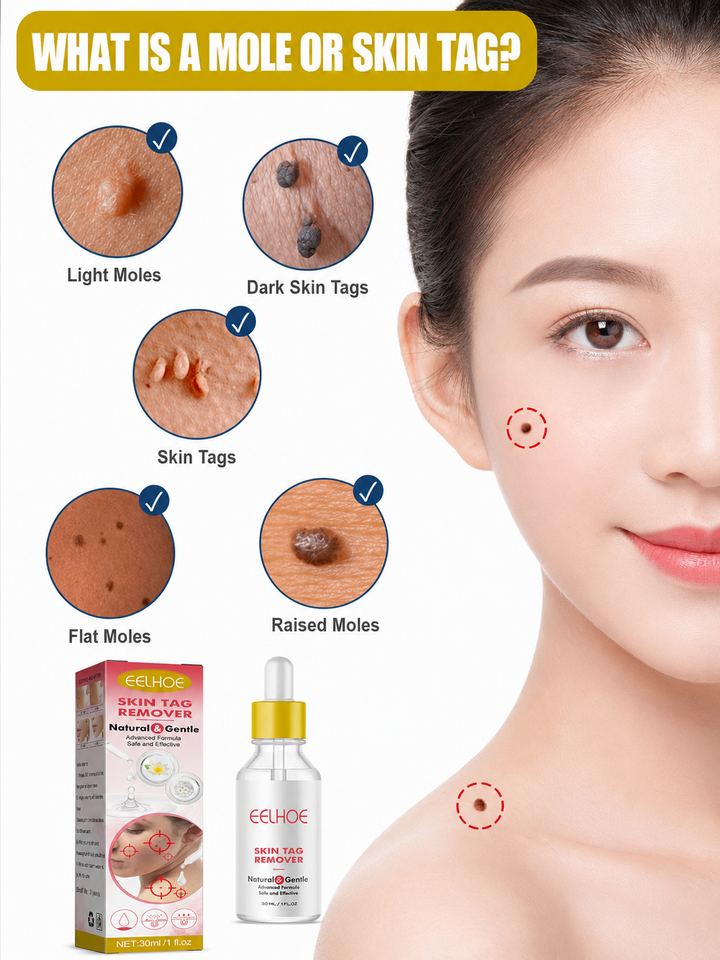


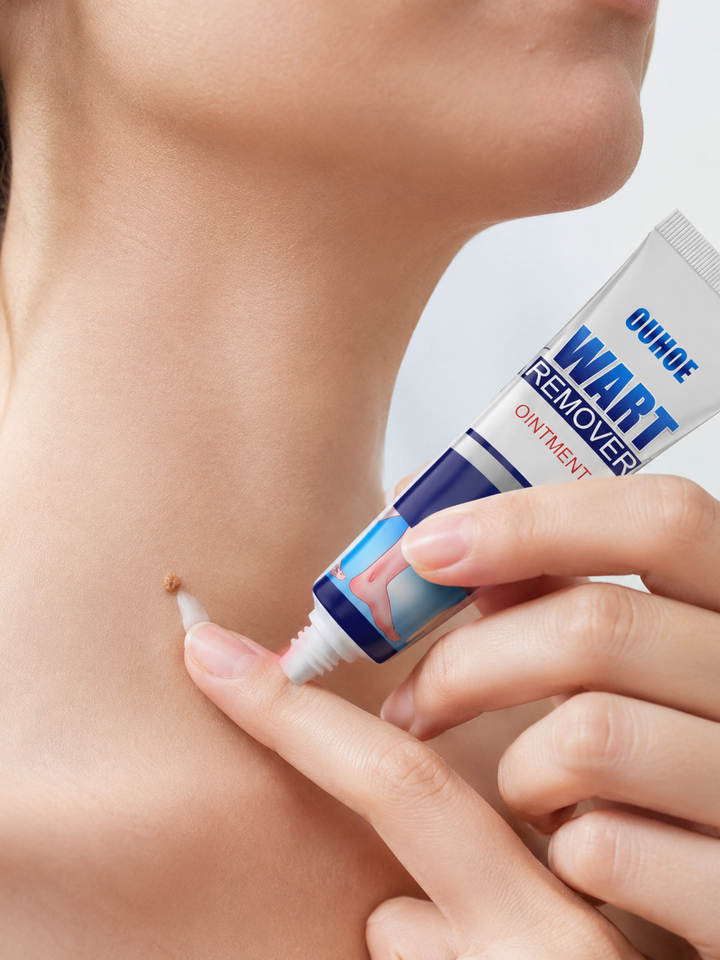


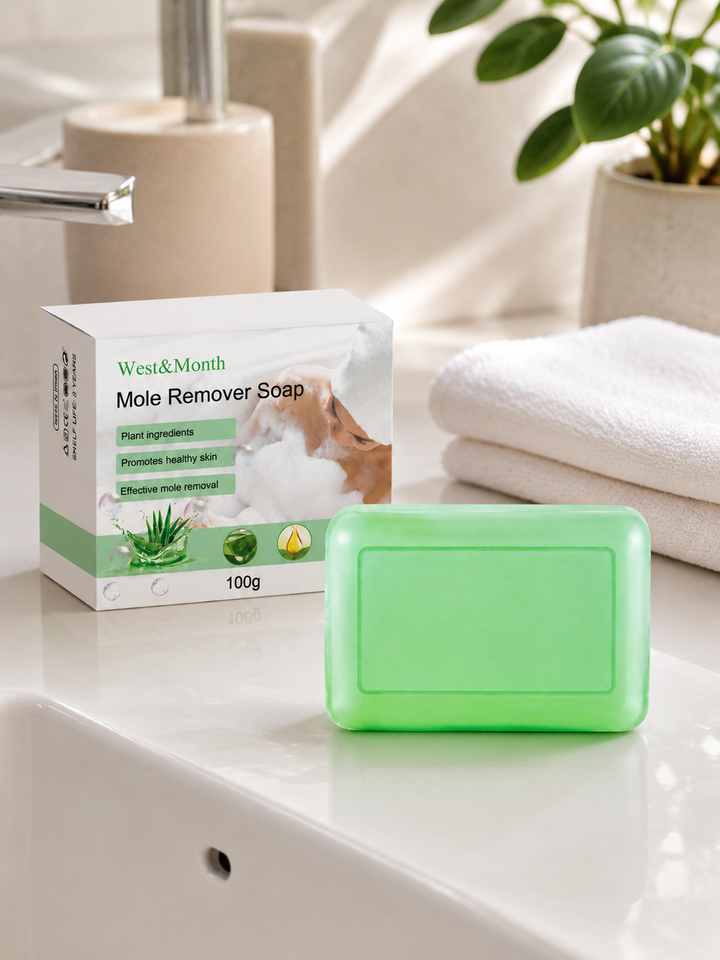

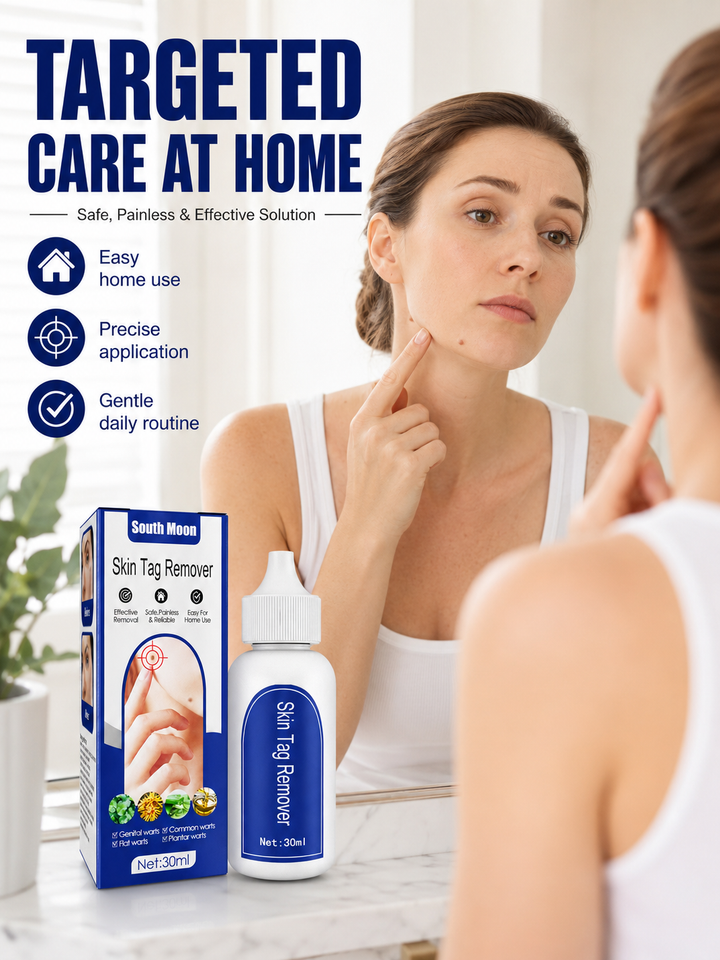
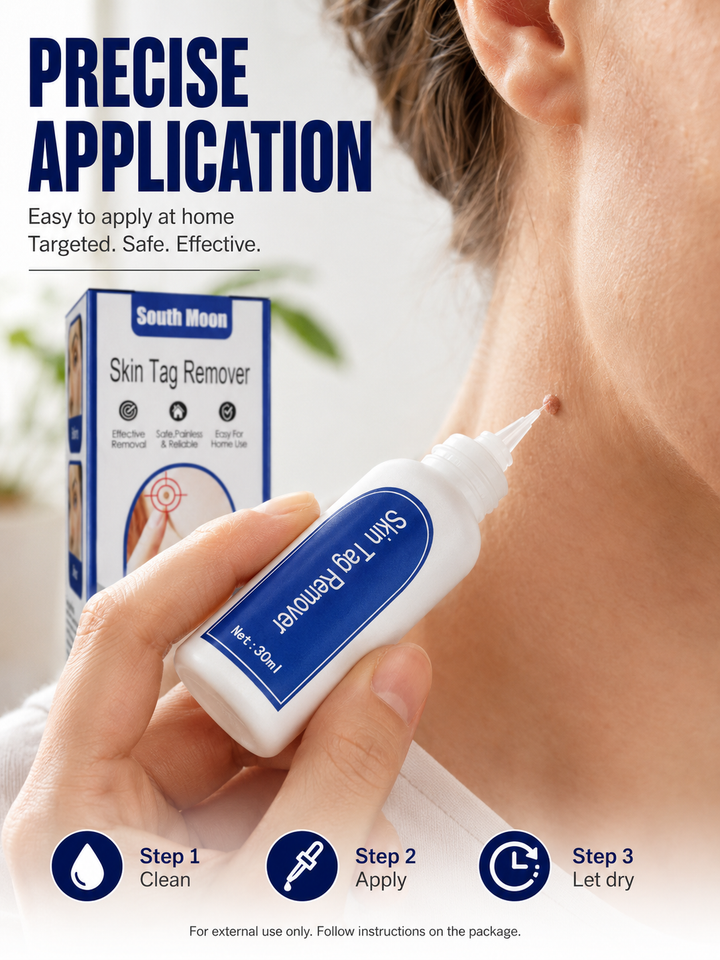
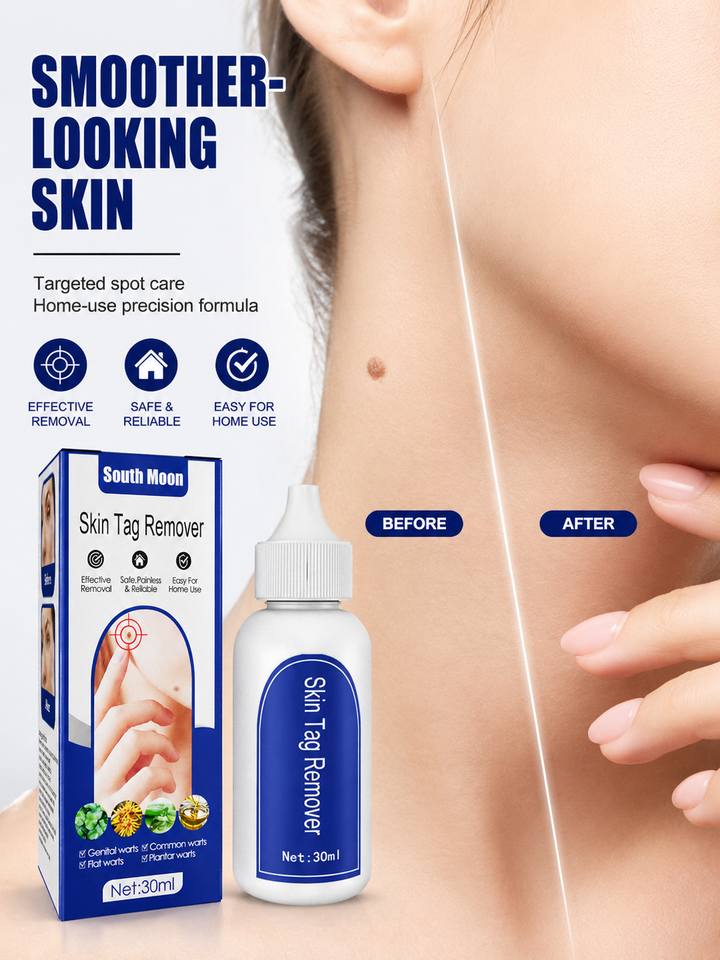

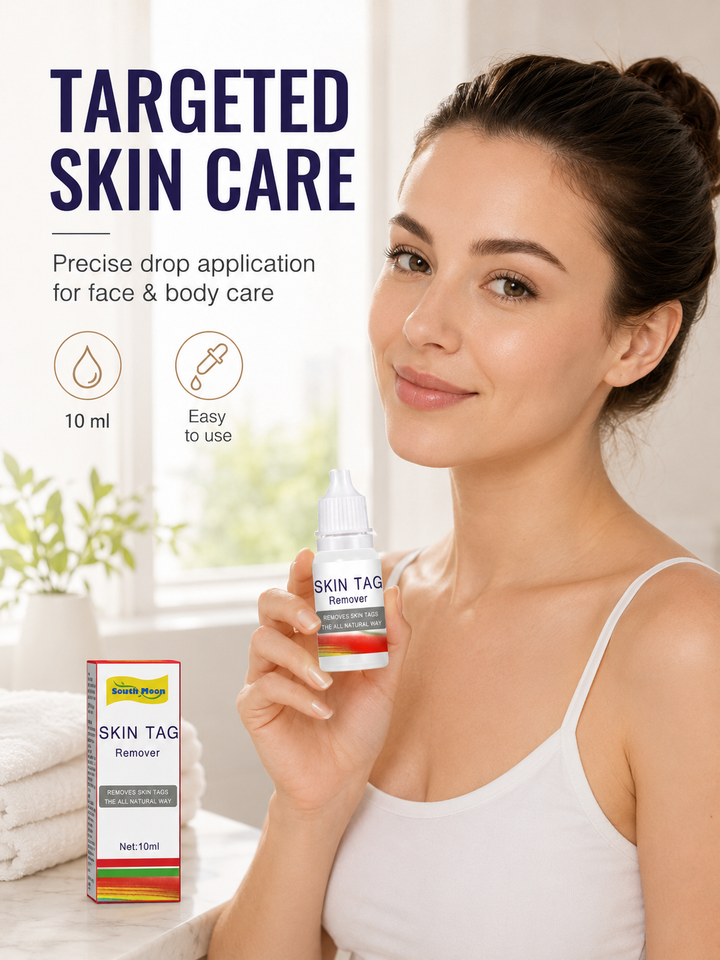
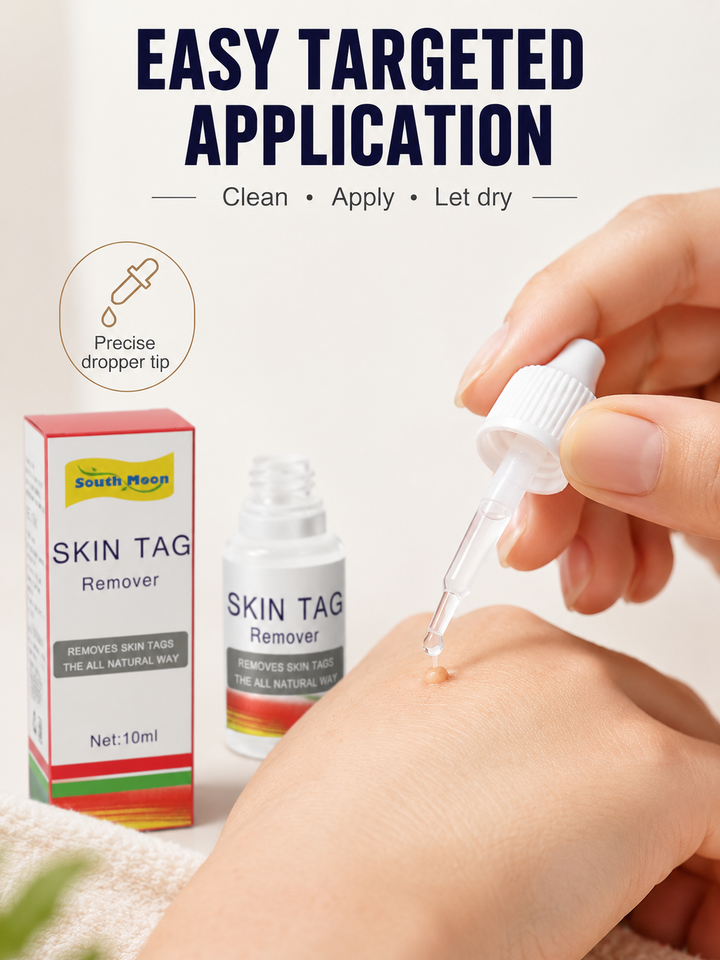
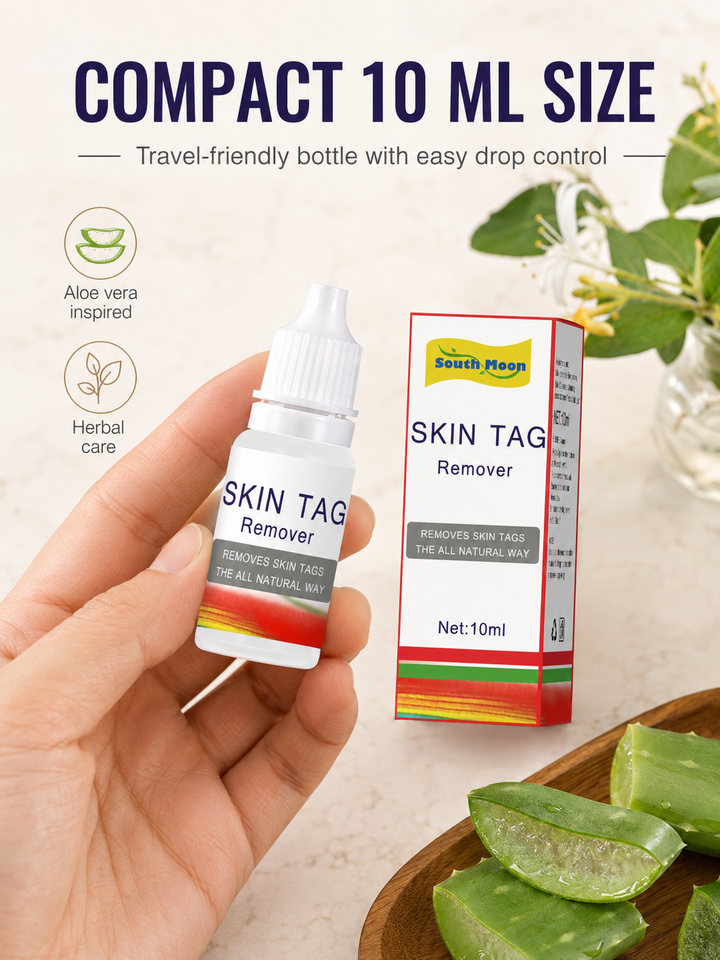

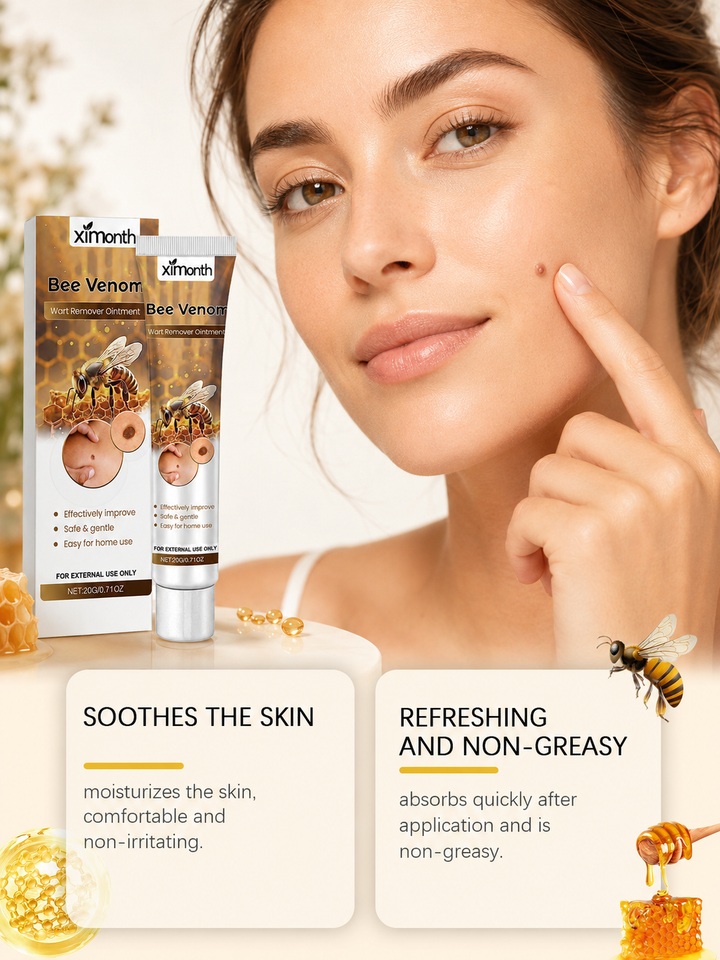
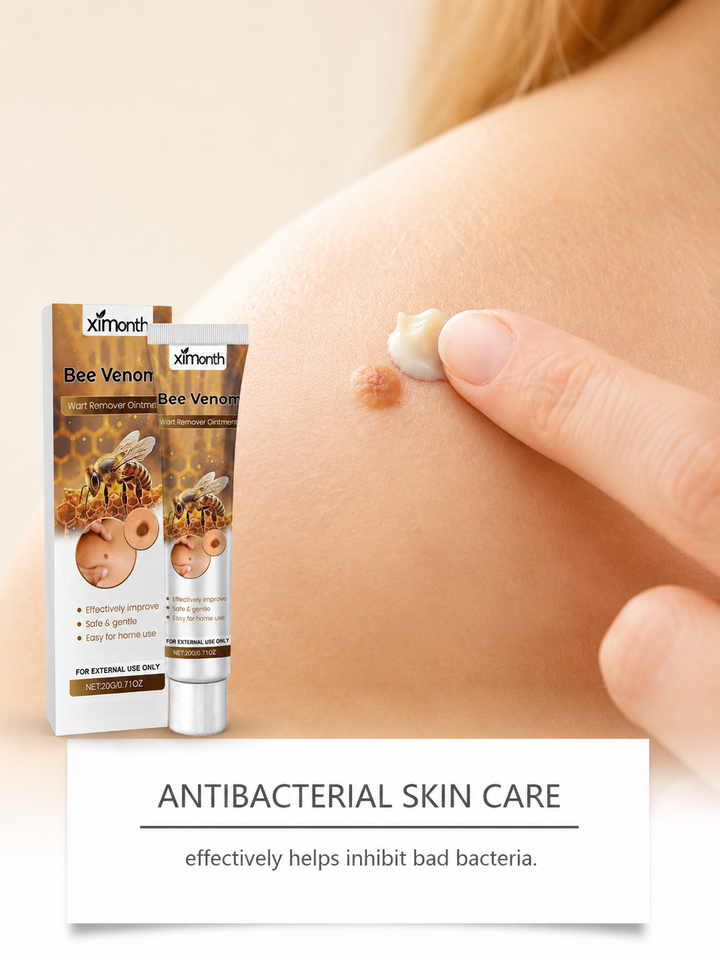
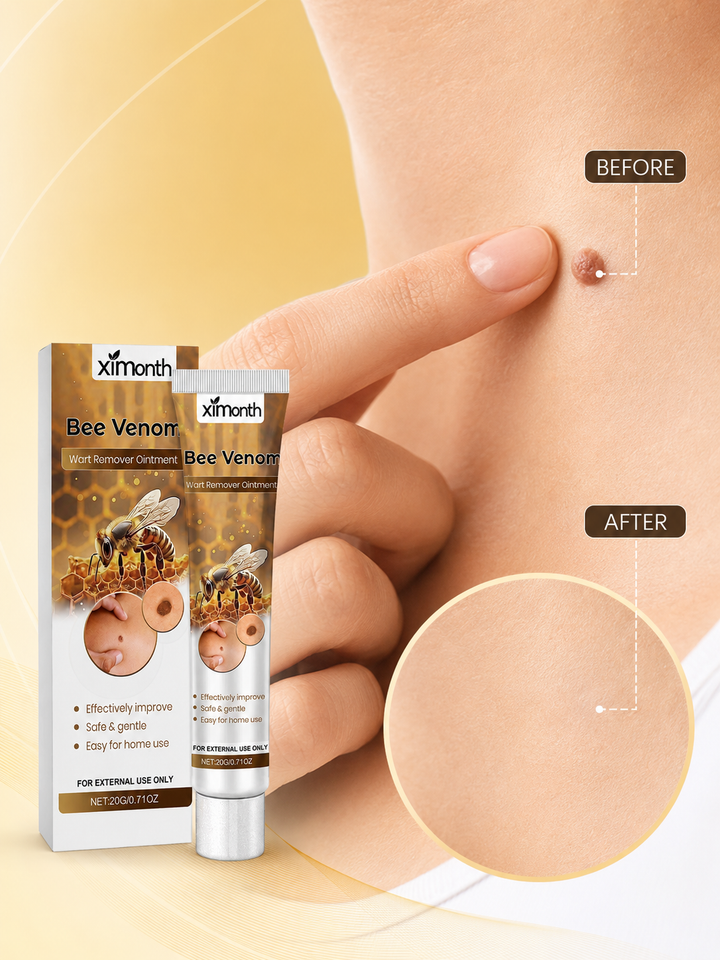

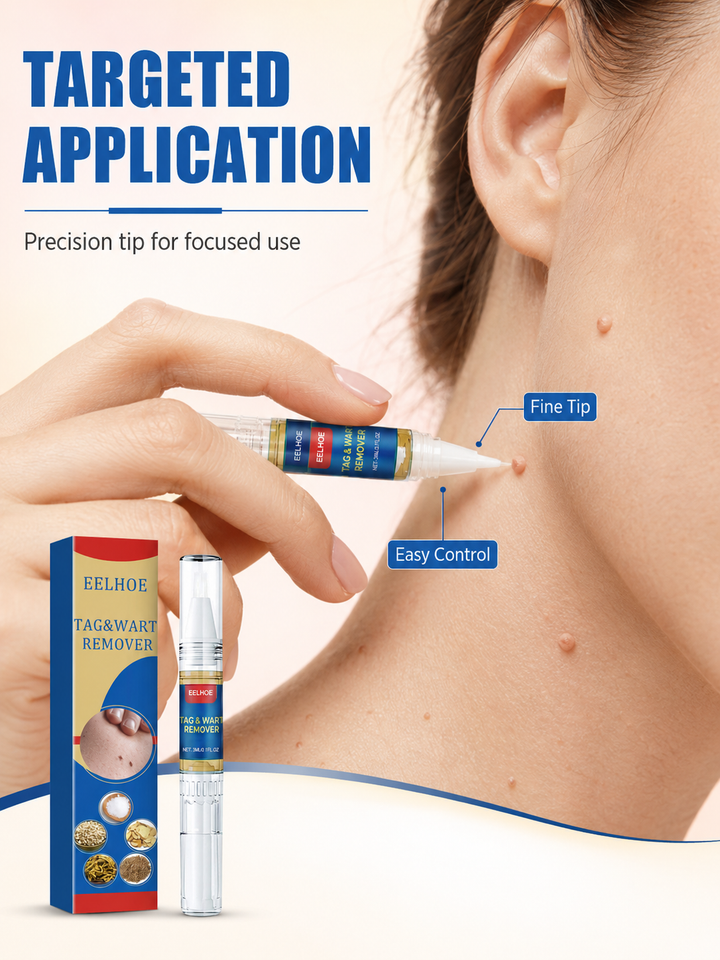
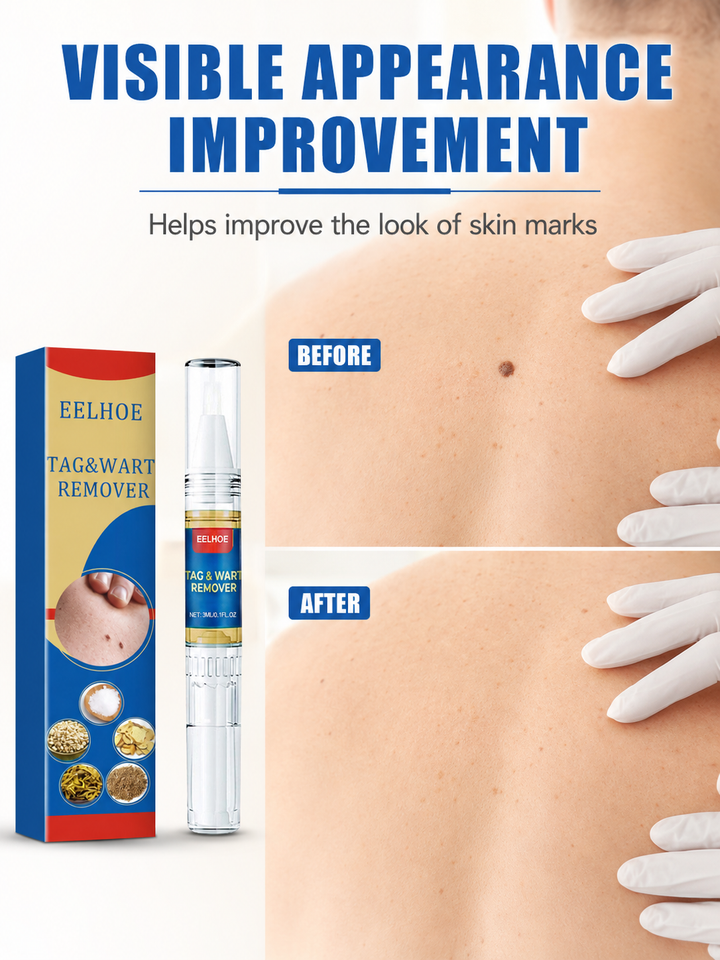
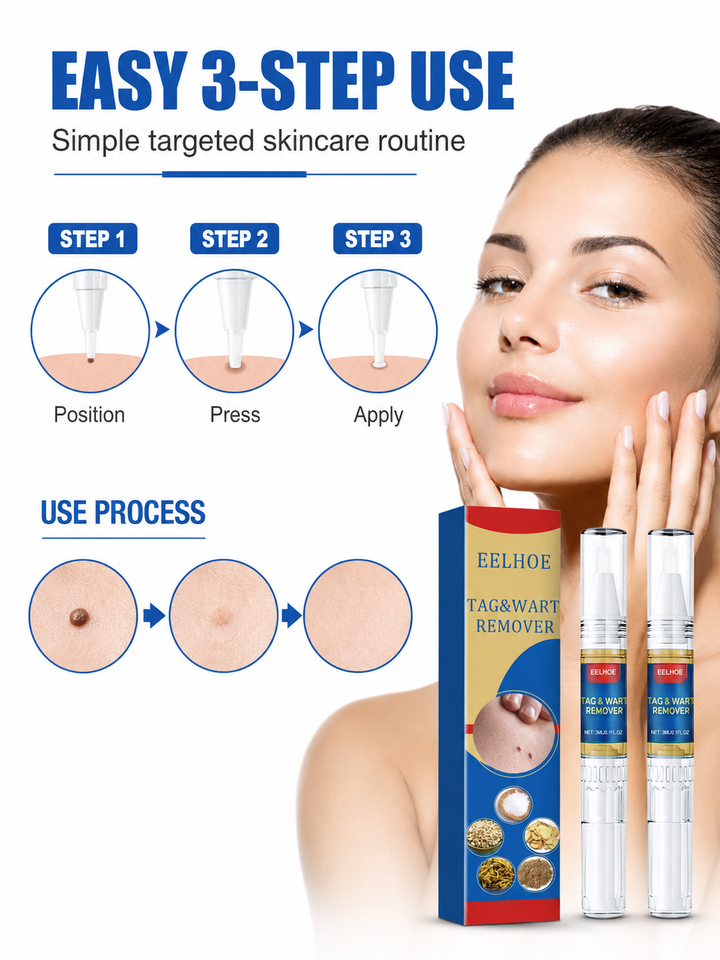


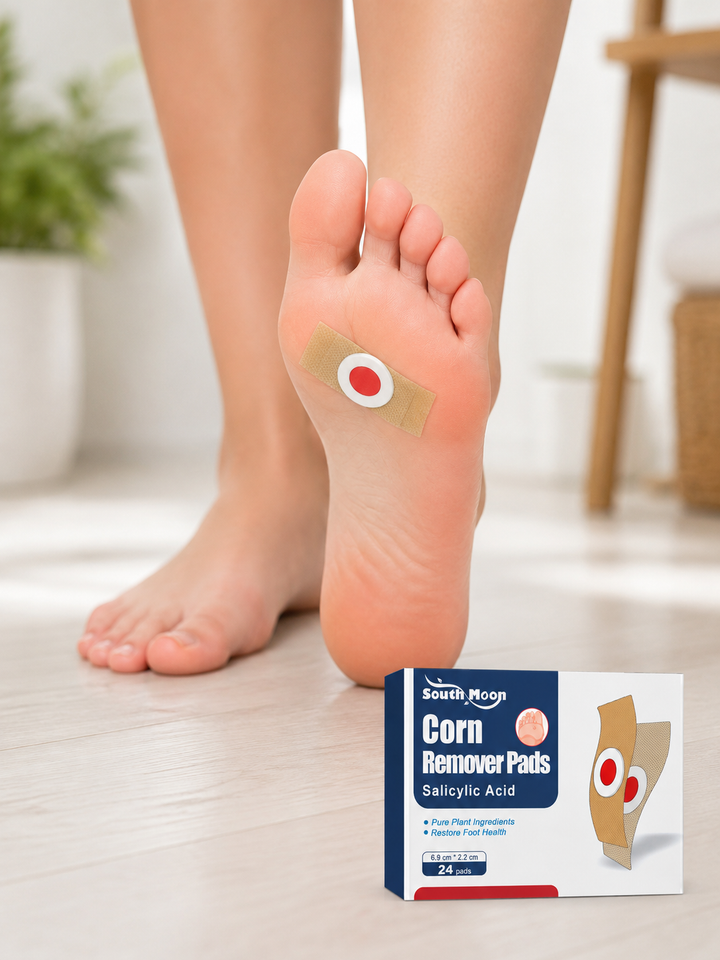
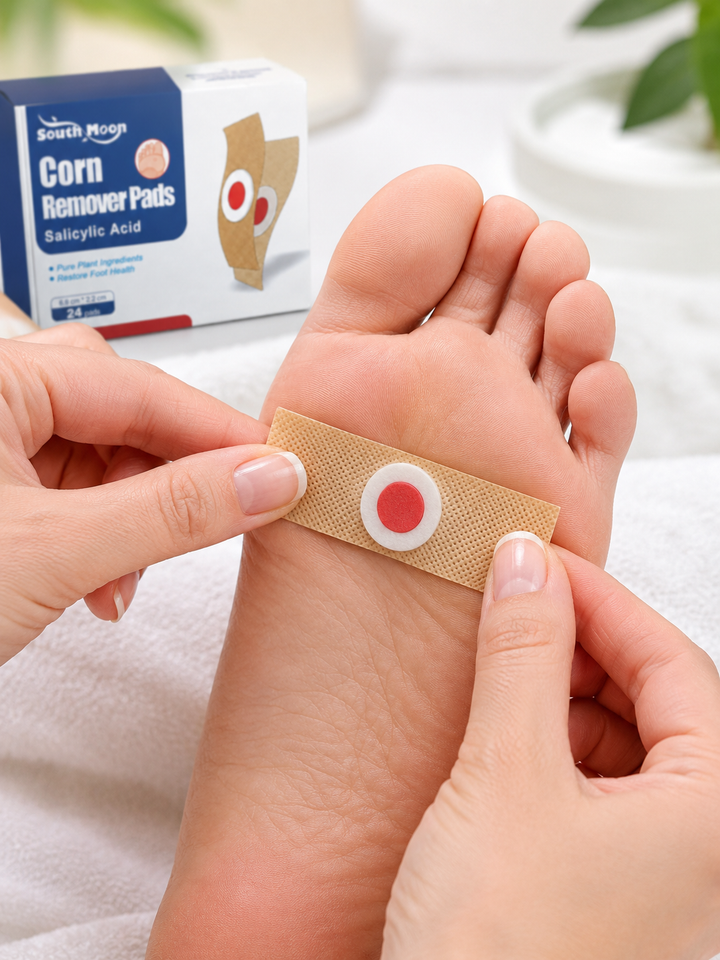
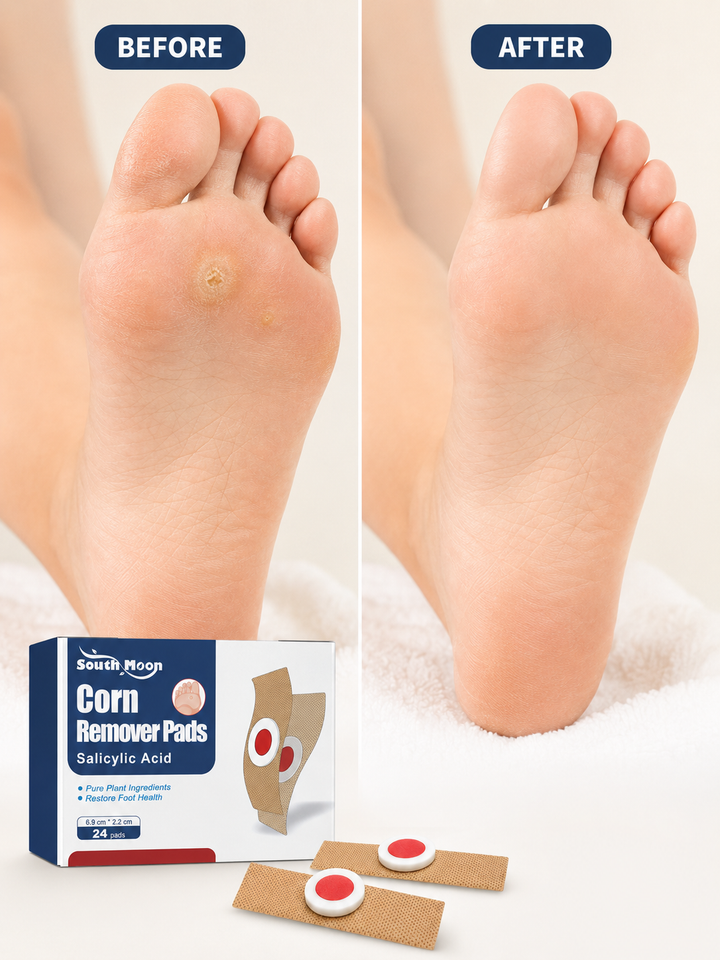

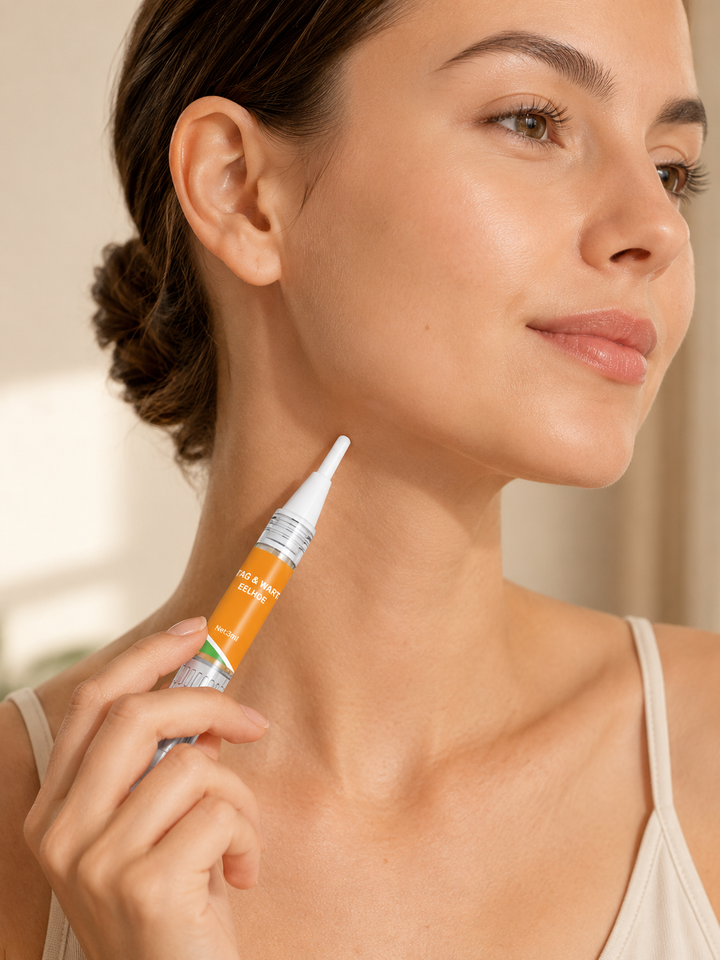
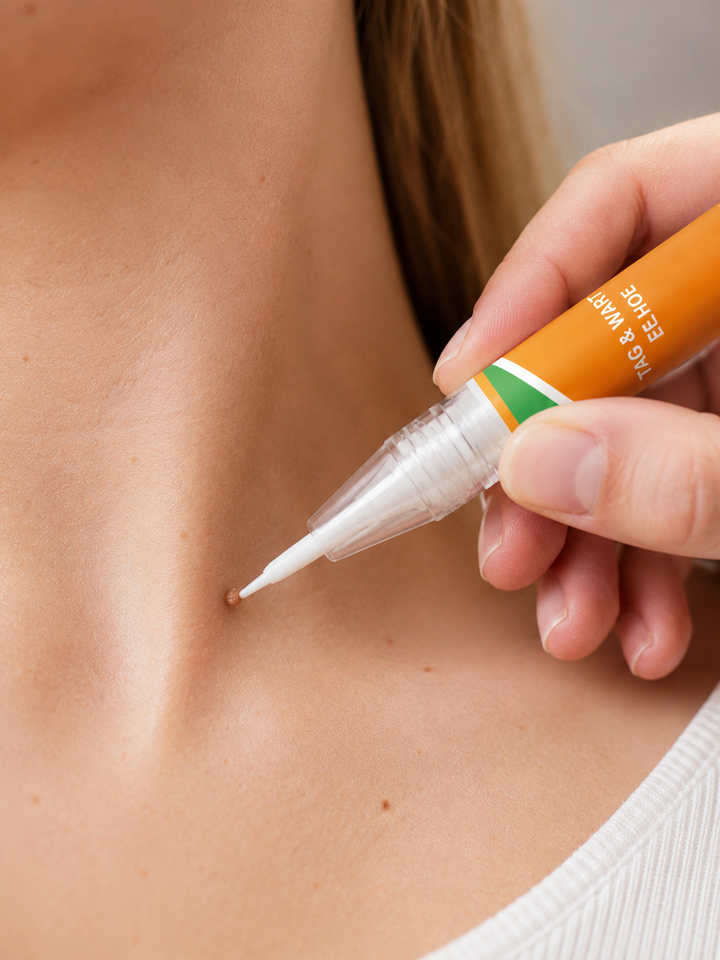
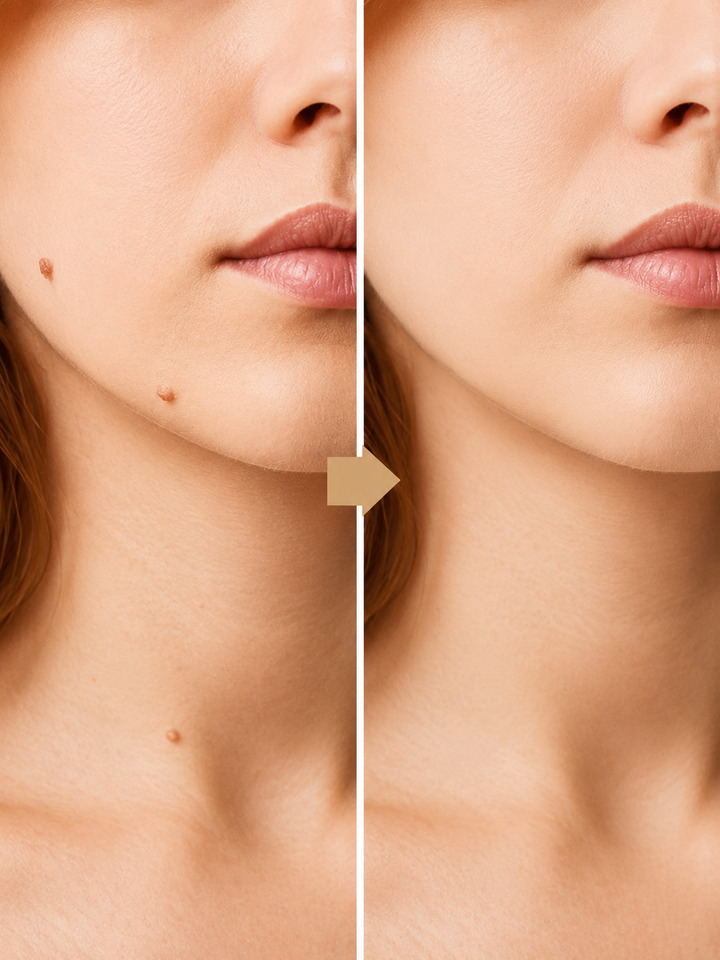

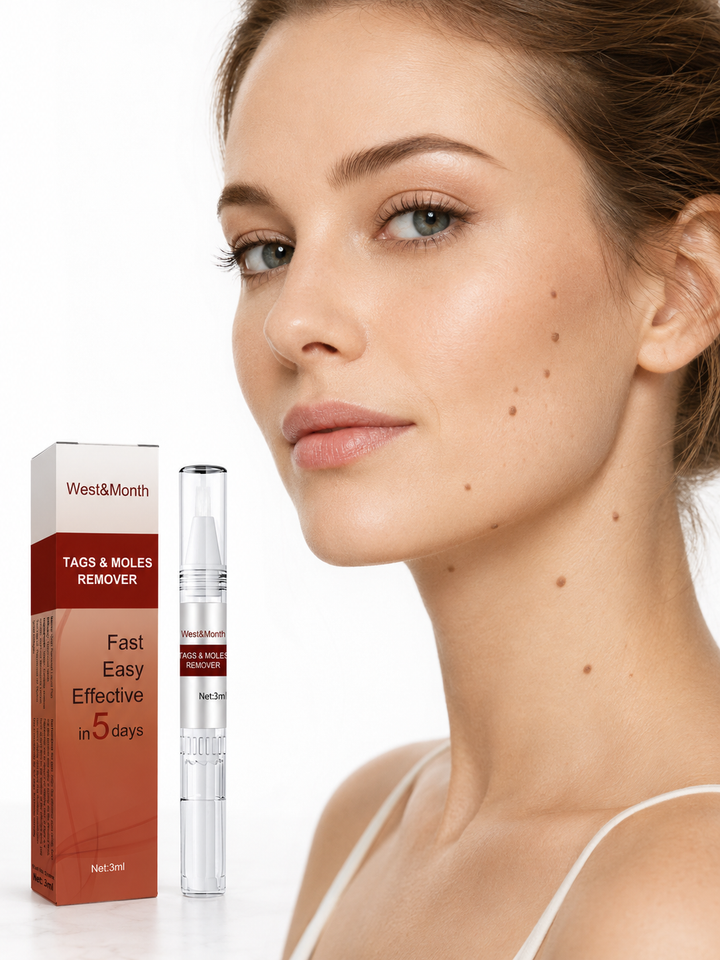
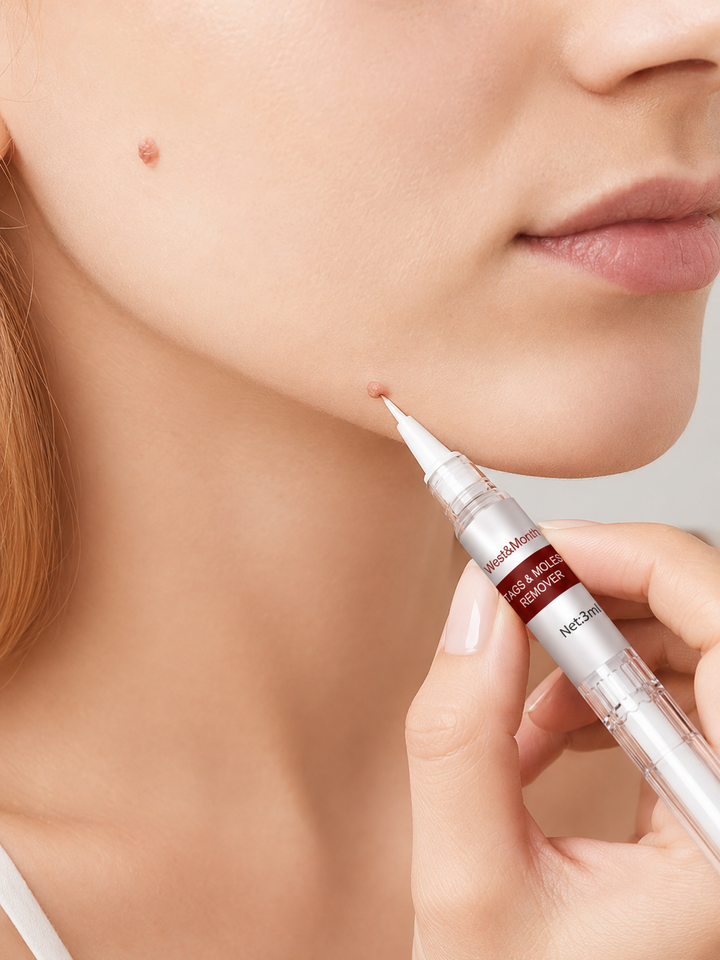
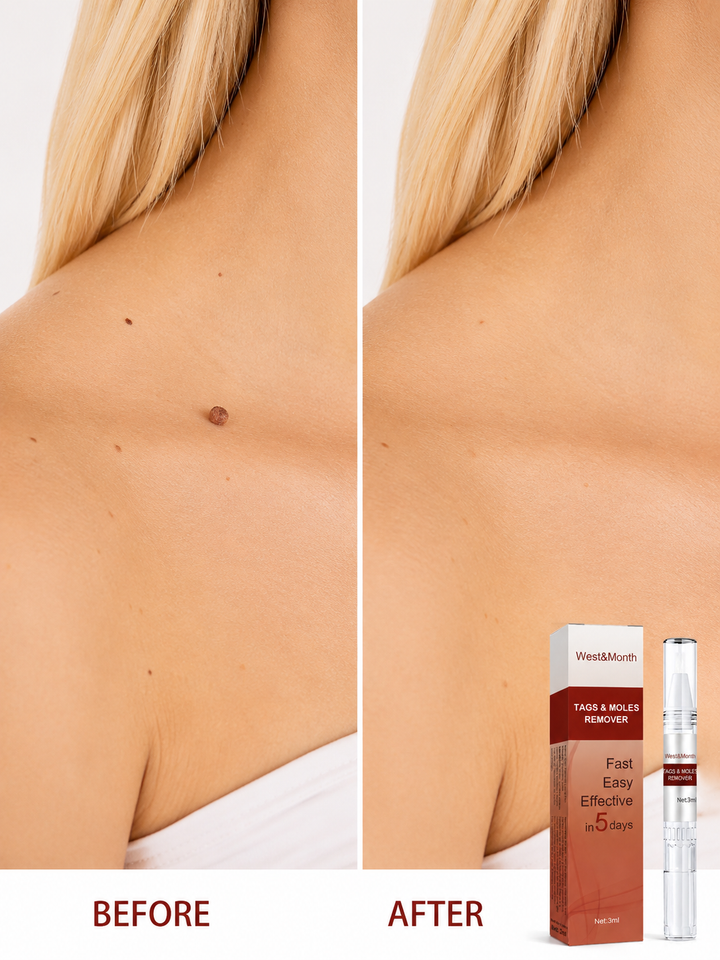

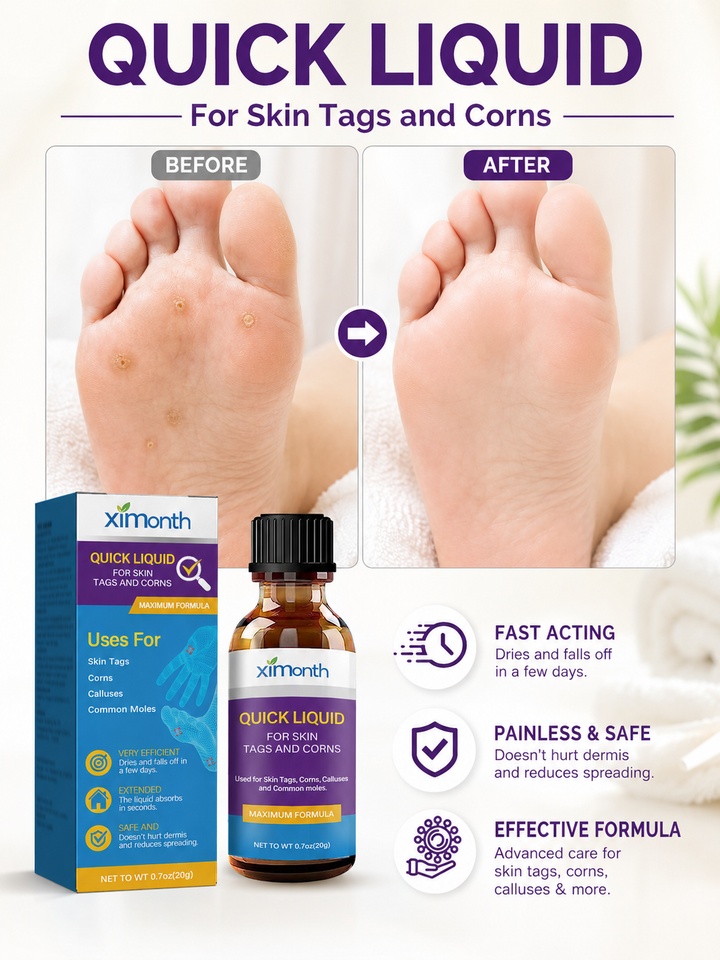
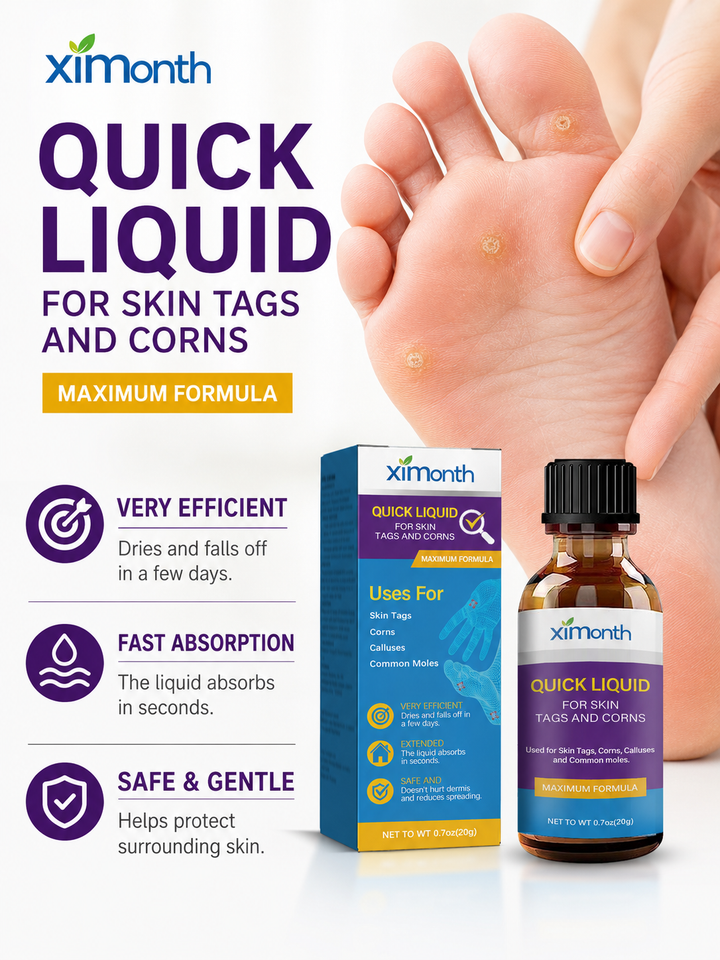


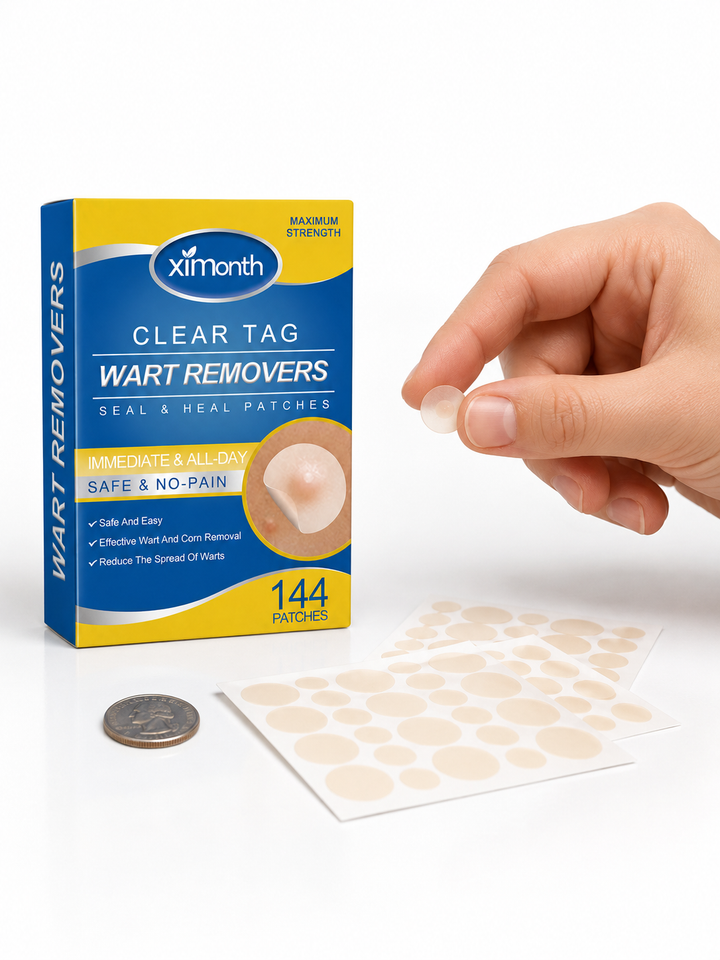
Wart removers come in several at-home formats, including patches, ointments, liquids, serums, sticks, and soaps. Compare the application method, intended area, ingredient information, and skin-care instructions before choosing a product for your routine.
How do I choose the right wart remover?
Start by identifying where you plan to use the product and how much precision you need. Patches are convenient for covering a small area, while ointments and serums let you apply the product directly with a cotton swab or applicator. Liquids may suit shoppers looking for targeted application, especially for flat blemishes, but products intended for the face or near the eyes should be clearly labeled for that use. If you are specifically searching for salicylic acid for warts, check the full ingredient list because not every wart remover contains it. Also consider whether you prefer a single treatment product, a multi-pack of patches, or a simple daily routine.
What types of wart removers are available?
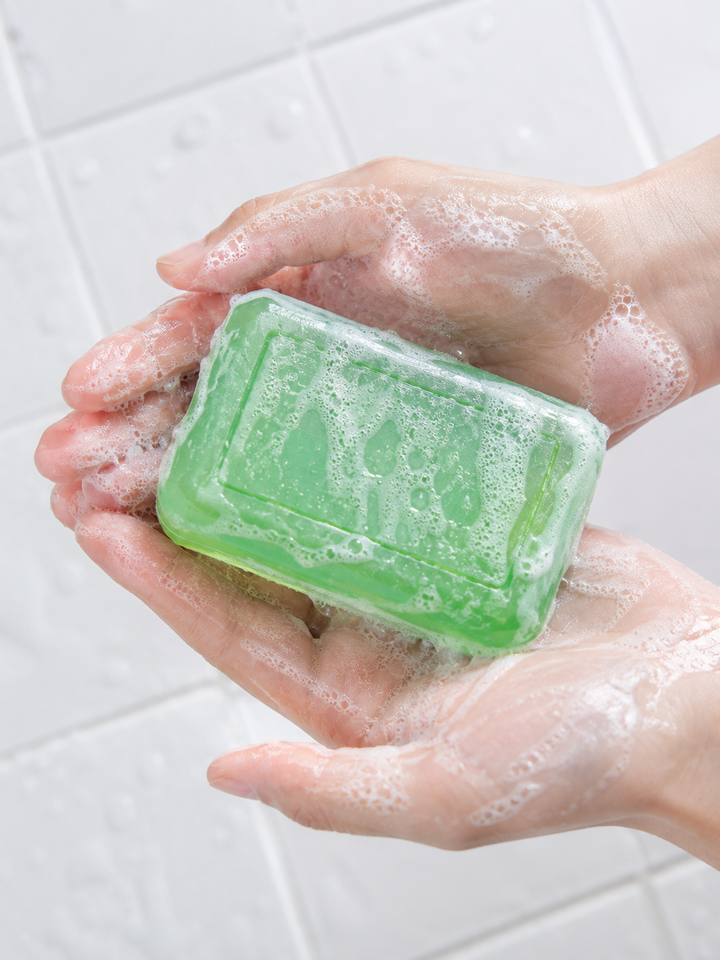
Patches offer a ready-to-use format and can help keep the product contained on the selected spot. Ointments provide a spreadable texture for localized application, while serums and liquids are designed for more precise use. Thuja-based treatments, herbal ointments, and other natural-formula products appeal to shoppers seeking a non-acid option, but read the directions and ingredients carefully. Soaps are used as part of a cleansing routine rather than as a spot patch. Products in this category include face-focused flat wart liquid, skin tag and wart serums, ointments, a 144-patch pack, and a natural mole and wart treatment. Choose based on application style rather than the word “strongest” alone.
What should I look for in a wart removal product?
Look for clear directions, a complete ingredient list, an applicator or defined application method, and packaging that identifies the intended skin area. For plantar wart removal, shoppers may prefer a format that stays in place during regular movement, such as a patch, but confirm that the product instructions cover your intended use. If you want the best wart removal cream or wart remover ointment, compare texture, application frequency, and whether the formula is labeled for warts, skin tags, or both. Avoid products with vague instructions or unclear warnings. Check the package for storage guidance, the size or quantity supplied, and whether the product is suitable for your skin-care routine.
How can I use wart removers at home?
Read the product directions before the first application and use only the amount recommended on the package. Clean and dry the area, then apply the ointment, serum, or liquid precisely, or place the patch over the selected spot without spreading product onto surrounding skin. Wash your hands after use and avoid sharing applicators, patches, towels, or personal-care items. Do not combine multiple wart removal medicine products unless a healthcare professional advises it. Stop using the product if you experience significant irritation, pain, swelling, or an unexpected reaction. Do not apply products to broken, infected, or irritated skin, and seek professional advice for facial, genital, or uncertain growths.
What are common wart remover mistakes?
A common mistake is choosing a product based only on claims such as “strongest” or “fastest” without checking the intended application area. Applying too much, using the product more often than directed, or treating the surrounding skin can increase irritation. Shoppers may also mistake a mole, skin tag, blister, callus, or another growth for a wart. Do not cut, scrape, burn, or pick at a growth while using a remover. Hydrogen peroxide and other household substances are not automatically suitable substitutes for a product with directions for wart use. Avoid home treatment when the growth is bleeding, changing, painful, or difficult to identify; ask a healthcare professional for guidance instead.
Who are at-home wart removers suitable for?
At-home products may suit adults who can identify the area, follow written directions, and prefer a self-care format such as patches, ointments, serums, soap, or liquid treatment. A patch can be practical for shoppers who want a contained application, while an ointment or serum may suit those who prefer direct spot treatment. Parents, people with sensitive skin, and anyone managing a condition or taking regular medication should check with a healthcare professional before use. Do not use a product on a child, on the face, near the eyes, or on delicate skin unless the label specifically permits it. If you are unsure whether a growth is a wart, professional assessment is the safer choice.
Frequently asked questions
What is the best wart remover?
The best option depends on the location, size, and type of growth, as well as your preferred application method. Compare patches, ointments, serums, and liquids by their ingredients, intended skin area, directions, and ease of precise application.
What kills warts faster?
There is no single option that is fastest for every person or every growth. Follow the selected product’s directions consistently, and avoid applying extra product or combining treatments in an attempt to speed up results.
How can I remove a wart myself?
Choose an over-the-counter product labeled for the intended area and follow its instructions carefully. Do not cut, burn, or pick at the growth, and seek professional advice if it is painful, bleeding, changing, or not clearly a wart.
What is the best for removing warts?
Product choice depends on whether you prefer a patch, ointment, serum, soap, or targeted liquid. Review the ingredient list and application instructions, and select only a product that is labeled for the location you plan to treat.
Does hydrogen peroxide get rid of warts?
Hydrogen peroxide is a household product and should not be assumed to be a suitable wart treatment. Use a product with clear directions for wart use instead, and ask a healthcare professional if you are unsure what the growth is.
What is the old cure for warts?
Traditional home remedies include various household substances and herbal preparations, but “old” does not mean proven, suitable, or safe for every skin area. A labeled over-the-counter product provides clearer usage instructions; avoid caustic substances, cutting, or applying untested mixtures to the skin.