Waist Belts for Dresses: Chain, Fancy & Brown Styles
3 items


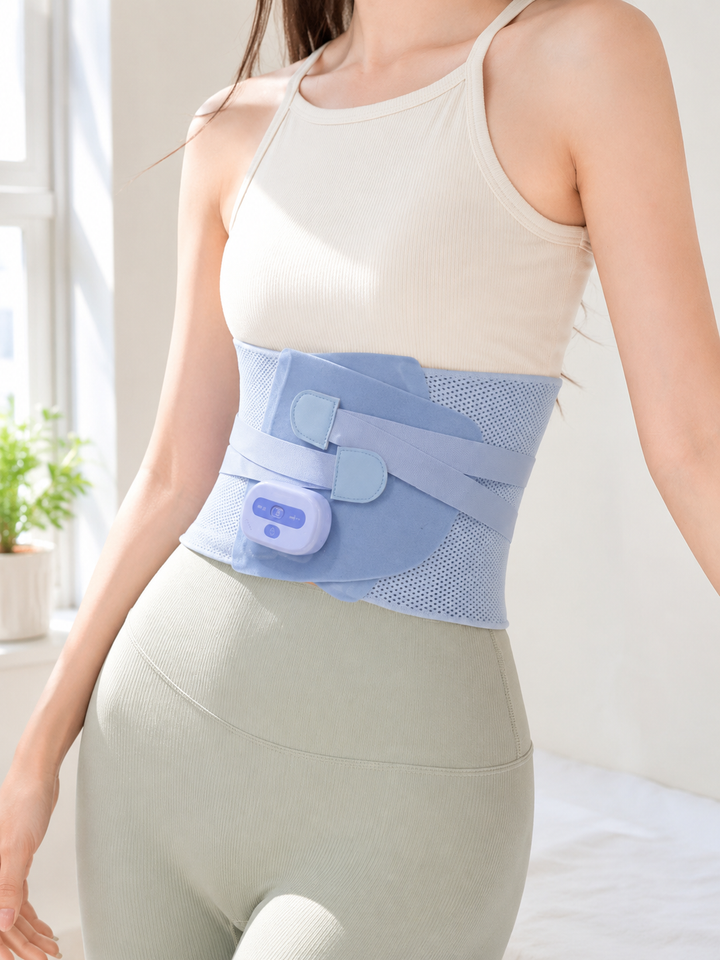
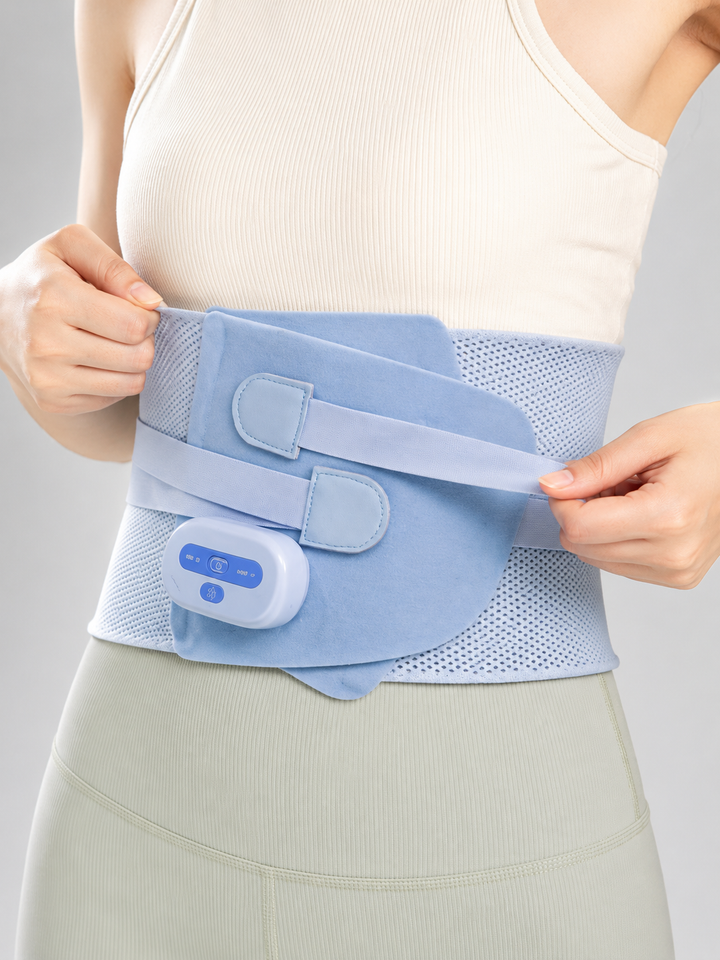


Find a waist belt that suits your outfit and the kind of support or comfort you want from it. This category combines chain, fancy, and brown dress belts with practical waist support options, including an inflatable lumbar brace, an EMS pulse massager, and a heated waist support brace.
How to choose a waist support belt for dresses
Start with the purpose: a chain or fancy belt is mainly an outfit accessory, while a waist support belt is designed to provide adjustable compression, warmth, massage, or lumbar positioning. For styling, choose a narrow belt for light dresses and a wider brown belt for knitwear, shirts, or layered looks. For support, check the sizing range, closure style, adjustability, and where the product sits on your waist or lower back. An inflatable back brace can be useful when you want to adjust the fit gradually. A heated waist support brace suits shoppers who prefer warmth, while an EMS pulse waist massager combines pulse settings with heat and vibration. Read the care instructions before wearing any support product over clothing.
What are the different types of waist belts compared?
Chain waist belts create a decorative drape and work well with dresses, tunics, and high-waisted outfits, but they offer little physical support. Fancy belts add visual detail through textured finishes, decorative buckles, or embellished designs. Brown waist belts provide a versatile contrast with cream, denim, black, and earthy tones. Support-focused products are different: the inflatable lumbar brace is intended for adjustable waist and lower-back positioning; the heated waist support brace adds a warming function; and the EMS pulse waist massager offers pulse, heat, and vibration modes. If your priority is appearance, choose by width and finish. If your priority is waist support, compare fit, controls, coverage, and wearing instructions instead of treating a fashion belt as a back brace.
What should I look for in a waist support?
Look for a secure but adjustable fit, soft edges, breathable contact areas, and controls you can reach without removing the product. A waist support belt should stay in place during normal movement without feeling painfully tight. For an inflatable back brace, consider how easily the air level can be adjusted and released. For the heated brace, check the heat controls and the recommended use instructions. For the EMS pulse waist massager, review the available modes and how the control unit attaches. Also consider clothing: a slim support may sit more discreetly under a dress, while a wider belt can show through lightweight fabric. If you are shopping for orthopedic back support or support for back pain, treat product descriptions as comfort guidance, not a diagnosis or substitute for professional advice.
How do you use a waist support belt safely?
Read the product instructions first, then place the belt around the intended waist or lumbar area and adjust it gradually. It should feel supportive rather than restrictive. Begin with the recommended setting and duration, especially when trying heat, vibration, or EMS pulse functions for the first time. Keep skin clean and dry, and inspect the area after use for discomfort or irritation. Do not sleep in a support product unless its instructions specifically allow it, and do not use electrical or heated functions while the product is wet. A waist support chair or a lumbar cushion may be more suitable when you need seated support at a desk. Stop using the product if it causes pain, numbness, skin changes, or unusual symptoms, and seek appropriate professional guidance.
What are common waist support mistakes?
One common mistake is choosing a decorative chain or fancy belt when you actually need lumbar support; fashion belts are not replacements for a back brace. Another is tightening a support belt as much as possible, which can make sitting, breathing, or moving uncomfortable. Shoppers also sometimes use heat or EMS pulse settings for longer or stronger sessions than the instructions recommend. Avoid wearing a heated waist support over irritated skin, and do not fold or sharply bend electrical components. Check the size chart rather than assuming your dress-belt size matches a support product. Finally, do not rely on a belt alone for persistent lower-back discomfort. A waist support can be one comfort or positioning aid, but daily movement habits and qualified advice may also matter.
Who is a waist support belt suitable for?
Decorative waist belts suit shoppers who want to define the silhouette of a dress or add contrast to an outfit. Brown styles are especially easy to coordinate with neutral, denim, and autumn-weight clothing. Support products suit adults comparing a waist support belt, a lumbar brace, or a heated waist support for temporary comfort and positioning during everyday activities. The best choice depends on whether you prefer adjustable inflation, warmth, or pulse-and-vibration functions. Anyone with an injury, ongoing pain, reduced sensation, circulation concerns, or a medical condition should check with a qualified healthcare professional before using a brace or electrical product. These products are not designed to diagnose or treat a condition. For desk work, compare a waist support chair or separate lumbar support if the main issue is seated posture.
Frequently asked questions
What does a waist brace do?
A waist brace can provide adjustable compression, positioning, or warmth around the waist and lumbar area, depending on its design. In this category, the inflatable brace focuses on adjustable fit, while the heated brace adds warmth and the EMS massager adds pulse and vibration functions. It should feel supportive, not painfully tight.
What's the worst thing you can do for back pain?
There is no single worst action for every person or type of back pain. Ignoring severe or worsening symptoms, forcing painful movement, or using a brace too tightly can be unhelpful. Seek prompt professional advice for serious, sudden, or unusual symptoms rather than relying only on a waist support product.
Can wearing a waist trainer help with lower back pain?
A fashion waist trainer is not the same as a lumbar support brace and should not be assumed to help lower-back pain. Tight shaping garments may feel restrictive and are not a substitute for an inflatable back brace or other purpose-designed support. Choose a product according to its instructions and stop if it causes discomfort.
What is the best support for lower back pain?
The best option depends on the cause of the discomfort, your activities, and how the product fits. An inflatable lumbar brace offers adjustable support, while a heated brace or EMS pulse massager may suit shoppers seeking warmth or massage-style features. For ongoing or significant pain, ask a qualified healthcare professional what type of support is appropriate.
What are the big 3 for lower back pain?
The phrase can refer to different exercise routines, so it does not identify one universal set of movements. Exercises should be chosen for your symptoms, mobility, and health history rather than copied from a product page. A waist support belt may assist comfort or positioning, but it does not replace individualized exercise guidance.
What heals lower back pain fast?
There is no guaranteed fast remedy because lower-back discomfort can have many causes. Gentle activity within your comfort level, sensible positioning, and following qualified advice may be more appropriate than prolonged rest or excessive tightening of a brace. Get professional help for persistent, severe, or worsening symptoms.