Anti-Snoring46 items

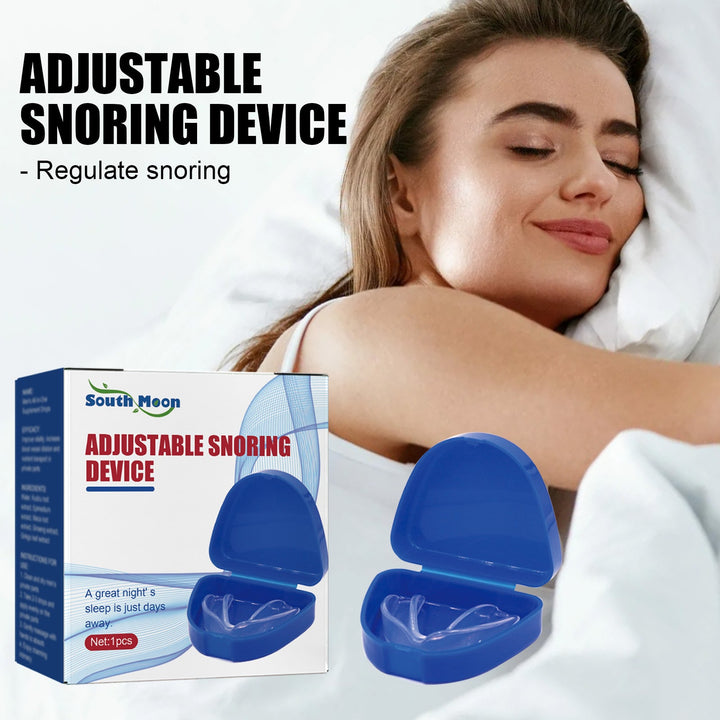
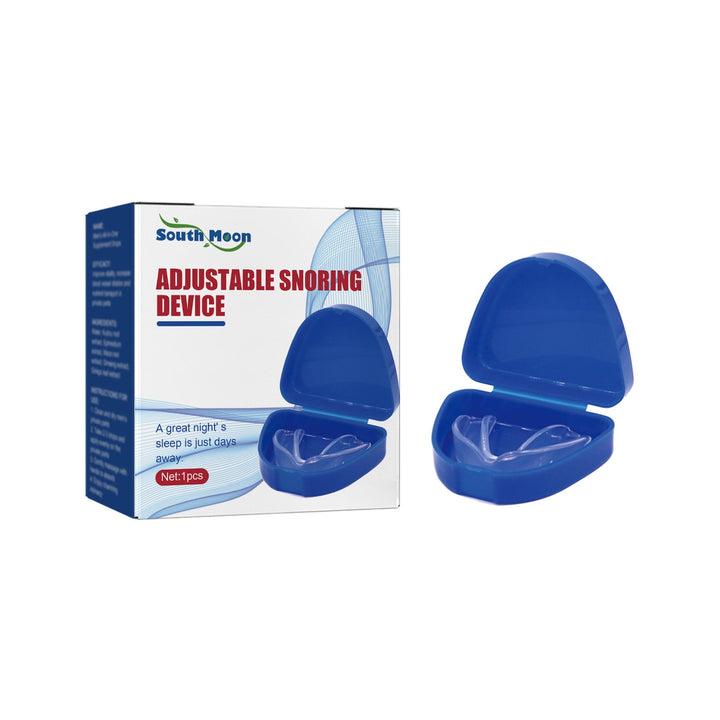
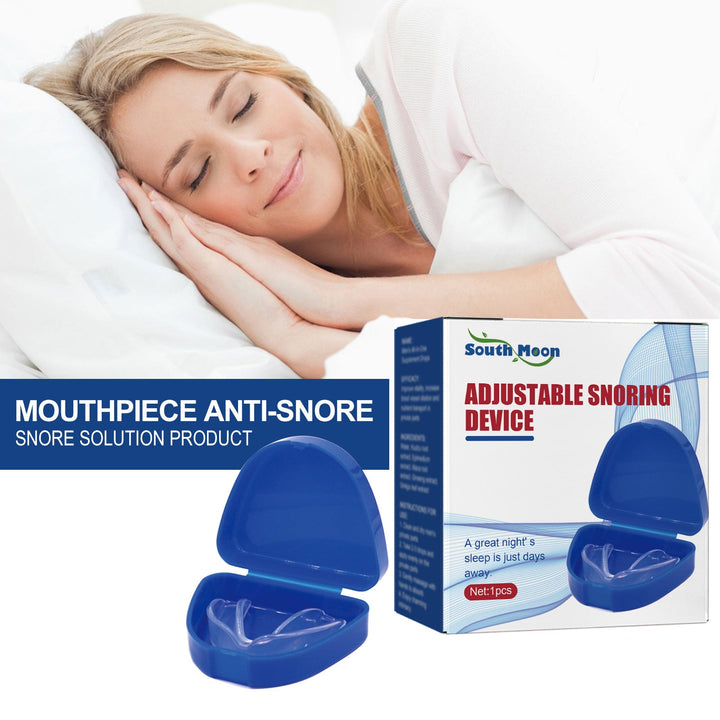

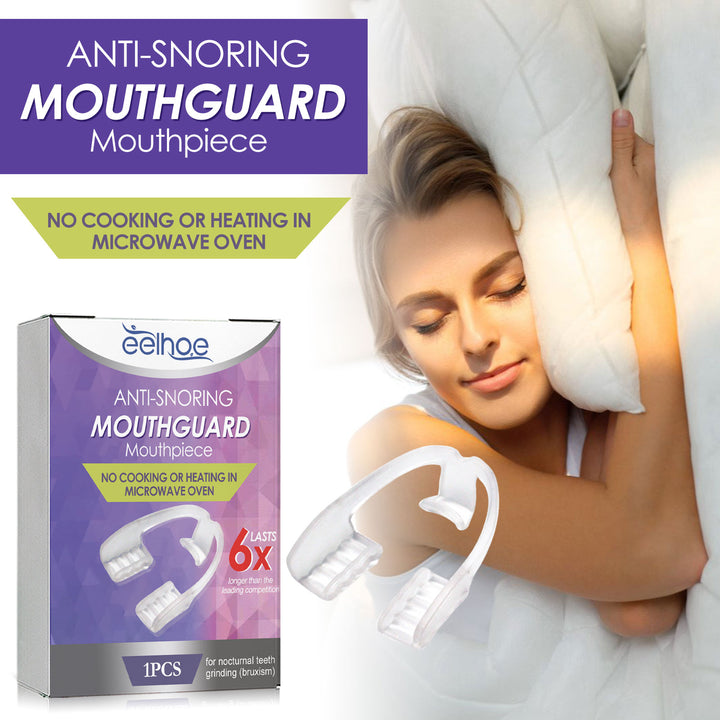
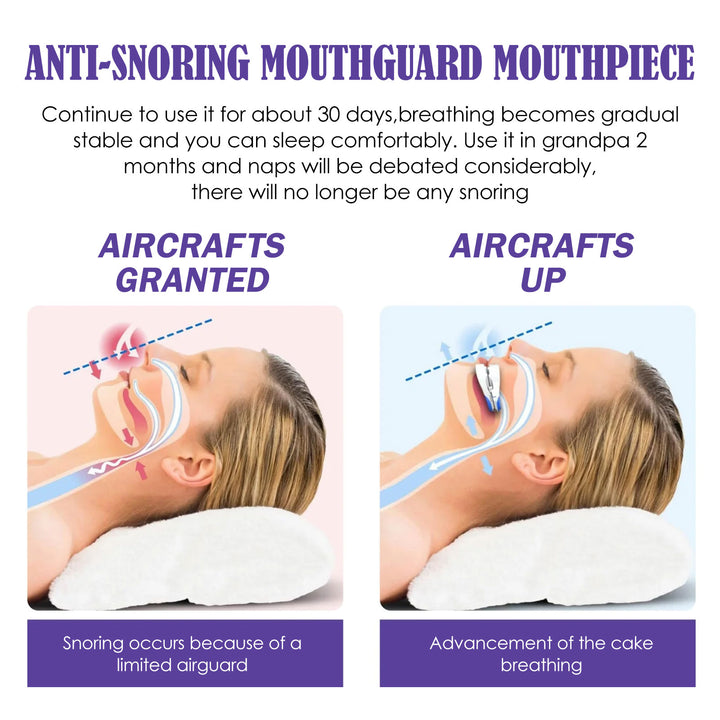
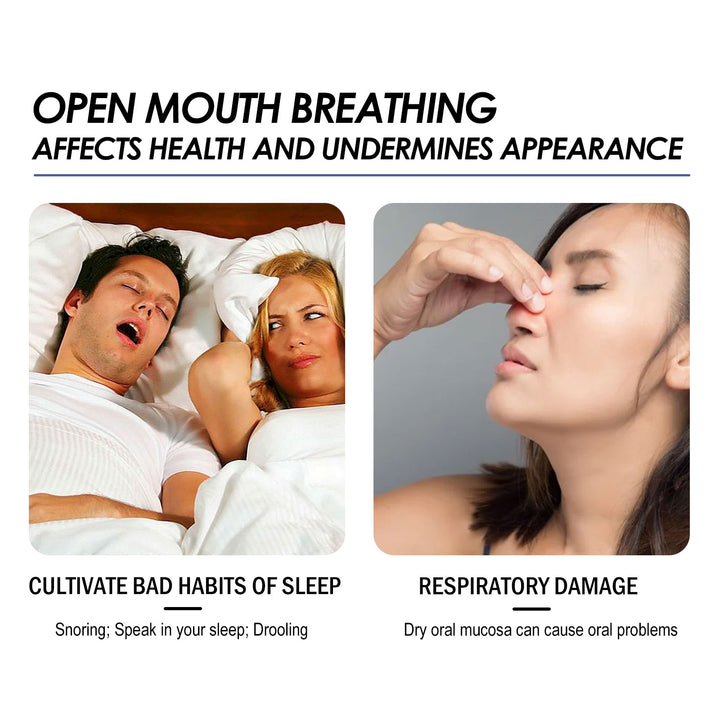

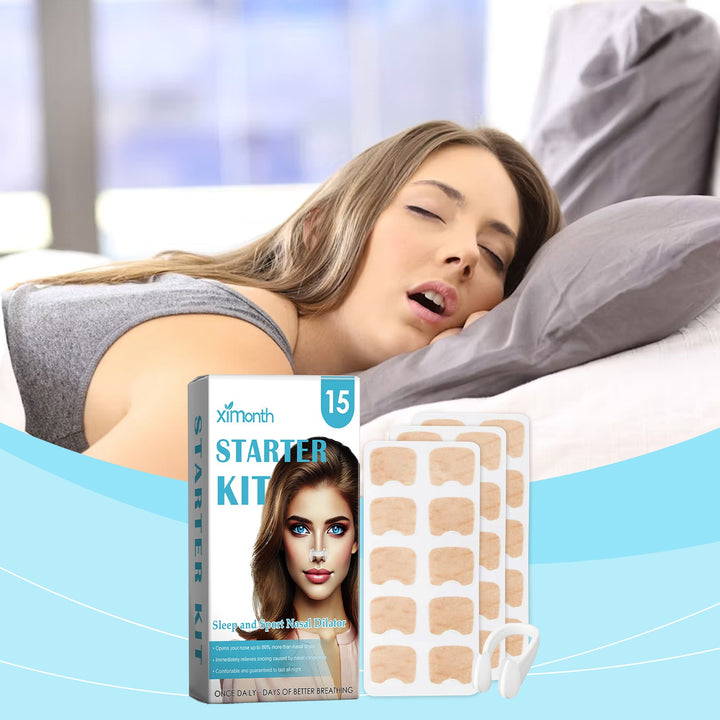
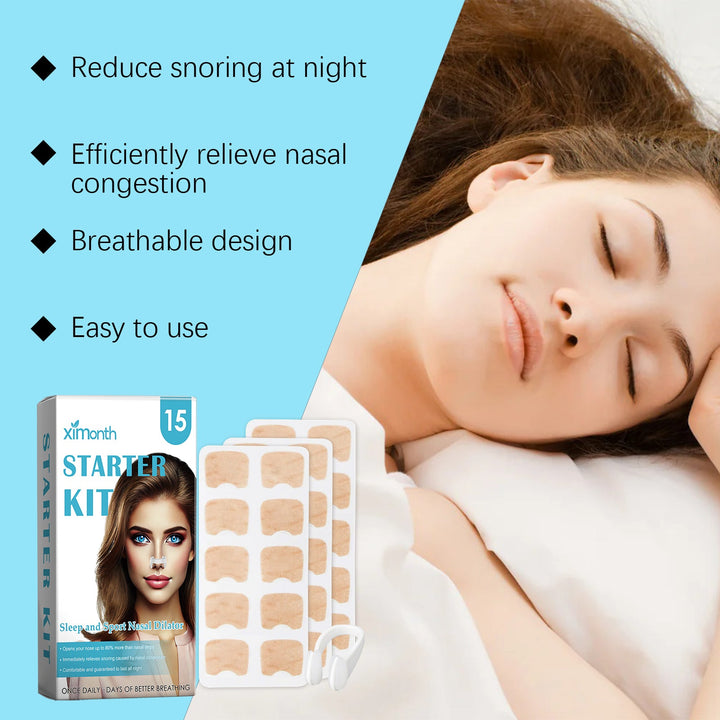

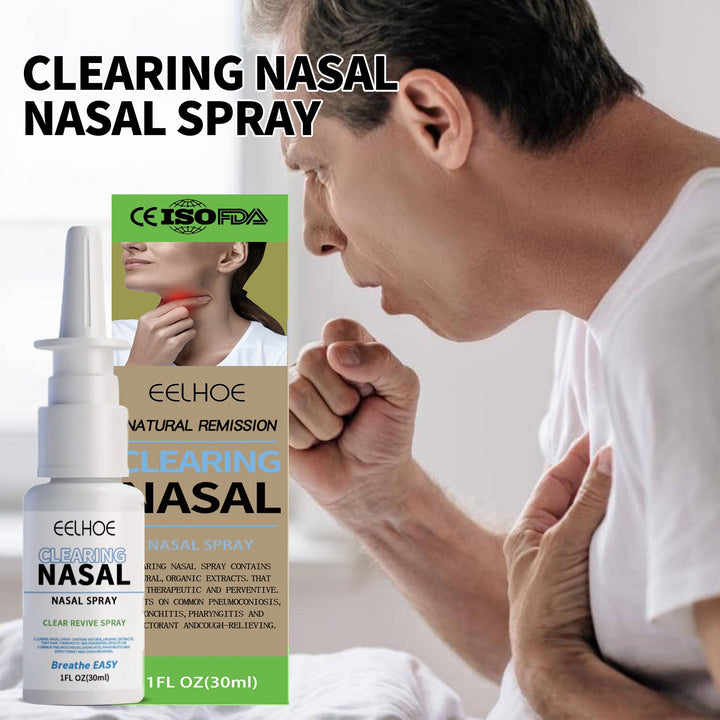
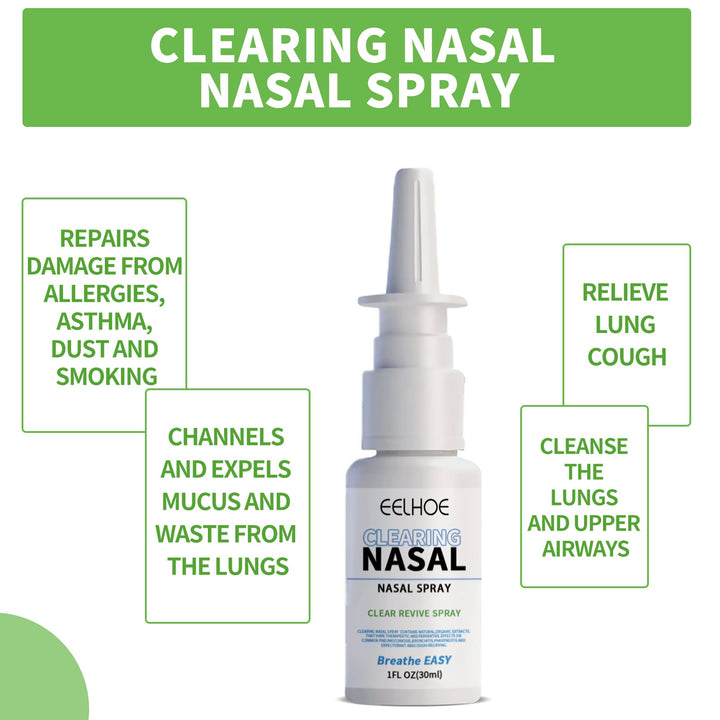

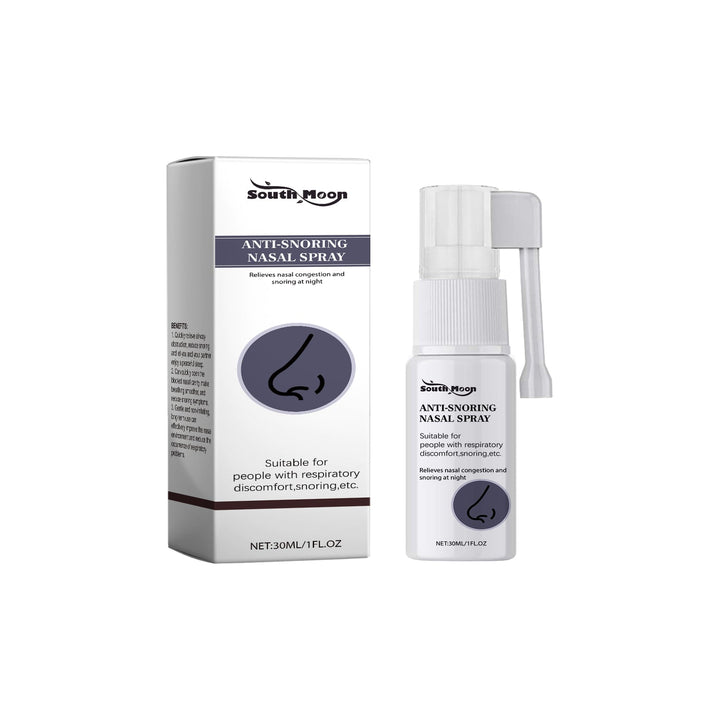
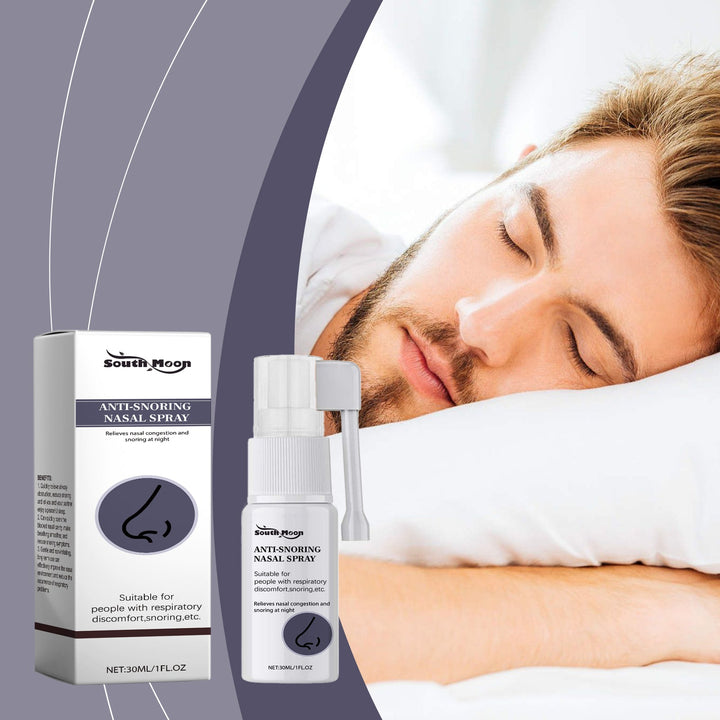
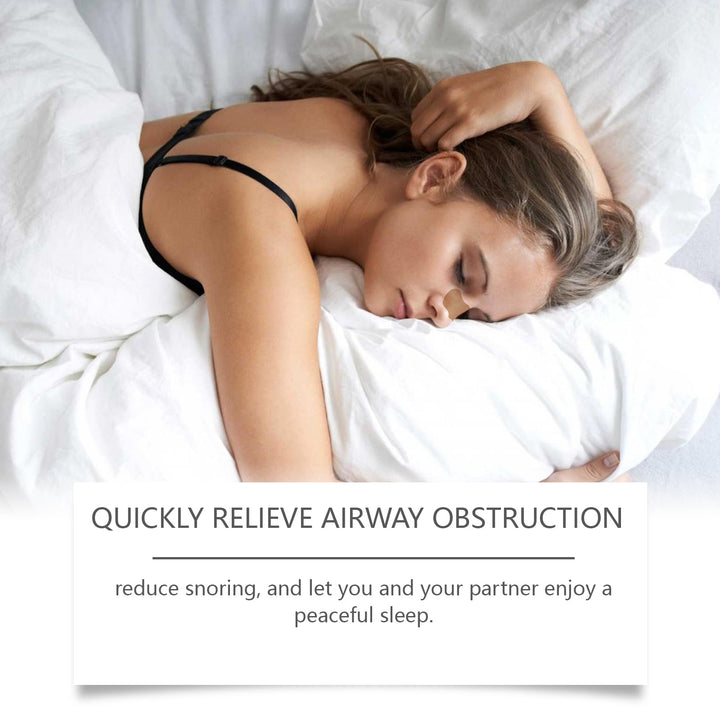

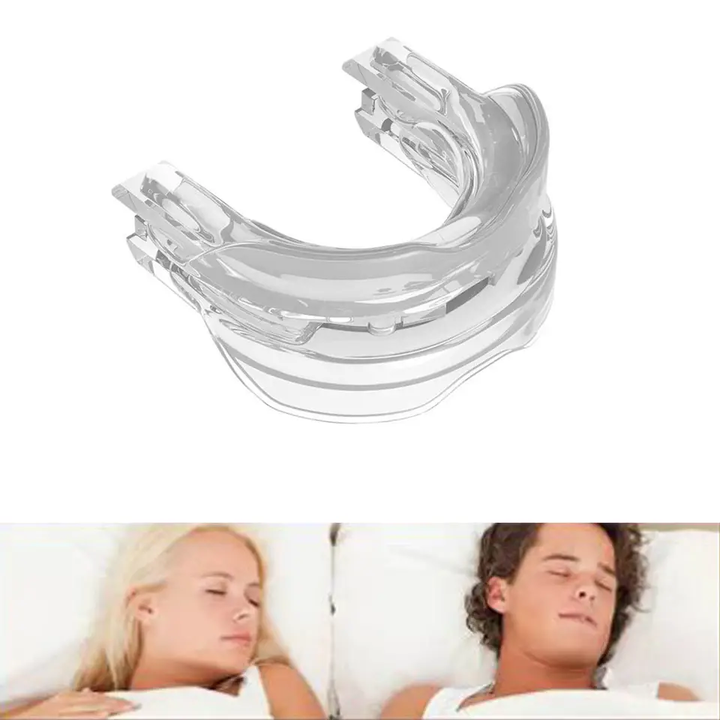
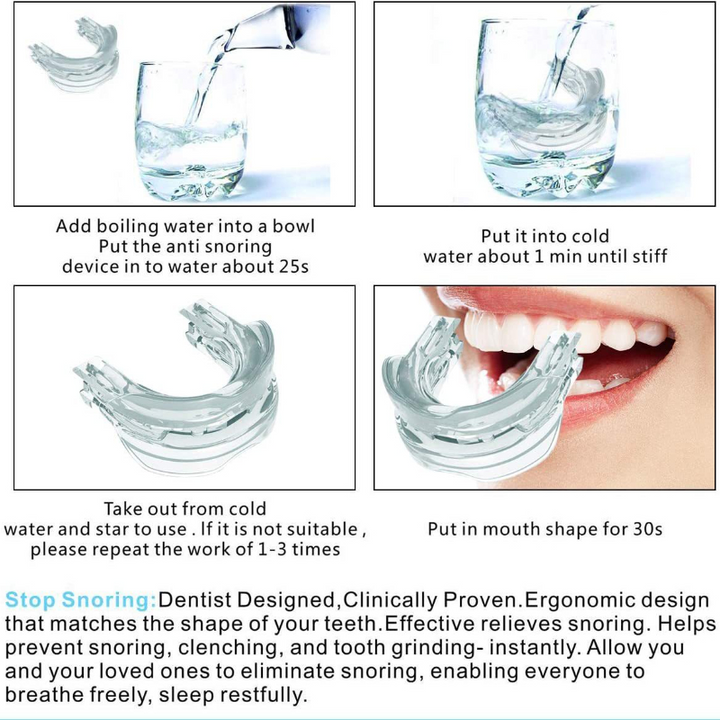
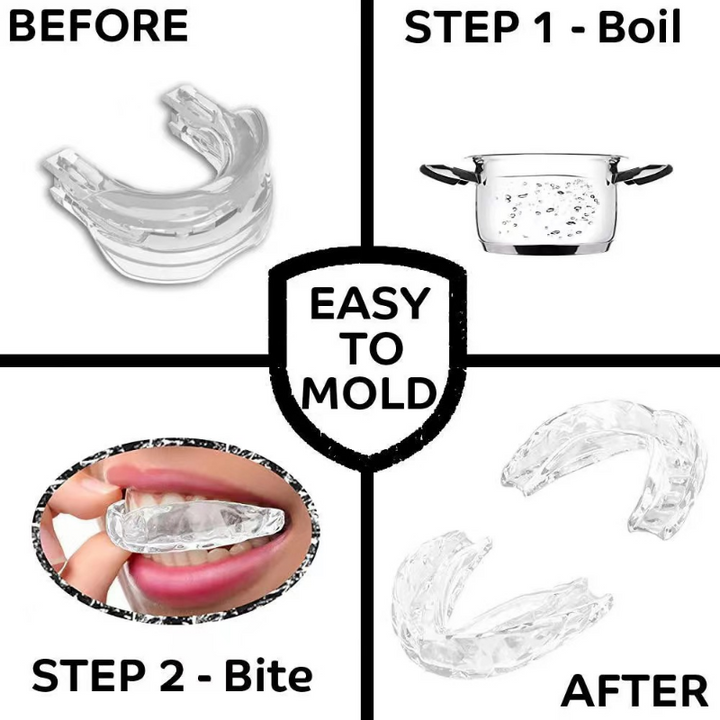

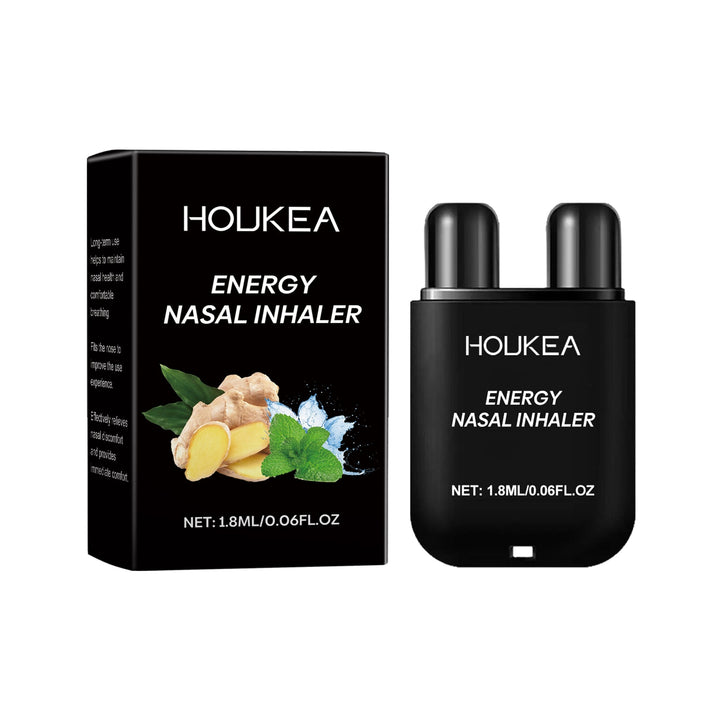
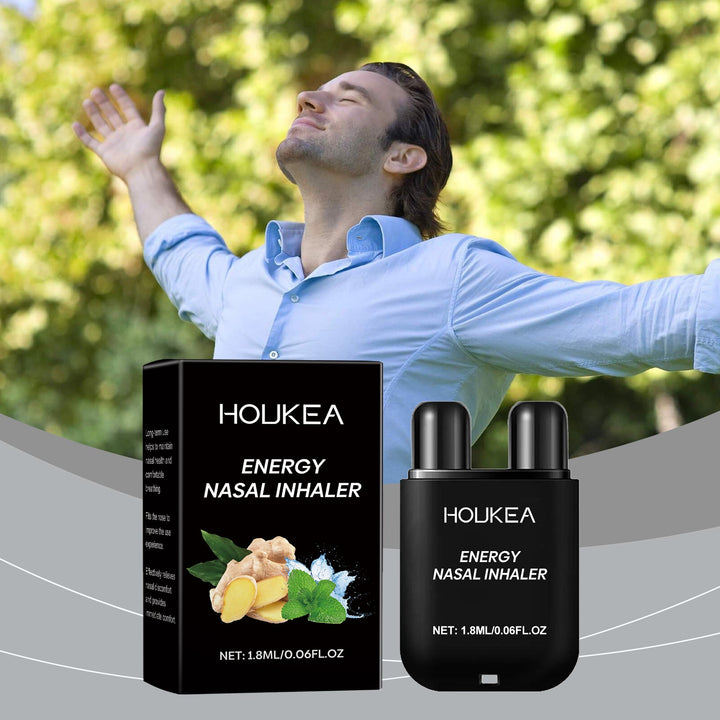
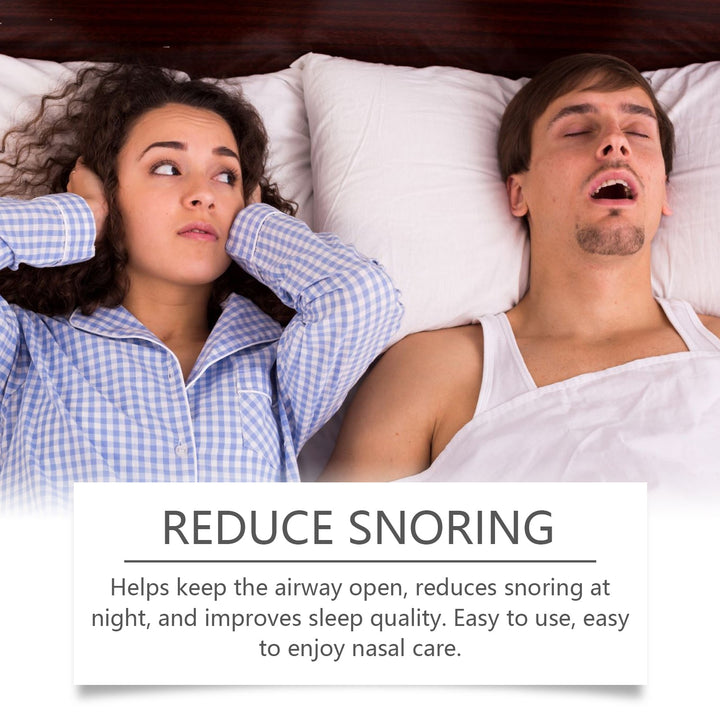

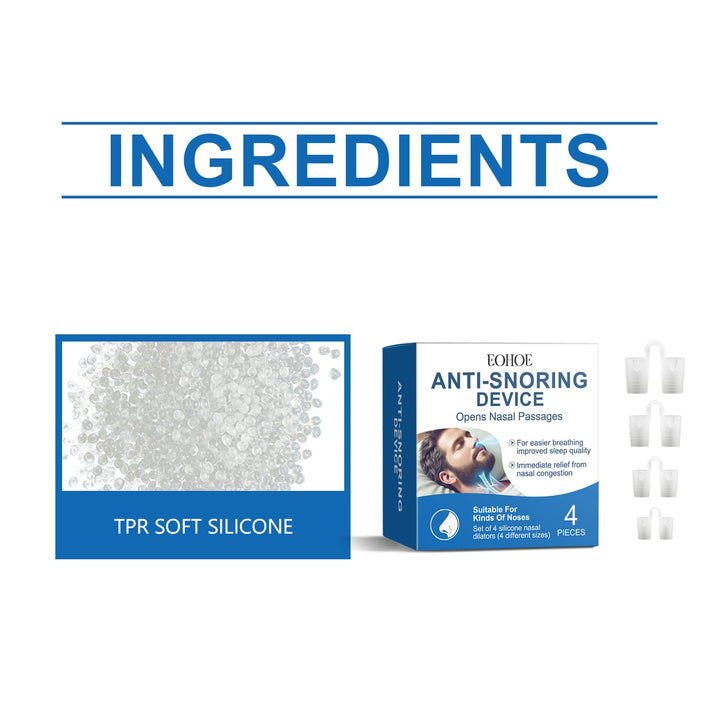


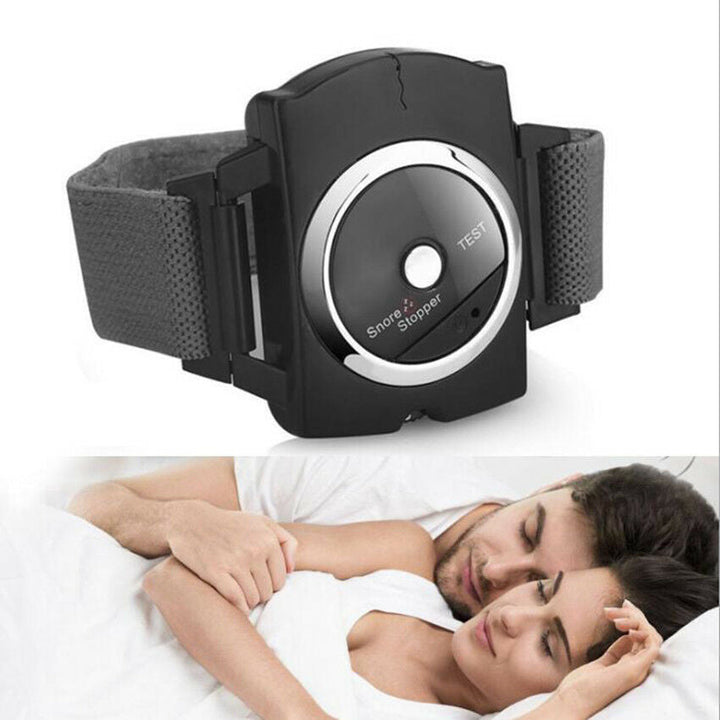





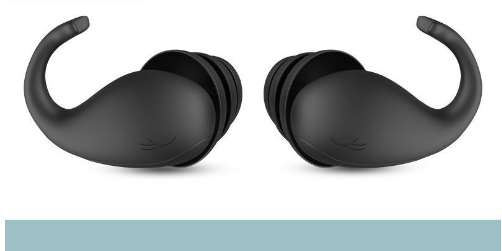
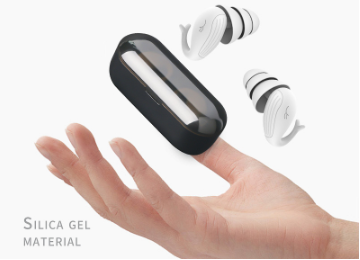


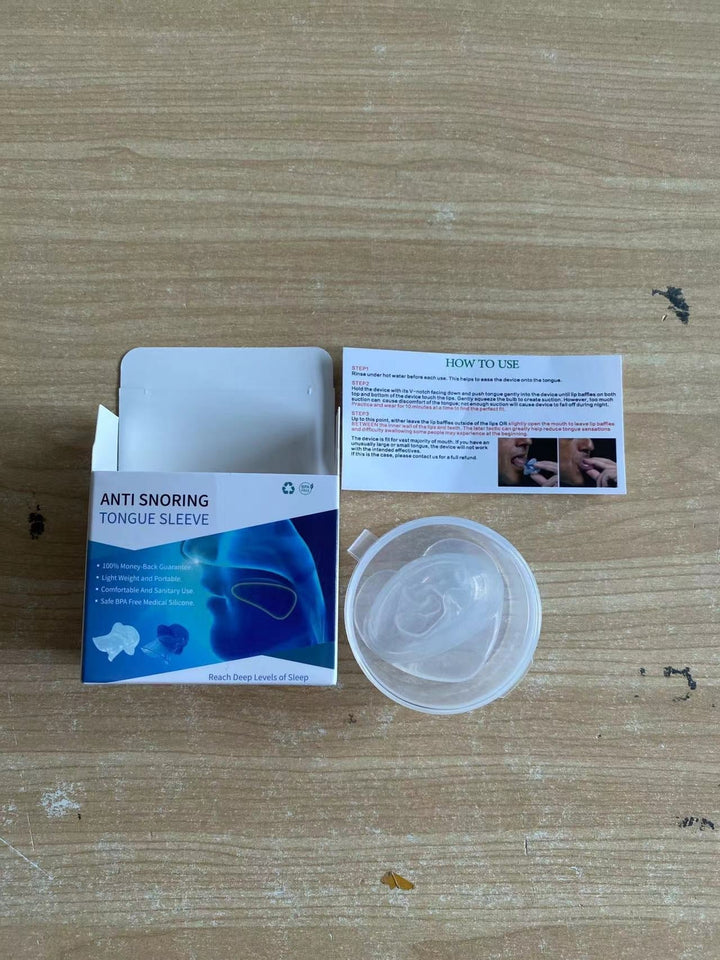
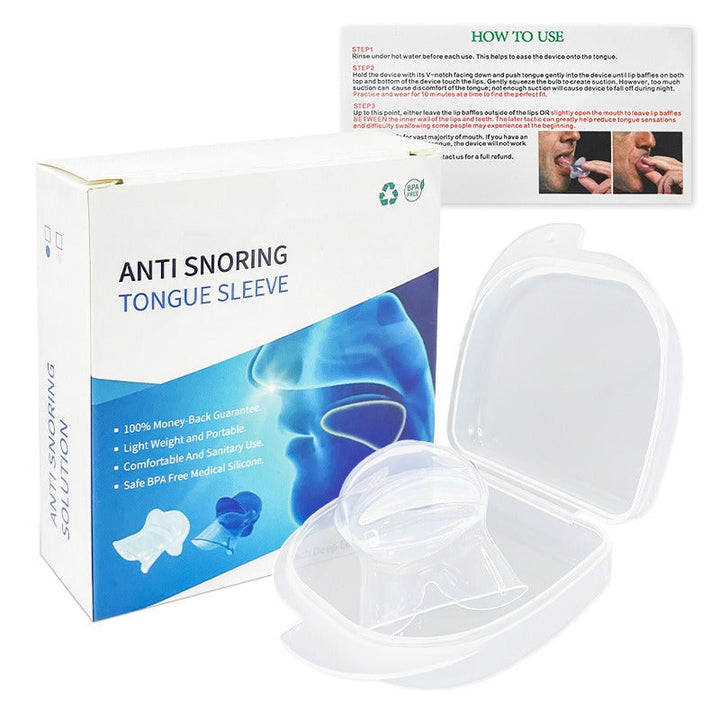
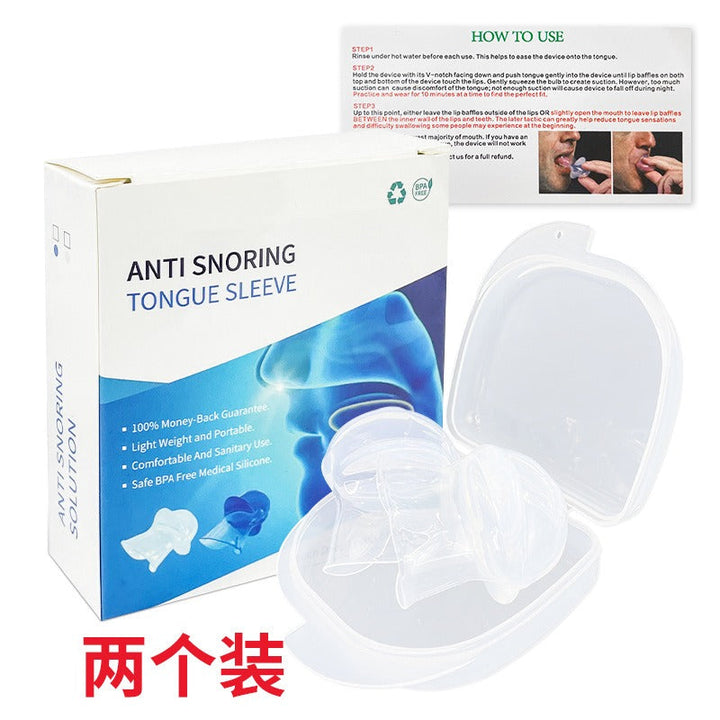

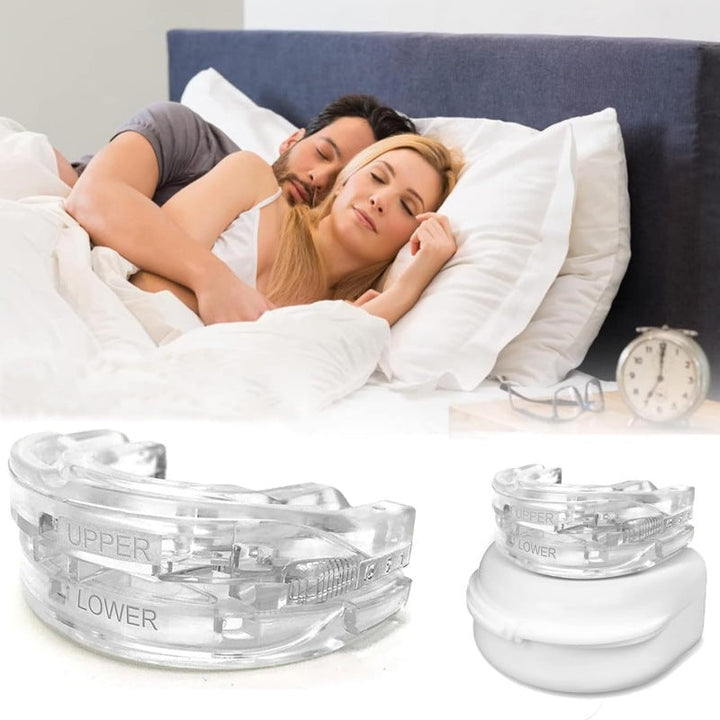

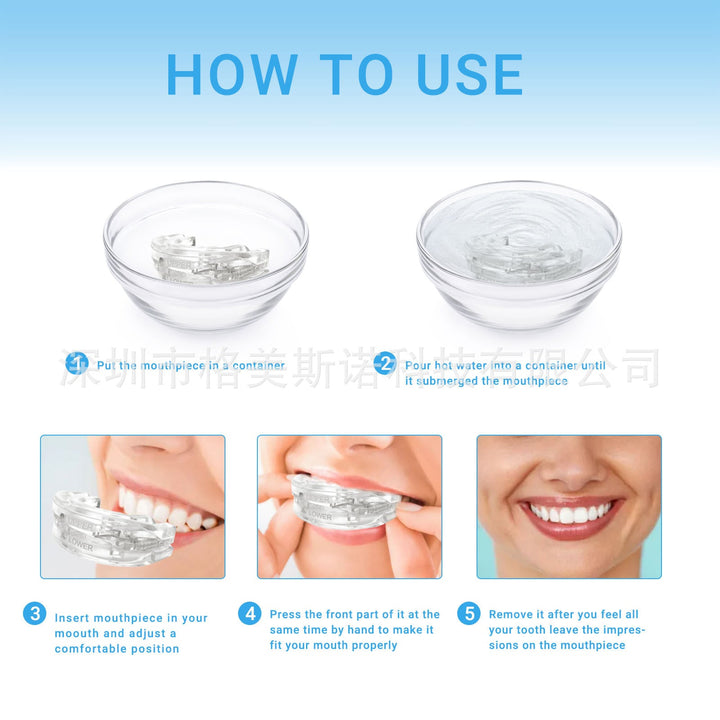

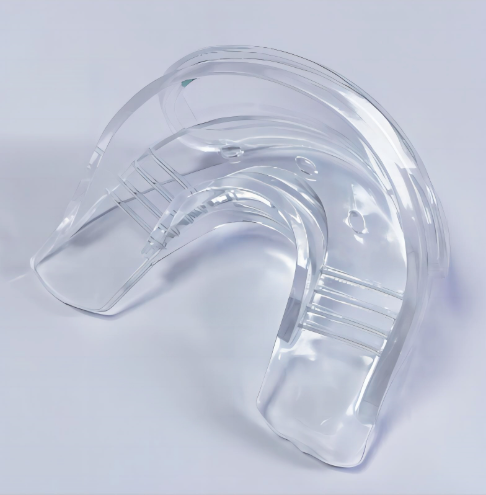
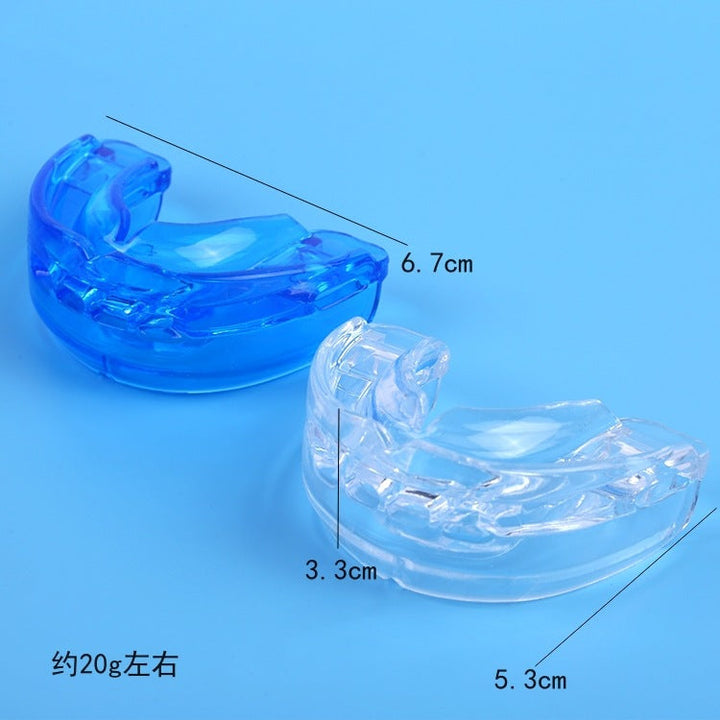
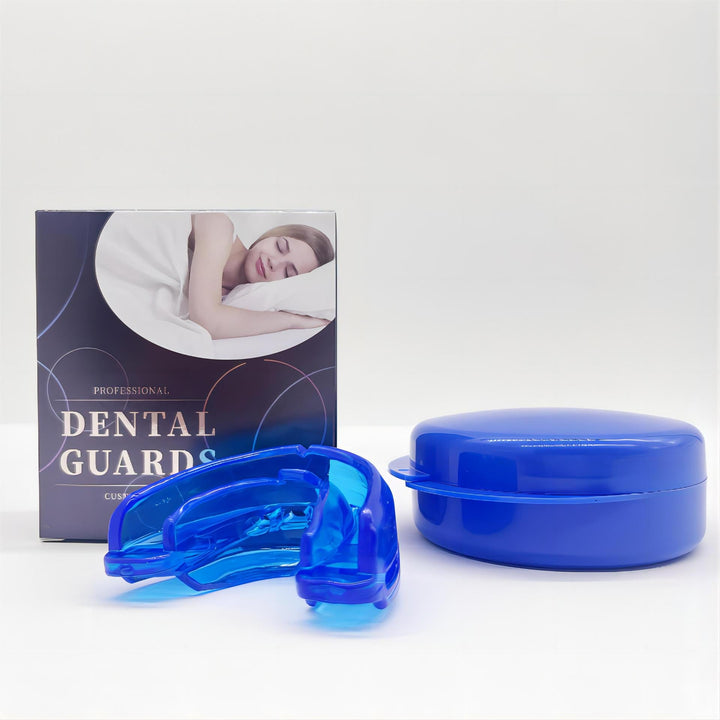

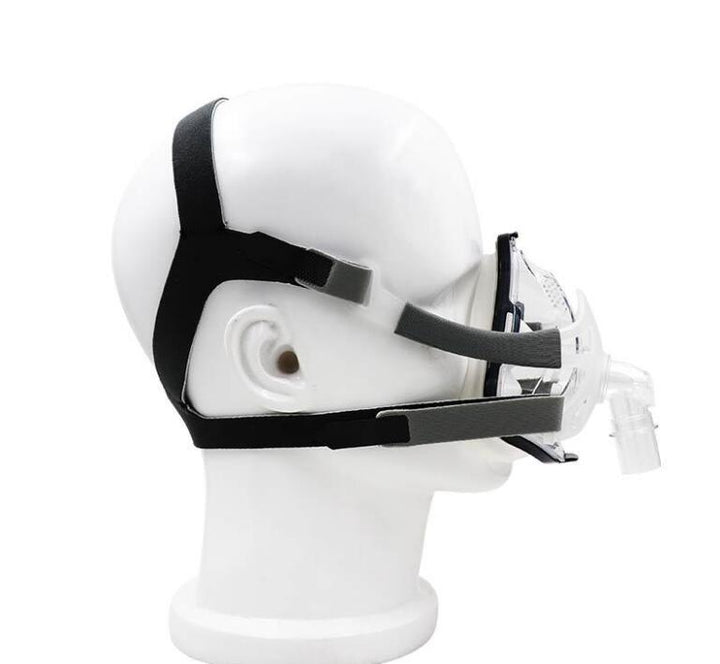
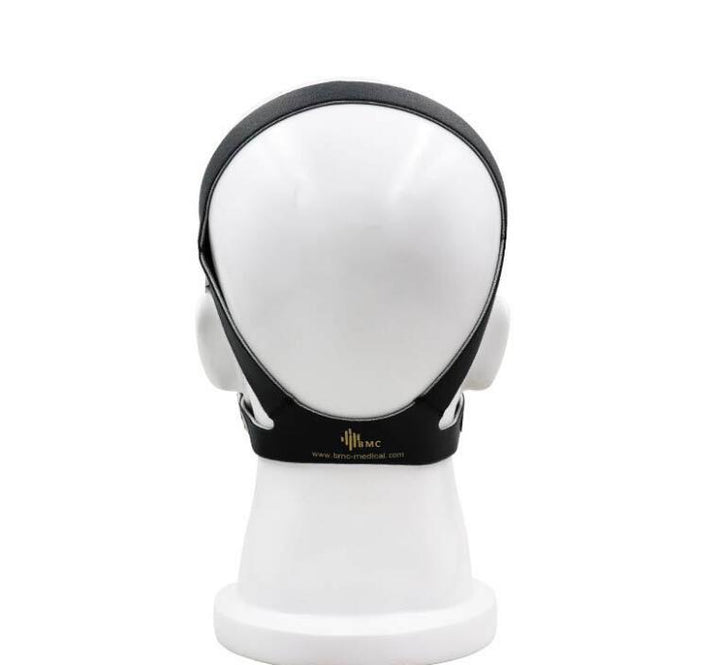
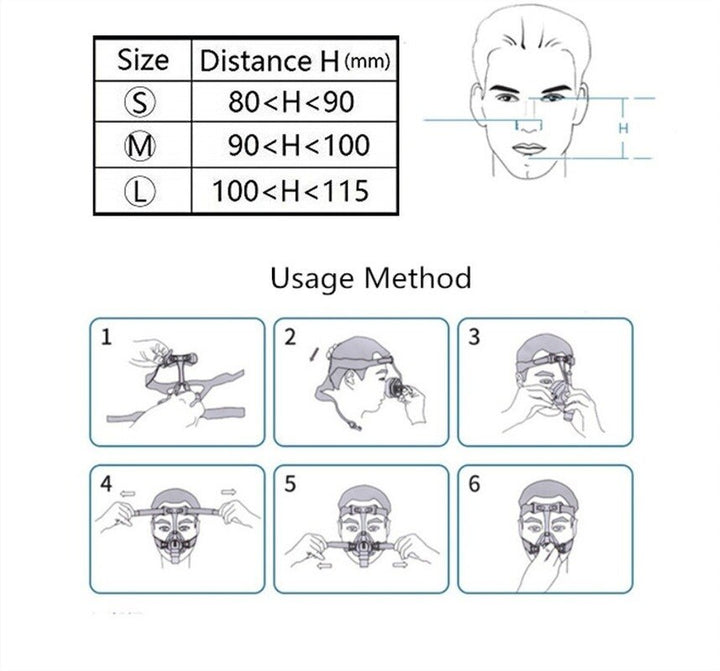

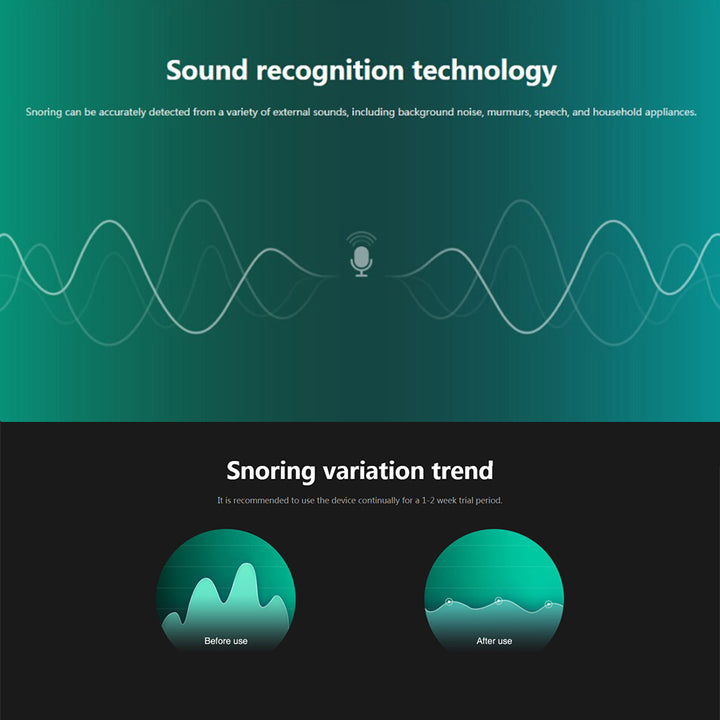
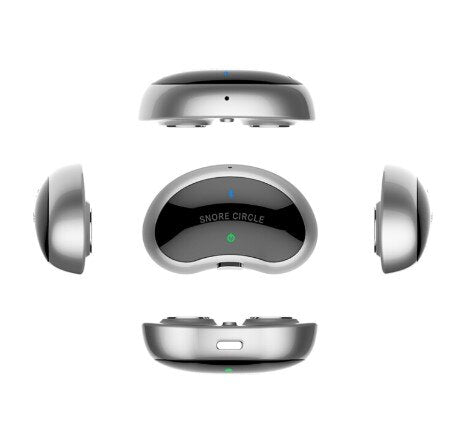
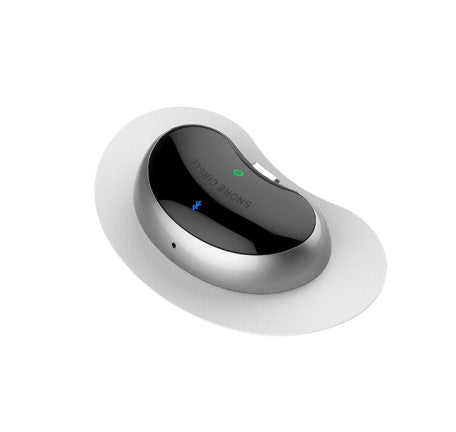

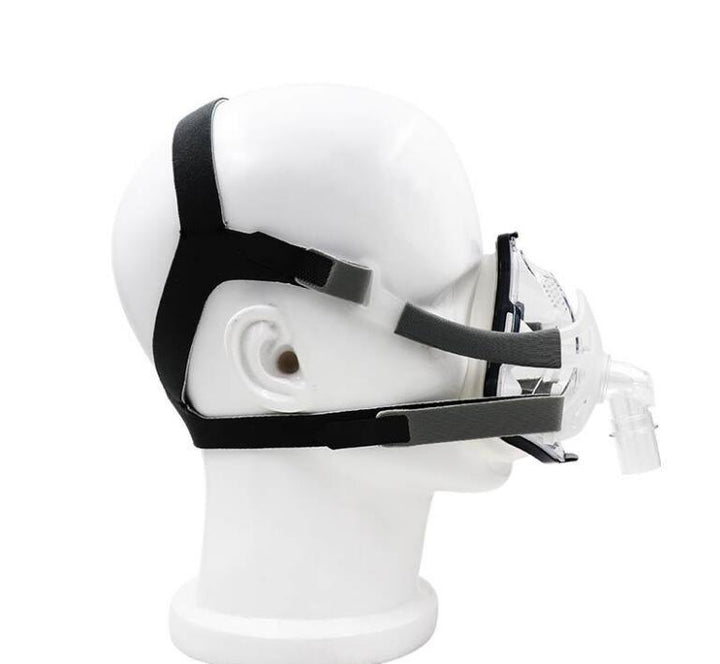
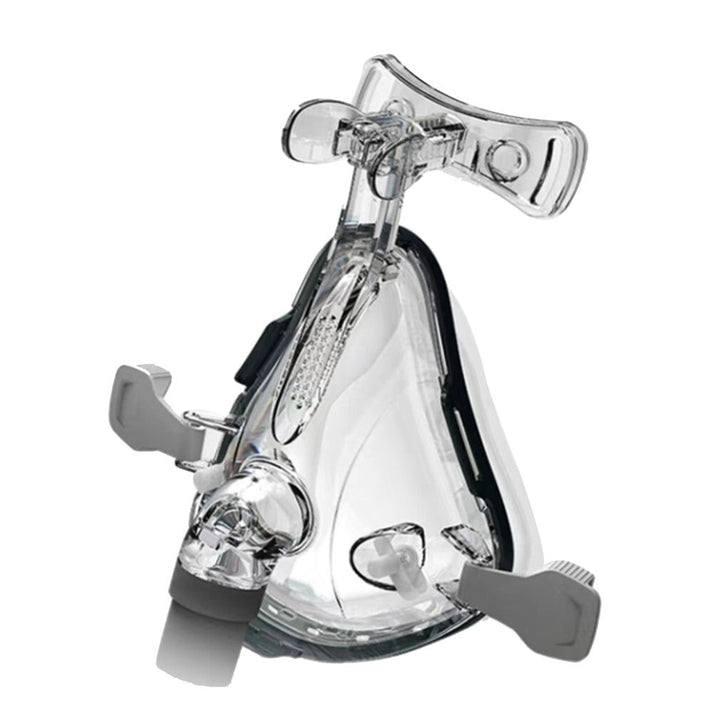


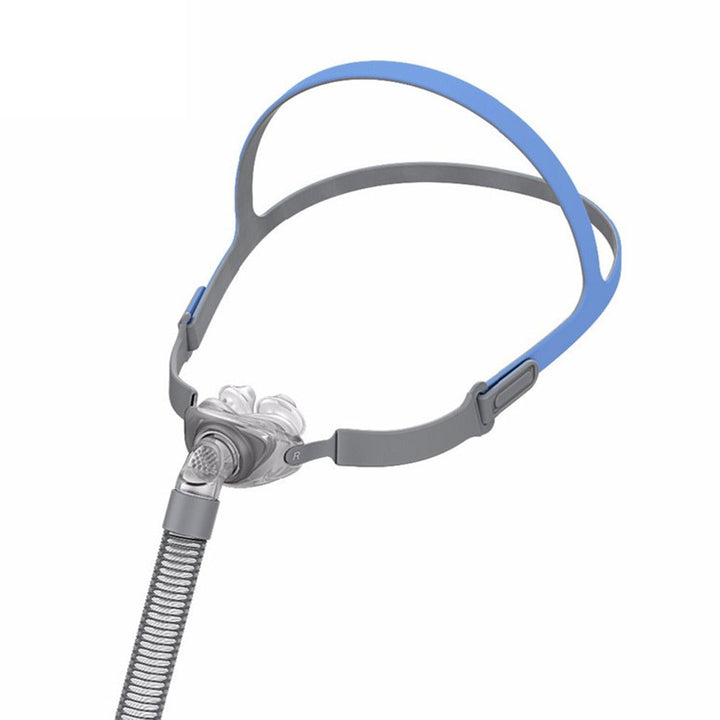
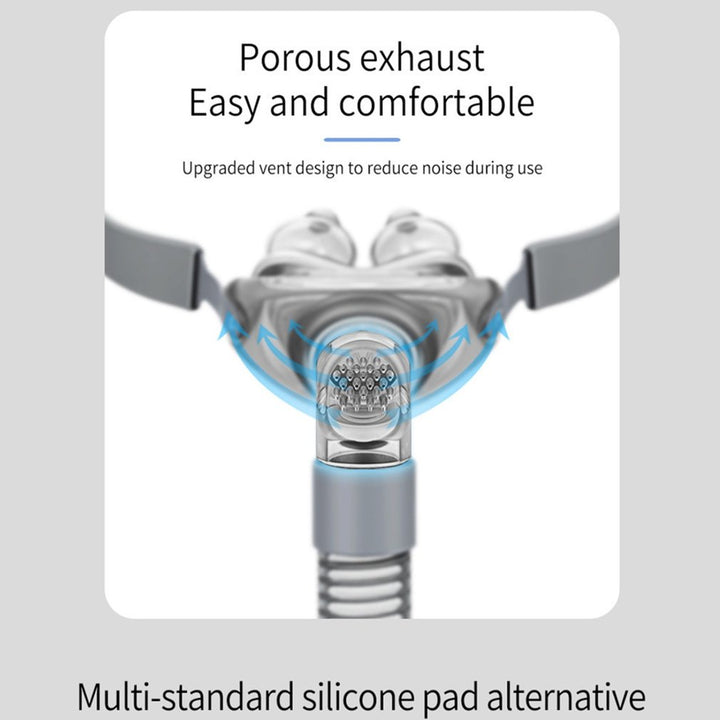
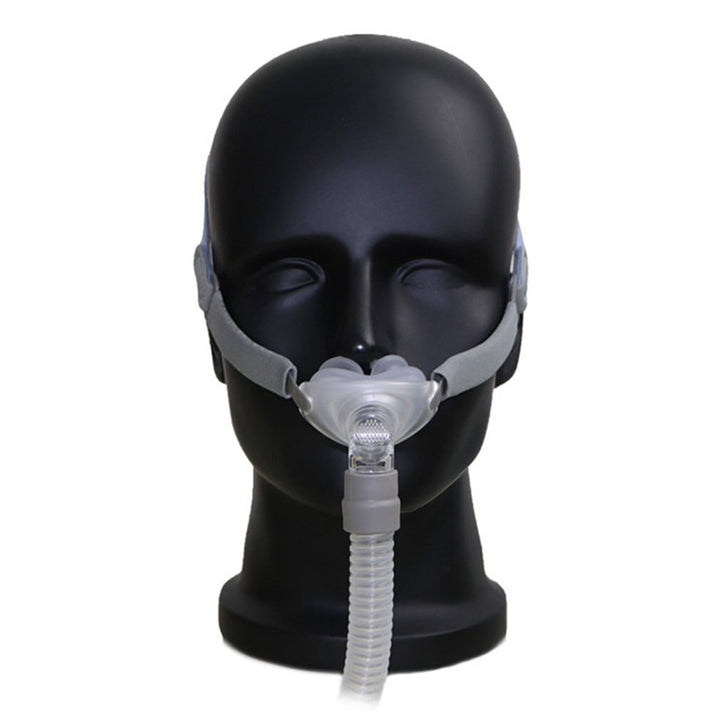

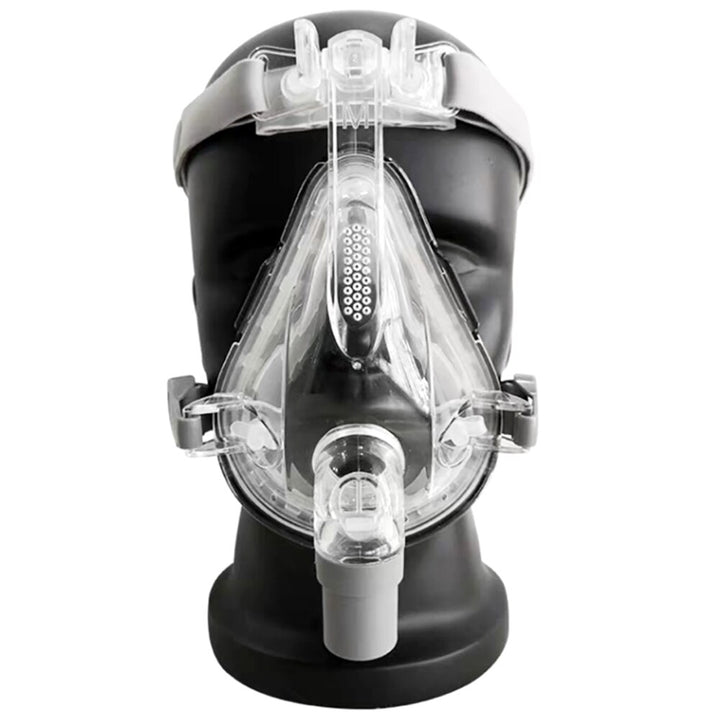
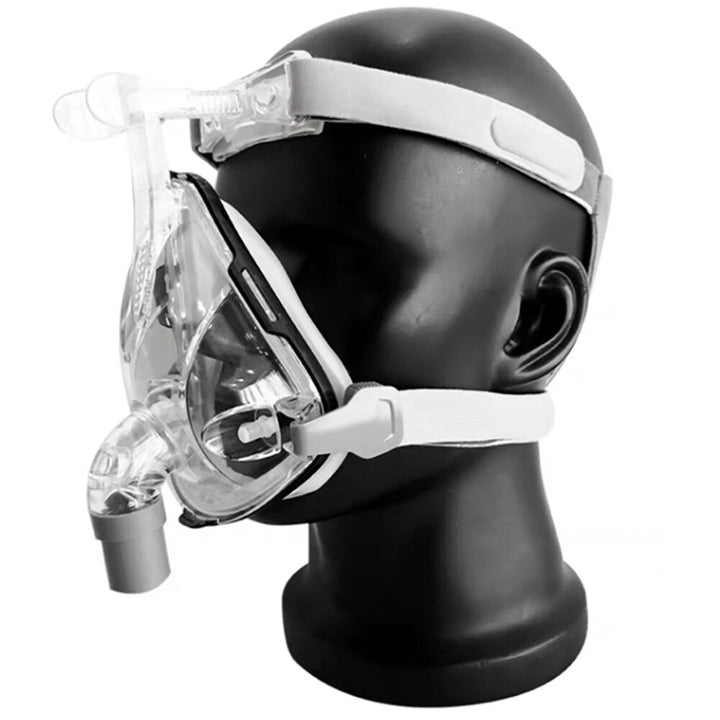
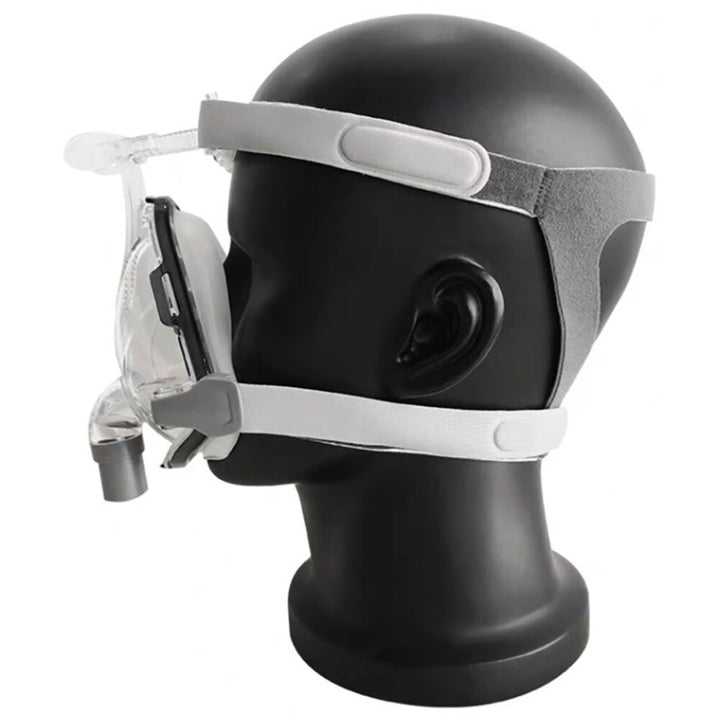

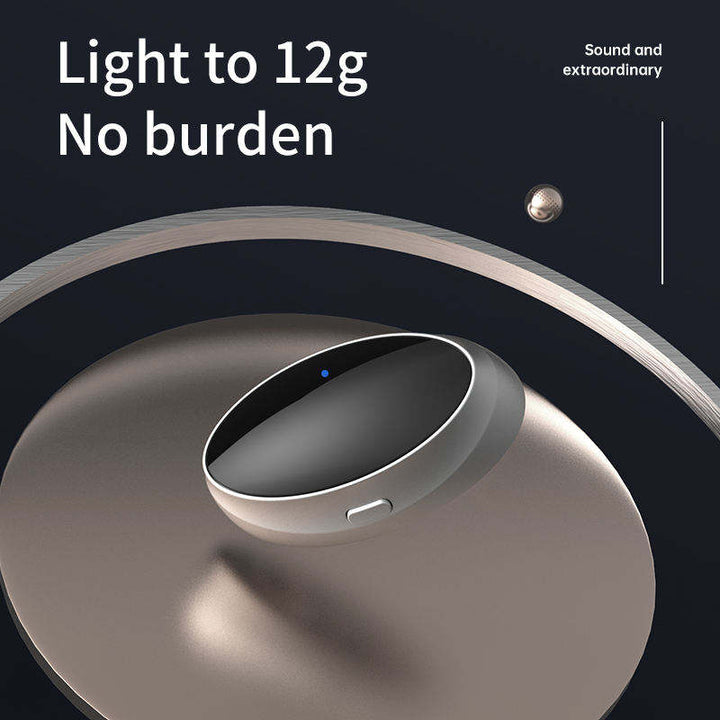
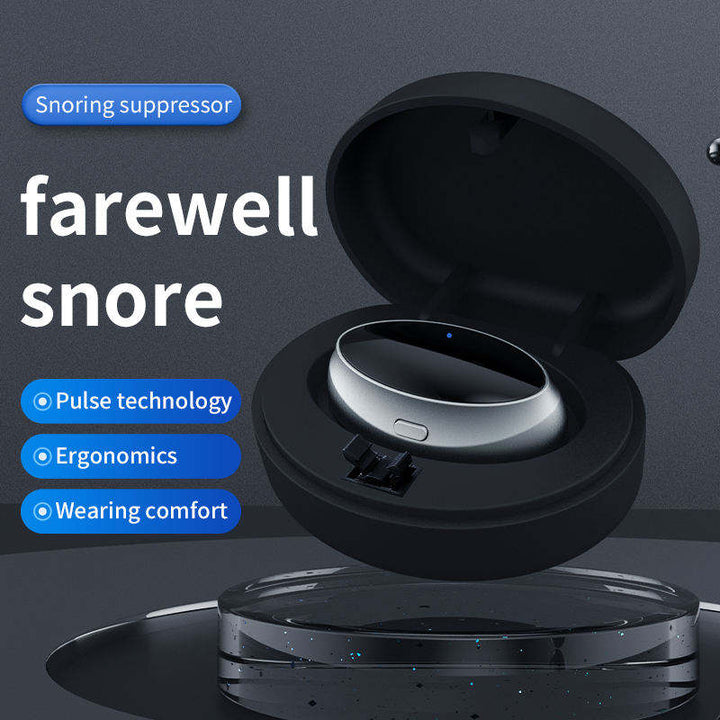
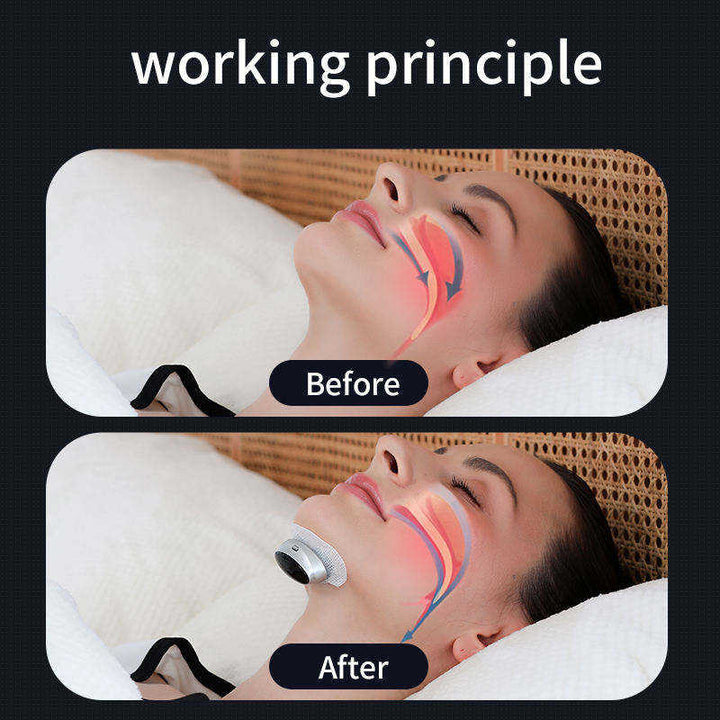

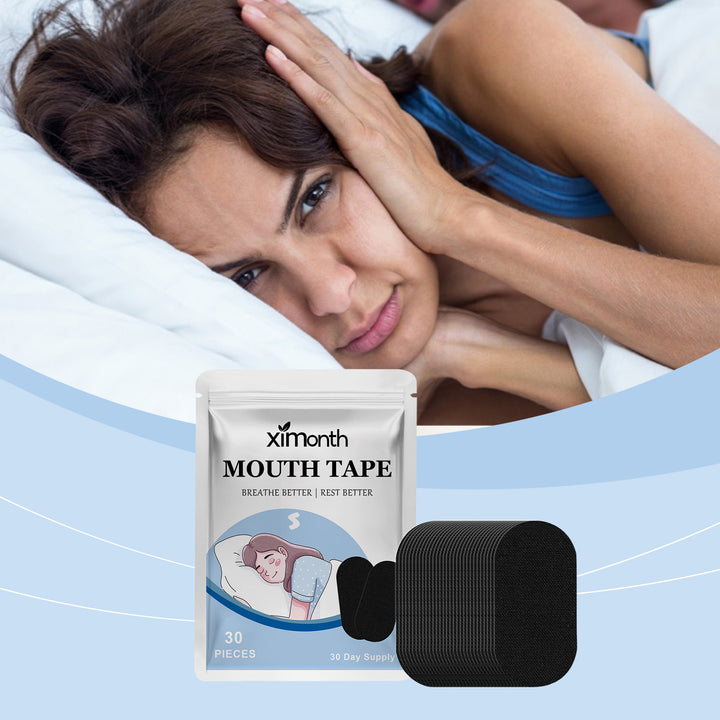
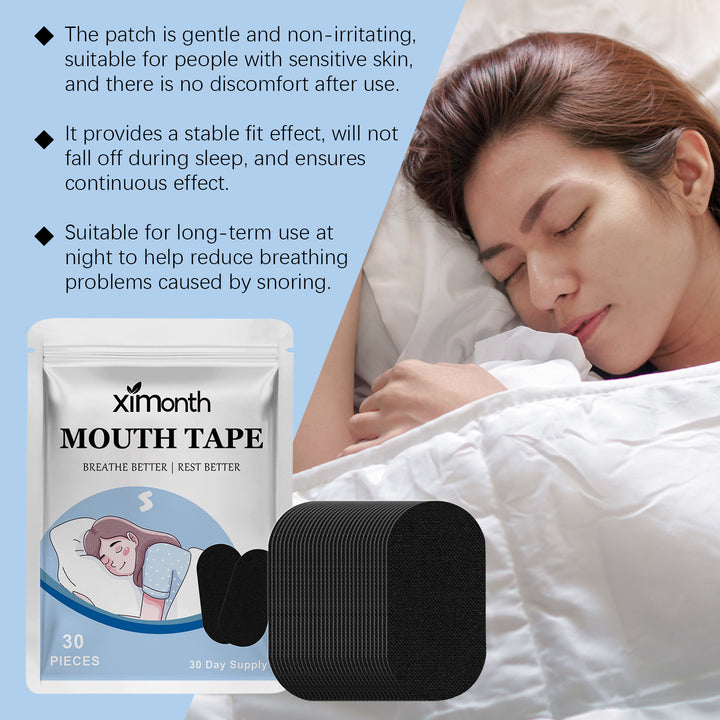

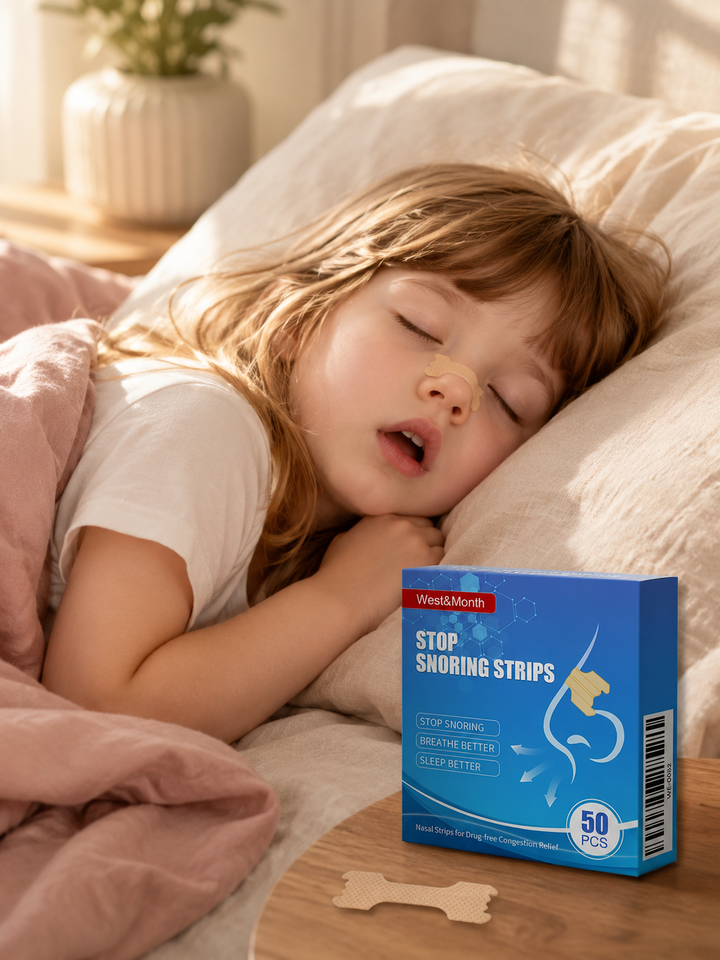
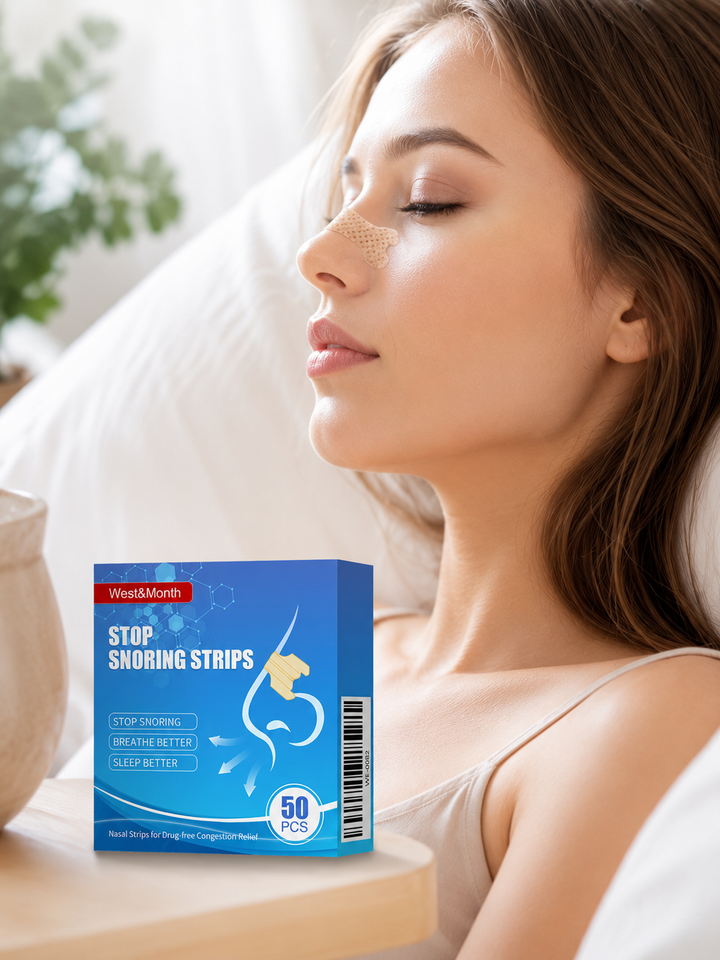
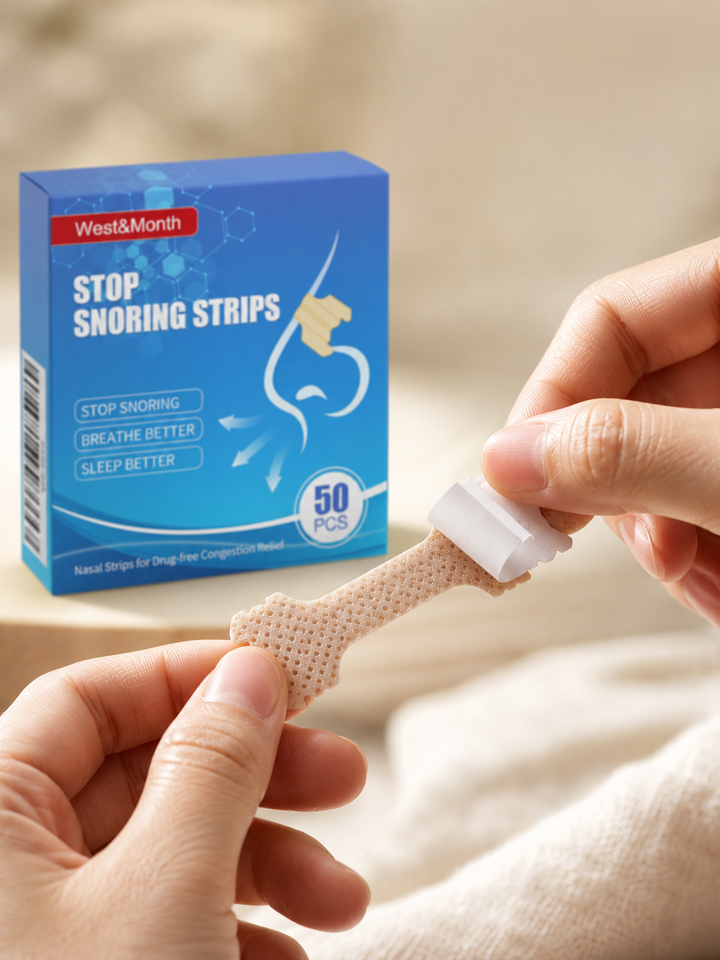




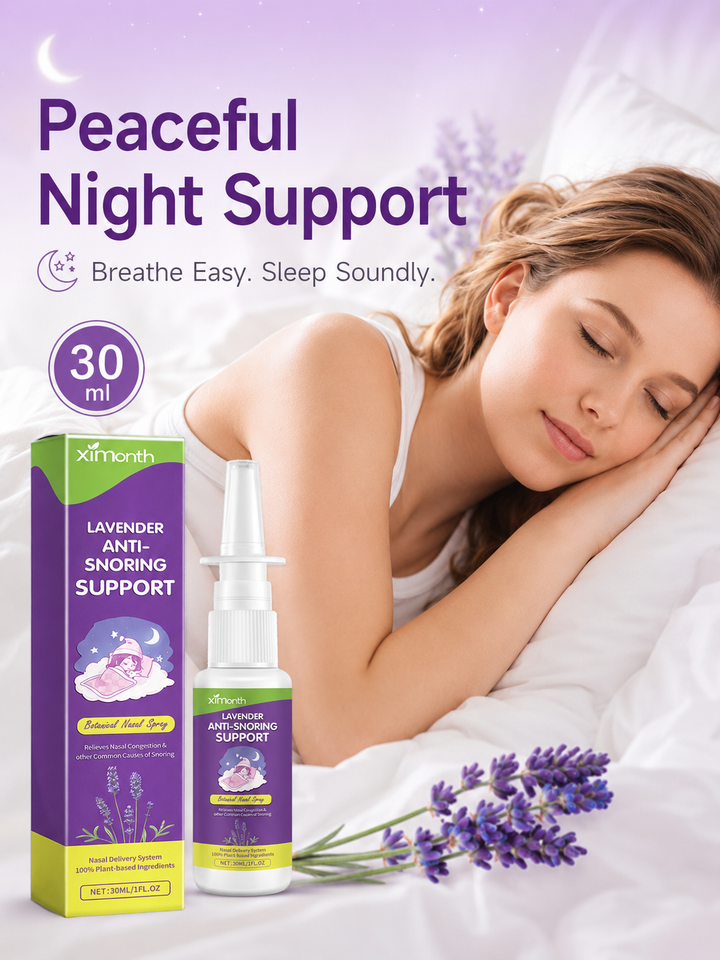
Snoring can have several possible causes, including relaxed throat tissues, a blocked nose, or sleeping position. This guide compares mouthguards, nasal devices, strips, inhalers, and sprays so you can choose a snoring aid that matches your usual snoring sounds, breathing comfort, and nighttime routine.
How can I choose a snoring device?
Start by considering where your snoring seems to come from. If your nose often feels blocked or congested, a nasal device, nasal strip, inhaler, or spray may be the most convenient place to start. If snoring is paired with nighttime teeth grinding or jaw clenching, an anti-snoring mouthguard or adjustable mouthpiece may better suit your routine. Think about comfort, cleaning, adjustability, and whether you prefer a reusable product or a simple bedtime aid. Check the product instructions for fit, wear time, and cleaning requirements. If you are unsure what causes your snoring, try to notice whether it changes with congestion, sleep position, or mouth breathing rather than choosing solely by how loud the snoring sounds.
What types of anti-snoring products are available?
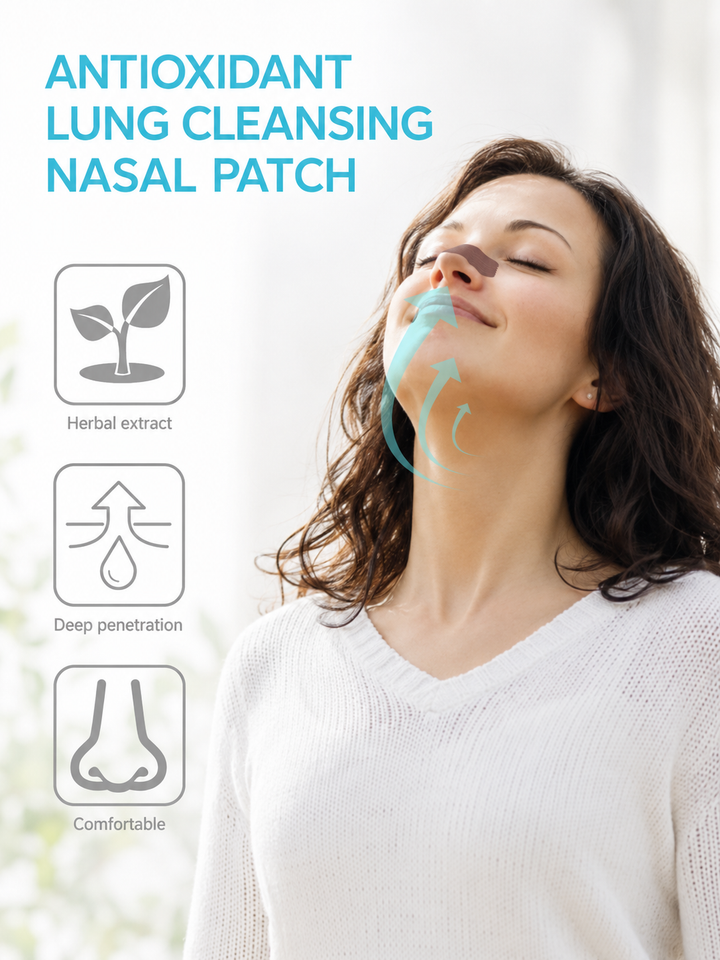
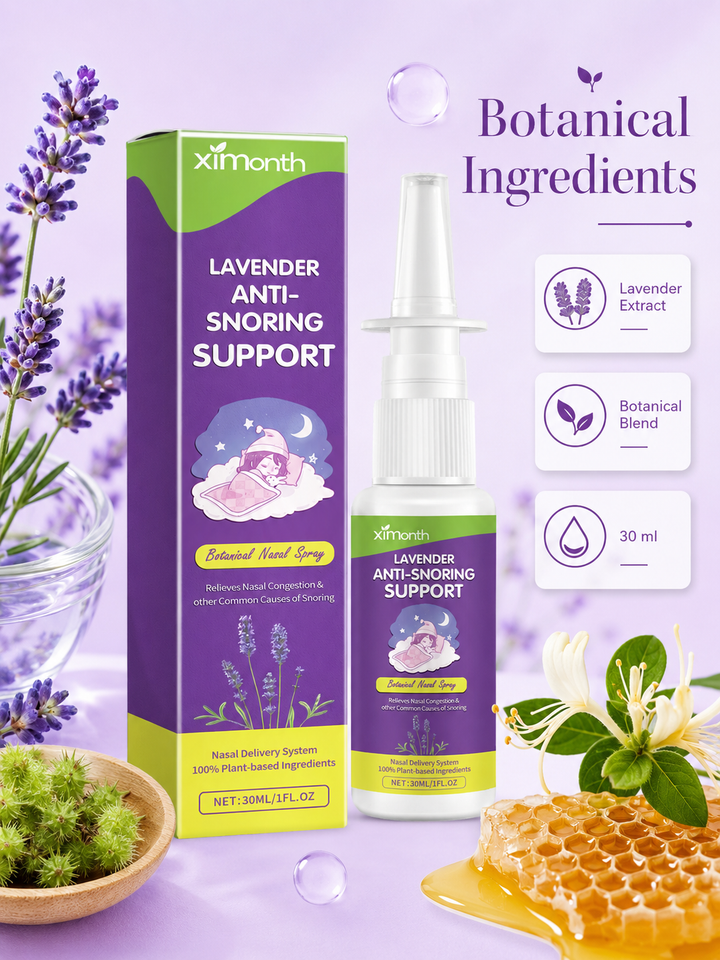
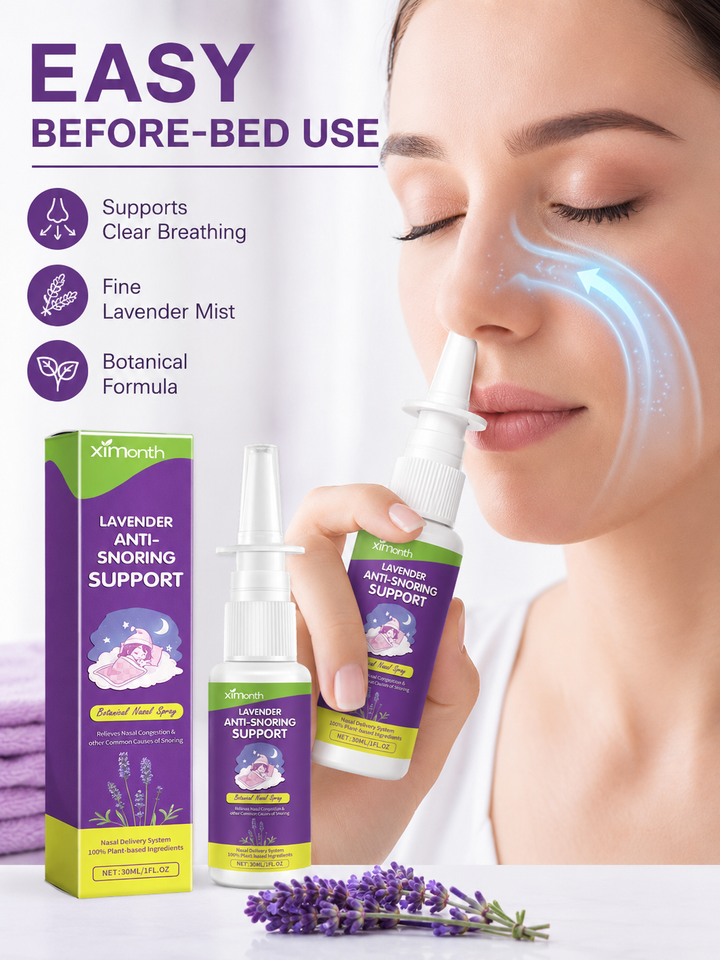
Mouthguards and mouthpieces are worn during sleep and are available in designs for snoring, nighttime teeth grinding, or both. Some are adjustable, which can help you fine-tune the fit according to the instructions. Nasal devices are designed for use around the nose and may suit shoppers who want support for easier night breathing without wearing a mouthguard. Nasal strips provide an external, non-medicated option, while herbal nasal inhalers offer a portable approach. Nasal sprays are available for snoring-related congestion, allergies, or general nasal relief, depending on the product description. Compare the application method, ingredients, reusability, and cleaning needs before deciding which type fits your habits.
What should I look for in a snoring treatment?
Look for a product description that clearly explains how the item is used, where it sits, and whether it is reusable. For a mouthguard, check sizing, molding or adjustment instructions, material details, and cleaning guidance. For nasal strips and nasal devices, look for the intended placement and whether the design is suitable for your preferred sleep routine. With sprays and herbal inhalers, review the listed ingredients, directions, and any cautions before use. If you have sensitive skin, check the adhesive or contact materials used by external products. If you have dental appliances, jaw discomfort, persistent nasal symptoms, or an allergy concern, review the instructions carefully and consider asking a qualified professional whether the product is appropriate for you.
How do I use an anti-snoring aid at night?
Use each product exactly as directed on its packaging. Mouthguards and adjustable mouthpieces generally need fitting or adjustment before regular nighttime use; clean and dry them as instructed, and store them in a ventilated case when applicable. Apply nasal strips to clean, dry skin and remove them according to the product directions. Nasal devices should sit in the nose without being forced, while sprays and inhalers should be used only at the stated frequency and in the stated amount. Do not combine several nasal products automatically, especially when they contain different ingredients. Stop using an item if it causes significant discomfort, irritation, or difficulty breathing, and seek appropriate advice if symptoms continue.
What are common mistakes when treating snoring?
A common mistake is choosing a mouthguard when the main issue is nasal congestion, or choosing a nasal strip when the product does not match your preferred fit. Another is using a mouthpiece without following its adjustment and cleaning instructions, which can affect comfort and hygiene. Do not assume that louder snoring always has the same cause, and do not use more spray or an inhaler more often than directed. Avoid judging a product after one uncomfortable night if the instructions describe an adjustment period, but do not continue through pain or marked irritation. Finally, treat frequent or disruptive snoring as something worth discussing with a qualified healthcare professional rather than relying only on an over-the-counter snoring aid.
Who are anti-snoring products suitable for?
These products may suit adults looking for a non-prescription aid for occasional or recurring snoring, nasal congestion at night, mouth breathing, or teeth grinding, depending on the product. Mouthguards are most relevant to shoppers who are comfortable wearing an oral device, while nasal strips, devices, inhalers, and sprays may suit people who prefer a nose-focused option. Always check age guidance, ingredients, materials, and usage restrictions before buying. A product may not be suitable if it causes pain, worsens breathing, or conflicts with dental work, allergies, or an existing condition. Persistent loud snoring, witnessed breathing pauses, gasping, choking, or severe daytime tiredness deserves professional attention rather than self-treatment alone.
Frequently asked questions
How can I stop my snoring?
The best option depends on the likely cause. Nasal strips, nasal devices, inhalers, or sprays may suit congestion-related snoring, while mouthguards or adjustable mouthpieces may suit shoppers also dealing with nighttime teeth grinding. If snoring is frequent, severe, or disruptive, speak with a qualified healthcare professional.
What is the main reason for snoring?
Snoring happens when airflow through the nose or throat causes surrounding tissues to vibrate during sleep. Possible contributors include nasal congestion, mouth breathing, sleep position, and relaxed throat tissues, so there is not one cause for everyone.
What are the best solutions for snoring?
The best solution depends on your symptoms and preferences. Compare mouthpieces, nasal devices, strips, inhalers, and sprays by where they work, how they are fitted, and whether they support your specific routine. Follow the product directions and seek professional advice for ongoing or concerning snoring.
What causes loud snoring?
Loud snoring can occur when airflow is more restricted or tissues vibrate more strongly during sleep. Nasal blockage, mouth breathing, sleep position, and individual airway differences may all play a role. Loudness alone cannot identify the cause or determine whether snoring is dangerous.
Does snoring mean good sleep?
No. Snoring is a sound caused by vibrating tissues and does not show that sleep is restorative. If snoring is frequent or occurs with gasping, choking, breathing pauses, or marked daytime tiredness, discuss it with a qualified healthcare professional.
Is it unhealthy to snore a lot?
Frequent snoring can be disruptive and may be associated with breathing problems during sleep, but snoring alone does not establish a diagnosis. Consider professional advice if it is loud, persistent, worsening, or accompanied by breathing pauses, gasping, choking, morning headaches, or daytime tiredness.