Skin Tag Remover: Plasma Pen & At-Home Wart Removal Products
31 items


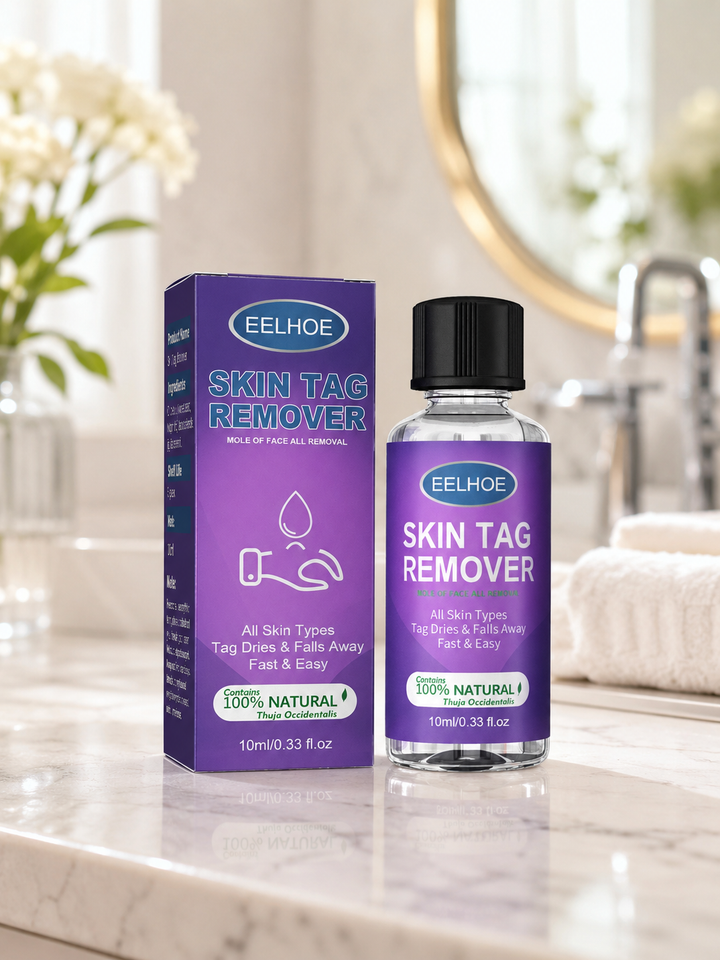
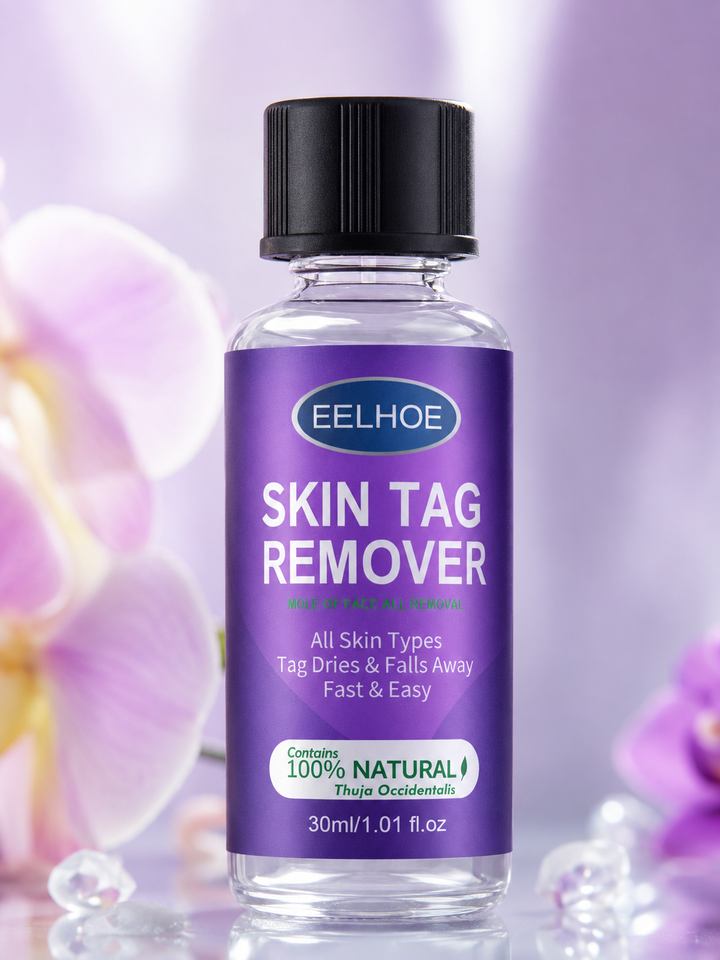
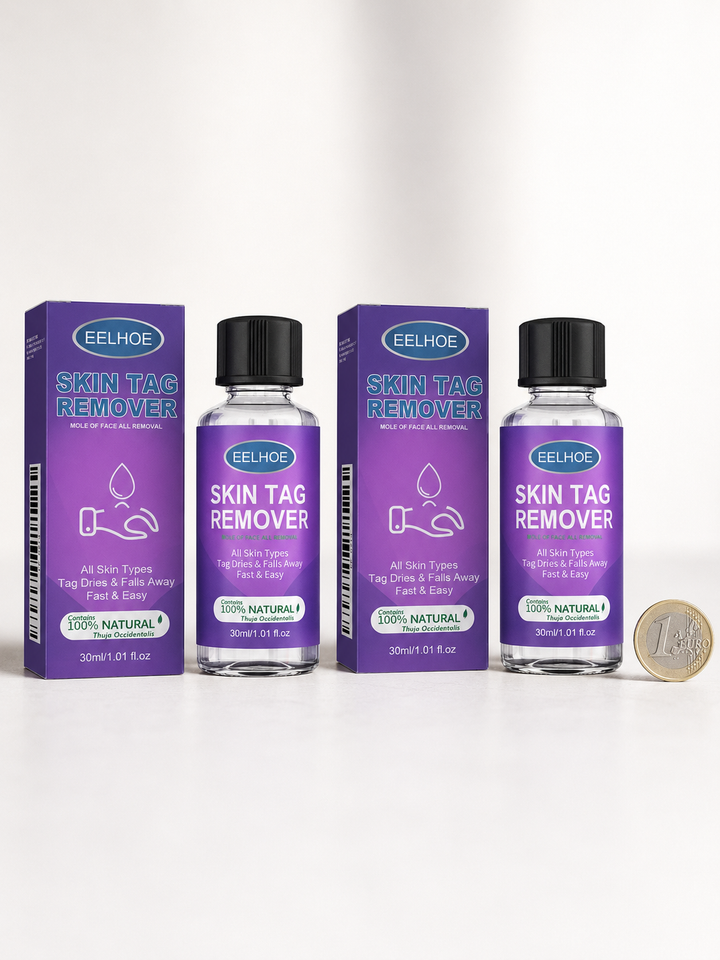


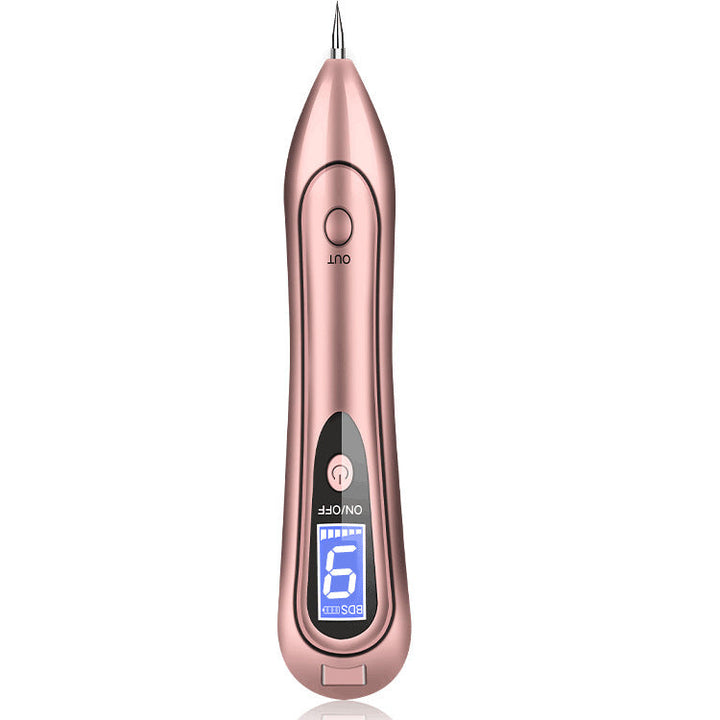


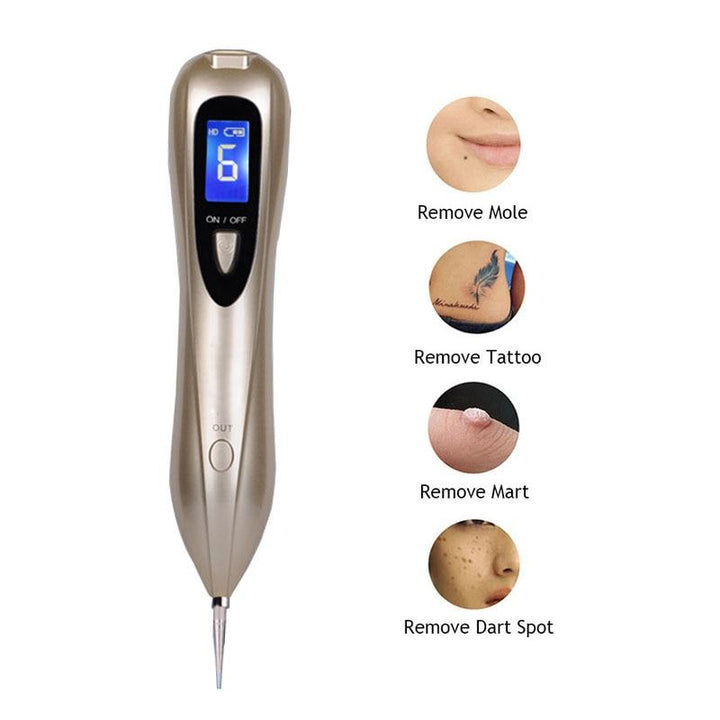
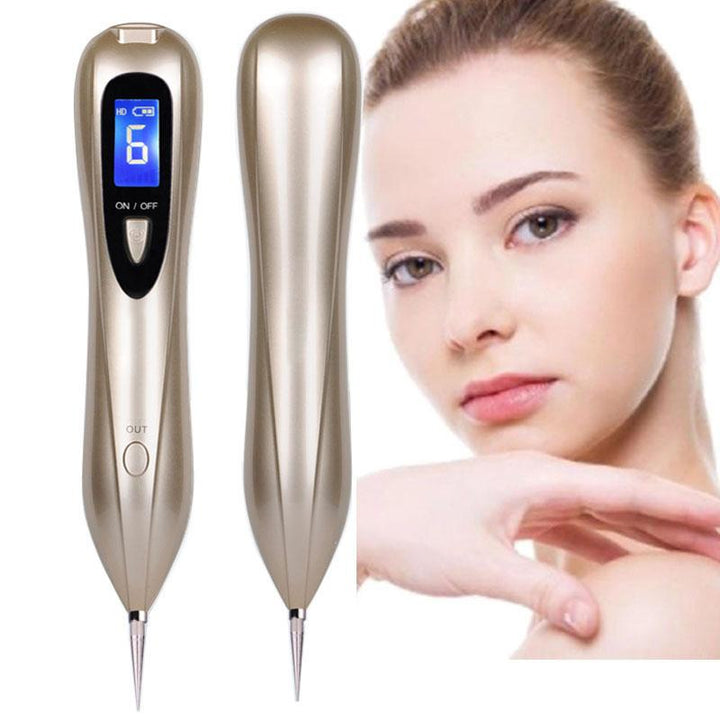

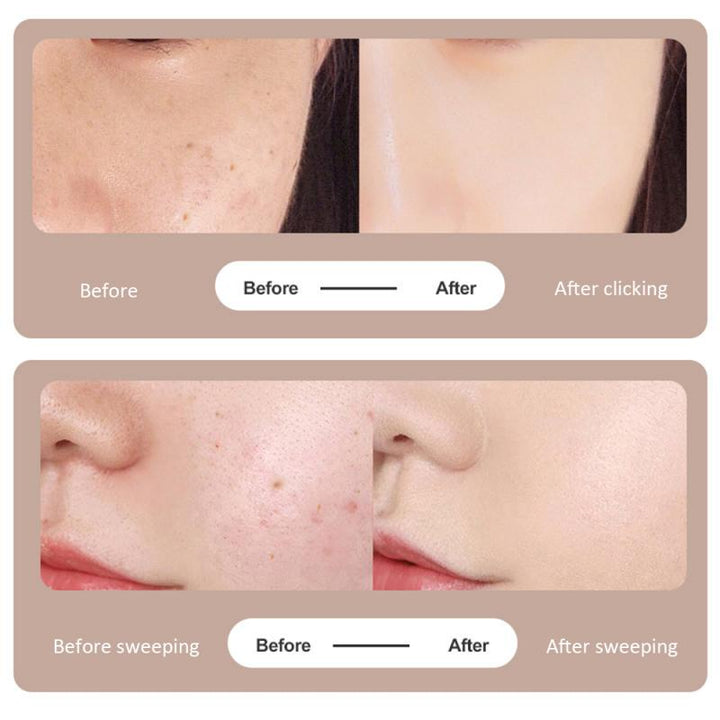

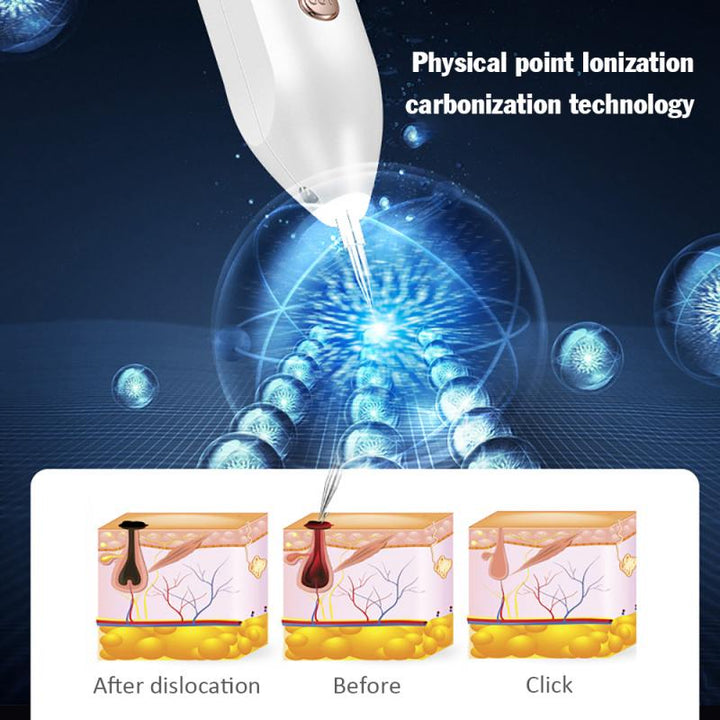


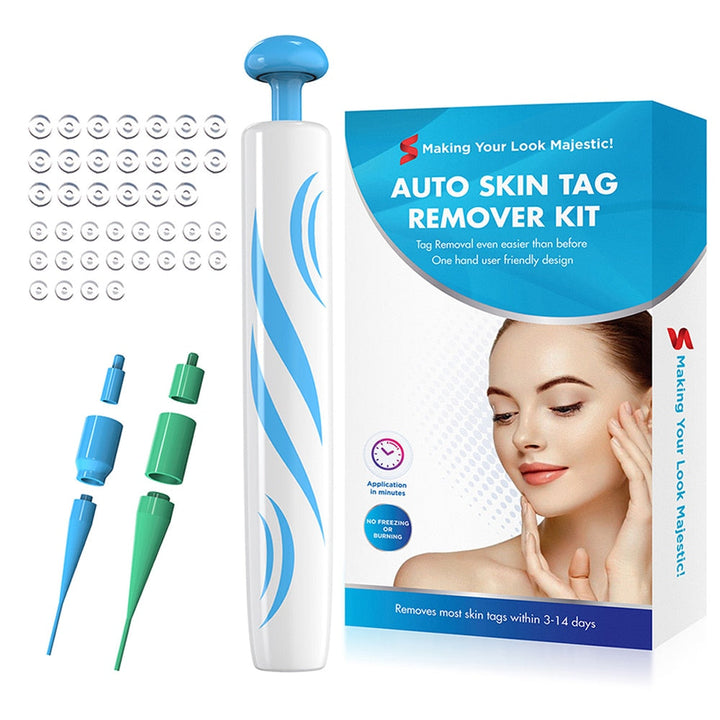
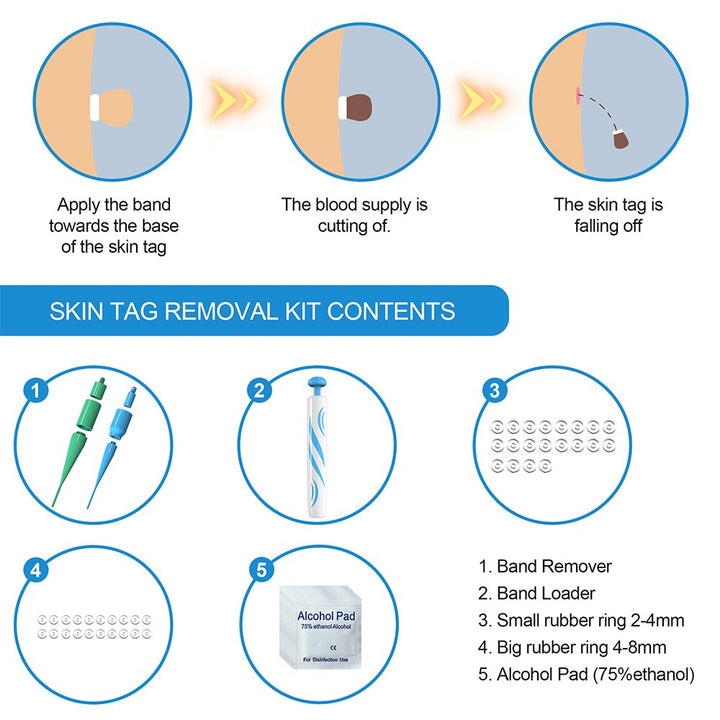


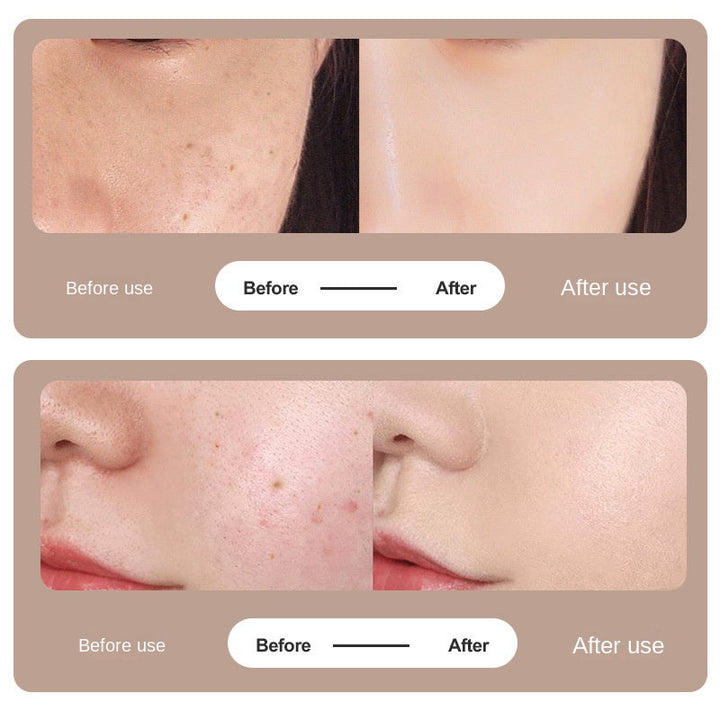
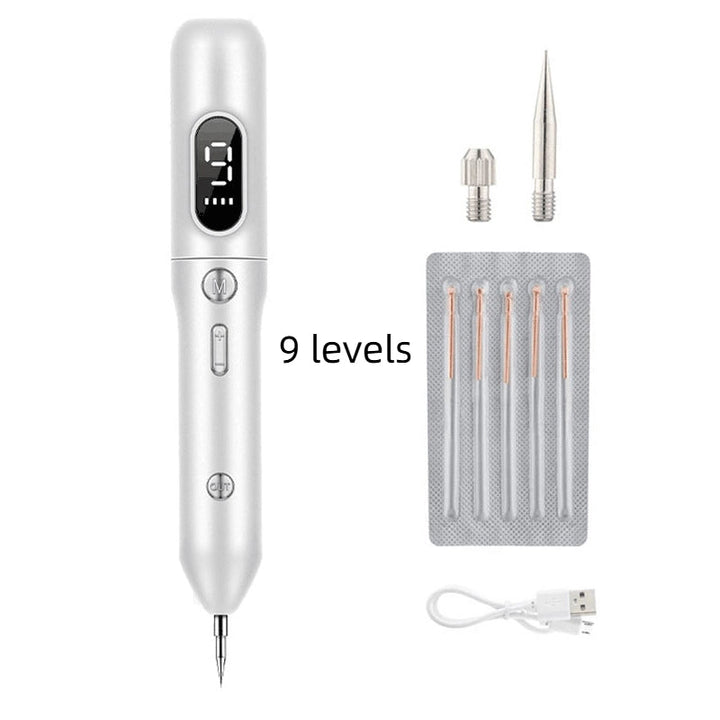
Skin tag removers range from adhesive patches and small at-home devices to plasma-style pens designed for targeted use. Compare the removal method, control features, instructions, and safety guidance before choosing a product for a minor, familiar skin tag.
How do I choose the best skin tag remover?
Start by deciding whether you want a patch, a pen, or a handheld device. Skin tag removal patches are simple to apply and do not require operating a tool, while a pen or device may offer more targeted placement. Check the product instructions for the intended area, skin type guidance, preparation steps, and aftercare. Look for clear information about contact with surrounding skin, cleaning, storage, and when to stop use. A product with adjustable settings or an LCD display may provide more control, but added controls also mean you must follow the manual carefully. Avoid choosing based only on promises such as “instant,” “painless,” or “scar-free.” If a growth is new, changing, painful, bleeding, or difficult to identify, ask a qualified healthcare professional before using any skin tag remover.
What types of skin tag removers are available?
This category includes three main formats. Patches are placed over or around the target area and are suited to shoppers who prefer a low-effort, hands-off option. Pen-style products use a pointed applicator for more precise placement and include options described for skin tags, moles, or warts. Plasma-style pens and laser-labelled devices are handheld tools that require careful positioning and adherence to the supplied instructions. Some listings include a removal pen with a separate LCD beauty or scanning display, while others focus only on treatment. These products are not interchangeable: a patch has different preparation and wear instructions from an electronic pen. Compare what is included, whether batteries or charging are required, the size and shape of the applicator, and the stated treatment area before buying.
What should I look for in a skin tag removal product?
Prioritise understandable instructions over dramatic marketing language. The listing should explain how to identify the intended target, prepare the skin, position the product, clean the applicator, and manage the area afterward. For electronic devices, check the controls, power source, tip design, adjustment options, and whether protective accessories are supplied. For patches, review adhesive instructions, wear time, replacement guidance, and how to remove the patch without pulling surrounding skin. A useful product page should also state where not to use the item, such as near the eyes or on broken, irritated, or infected skin. Check the returns policy and customer support details, especially for a device category that requires technique. Do not treat certification, clinical performance, or safety claims as established unless they are clearly verified by a reliable source.
How do you use skin tag removers at home?
Read the complete instructions before starting and follow the product’s preparation and aftercare directions rather than combining methods. Clean and dry the area as directed, keep the applicator or patch away from the eyes and mucous membranes, and avoid using a tool on damaged or irritated skin. With a pen or plasma-style device, use only the specified setting and contact time; do not repeatedly treat the same spot because you are unsure whether it worked. With patches, apply them only as directed and replace or remove them according to the instructions. Wash your hands before and after use, keep devices away from children, and do not share applicators. Stop if you experience significant discomfort, spreading redness, swelling, discharge, or another unexpected reaction, and seek professional advice.
What mistakes should I avoid when removing skin tags?
A common mistake is treating a spot without being confident that it is actually a skin tag. Do not use an at-home remover on a changing, dark, irregular, bleeding, painful, or uncertain growth; have it assessed first. Avoid cutting, tying off, burning, scraping, or mixing home remedies with a commercial product. Vaseline may protect or moisturise skin in some routines, but it is not a dependable skin tag removal method and should not be presented as one. Another mistake is ignoring the surrounding skin: keep treatment precise and follow the product’s spacing guidance. Do not exceed the recommended frequency, use a device on multiple people, or continue after a strong reaction. Taking a clear before photo can help you monitor changes without repeatedly disturbing the area.
Who are at-home skin tag removers suitable for?
At-home products may suit adults who have a familiar, minor skin tag in an area specifically covered by the instructions and who are comfortable following detailed directions. Patches may appeal to shoppers who want a simpler application, while a precision pen or handheld device may suit someone who wants more control over placement. These products may not be appropriate for children, people who cannot reliably follow the instructions, or anyone with uncertain, changing, irritated, or infected skin growths. Extra caution is sensible for areas close to the eyes, on delicate skin, or where clothing causes repeated friction. If you have a condition or treatment that affects healing, ask a healthcare professional before use. When in doubt, professional assessment is safer than trying to identify and remove the growth yourself.
Frequently asked questions
Is there a skin tag remover that actually works?
Results can vary by product, the type of growth, and how closely the instructions are followed. Patches, pen-style tools, and plasma-style devices use different approaches, so no single option is guaranteed to suit every shopper. Do not treat an uncertain or changing growth at home.
Is it possible to remove skin tags yourself?
Some adults choose an at-home patch or device for a familiar, minor skin tag, but self-treatment has risks if the growth is misidentified or the product is misused. Read the instructions carefully, avoid sensitive or damaged areas, and ask a healthcare professional if the spot is uncertain, changing, painful, or bleeding.
What is the best product for removing skin tags?
The best choice depends on your preferred format and the location of the skin tag. Patches offer a simpler application, while precision pens and handheld devices provide more targeted use but require careful technique. Compare instructions, controls, included accessories, aftercare guidance, and restrictions rather than relying on “instant” or “scar-free” wording.
What's best for removing skin tags?
Choose a product designed for the intended area and suitable for your comfort level with at-home treatment. A patch may be preferable for straightforward application, while a pen may offer more control. If you are not sure the growth is a skin tag, professional assessment is the better first step.
What naturally kills skin tags?
There is no reliable natural method that shoppers should treat as a proven skin tag remover. Household substances and DIY methods can irritate or injure surrounding skin, and Vaseline does not reliably remove skin tags. Avoid experimenting on a growth that has not been identified.
Does Vaseline really remove skin tags?
No, Vaseline is not a dependable method for removing skin tags. It may moisturise or protect skin in some situations, but it does not provide the targeted removal approach described by patches, pens, or devices. Do not use it as a substitute for product instructions or professional advice.