Muscle Recovery Tools: Foam Rollers & Massage Sticks
8 items








Muscle recovery tools can help you add targeted massage, pressure, vibration, warmth, or topical care to your post-workout routine. This guide compares foam rollers, massage sticks, fascia guns, massage balls, heat belts, creams, oils, and body butters so you can choose an option that fits your soreness, schedule, and preferred level of intensity.
How to choose a muscle recovery tool
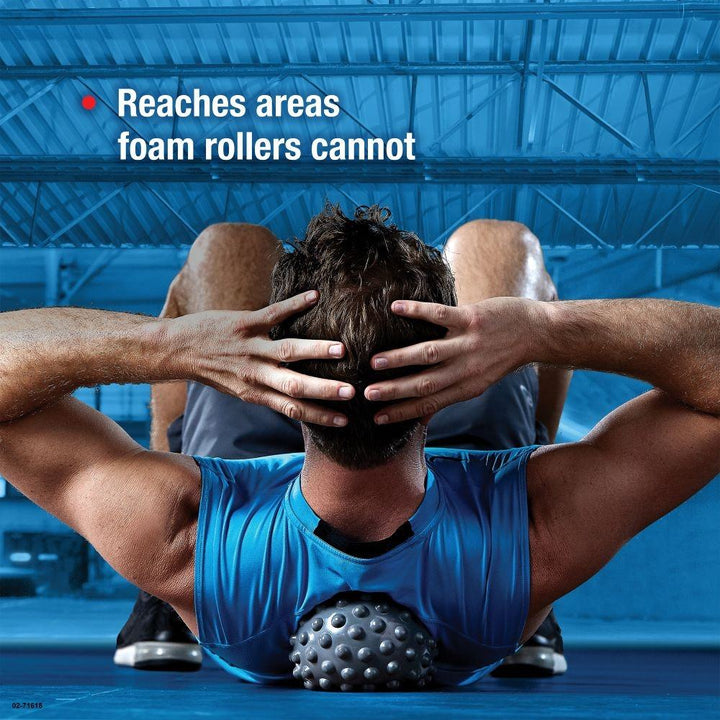
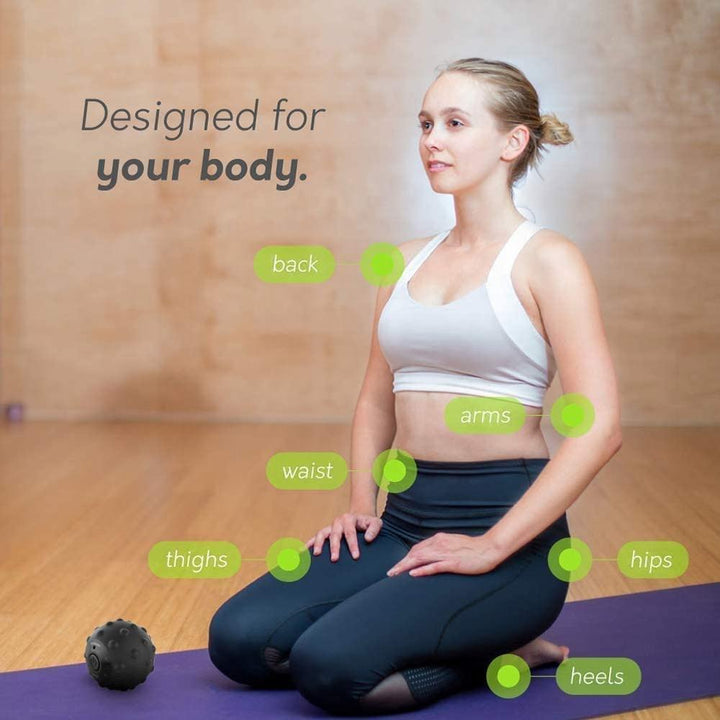
Start with the area you want to work and how much control you prefer. A massage stick is useful for sweeping over larger areas such as thighs and calves while controlling pressure with your hands. A massage ball is better for focused spots and areas foam rollers may miss. Choose a fascia gun when you want adjustable vibration and a portable format, or consider a heat waist belt for warmth around the lower back and waist. Creams, oils, and magnesium body butter add a topical massage step rather than mechanical pressure. If you are building a complete routine, pair one targeted tool with gentle movement, hydration, balanced muscle recovery food, and adequate rest.
Which muscle recovery tools are best for different needs?
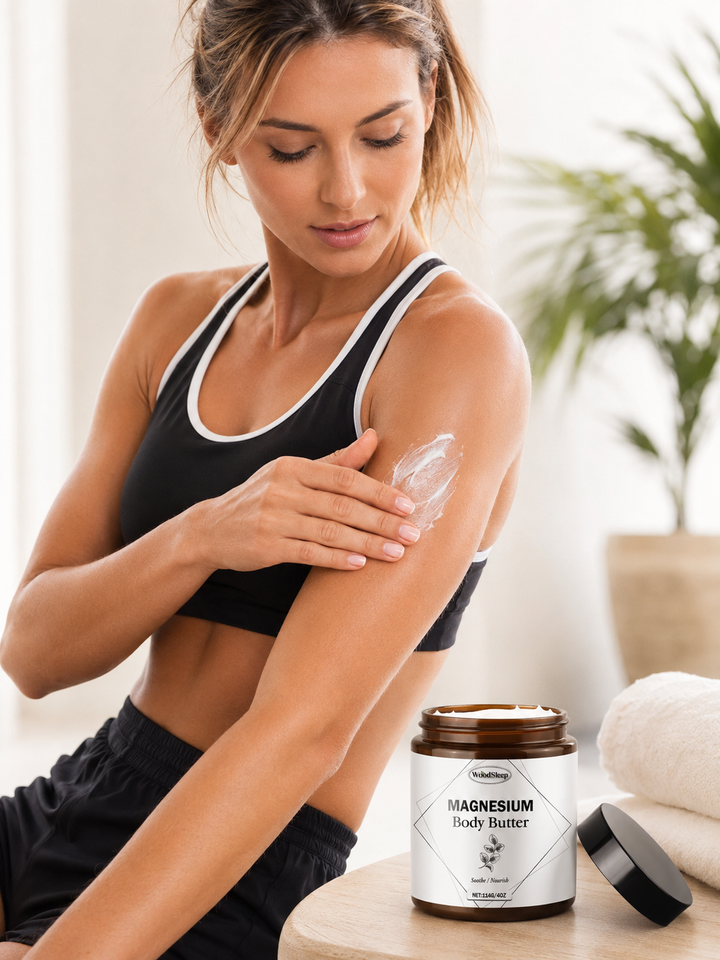
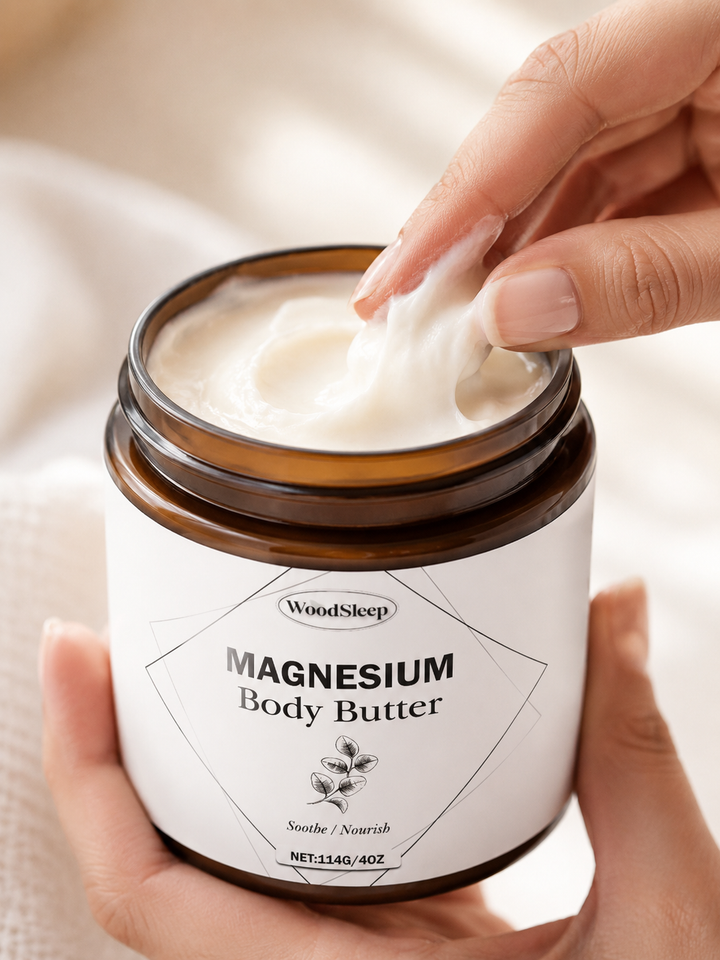
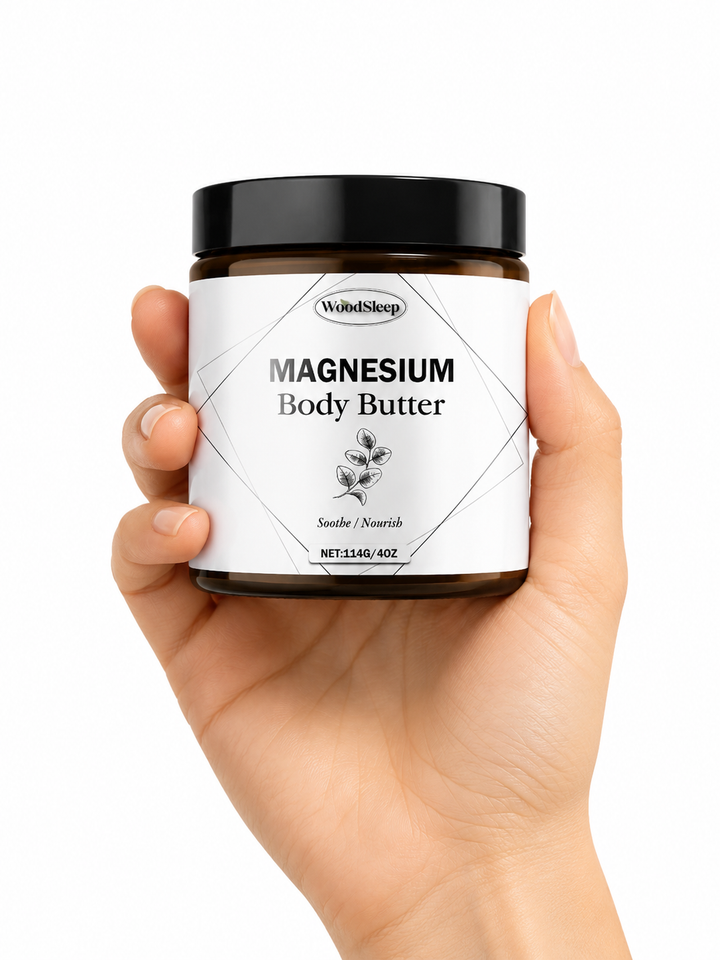
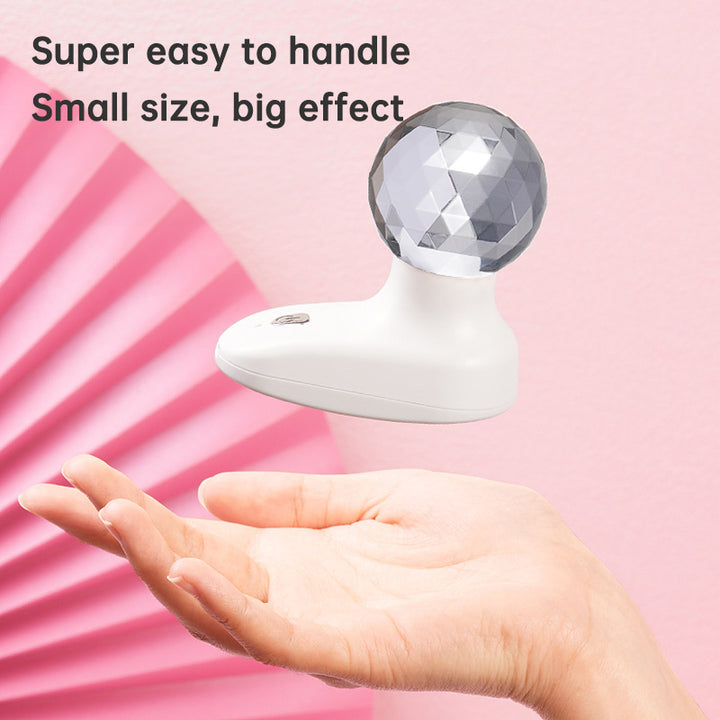
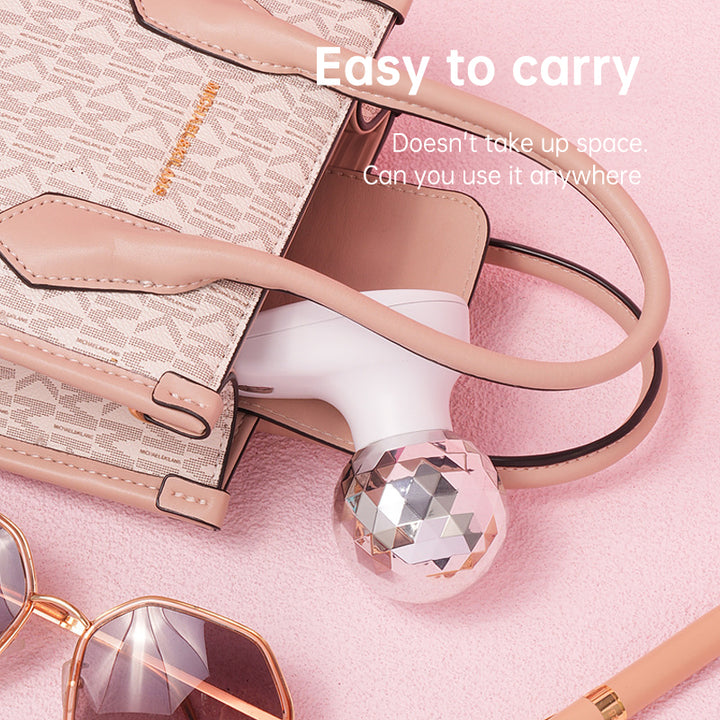
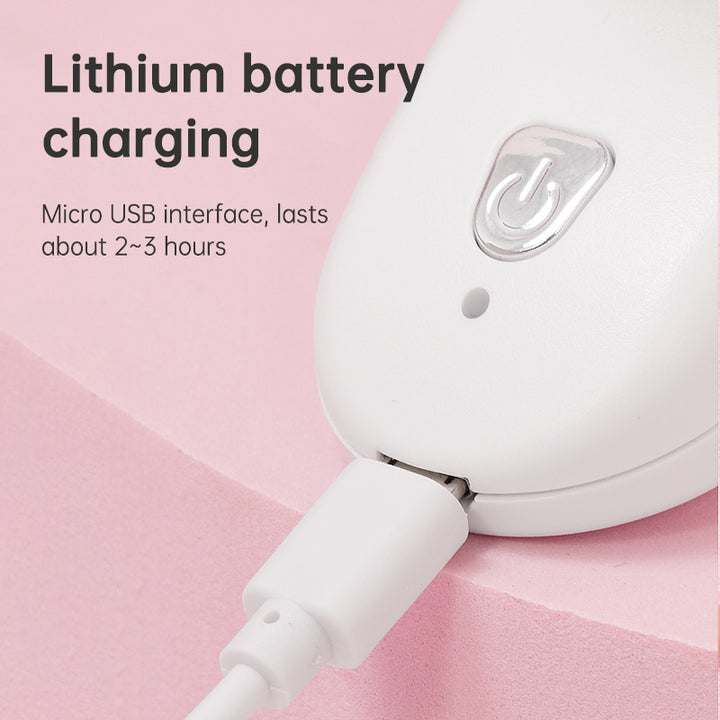
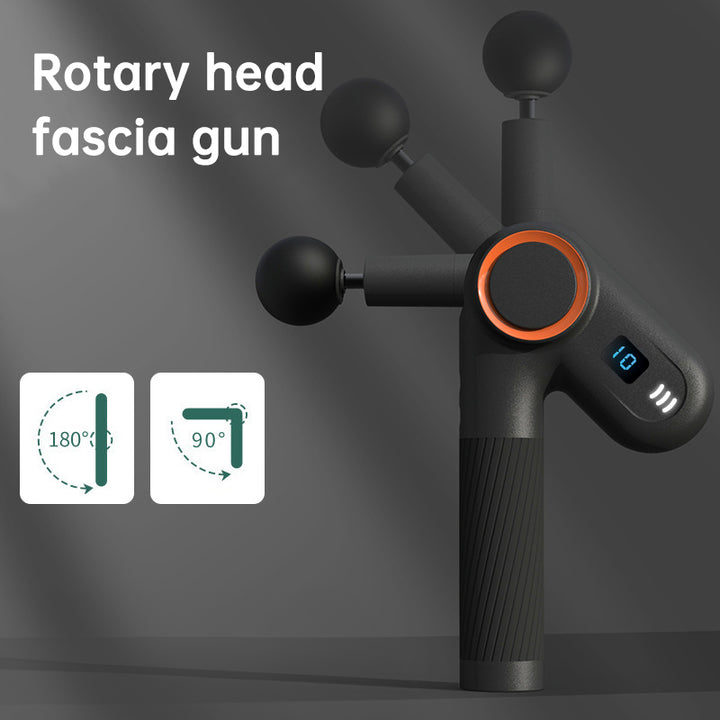
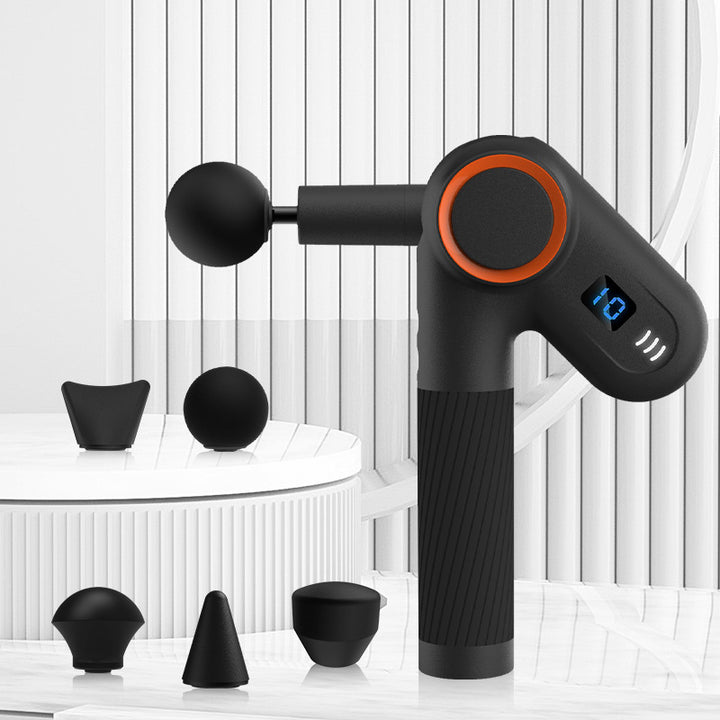
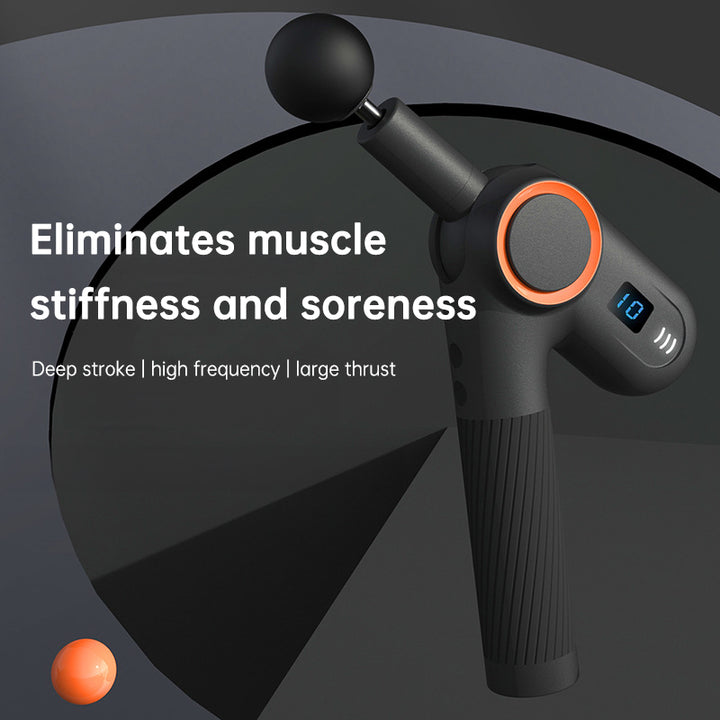
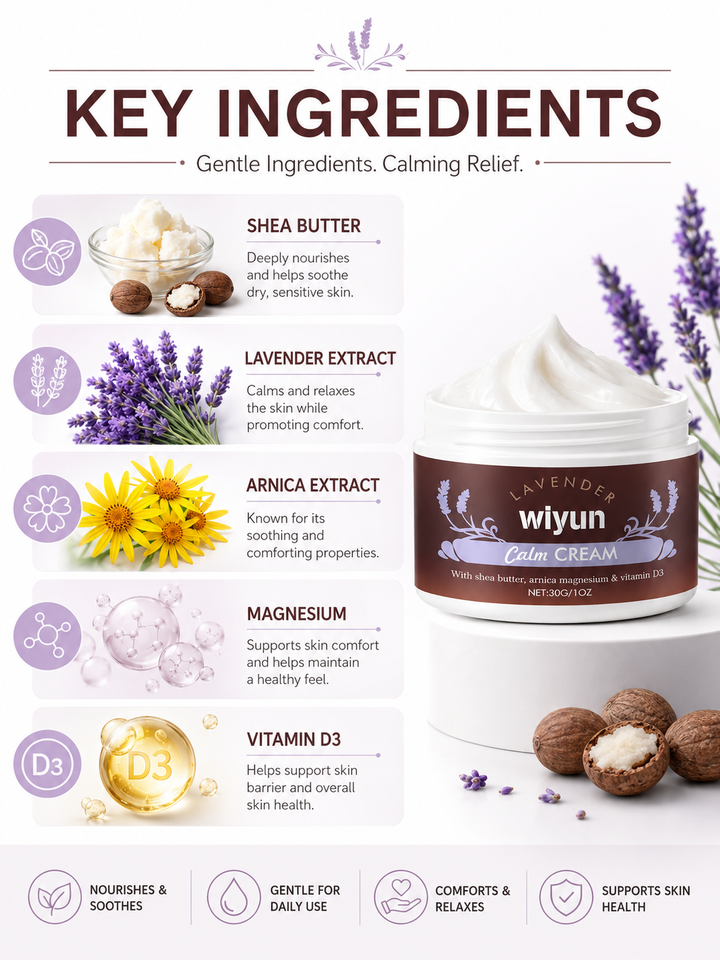
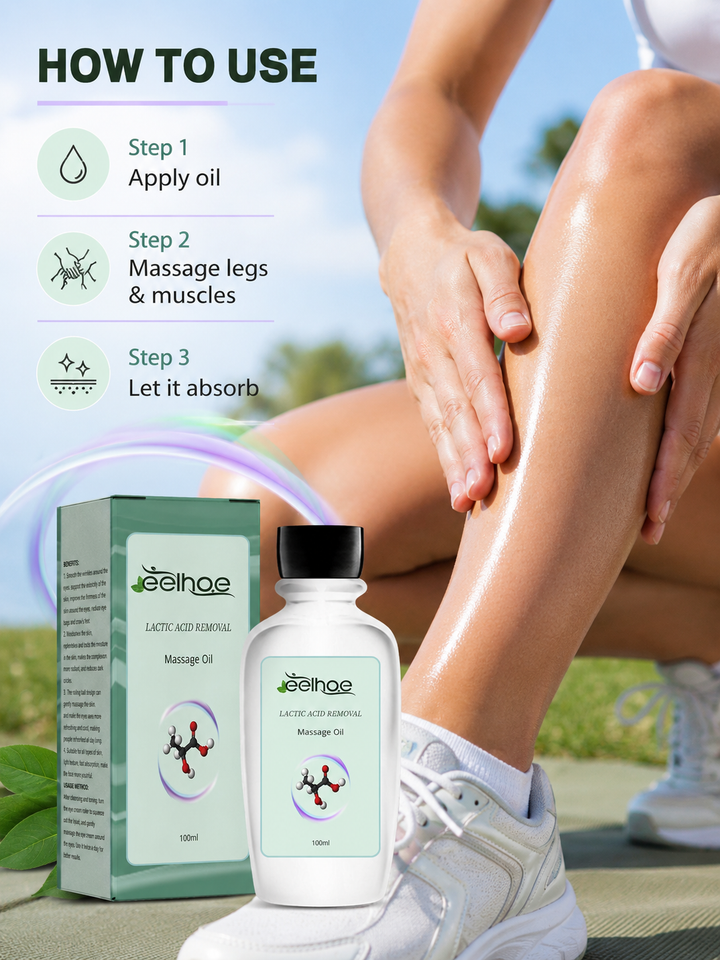
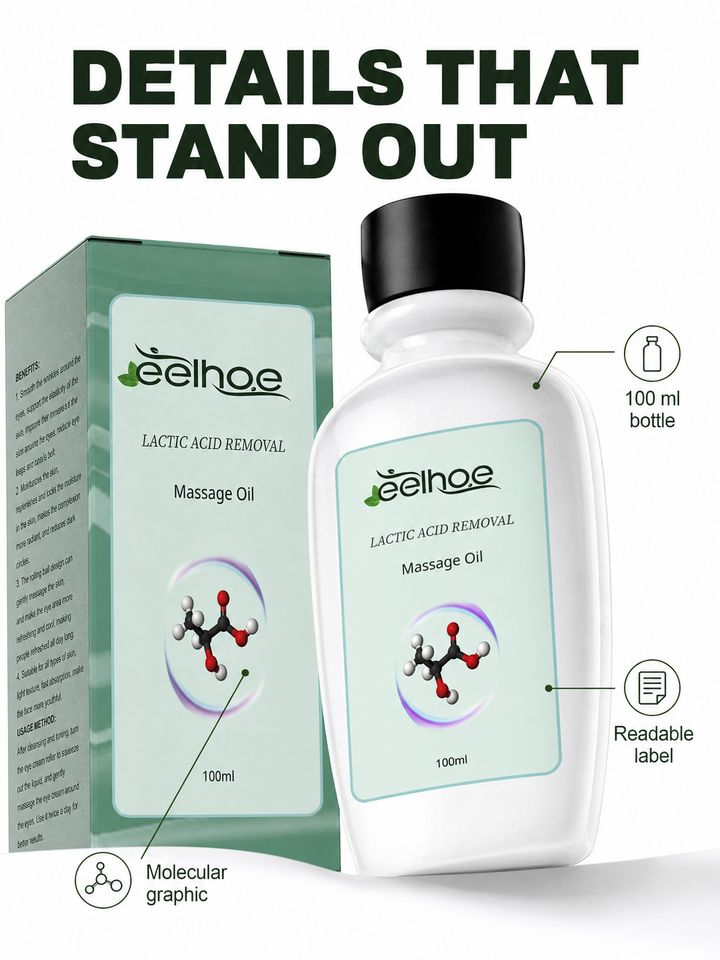
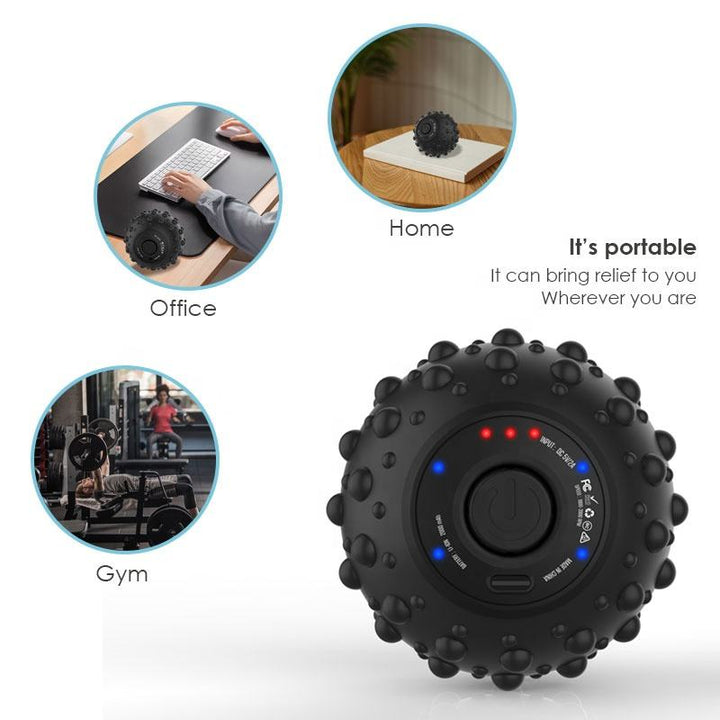
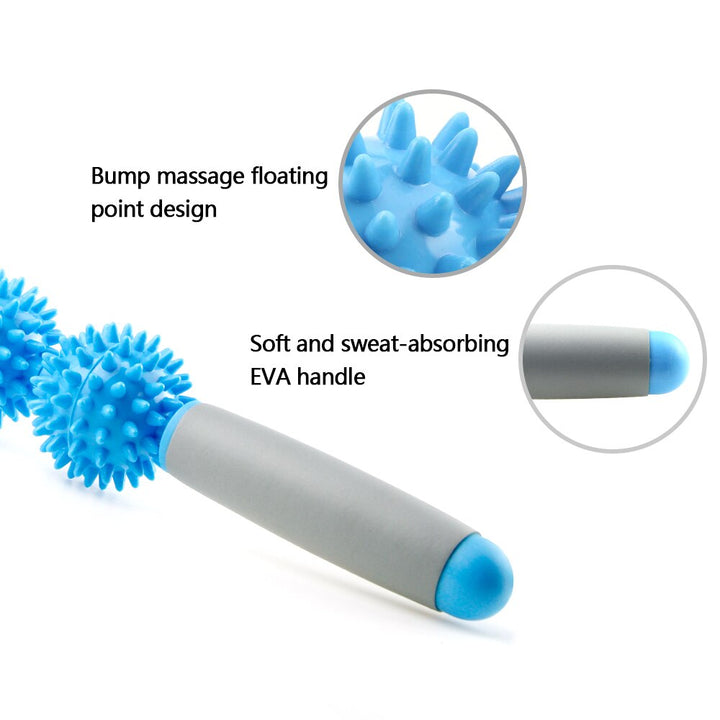
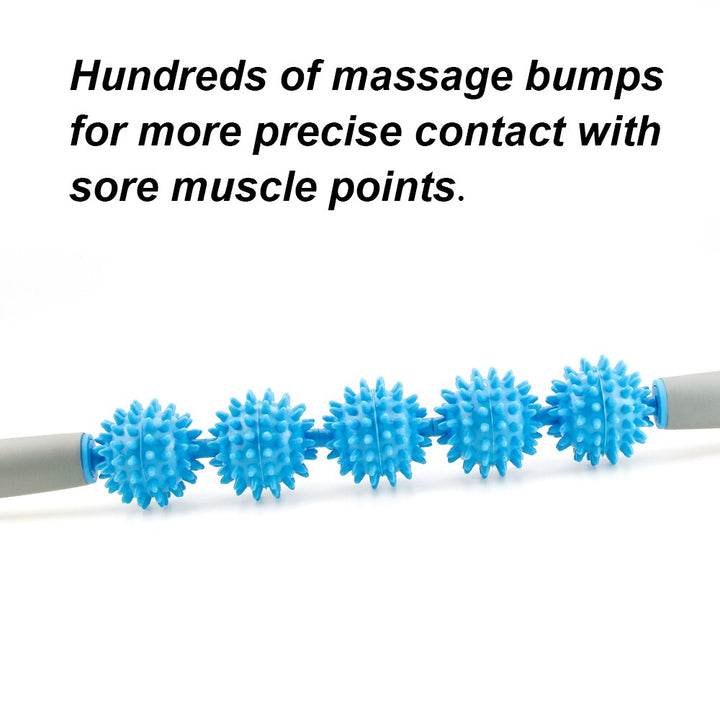
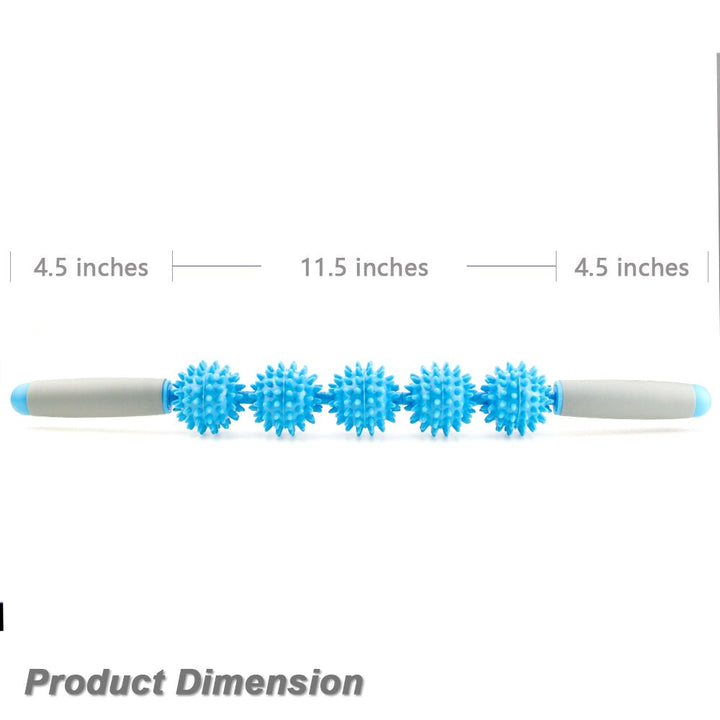
Foam rollers and massage sticks are simple choices for broad, hands-on muscle recovery massage. The MMuscle Roller Massage Stick gives you direct pressure without needing a power source. For portable vibration, the Mini Crystal Fascia Gun is easy to pack, while the 900-Turn Rotary Fascia Gun is designed for deeper-feeling, powered massage. A vibrating massage ball combines vibration with a compact shape for focused areas. The EMS Heat Waist Belt is suited to people who prefer warmth around the waist and back. Muscle Relief Cream, Lactic Acid Removal Massage Oil, and Magnesium Body Butter work well when you want to massage with your hands and avoid carrying a larger device.
What to look for in muscle recovery equipment
Check the tool's size, grip, power source, controls, and intended area before buying. A massage stick should be comfortable to hold and easy to move across the legs, arms, or shoulders. For fascia guns, look for a portable design and controls that let you choose a comfortable level of vibration. A vibrating ball should be compact enough to position accurately without slipping. For a heat belt, review the fit, control layout, and whether the shape suits your waist or lower-back routine. With creams and oils, consider texture, scent, packaging, and whether you prefer a quick-absorbing product or a richer massage feel. These details matter more than choosing the most intense option.
How to use a foam roller, massage stick, or fascia gun
Use recovery tools as part of a gradual routine rather than pressing as hard as possible. Start with light pressure or a low vibration setting, move slowly over the muscle area, and pause only briefly on areas that feel comfortably tight. Avoid rolling directly over joints, the front of the neck, or any area that feels sharp, numb, or unusually painful. Apply massage oil, cream, or body butter to clean skin if the product instructions allow it, and clean reusable tools after use. A heat belt should be used according to its instructions and checked regularly for comfort. Recovery time varies with training load, sleep, nutrition, and age, so adjust your routine instead of chasing a fixed timeline.
What mistakes should you avoid with sore muscles?
One common mistake is using excessive pressure because soreness feels like something that must be forced away. Hard, prolonged massage can leave an area feeling more irritated, so stop if discomfort becomes sharp or worsens. Do not use a fascia gun, massage ball, or stick over broken skin, a fresh injury, or an area with unexplained swelling. Avoid treating tools as a substitute for rest, warm-ups, sleep, or balanced meals that support muscle recovery. Applying oil or cream without checking the label can also create unwanted skin irritation or stains. If soreness is severe, persistent, or different from your usual post-workout feeling, pause the routine and seek appropriate professional advice.
Who are muscle recovery tools suitable for?
These products suit active shoppers who want convenient self-massage after strength training, running, cycling, sports, or long periods of sitting. A stick or foam roller-style tool is a practical starting point for simple, hands-on use. Choose a mini fascia gun or massage ball if portability matters, such as for a gym bag or travel. Powered tools may suit shoppers who prefer vibration, while creams, oils, and body butter are useful for a quieter, hands-on routine. A heat belt may appeal to people who prefer warmth around the waist and back. If you have an injury, ongoing pain, circulation concerns, skin sensitivity, or another health condition, check with a qualified professional before using recovery equipment.
Frequently asked questions
What is the fastest way for muscle recovery?
There is no single fastest method for everyone. A practical routine combines rest, sleep, fluids, balanced muscle recovery food, gentle movement, and a comfortable massage tool used at a suitable intensity.
Is it normal to feel sore for days after a workout?
Soreness can last for more than a day after an unfamiliar or demanding workout, but the experience varies by person and training load. If it is severe, worsening, unusually persistent, or accompanied by other concerning symptoms, stop using recovery tools and seek appropriate professional advice.
Why can't I sleep after exercising?
Late, intense exercise, stimulation, stress, heat, caffeine, or an inconsistent bedtime routine may make it harder to settle. Try allowing time to cool down, keeping your evening routine calm, and avoiding intense fascia-gun or massage sessions immediately before bed if they feel stimulating.
Can you work out sore muscles?
Light movement may feel comfortable, but avoid repeating hard training for muscles that are significantly sore or painful. Choose an easier session, change the muscle group, and stop if movement causes sharp pain or your form changes.
What not to do with sore muscles?
Do not force deep pressure, use a powered tool at an uncomfortable setting, or massage directly over joints, broken skin, or a fresh injury. Avoid ignoring severe or unusual pain, and do not rely on a tool instead of rest and sensible training adjustments.
Do sore muscles mean I'm getting stronger?
Not necessarily. Soreness can happen after new, harder, or unfamiliar activity, but it is not a reliable measure of strength or workout quality. Track progress through performance, consistency, recovery, and how your training feels over time.