Intimate Care Spray: pH-Balanced Feminine Wash & Freshness
6 items
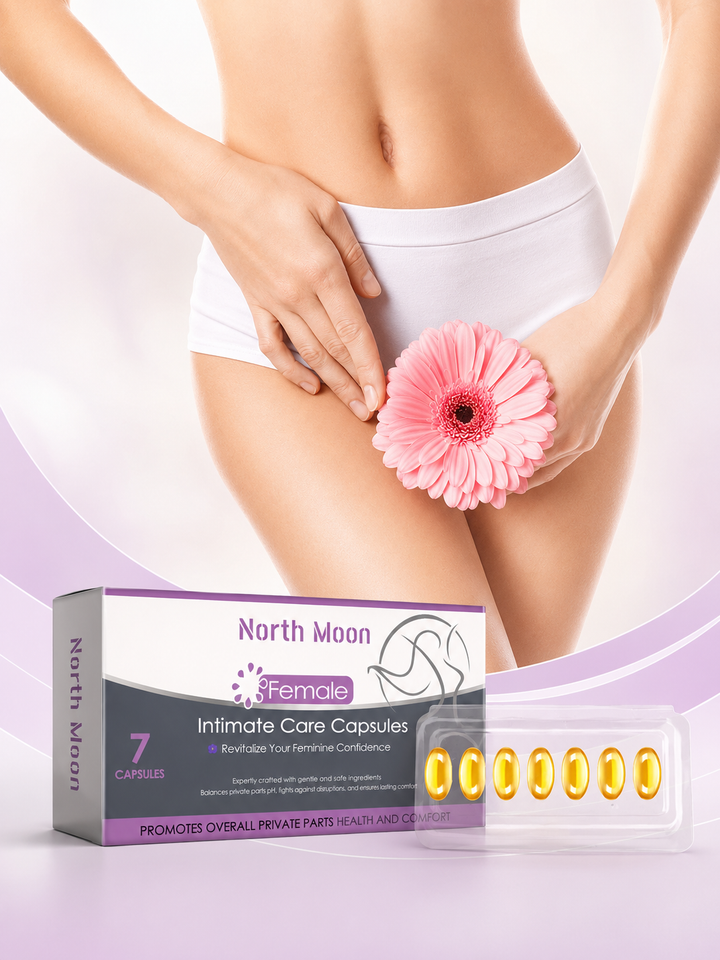
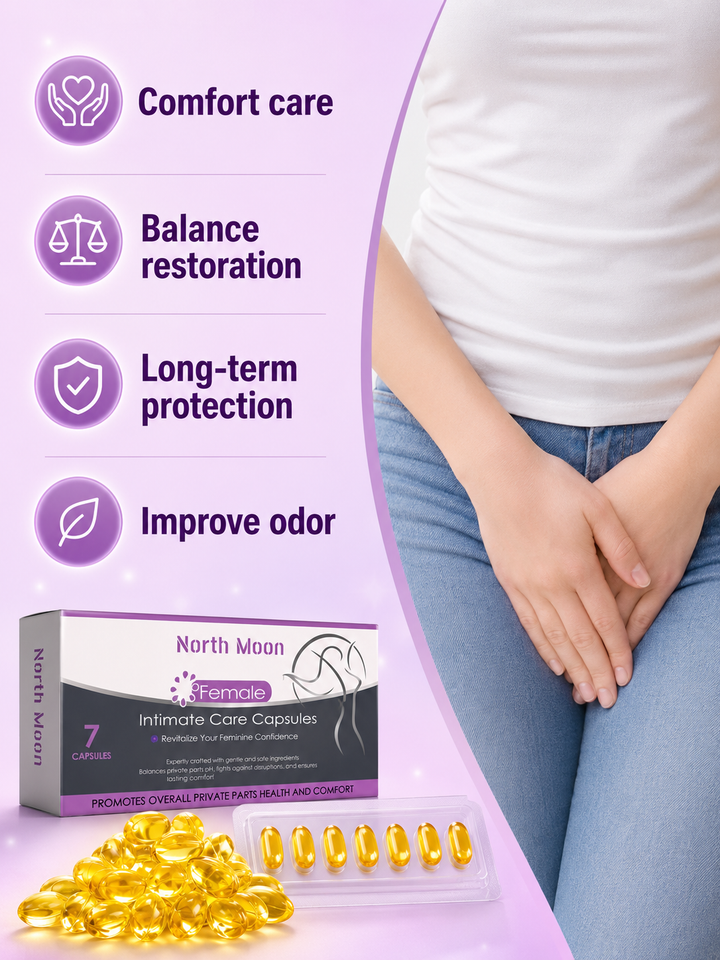


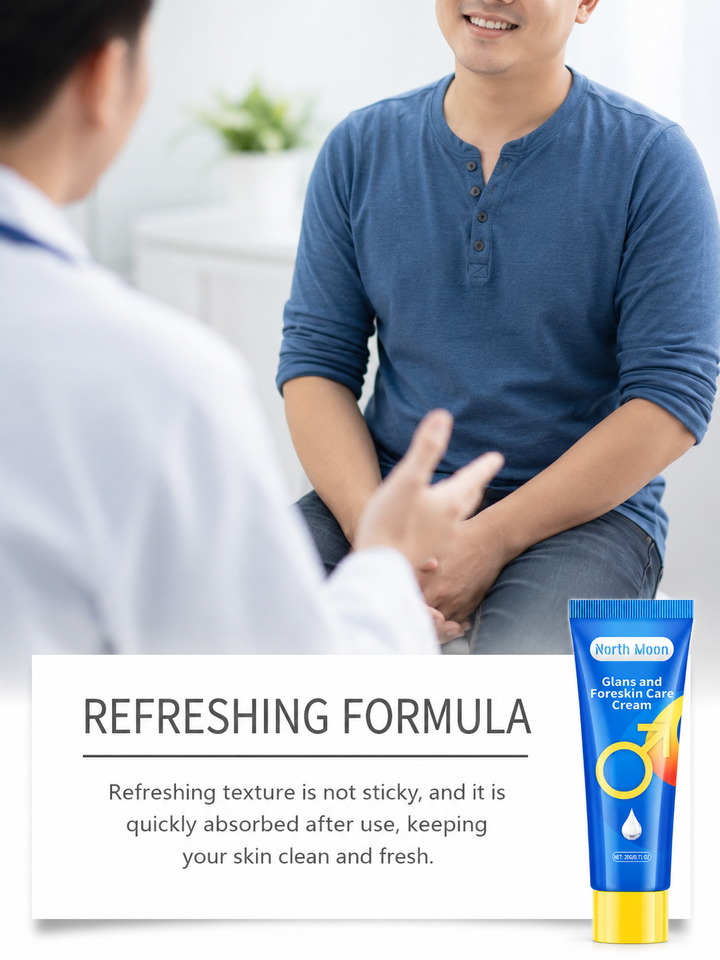


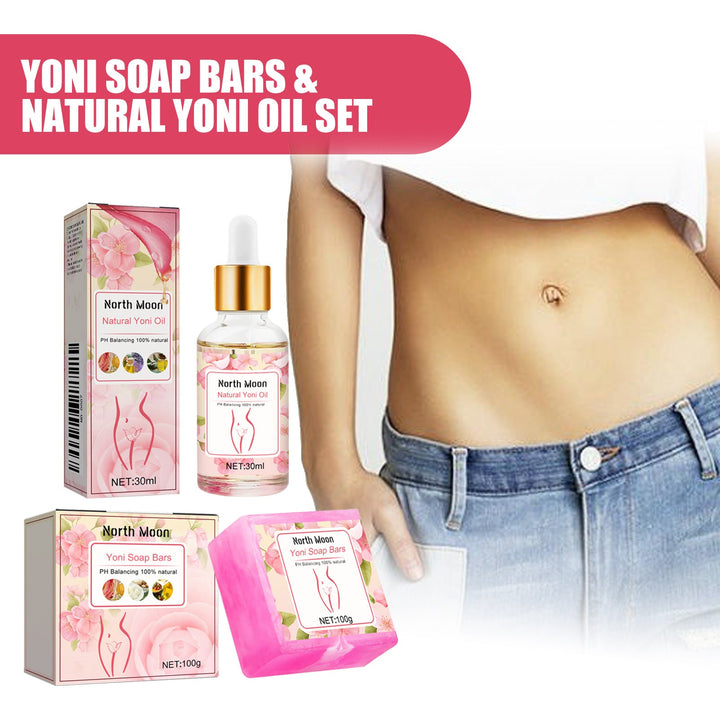
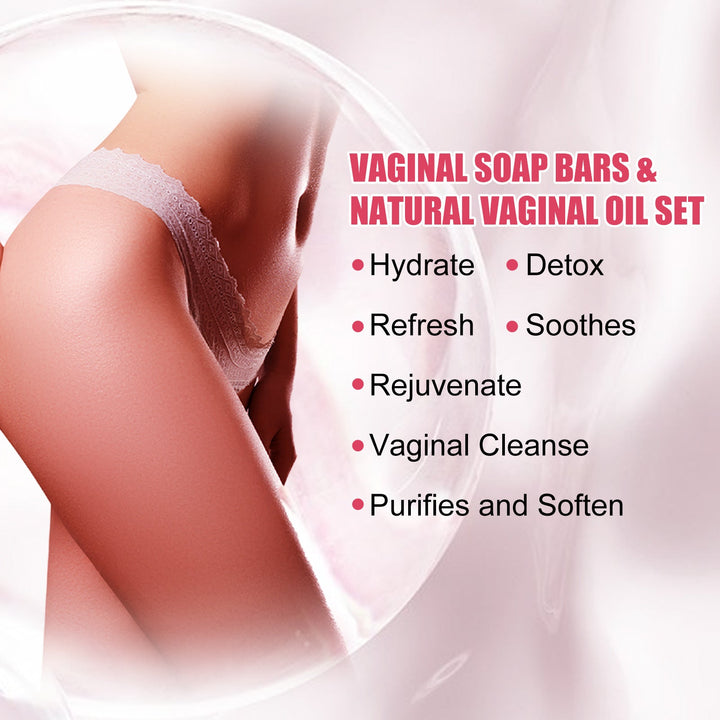
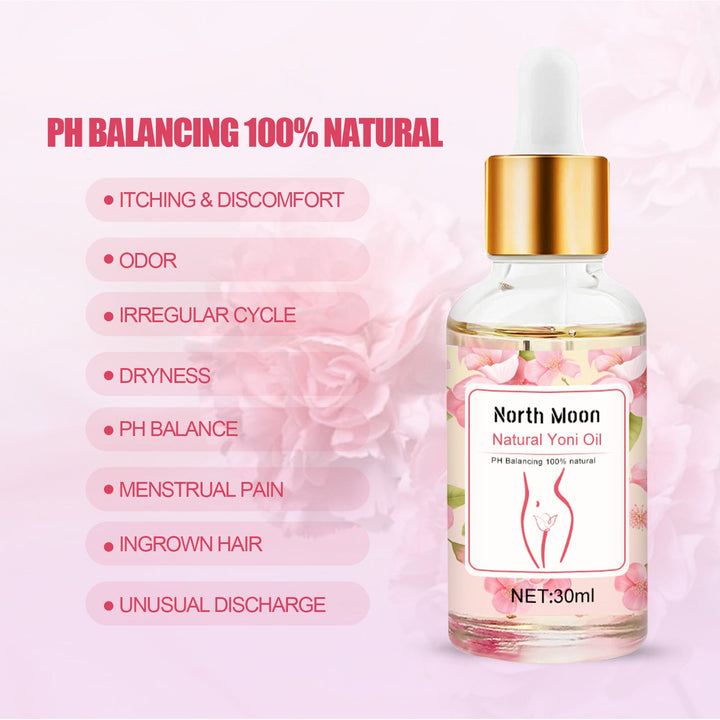
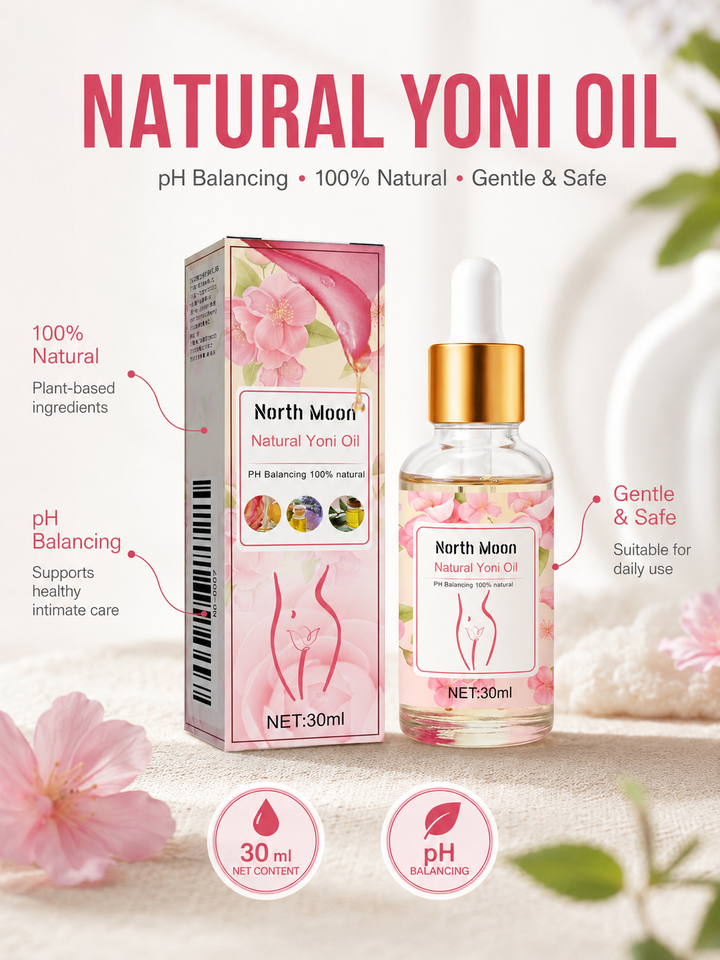
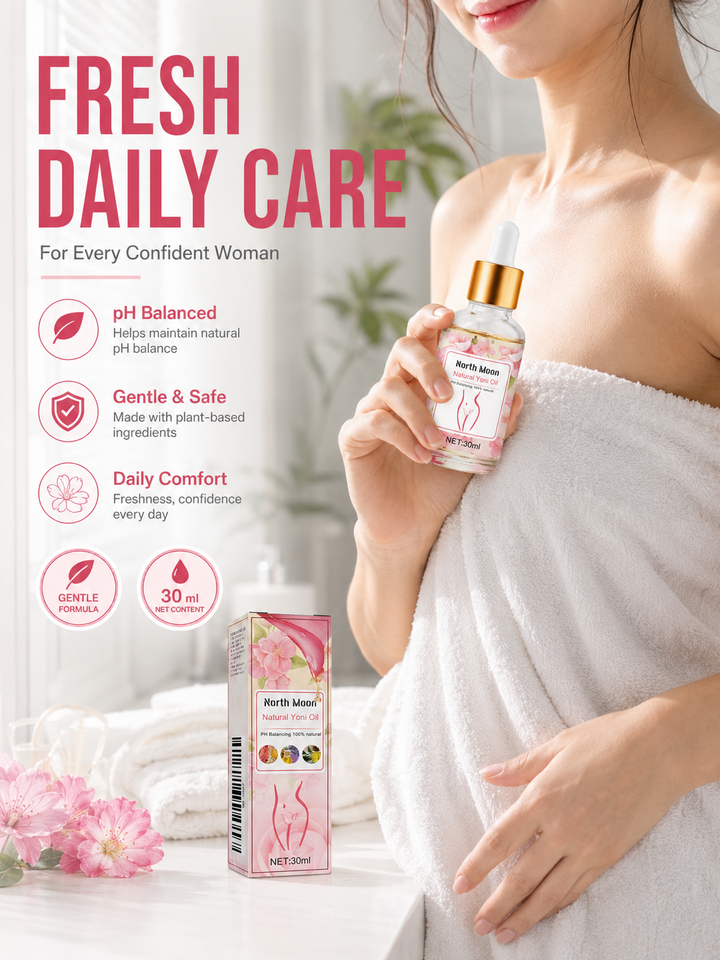
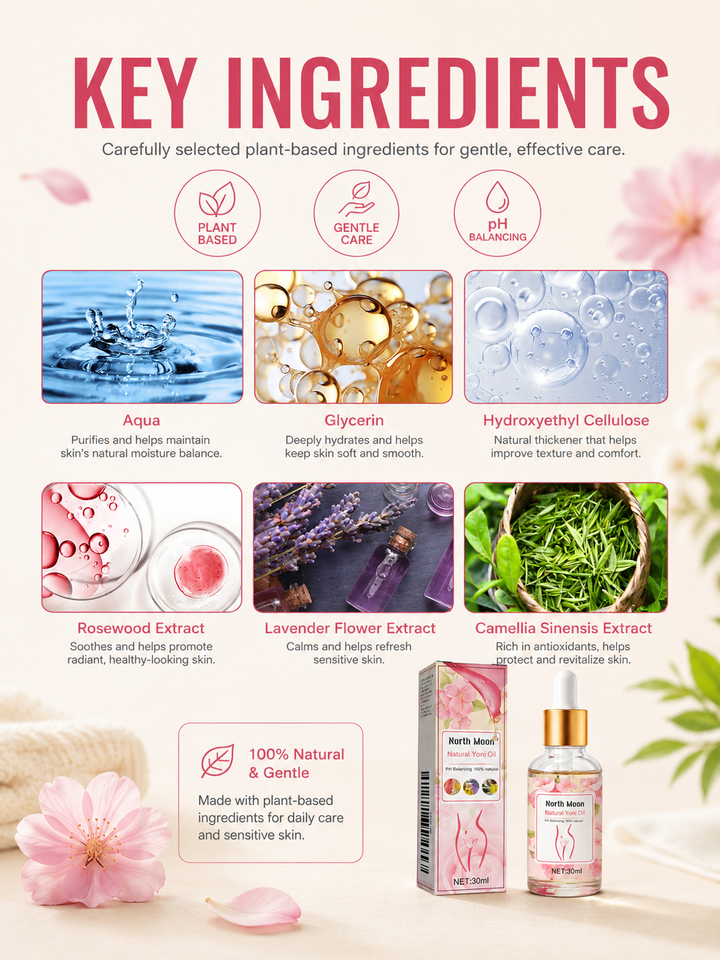
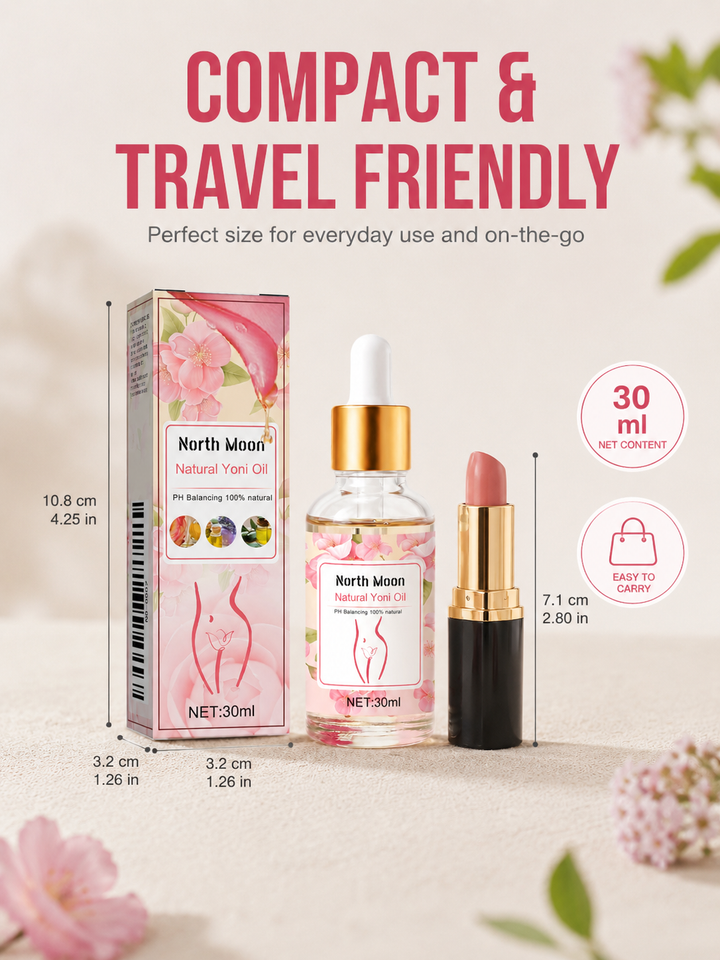


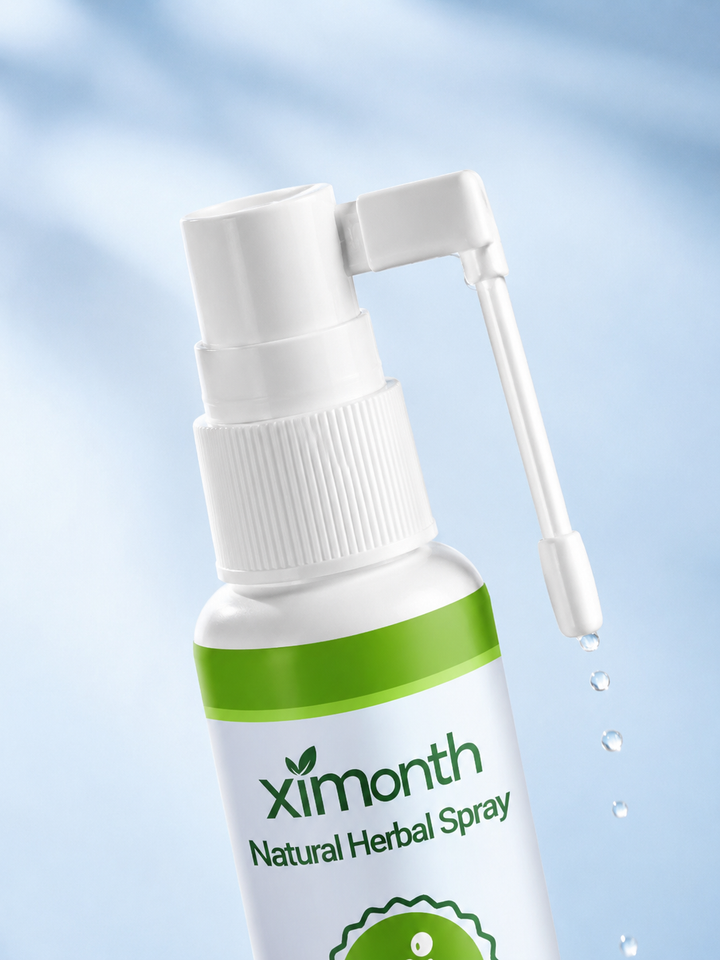
Intimate care sprays, pH-balanced washes, creams, soaps, oils and capsules are designed for different parts of an intimate-care routine. Use this guide to compare formats, check ingredients and choose a product that matches your intended area and comfort preferences.
How to choose an intimate care spray or wash
Start by deciding where and how you plan to use the product. An intimate care spray is generally chosen for quick external freshness, while a pH-balanced feminine wash or soap bar is used with water as part of cleansing. Creams and oils are leave-on products intended for external skin care, and capsules should only be considered when their instructions clearly match your needs. Check the label for the intended body area, directions, fragrance details and any usage warnings. If you have sensitive skin, choose a simple formula and patch test a small external area first. Avoid selecting a product solely because it promises freshness; comfort, clear instructions and suitable ingredients matter more.
What is the difference between intimate sprays, washes, creams and soaps?
Sprays are convenient when you want a quick external refresh without a full wash. A feminine intimate wash is a liquid cleanser used with water, whereas a pH-balanced natural yoni soap bar is a solid cleansing option that may suit shoppers who prefer bar formats. Intimate care creams are leave-on products for external skin and should not be treated like cleansers. A yoni oil and soap set combines two formats, so read the directions for each item separately. Hemorrhoid relief spray is intended for the anal area, not general feminine washing. Men's intimate care cream is formulated for a different use case, while intimate care capsules are not interchangeable with sprays, washes or creams.
What should you look for in a pH-balanced feminine wash?
Look for clear labeling that identifies the product as an external intimate cleanser and explains how to dilute, apply or rinse it. A pH-balanced description can help shoppers narrow their options, but it does not mean the product should be used internally or more often than directed. Review the full ingredient list, especially if you avoid fragrance, essential oils or particular botanical ingredients. Choose packaging that is easy to close and use hygienically, such as a pump or well-sealed bottle. For bar soap, keep it dry between uses to reduce sogginess. If the label is vague about body area, frequency or rinsing, choose a product with more specific instructions.
How to use intimate spray and feminine intimate wash
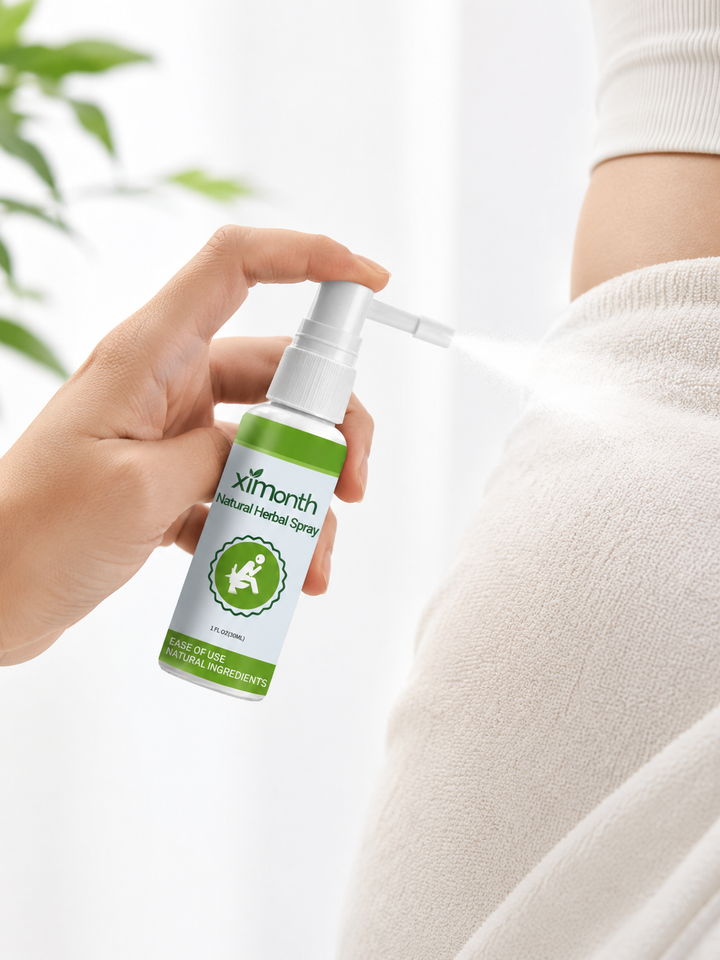
For an intimate care spray, read the label first and use it only on the stated external area. Apply the recommended amount to clean, dry skin or fabric if the instructions permit; avoid spraying on broken or irritated skin, and keep the product away from internal use unless the label specifically says otherwise. For a feminine intimate wash or soap bar, use lukewarm water, cleanse the external area gently and rinse thoroughly. Pat dry rather than rubbing. Do not share products, and wash your hands before and after use. Stop using any item that causes stinging, itching or increased irritation. Seek professional advice for persistent or unusual symptoms rather than trying to mask them with freshness products.
Can you use intimate wash daily, and what mistakes should you avoid?
Some shoppers can include a gentle external wash in daily hygiene, but frequency should follow the product label and your skin's response. More product or more frequent washing is not automatically better. Common mistakes include using a spray internally, applying cream as a cleanser, scrubbing, using very hot water, layering several fragranced products and failing to rinse soap thoroughly. Do not use an anal relief spray on the vulva unless its instructions expressly allow it, and do not use men's intimate cream as a substitute for a feminine wash. Avoid sharing bars or sprays. If discomfort continues after stopping a product, contact a qualified healthcare professional.
Who are intimate care sprays and pH-balanced products suitable for?
These products may suit adults who want a clearly labeled option for external cleansing, on-the-go freshness or skin comfort. A spray can be practical for travel, while a wash or soap bar may suit shoppers who prefer a water-based cleansing routine. Creams and oils may appeal to people seeking a leave-on product for external skin, but they are not replacements for diagnosis or treatment. Products in this category are not all interchangeable: an anal spray, men's cream and intimate capsules have different intended uses from feminine sprays and washes. People with allergies, ongoing irritation, pregnancy-related questions or unexplained symptoms should check the label carefully and ask a healthcare professional before use.
Frequently asked questions
What does intimacy spray do?
An intimate care spray is typically used for external freshness or skin care, depending on its label. It should not be assumed to cleanse internally, prevent infections or treat symptoms. Follow the product directions and stop use if it causes discomfort.
Are intimate sprays safe?
Safety depends on the formula, intended area and how it is used. Choose a product with clear directions, avoid internal use unless expressly stated, and patch test a small external area if you have sensitive skin. Do not use it on broken or irritated skin unless a qualified professional advises you to.
What is feminine intimate spray?
Feminine intimate spray is a product marketed for external freshness or care around the vulva. It is different from a feminine wash, which is applied with water, and from a cream or oil, which is left on the skin. Check the label to confirm the intended area and application method.
How do you use intimate spray?
Read the label and apply only the stated amount to the stated external area. Keep it away from internal use, eyes and broken skin unless the directions specifically say otherwise. Wash your hands before and after use, and discontinue it if you notice stinging, itching or irritation.
Can I use intimate wash daily?
Some people use a gentle external wash as part of daily hygiene, but the correct frequency depends on the product directions and your skin. Use lukewarm water, avoid scrubbing and rinse thoroughly. If daily use causes dryness or discomfort, stop and consider asking a healthcare professional for advice.
What is the proper way to wash your private area?
Clean the external area gently with lukewarm water and, if desired, a clearly labeled intimate wash used according to its directions. Avoid internal washing, harsh scrubbing and heavily fragranced products, then pat dry. Persistent itching, pain, unusual discharge or odor should be discussed with a qualified healthcare professional rather than managed only with a wash or spray.