Hemorrhoid Care: Pills & Relief Products for Comfort8 items

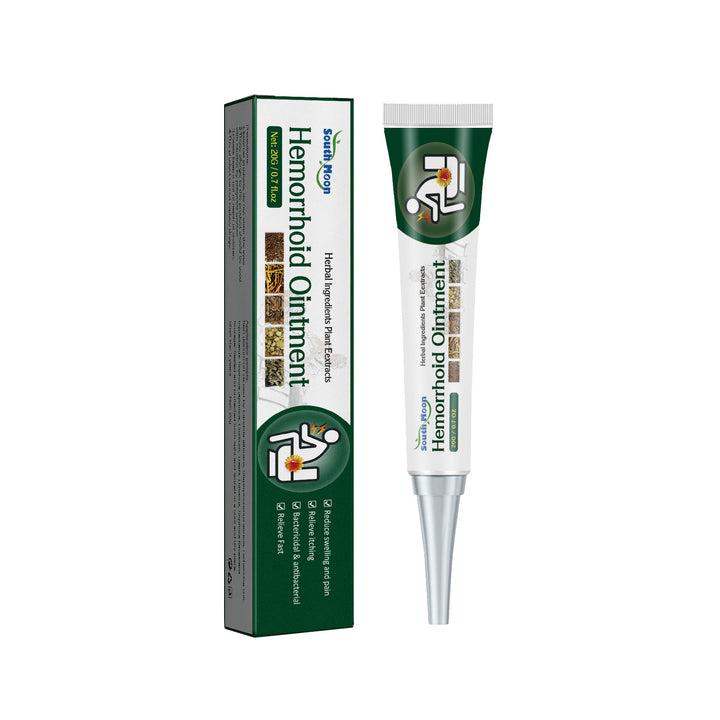
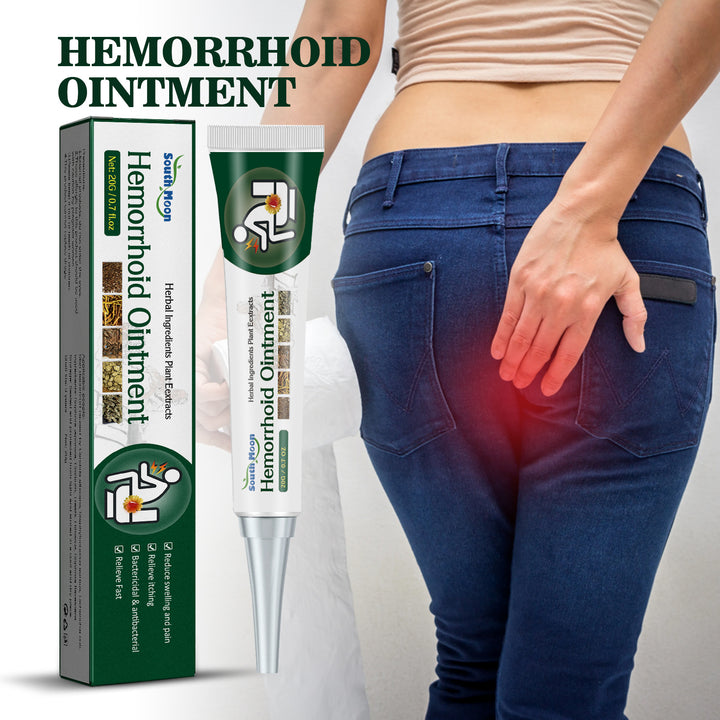



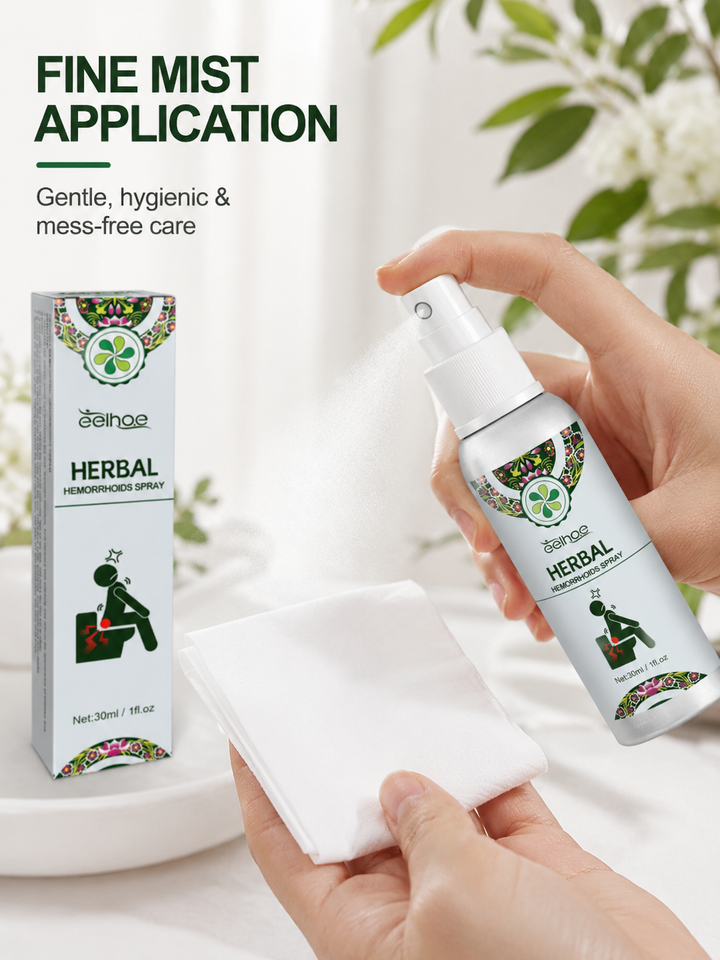


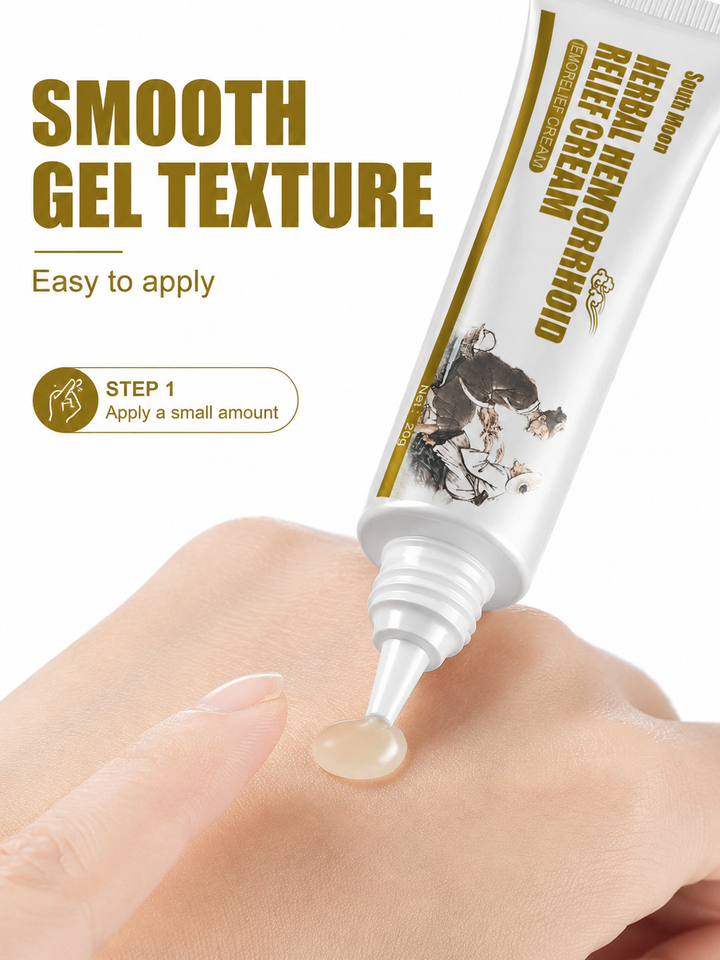


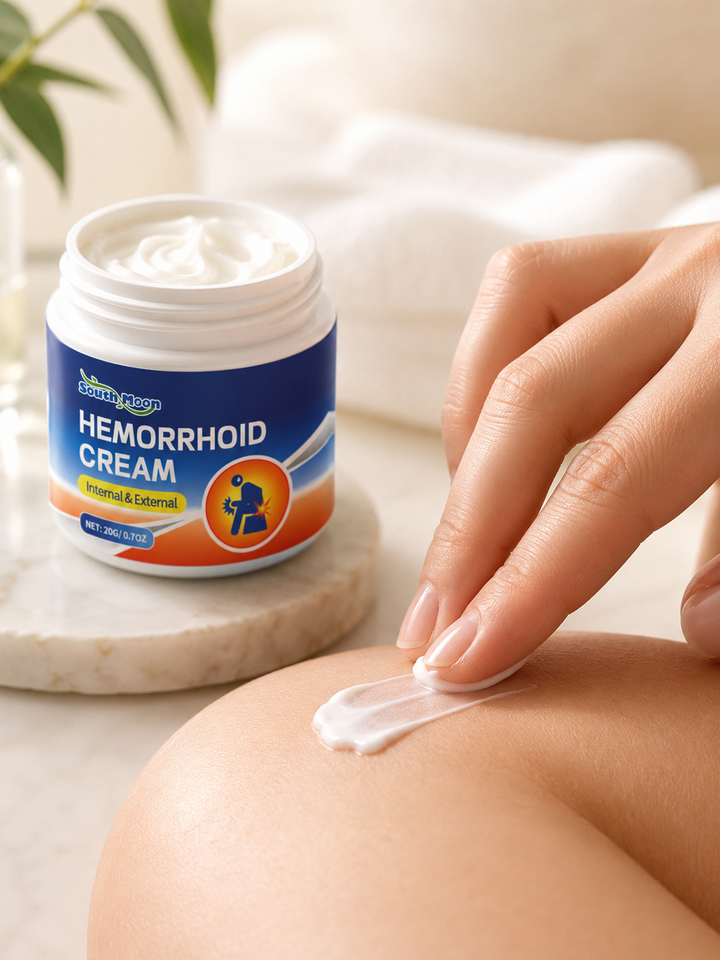








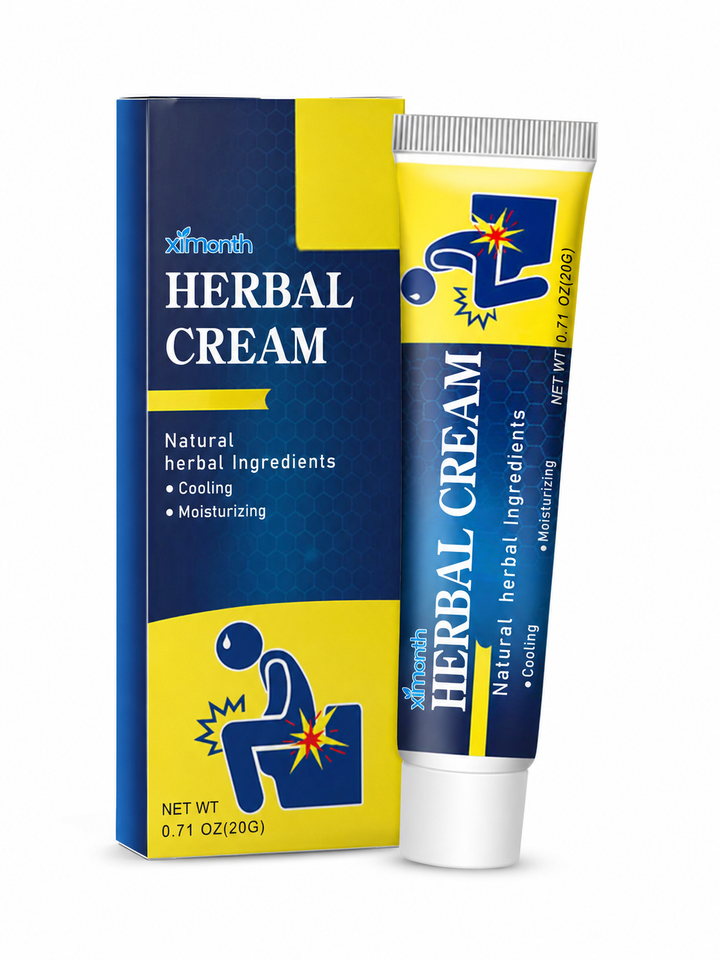

Hemorrhoid care products can help support comfort when itching, irritation, swelling, or soreness makes sitting and bowel movements unpleasant. This category includes creams, ointments, sprays, roll-ons, and capsules, so compare the format, intended use, and directions before choosing.
How do I choose the right hemorrhoid relief product?
Start with the symptom you want to address and the area where you plan to use the product. Creams and ointments are useful when you prefer to apply relief directly to the skin, while sprays and roll-ons can offer touch-free or targeted application. A hemorrhoid cream may suit shoppers looking for support with itching, soreness, or irritation around internal or external hemorrhoids, depending on its label directions. Capsules are taken by mouth and should be selected only when the packaging clearly explains how to use them. Check the ingredient list for known sensitivities, follow the stated directions, and do not combine multiple products with overlapping ingredients unless a healthcare professional advises you to do so.
What types of hemorrhoid products are available?
This category includes several formats for different routines. Hemorrhoid ointment for itch, swelling, and pain relief is a thicker option for applying to the affected area. Creams, including natural, herbal, fast-relief, and internal-and-external formulas, are designed for direct topical use according to their labels. Sprays provide a no-rub application, and the herbal roll-on offers targeted use with less direct contact. Herbal hemorrhoid capsules are an oral option, so read their directions and ingredient information carefully. A cooling spray or cream may feel soothing, but comfort can vary from person to person. Compare the application method, ingredients, intended area, and cleanup requirements rather than choosing by format alone.
What should I look for in hemorrhoid care?
Look for clear packaging that states whether the product is intended for external use, internal use, or both. The label should explain how much to apply, how often to use it, and whether an applicator is included. If you prefer minimal contact, consider a spray or roll-on; if you want to spread a product over a specific area, a cream or ointment may be more practical. Review botanical and other active ingredients for possible allergies or irritation, especially if you have reacted to topical products before. Avoid assuming that words such as “natural,” “herbal,” or “cooling” guarantee a better result. Choose a product with directions you can follow comfortably and consistently.
How should I use hemorrhoid creams, sprays, and capsules?
Read the product label before each new product, wash your hands, and gently clean and dry the area as directed. Apply only the stated amount of cream or ointment, and use a spray or roll-on according to its application instructions rather than spraying onto broken or irritated skin unless the label permits it. Do not insert a product unless it is specifically labeled for internal use and provides appropriate directions. Take capsules only as directed on the package; they are not a substitute for topical care when the label does not describe that use. Stop if you develop worsening irritation or an unexpected reaction. Seek professional advice if symptoms persist, recur frequently, or include bleeding.
What mistakes can make hemorrhoid symptoms worse?
Common problems include rubbing the area aggressively, using more product than directed, and applying several formulas at once. Scratching can add irritation, while fragranced soaps or wipes may be uncomfortable for some people. Straining during bowel movements and spending a long time sitting on the toilet can also aggravate symptoms. Try to keep bowel movements gentle by following general advice from a healthcare professional about fluids, fiber, and activity that suit you. Do not keep treating an external hemorrhoid indefinitely without checking the cause, particularly if it will not go away. Repeated flare-ups every time you poop, significant pain, or bleeding deserve medical guidance rather than repeated product changes.
Who is hemorrhoid care suitable for?
These products are intended for adults seeking temporary comfort from symptoms associated with hemorrhoids, subject to each product’s label and ingredients. They may suit shoppers who want a direct topical option, a touch-free spray or roll-on, or an oral capsule format. People who are pregnant, nursing, taking medication, managing a medical condition, or shopping for a child should ask a healthcare professional before use. A product may not be appropriate if the skin is severely damaged, symptoms are intense, or the cause is uncertain. Hemorrhoid-like symptoms can overlap with other conditions, so seek medical advice for persistent symptoms, unusual changes, substantial bleeding, or concerns about whether a colonoscopy or other evaluation is needed.
Frequently asked questions
What helps a hemorrhoid heal faster?
Keeping bowel movements gentle, avoiding straining, and following the product directions can support comfort while the area settles. A cream, ointment, spray, or roll-on may help with labeled symptoms such as itching or irritation, but no product guarantees faster healing. Contact a healthcare professional if symptoms persist, worsen, or keep returning.
What is the best cream to shrink hemorrhoids?
There is no single best cream for everyone, and these products should not be selected on the promise of shrinking a hemorrhoid. Compare the intended use, ingredients, application directions, and whether the formula is for internal, external, or both types of use. Ask a healthcare professional for advice if a lump remains or symptoms do not improve.
What should I do if my external hemorrhoid won't go away?
Follow the label directions for a suitable cream, ointment, spray, or roll-on and avoid rubbing or repeatedly switching products. If the external lump or discomfort persists, becomes more painful, or changes, arrange an evaluation with a healthcare professional. Seek prompt care for heavy bleeding, severe pain, or other concerning symptoms.
Why do my hemorrhoids flare up every time I poop?
Straining, hard stools, frequent loose stools, or spending a long time on the toilet can irritate the area and trigger recurring discomfort. Consider discussing bowel habits, fluids, fiber, and other changes with a healthcare professional. Repeated flare-ups should be assessed rather than managed only with repeated applications of relief products.
What's the worst thing for hemorrhoids?
There is not one worst trigger for everyone, but straining, prolonged toilet sitting, aggressive wiping, and scratching commonly increase irritation. Fragranced products may also bother sensitive skin. Use gentle cleaning, follow package directions, and seek advice if symptoms are severe or persistent.
Do I need a colonoscopy if I have hemorrhoids?
Hemorrhoid symptoms do not automatically mean that you need a colonoscopy. The decision depends on your symptoms, age, health history, screening status, and a clinician’s assessment; rectal bleeding should not automatically be assumed to come from hemorrhoids. Speak with a healthcare professional about bleeding, changes in bowel habits, unexplained weight loss, persistent symptoms, or any recommended screening.