Body Brushes: Long Handle Shower Scrubbers & Scrubs
5 items
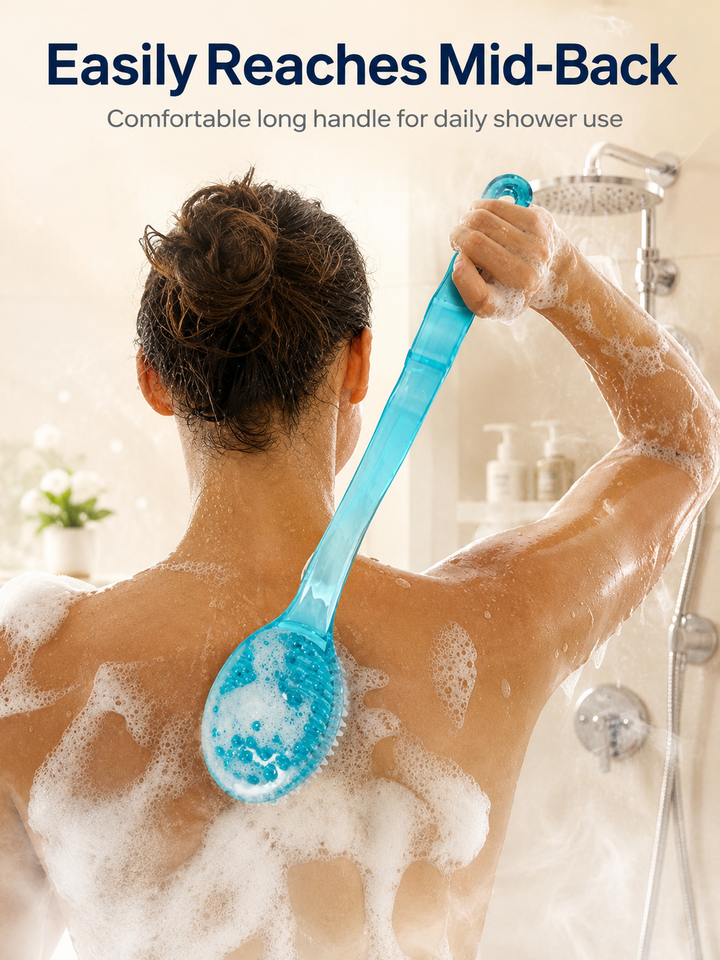
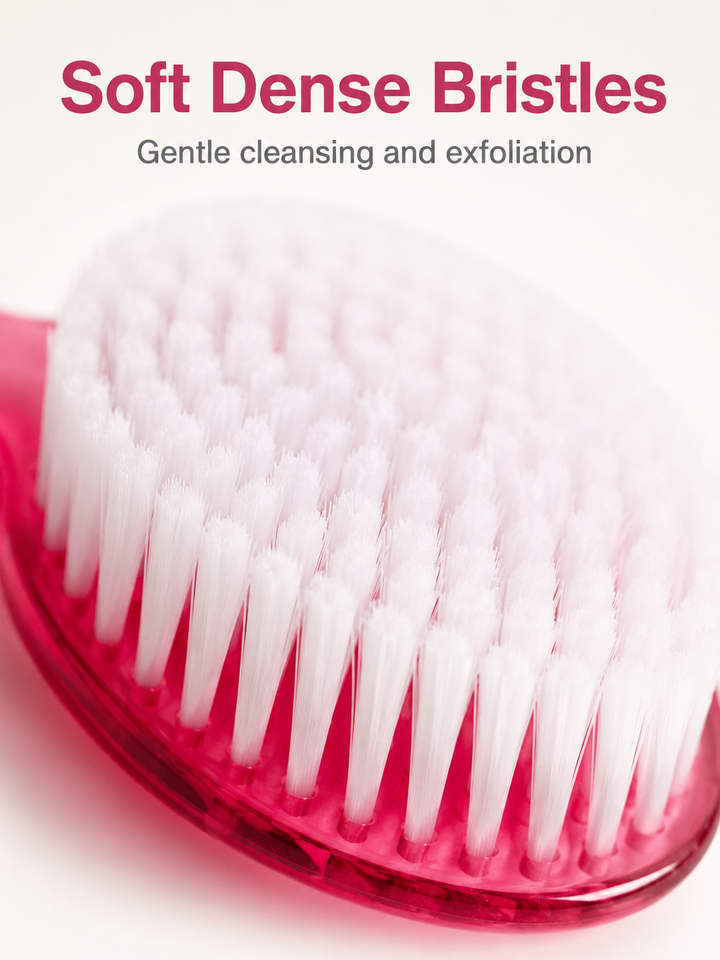
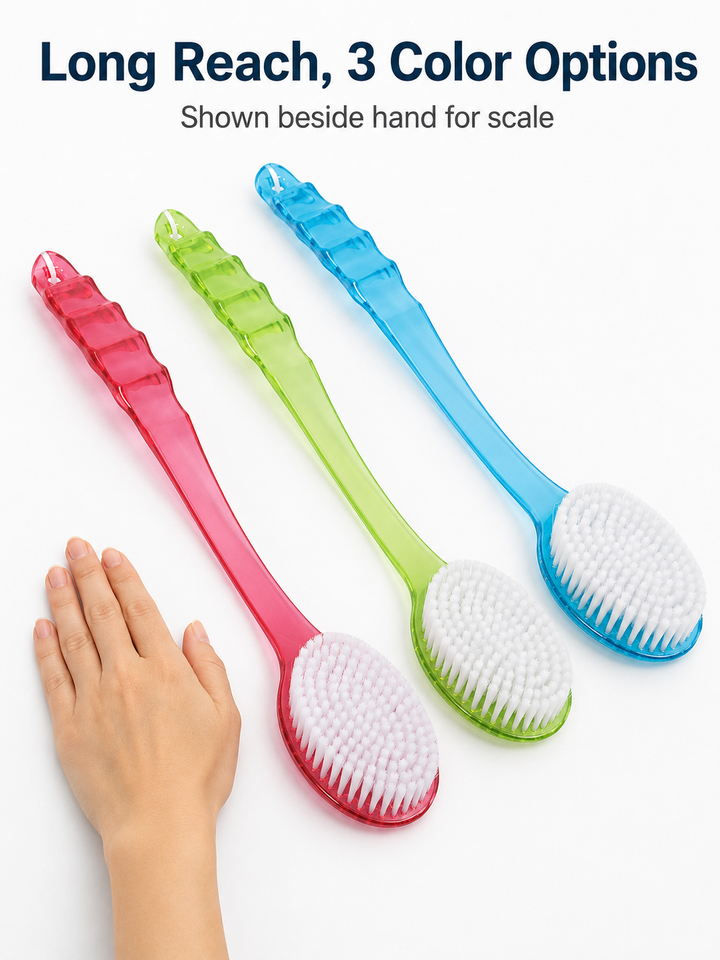
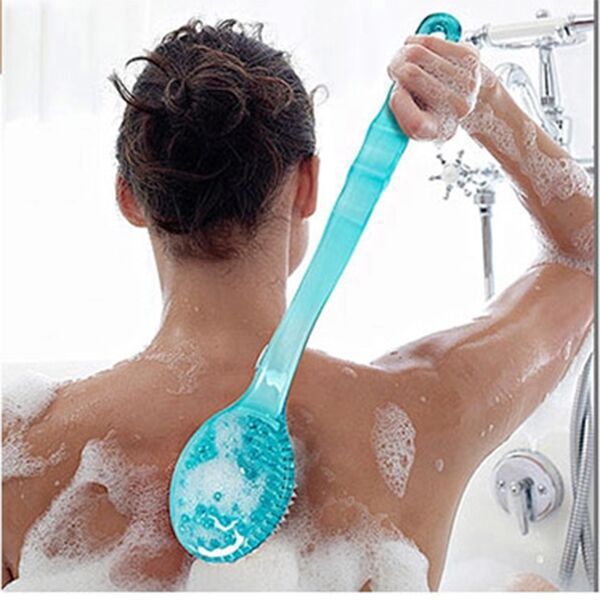
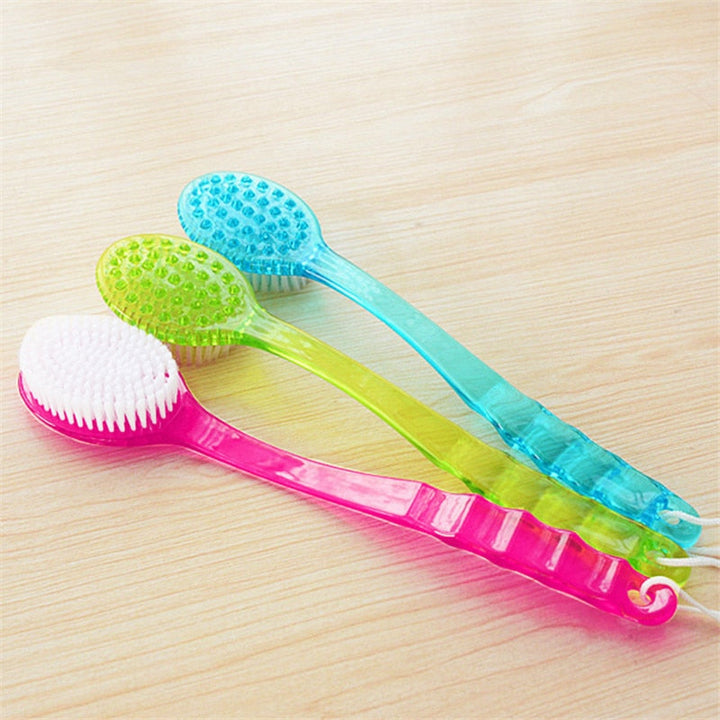
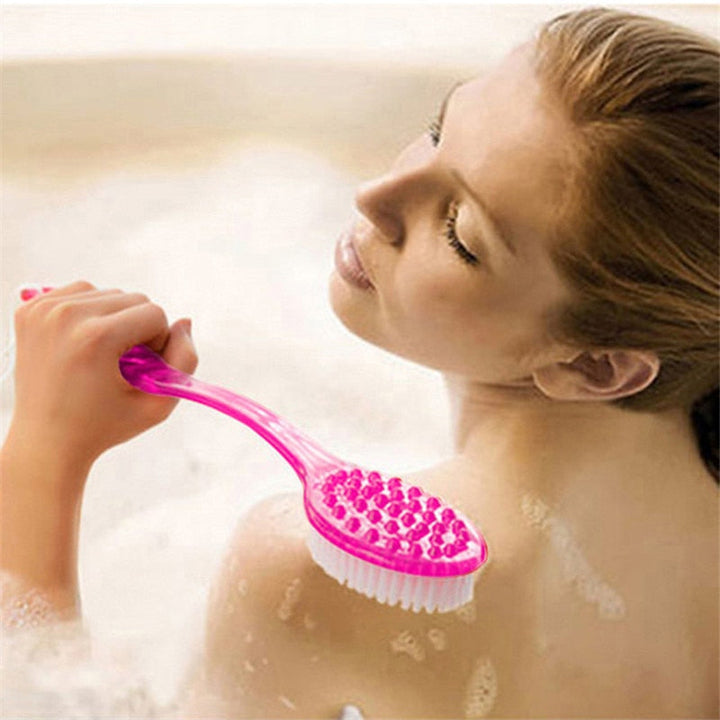
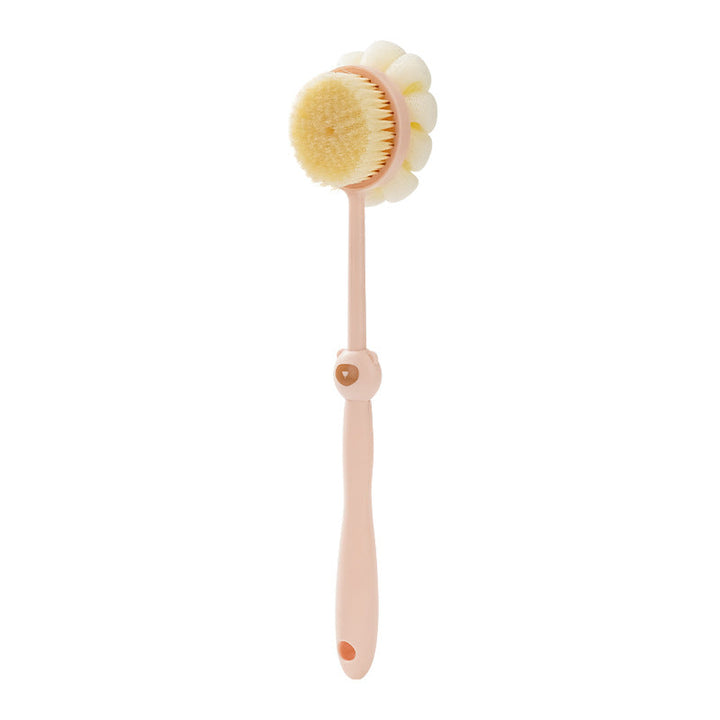
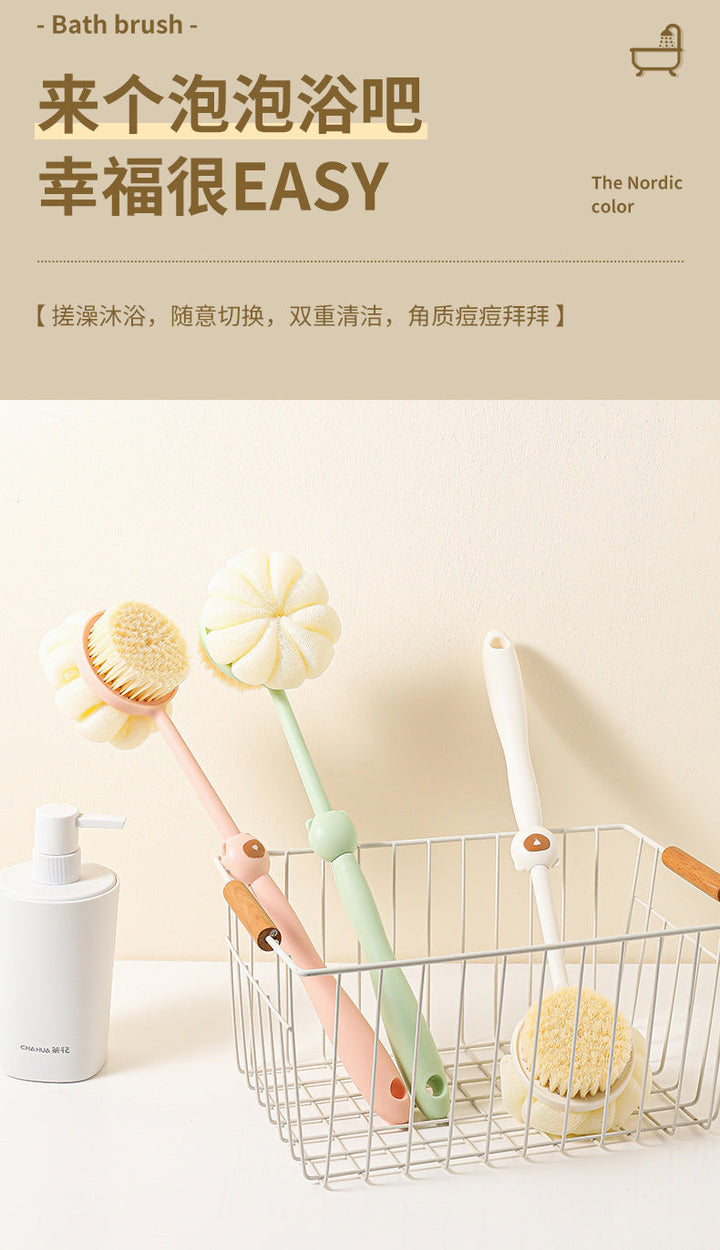
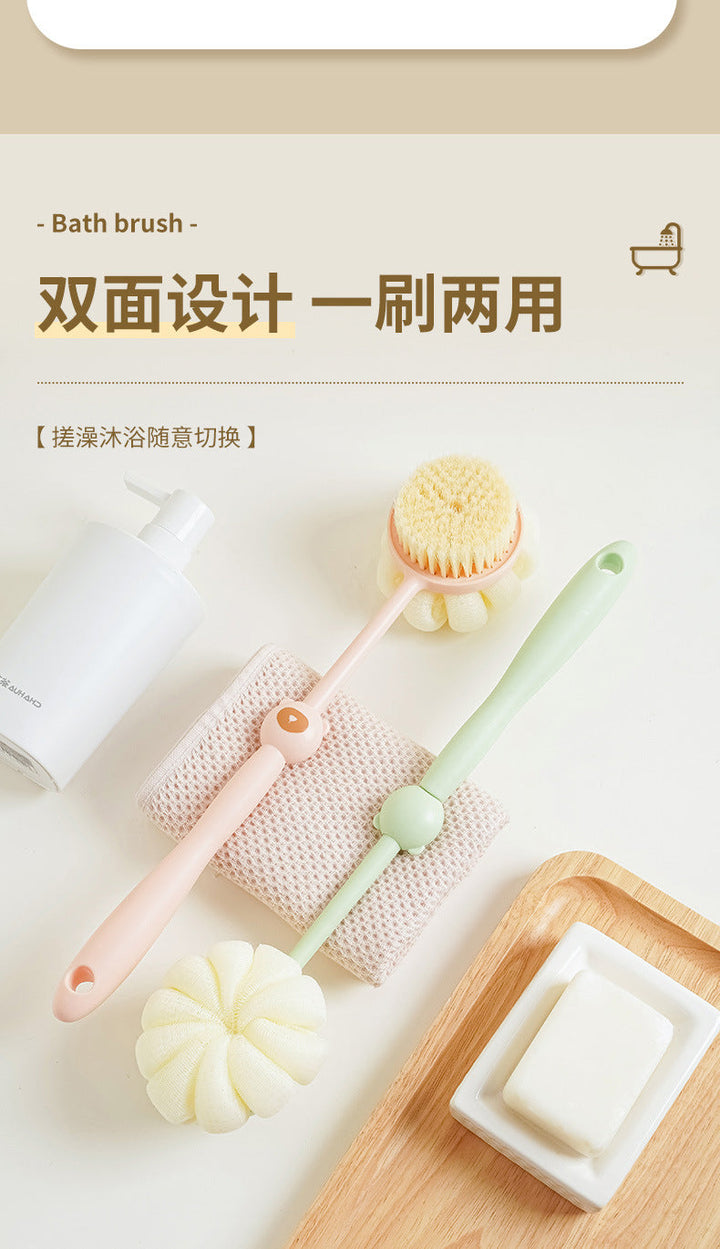
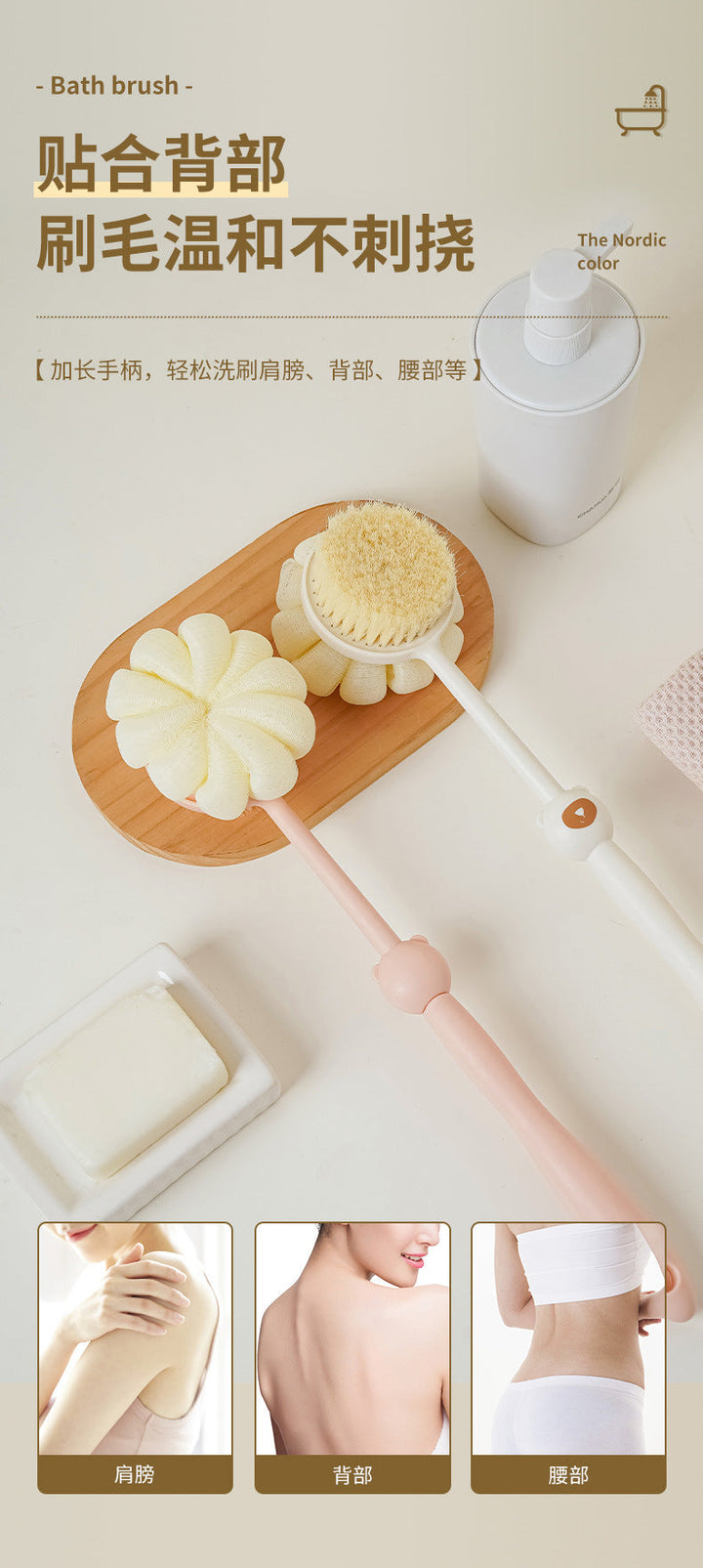
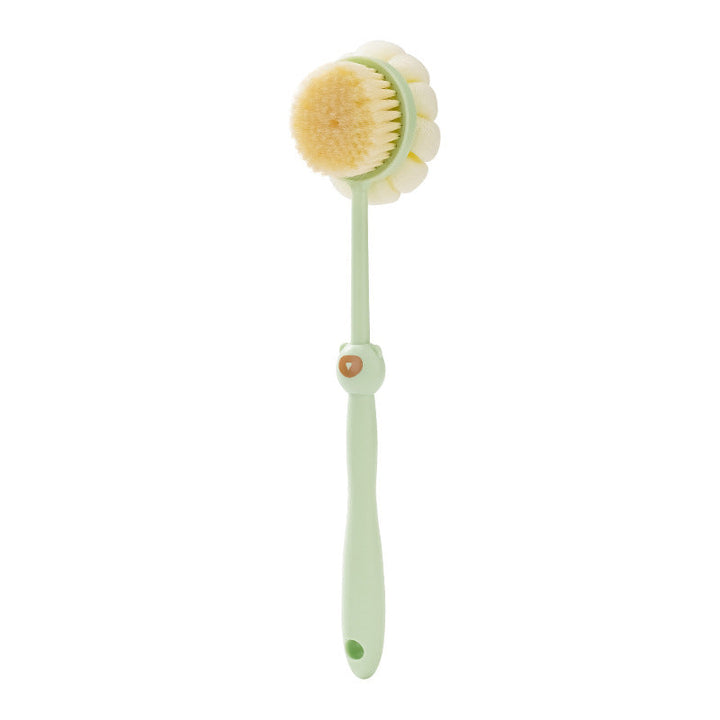
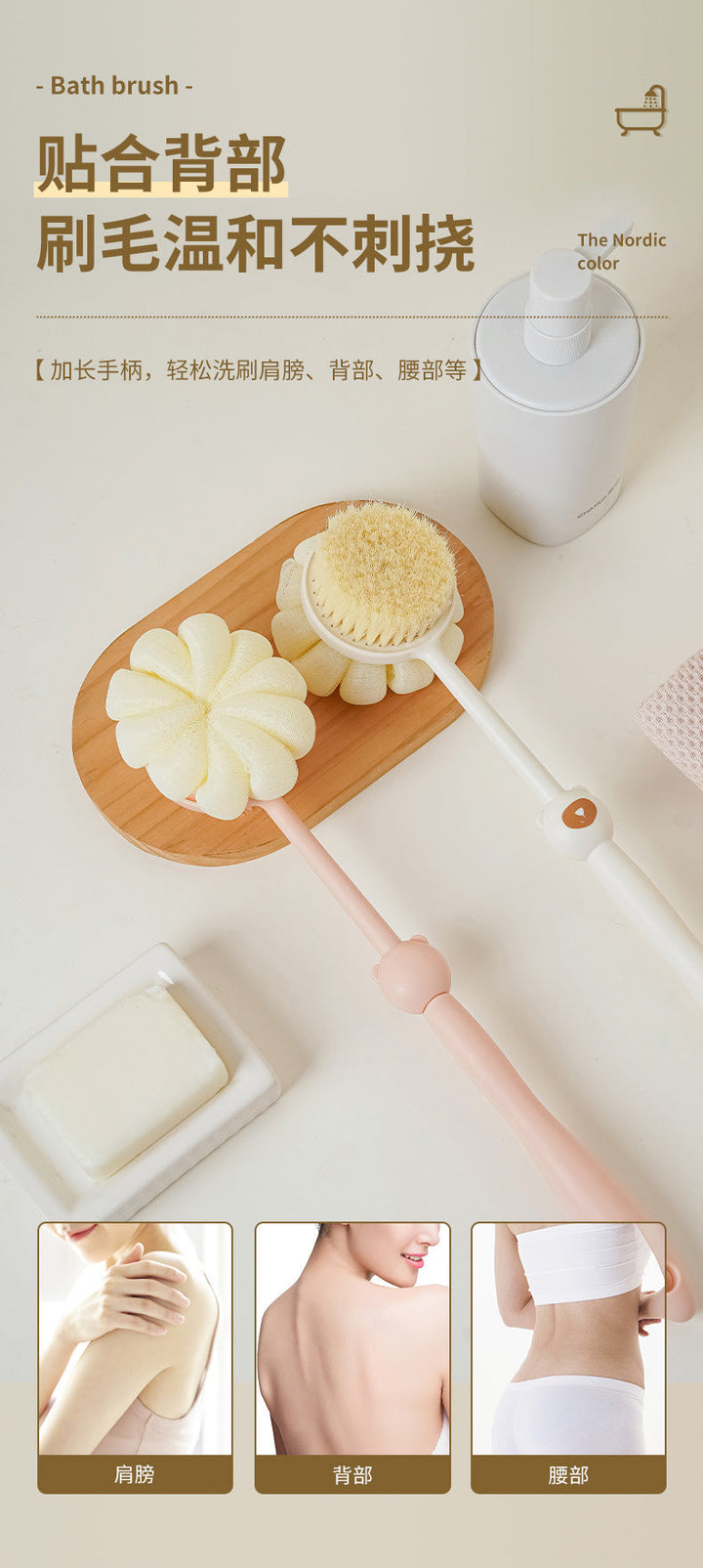
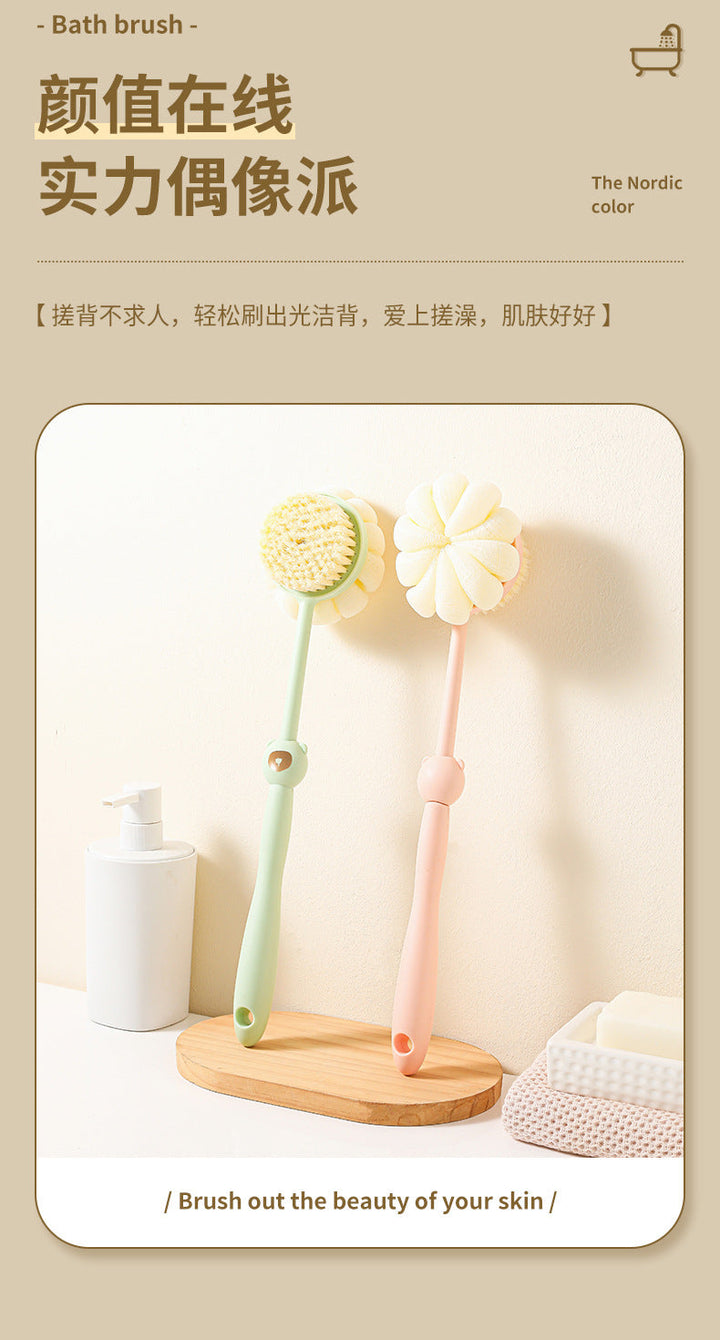

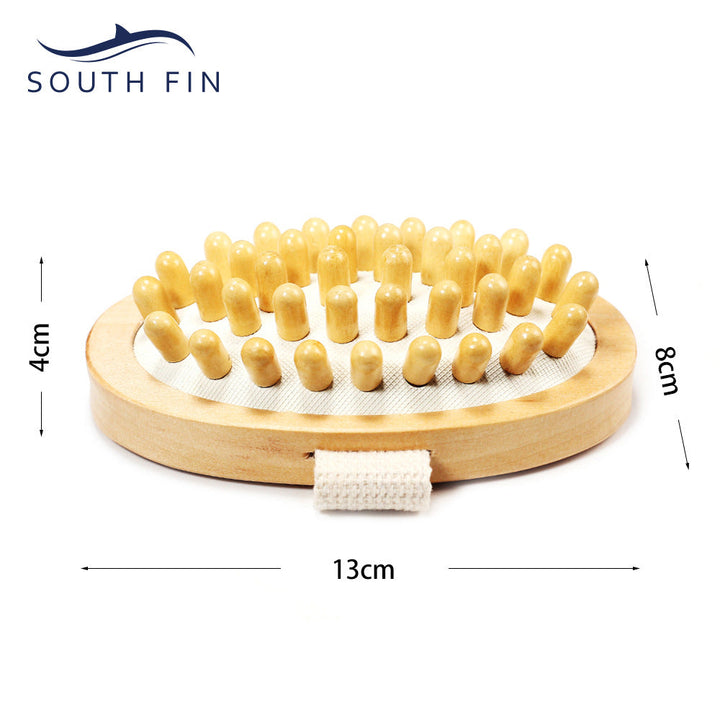
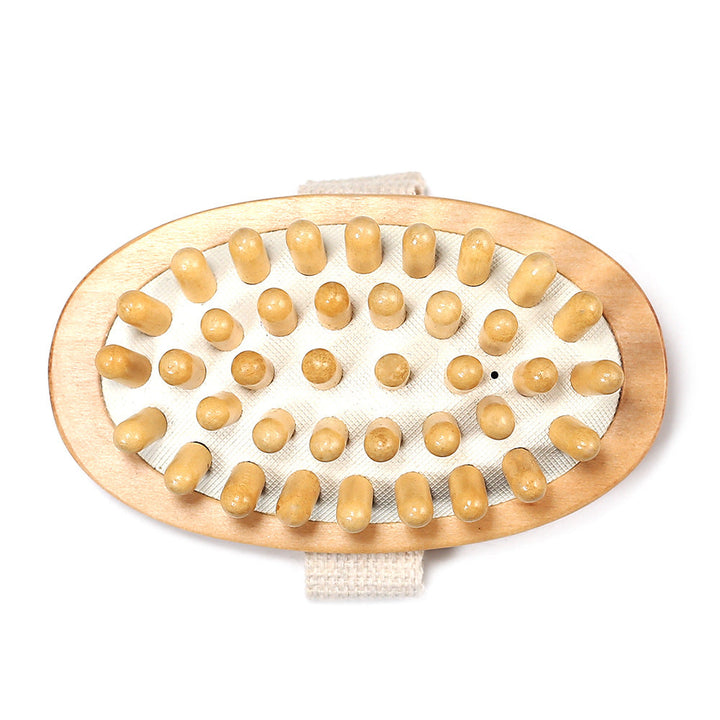
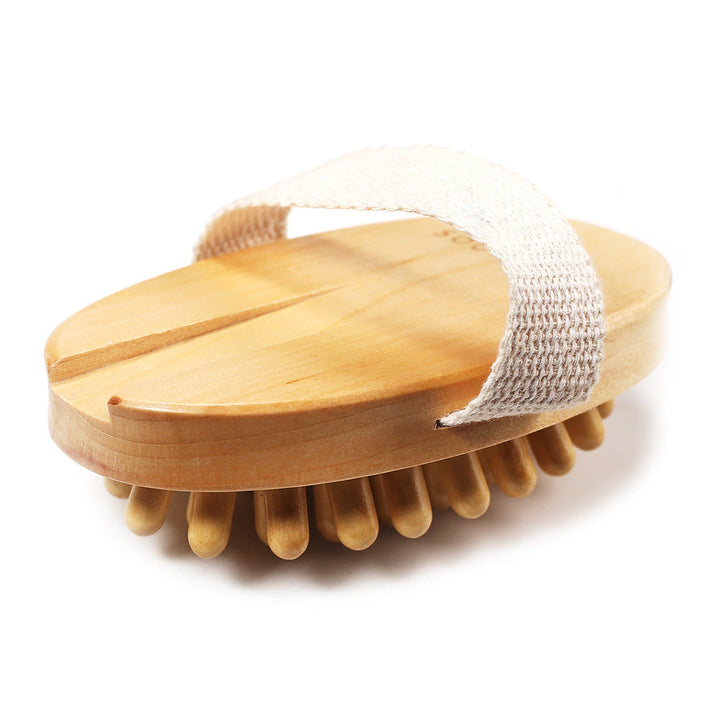
Body brushes make it easier to cleanse and exfoliate areas that are difficult to reach, especially your back. This category includes long handle shower scrubbers for use with water and a dry brush made with natural grass tree bristles for pre-shower brushing.
How to choose a body brush for your routine
Start with how and where you plan to use the brush. For shower cleansing and back care, choose a long handle back scrubber with a grip that helps you reach your shoulders, spine area, and lower back without twisting. A soft bristle bath brush is a practical option for regular washing, while a firmer brush may feel more suitable for occasional exfoliation. If you want a body dry brush, select a brush intended for dry skin and use it before showering. Consider handle length, bristle texture, head shape, and storage needs. Products such as the Back Bath Brush With Long Handle for Easy Exfoliation and Long Handle Back Scrubber Brush for Shower Self-Care are designed around convenient reach.
What types of body brushes are available?
The main choice is between wet-use shower brushes and dry brushes. Long handle shower scrubbers are used with water and cleanser, making them useful for washing the back and other hard-to-reach areas. They can also provide a manual exfoliating feel, depending on the bristles. A body dry brush, such as the Dry Brush — 100% Natural Grass Tree Bristles for Glowing Skin, is used on dry skin before bathing. It is not the same as a body brush makeup tool, which is designed for applying cosmetics rather than cleansing skin. This range focuses on manual brushes, so shoppers looking for a body scrub brush electric should check whether powered operation is essential before choosing.
What to look for in the best body brush
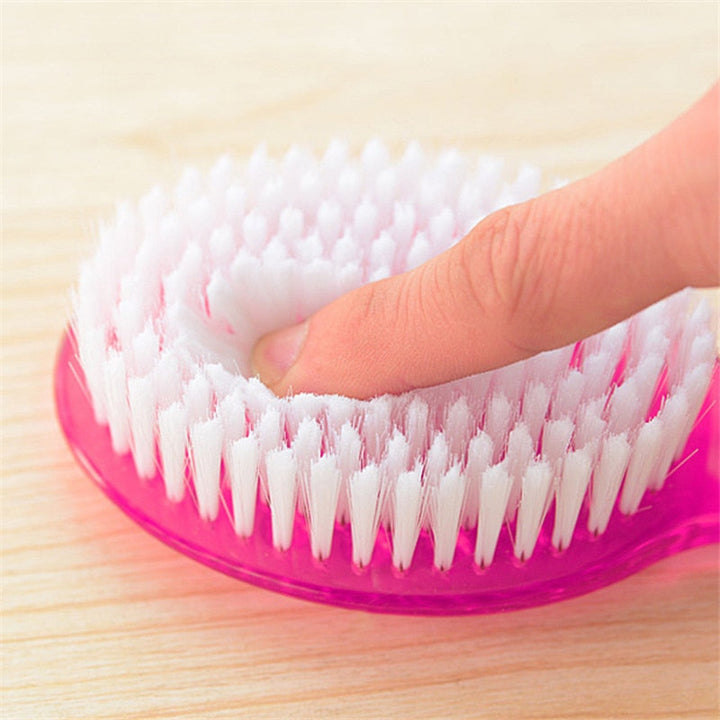
The best body brush is the one that matches your preferred pressure, reach, and routine. Look for a long handle if you want to clean your back independently, and check that the handle feels secure when wet. Bristle softness matters: soft bristles can be more comfortable for frequent shower use, while a more textured brush may provide a stronger scrub feel. For dry brushing, choose a brush with bristles intended for use without water and keep pressure light. A product such as the Long Handle Back Scrubber Brush — Soft Bristle Bath Brush suits shoppers who prioritize a gentler texture. If you share a bathroom, also consider how easily the brush can be rinsed and stored between uses.
How to use a long handle body brush
For a shower brush, wet the bristles, add a small amount of cleanser if desired, and guide the brush over your back and body with gentle strokes. Avoid pressing hard, especially on sensitive areas, and rinse the brush thoroughly afterward. For a dry brush, use it on clean, dry skin before showering. Begin with light strokes and stop if the brushing feels uncomfortable. Do not use a dry brush on broken, irritated, or freshly shaved skin. Keep the handle controlled rather than swinging it, and use the brush only where you can maintain comfortable pressure. A long handle back scrubber can help with reach, but it should not replace adjusting your movement to suit your skin.
Common body brush mistakes to avoid
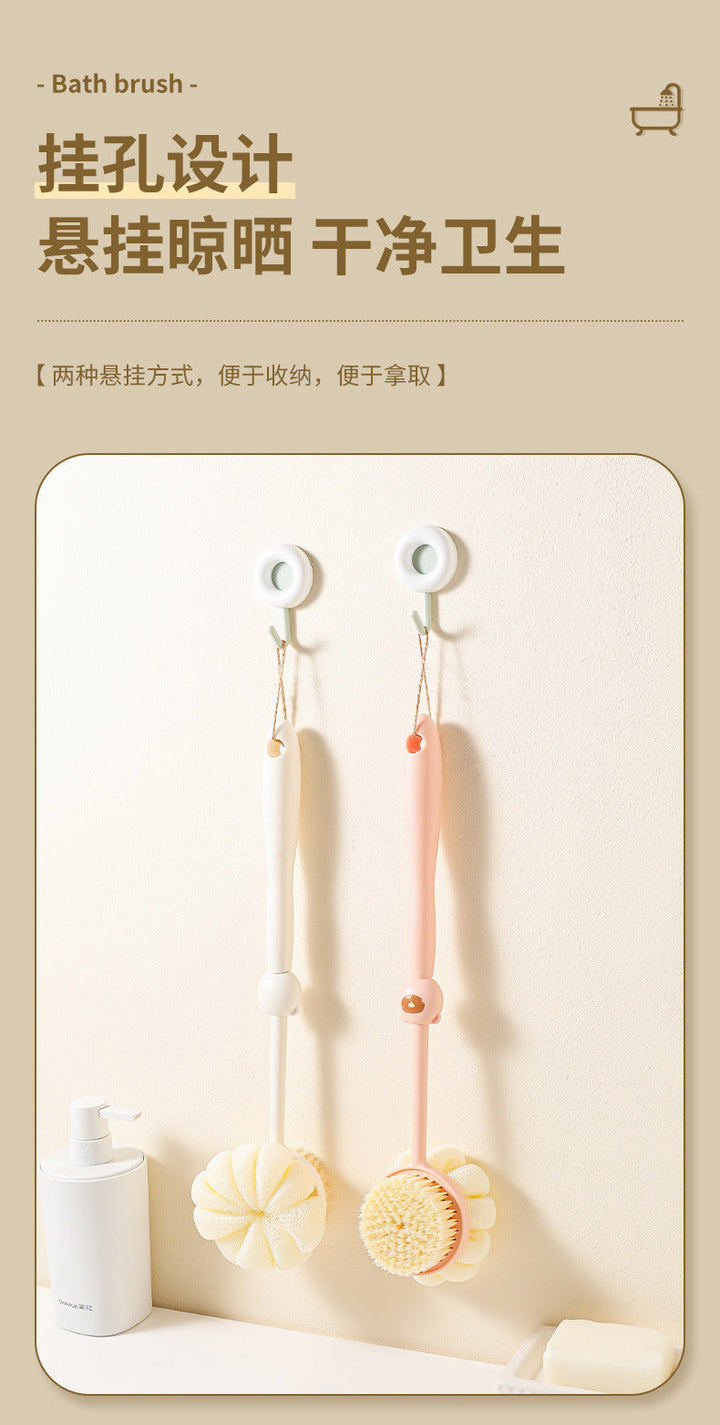
One common mistake is assuming that harder brushing gives better exfoliation. Excessive pressure can leave skin feeling uncomfortable, so use a lighter touch and choose bristles that suit your preference. Another is using a dry brush in the shower or applying a shower brush to dry skin when it is intended for wet use. Avoid brushing over cuts, rashes, sunburn, or other irritated areas. Do not leave a damp brush in a puddle or closed container; rinse it, remove excess water, and let it air-dry with ventilation. Finally, do not use a household brush as a body brush. Products made for bathing, such as a Long Handle Back Scrubber Brush for Shower Self-Care, are designed for this type of routine.
Who should use a body scrub brush?
Body brushes suit shoppers who want a manual way to cleanse, reach the back, or add a brushing step before bathing. A long handle brush can be helpful if reaching your back is difficult or you prefer not to ask for assistance. A soft bristle brush is a sensible starting point for shoppers who want a gentler shower scrubber. Dry brushing may suit people who enjoy a pre-shower grooming routine, but it is optional and should feel comfortable rather than intense. If your skin is easily irritated, start cautiously, use minimal pressure, and avoid affected areas. Anyone unsure whether brushing fits their personal skin-care routine should ask a qualified health professional for individual guidance.
Frequently asked questions
Are body brushes good for you?
Body brushes can be a useful personal-care tool for cleansing, reaching the back, and adding manual exfoliation to a bathing routine. They are not necessary for everyone, and comfort depends on the brush texture and pressure used. Choose a suitable brush and avoid areas that are irritated or damaged.
What is the best body brush?
The best body brush depends on how you plan to use it. Choose a long handle shower scrubber for wet cleansing and back reach, a soft bristle bath brush for a gentler feel, or a body dry brush for a pre-shower brushing routine. Handle comfort and bristle texture are usually more important than choosing the firmest option.
Does the lymphatic brush really work?
The term lymphatic brush is often used for dry brushing, but a brush should not be treated as a medical device or a replacement for professional care. Dry brushing can be used as a personal grooming step, provided you use light pressure and avoid irritated or broken skin. Claims about specific health effects should be discussed with a qualified health professional.
How many times a week should you dry brush your body?
There is no single schedule that suits every person or brush. Start occasionally with light pressure and see how your skin responds, following any care guidance supplied with the product. Stop if your skin becomes uncomfortable, and avoid dry brushing over irritation, cuts, or sunburn.
Why do I feel weird after dry brushing?
A new brushing sensation, friction, or using too much pressure may make you feel uncomfortable afterward. Stop, rinse or shower if appropriate, and allow your skin to settle. If the feeling is strong, persistent, or concerning, avoid further brushing and seek advice from a qualified health professional.
Do you rinse your dry brush after every use?
A dry brush is used without water, so it does not need to be rinsed after every use unless the care instructions say otherwise. Remove loose debris as recommended, keep the bristles dry, and store the brush somewhere clean and well ventilated. If you wash it, let it dry completely before using it again.