Amino Acids: Essential Amino Acid Pills & Supplements
6 items

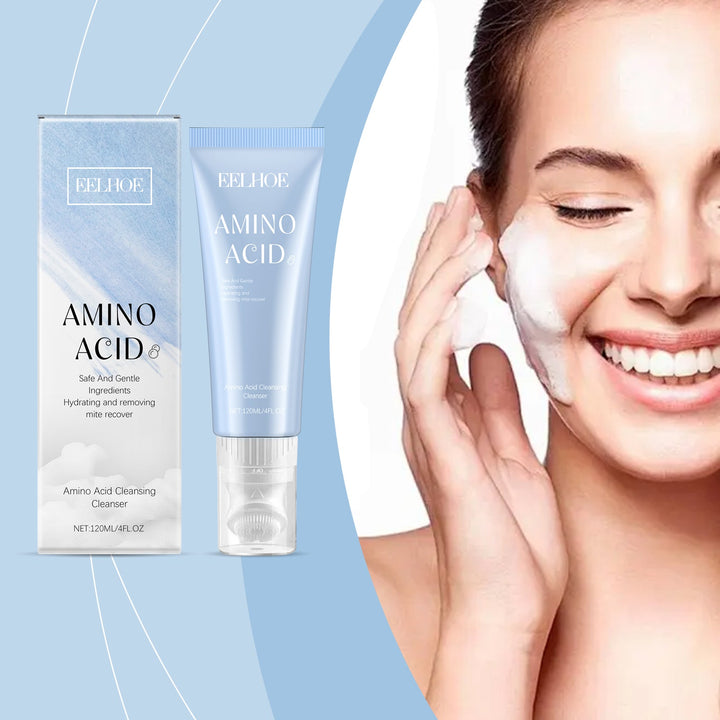
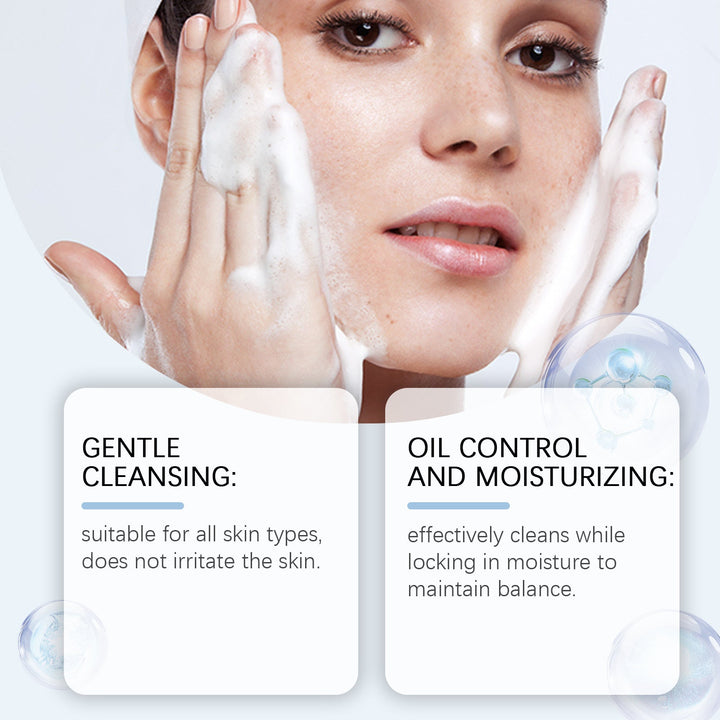

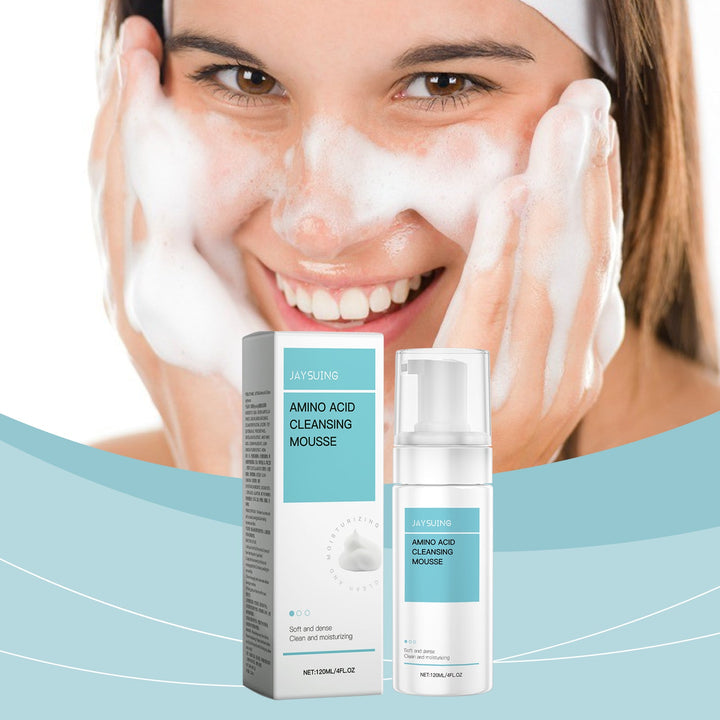
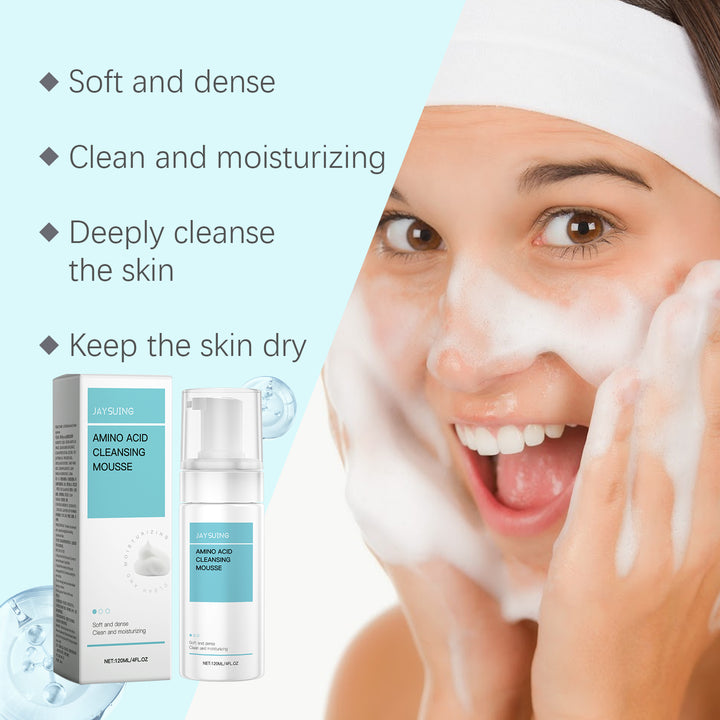
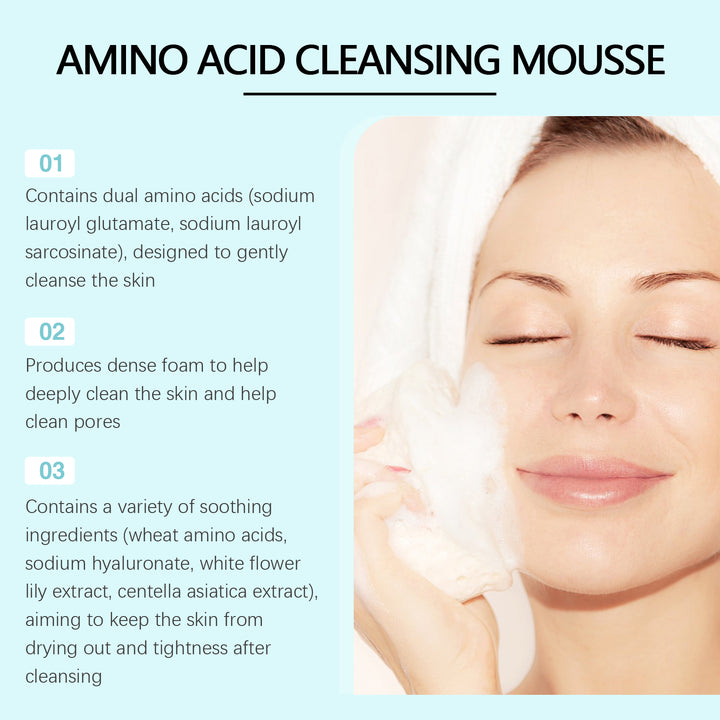

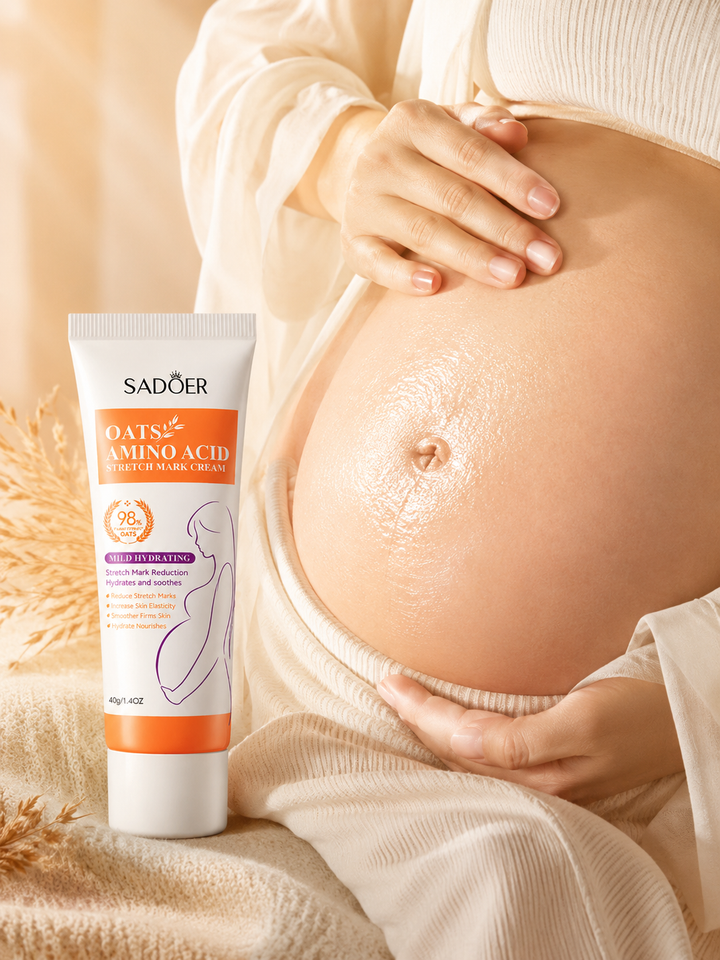
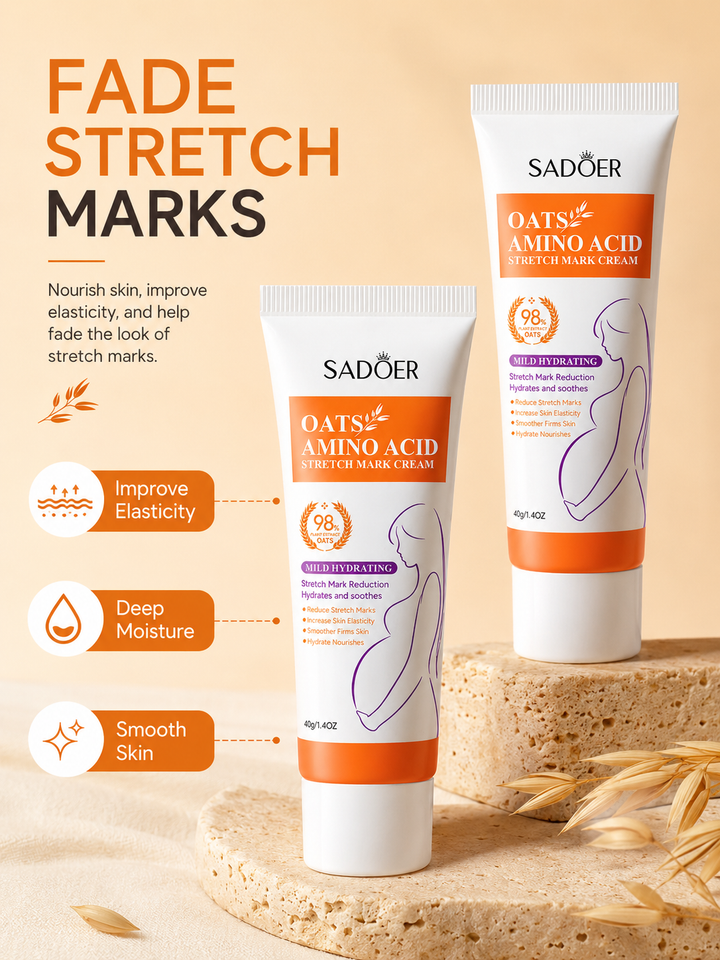
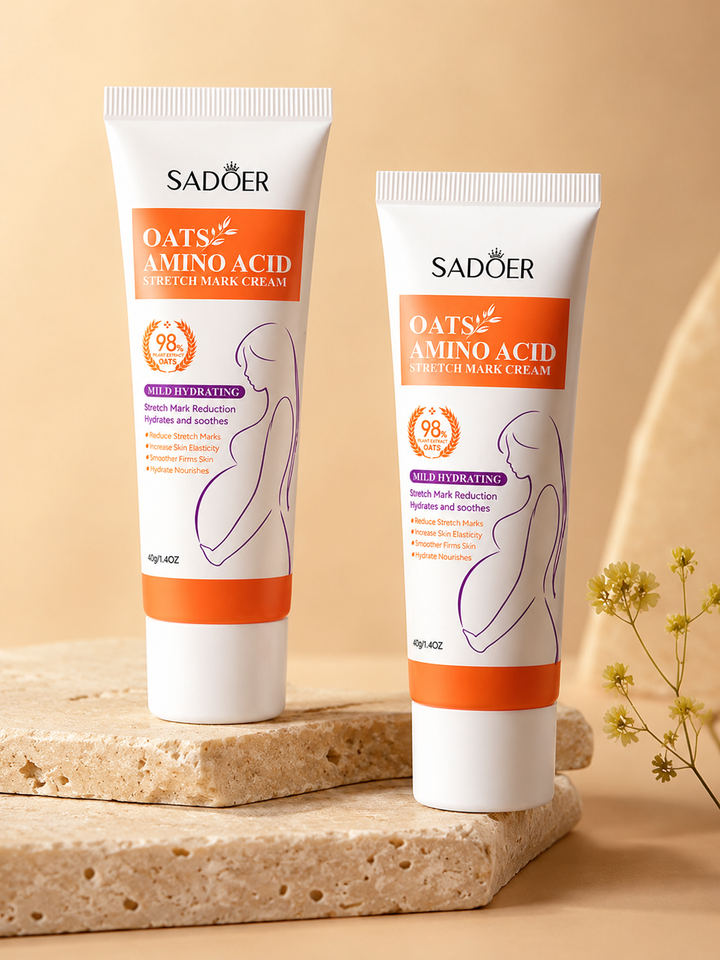


Amino acids appear in both nutrition supplements and personal-care formulas, so this category includes products for different shopping goals. Compare the format, ingredients, serving details, and intended use before choosing between amino acid capsules, energy gummies, facial cleansers, and moisturizing cream.
How to choose amino acids supplements
Start by deciding whether you want a dietary supplement or an amino acid skincare product. For nutrition-focused options, Amino Acid Capsules provide 1000mg BCAAs per serving, while Essential Amino Energy Gummies combine essential amino acids with natural caffeine. Check the supplement facts, suggested serving, caffeine content, allergen information, and any directions before buying. If you are searching for amino acids tablets, remember that capsules are a different format but may offer a similar no-mixing routine. For skincare, choose according to your routine: the foaming facial cleansers are designed for cleansing, while SADOER Oat Amino Acid Stretch Mark Moisturizing Cream is intended for moisturizing application.
What are the types of amino acids?
The main types of amino acids are commonly described as essential, nonessential, and conditionally essential. Essential amino acids must come from food or supplements because the body does not make enough of them on its own. BCAAs—branched-chain amino acids—are a group within the essential amino acids and are featured in the 1000mg Amino Acid Capsules. Essential Amino Energy Gummies also focus on essential amino acids, with natural caffeine included in the formula. Amino acid cleansers and creams use amino-acid-related ingredients in topical formulas, so they should not be treated as nutritional substitutes. Comparing the classification of amino acids helps you understand a label, but the complete ingredient list remains the best buying reference.
What to look for in amino acid products
For amino acids supplements, look for a clearly presented supplement facts panel, named amino acids, serving guidance, and any added ingredients such as caffeine, flavoring, sweeteners, or capsule materials. The capsules in this category specify 1000mg BCAAs, while the gummies include natural caffeine, making the labels especially important if you avoid or limit caffeine. For facial cleansers, compare whether you want gentle hydration, oil-control positioning, or a formula described as non-stripping. The category includes three amino acid foam cleanser options with different product descriptions. For the oat amino acid moisturizing cream, check the texture, directions, and full ingredient list. Do not assume that every product labeled amino acid has the same purpose or ingredients.
How to use amino acids supplements and skincare
Use nutrition products only according to the serving and storage directions on their packaging. Capsules are intended to be swallowed as directed, while gummies can be taken according to their label; because the gummies contain natural caffeine, review the suggested use and consider the timing of other caffeinated products. Do not use supplement directions interchangeably between products. For an amino acid foaming facial cleanser, wet the face, work the cleanser into a lather, rinse thoroughly, and follow with your usual skincare routine unless the label says otherwise. Apply the oat amino acid moisturizing cream to clean, dry skin as directed. Patch-test new topical products when appropriate and stop use if irritation occurs.
Common mistakes when buying amino acids
A common mistake is assuming that all amino acids products are dietary supplements. In this category, facial cleansers and stretch mark moisturizing cream are topical products, while capsules and gummies are ingestible products. Another mistake is overlooking the difference between BCAAs and a product described as essential amino acids; check which amino acids are actually listed rather than relying on the front label. Shoppers also sometimes miss added caffeine in energy gummies or expect a cleanser to provide the same use as a supplement. Avoid comparing products by package size alone: review serving information, format, ingredient details, and intended use. If you have dietary restrictions or take medicines, ask a qualified professional whether a supplement is suitable.
Who are amino acids products suitable for?
Amino acid supplements may suit shoppers looking for a convenient capsule or gummy format to add to an existing nutrition routine, provided the product fits their preferences and label instructions. The BCAA capsules are positioned for endurance and recovery use, while the essential amino energy gummies are positioned for an energy-oriented routine and contain natural caffeine. These descriptions do not replace individualized nutrition advice. Amino acid facial cleansers may suit shoppers seeking a foaming cleanser with a gentle hydration or oil-control focus. The oat amino acid cream may suit someone adding a moisturizing step to body care. Choose based on the product’s intended use, and consult a qualified professional before using supplements if you are pregnant, breastfeeding, managing a condition, or taking medication.
Frequently asked questions
What foods contain all 20 amino acids?
Many animal-based foods, including eggs, dairy, fish, poultry, and meat, contain all nine essential amino acids in varying amounts. Some plant foods, such as soy and quinoa, are also commonly used as complete protein sources. The exact amino acid profile depends on the food and portion.
What does taking amino acids do for you?
Amino acids are building blocks of protein, and dietary amino acids contribute to normal protein intake. The effect of a supplement depends on its specific ingredients, your overall diet, and how you use it. Check the label rather than assuming all amino acid supplements work the same way.
Which foods are high in amino acids?
Foods that provide substantial protein generally provide amino acids, including eggs, dairy foods, fish, meat, poultry, legumes, soy foods, nuts, seeds, and some grains. Comparing protein content and variety across meals can help you build a broad dietary pattern. Individual amino acid amounts vary by food.
What are the 20 amino acids?
The 20 standard protein-building amino acids are alanine, arginine, asparagine, aspartic acid, cysteine, glutamic acid, glutamine, glycine, histidine, isoleucine, leucine, lysine, methionine, phenylalanine, proline, serine, threonine, tryptophan, tyrosine, and valine. They are classified in different ways, including essential and nonessential categories.
What happens if you lack amino acids?
Amino acid intake is normally supported by eating protein-containing foods. Inadequate overall protein or nutrient intake can be a nutrition concern, but the signs and appropriate response vary by person and situation. If you are worried about deficiency, speak with a qualified healthcare professional rather than self-treating with a supplement.
What supplement has all 20 amino acids?
No product in this category is presented as a supplement containing all 20 amino acids. The capsules specify BCAAs, and the gummies are described as essential amino acids with natural caffeine, so review their supplement facts panels for the exact ingredients. A qualified nutrition professional can help you compare products with your dietary needs.