Acne Care Tools for Clearer, Healthier Skin484 items

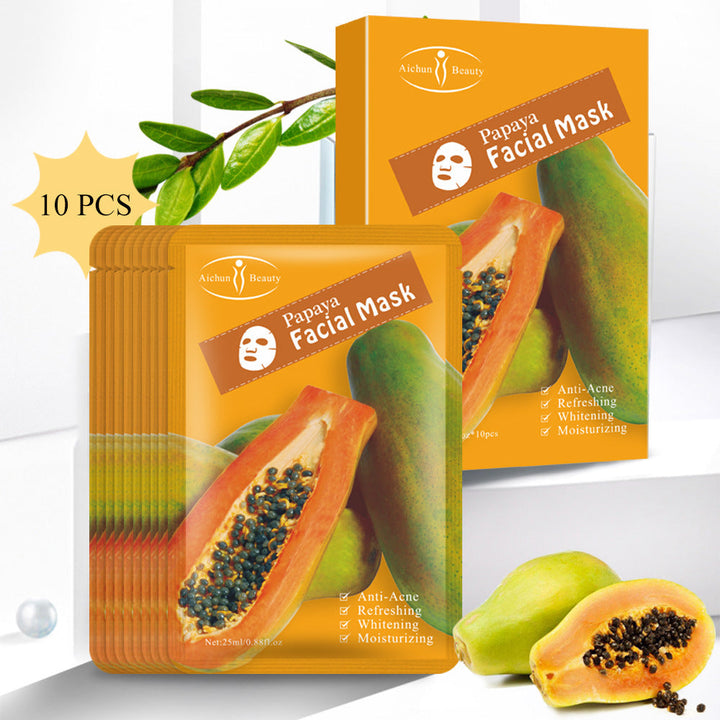
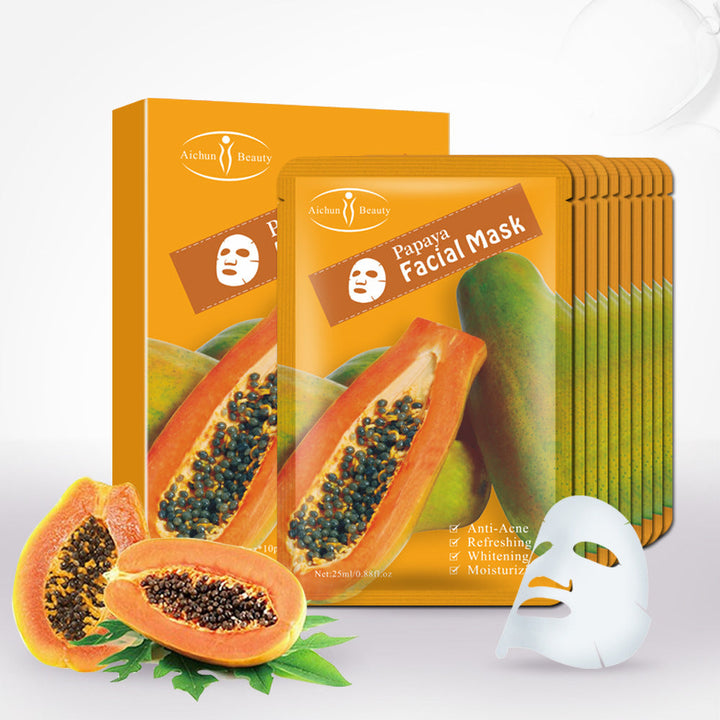
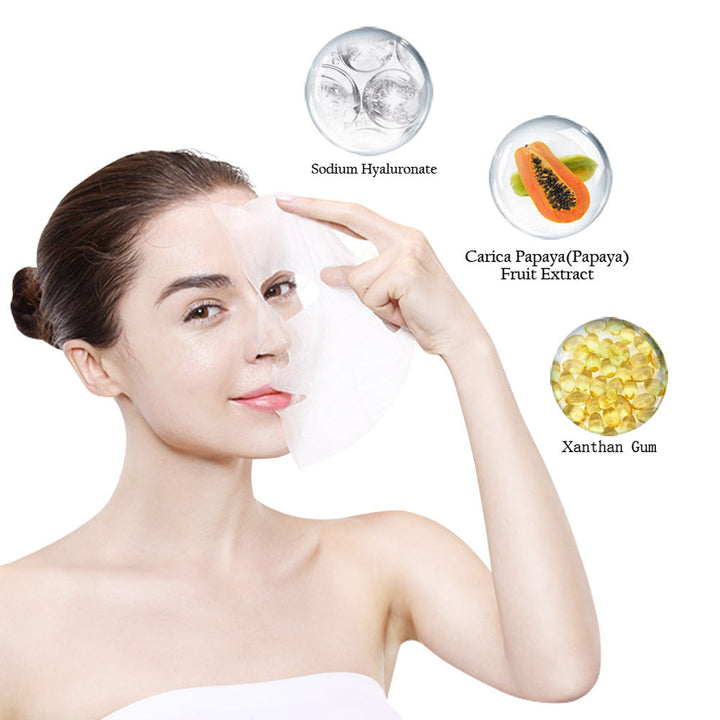


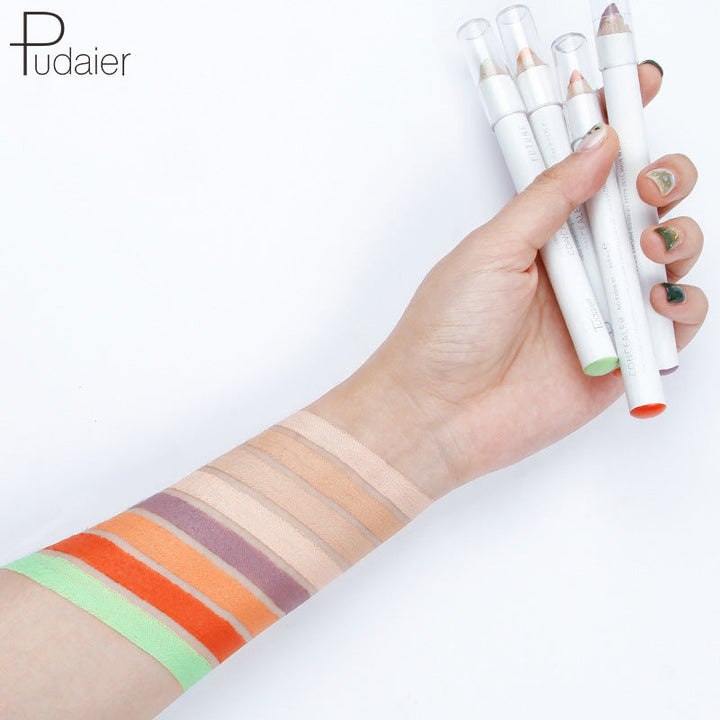









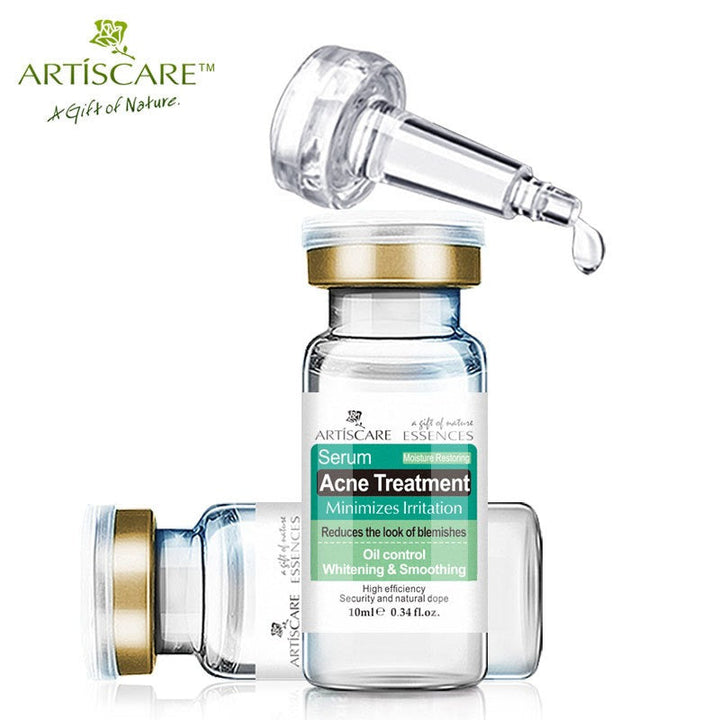
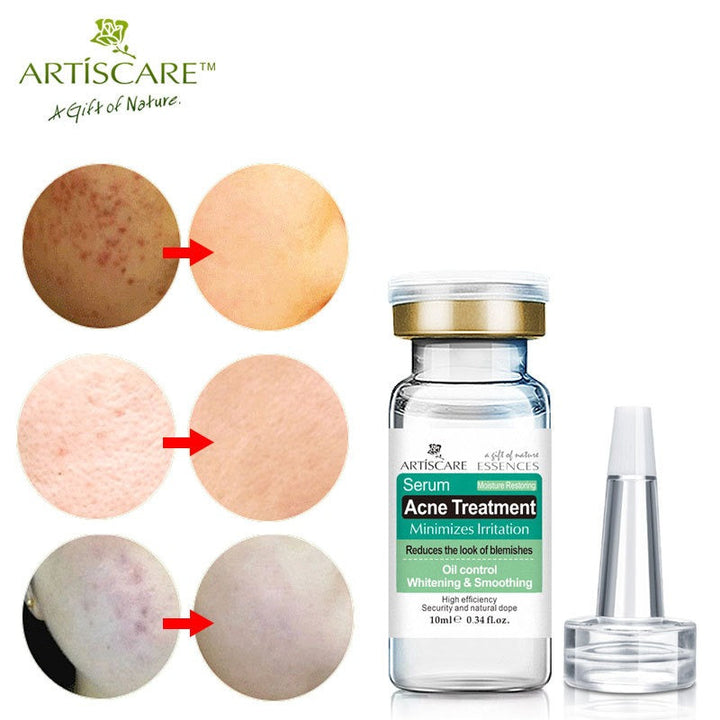

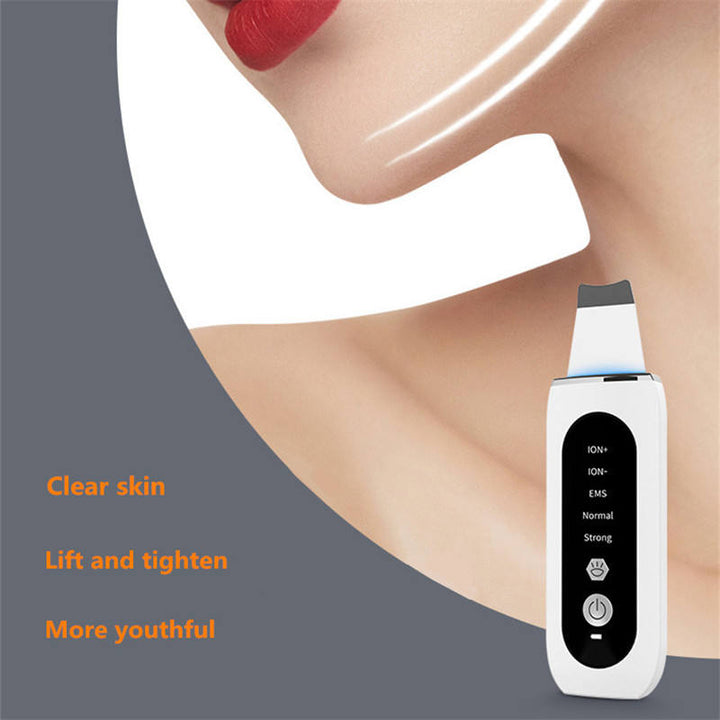
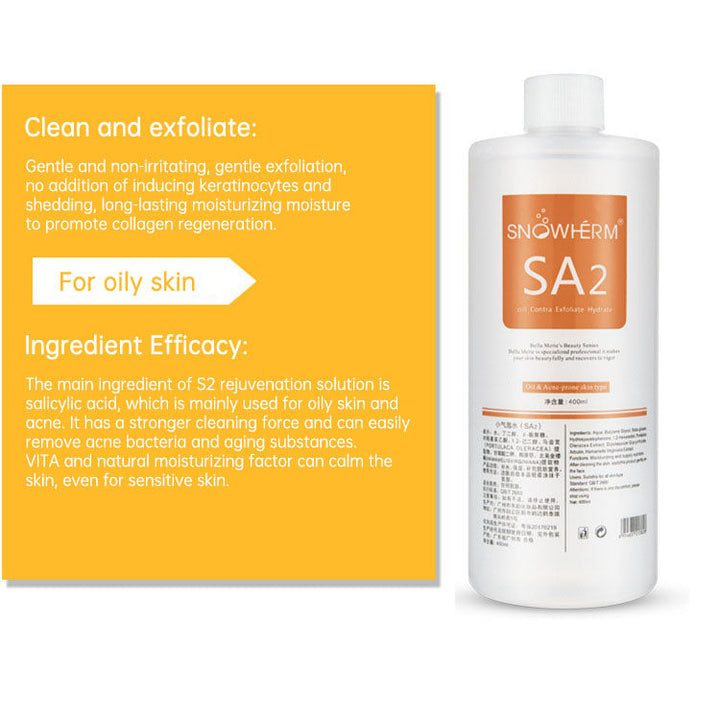
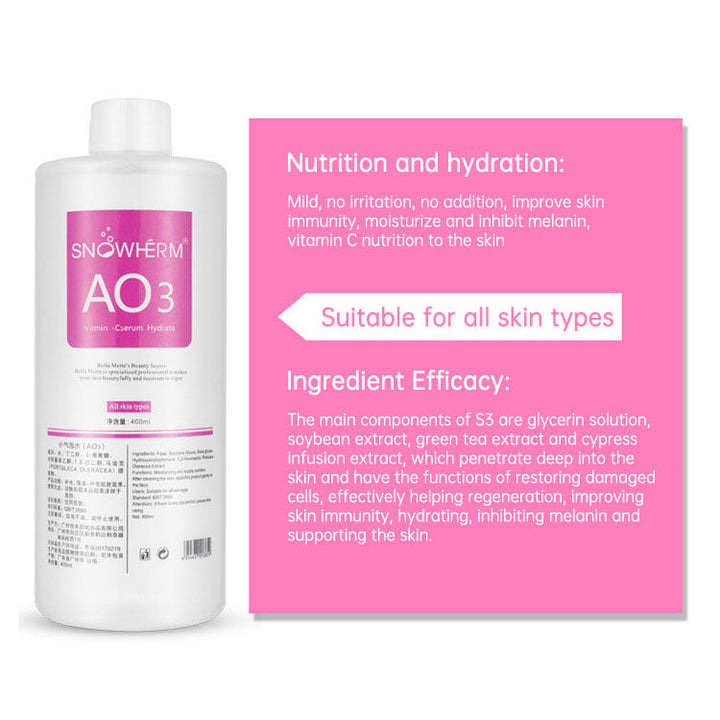

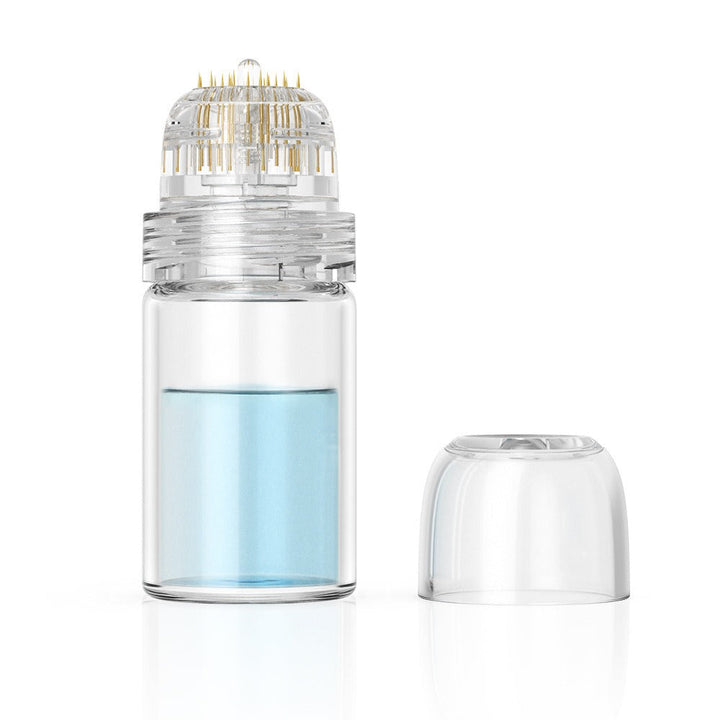
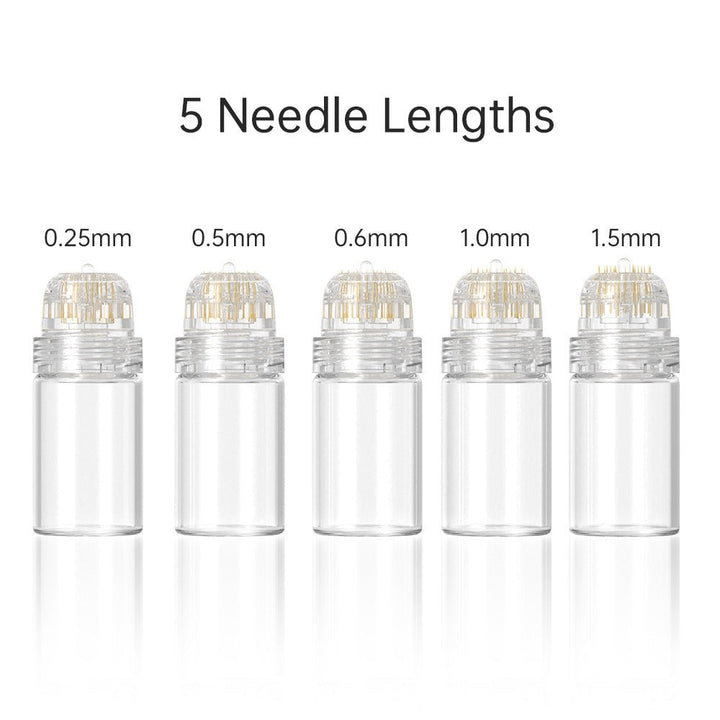


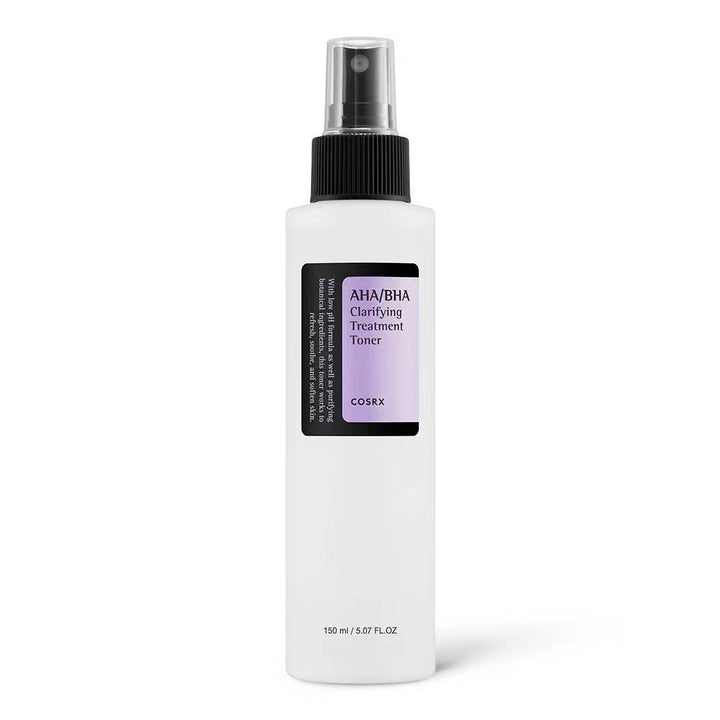





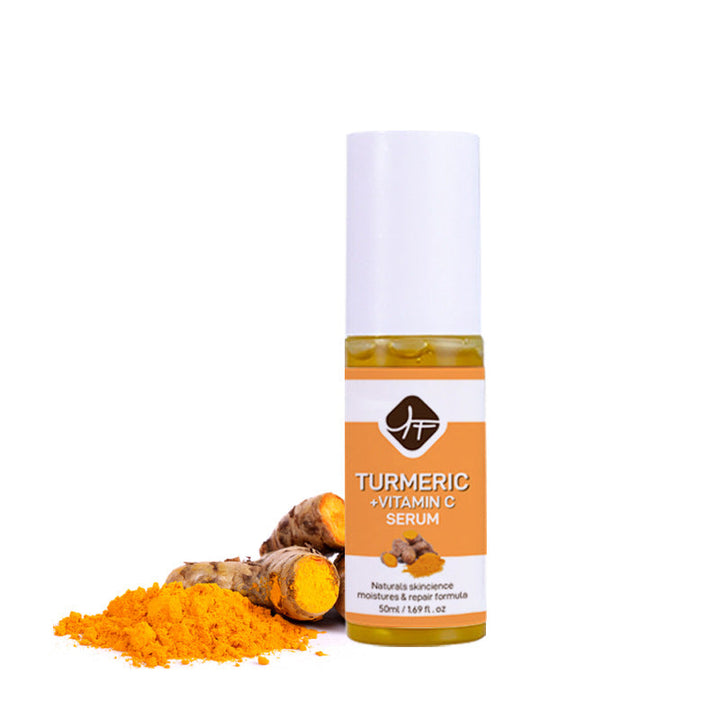

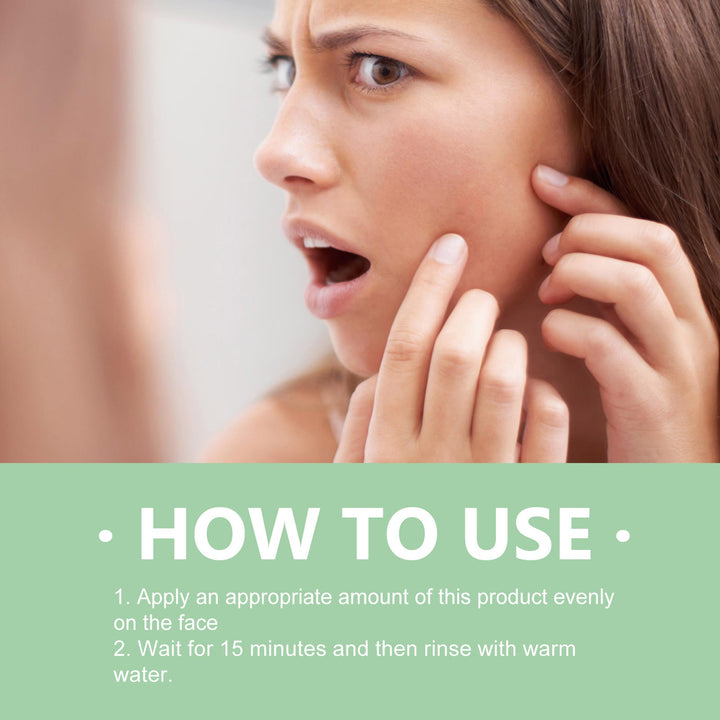



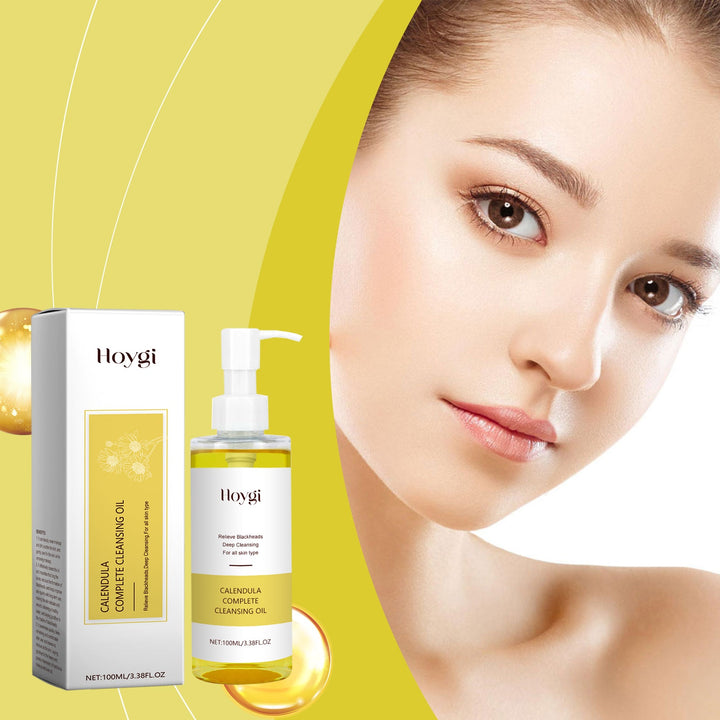




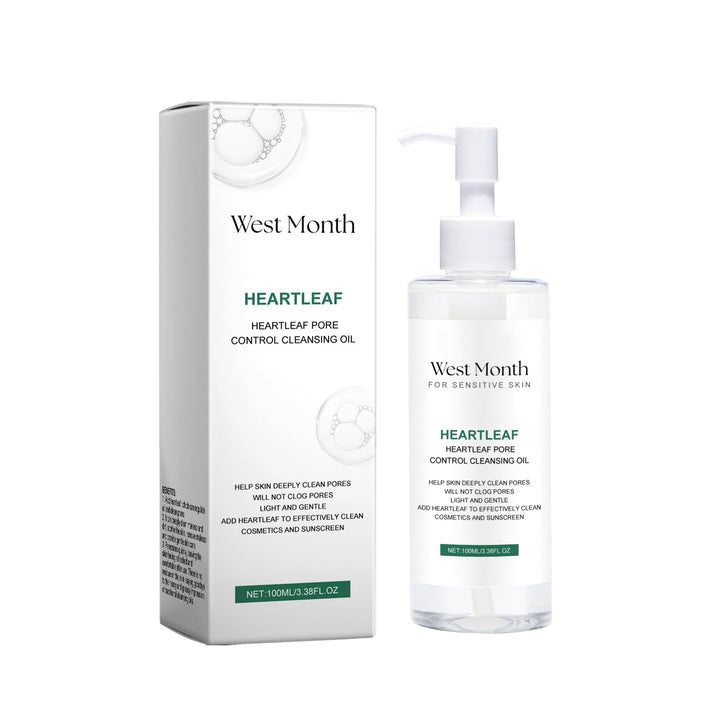
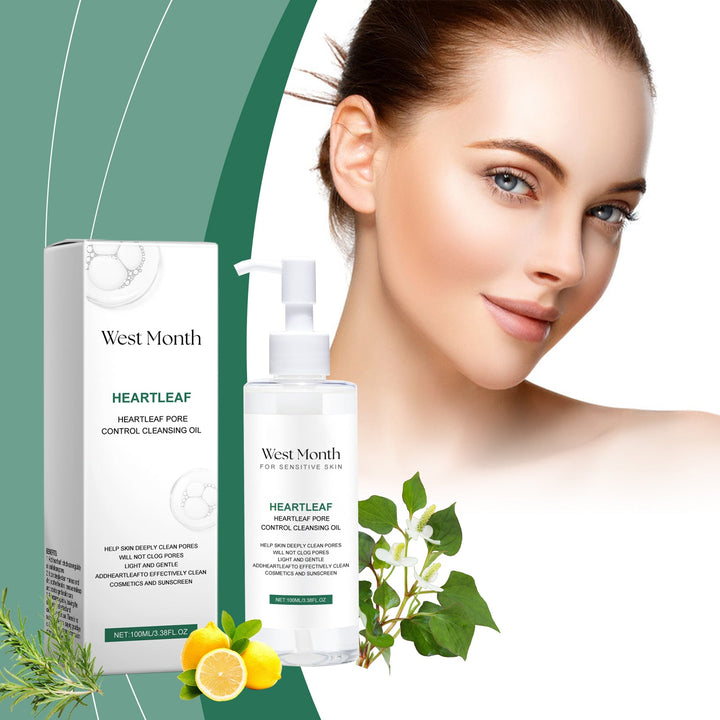

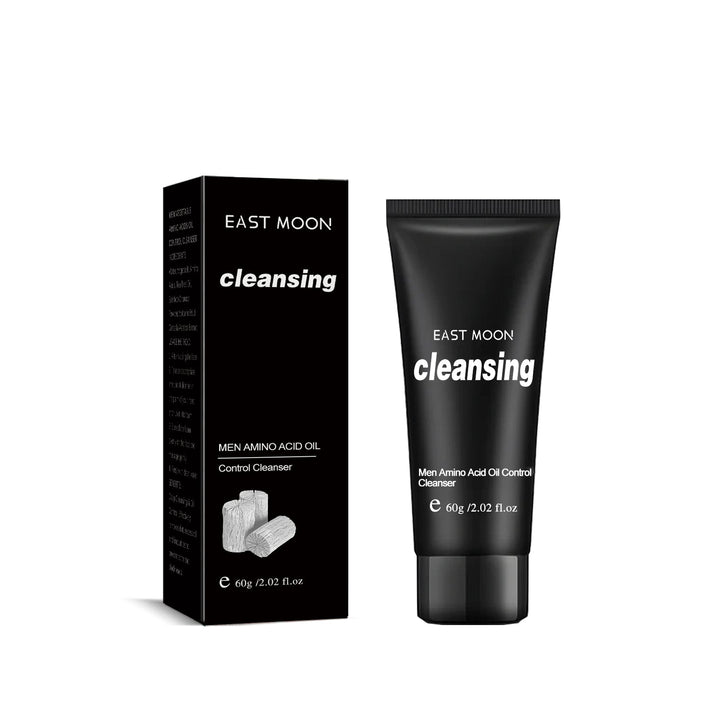
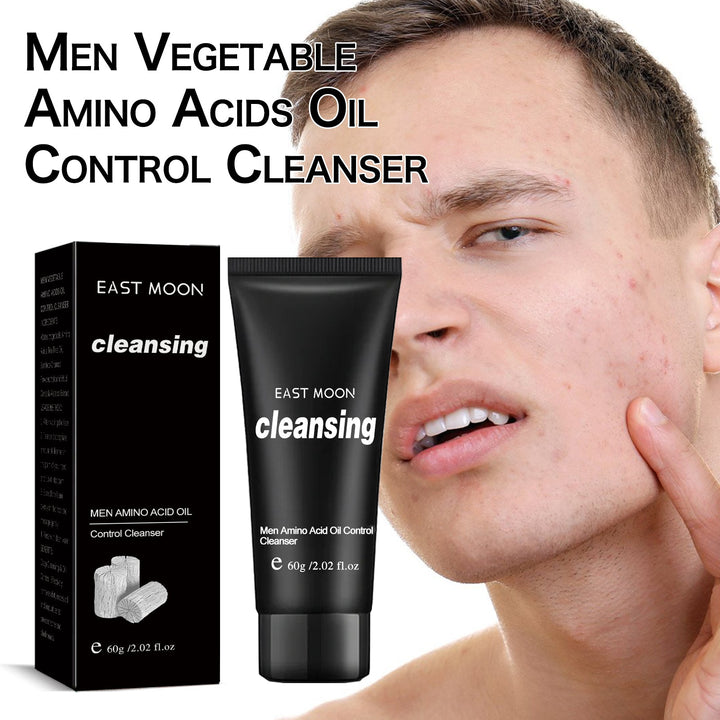

Acne care tools can help support a consistent routine for blemishes, clogged pores, uneven texture, and post-spot appearance. Compare targeted creams, exfoliating products, patches, and device-based tools by your skin concern, sensitivity, and how simply you want to care for your skin at home.
How do I choose acne care for my skin?
Start by identifying the main concern: visible surface spots, clogged pores, excess oil, uneven texture, or lingering discoloration. Acne patches are designed for discreet coverage of suitable surface blemishes, while salicylic acid cream is aimed at clogged-pore care. Azelaic acid cream can fit routines focused on blemish-prone skin and an uneven-looking tone. A glycolic acid toner is better suited to shoppers seeking smoother-feeling skin, but it may be too much alongside several active products. If your skin is sensitive, begin with one new product at a time and follow its label. For painful, widespread, or recurring acne, ask a qualified healthcare professional about appropriate care, including whether prescription acne medication for adults is suitable.
What types of acne care products are available?
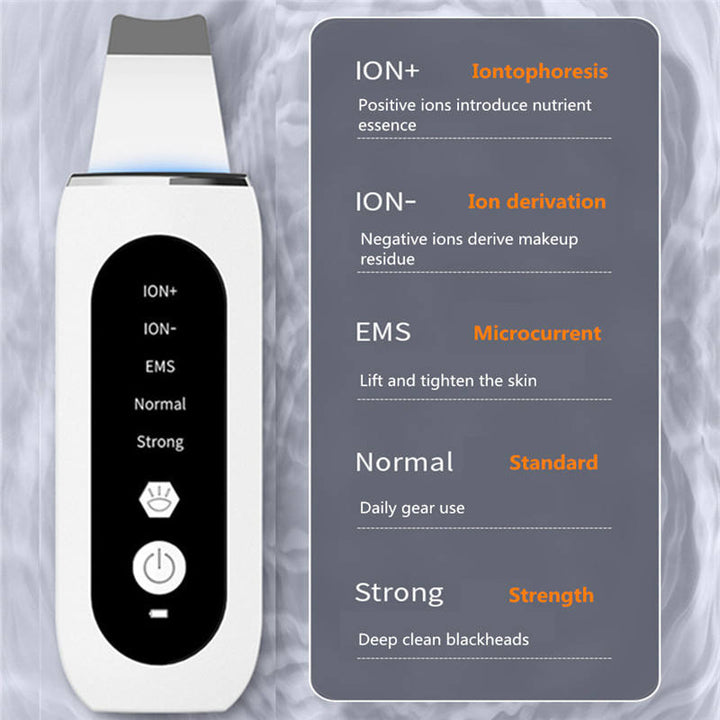
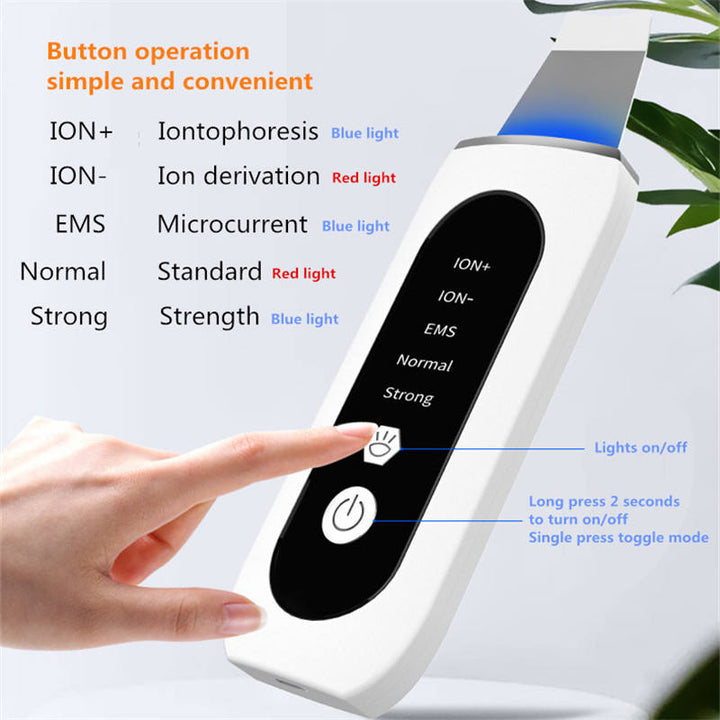
This category includes several formats for different routines. Salicylic acid cream targets the feel and appearance of clogged pores, while azelaic acid cream is intended for blemish-prone skin and a more even-looking complexion. The 7% glycolic acid toner is an exfoliating liquid for texture and brightness; use it according to the product directions rather than combining it immediately with every other active. Acne patches provide spot-focused coverage and can help reduce touching. The LED microcurrent beauty device offers a device-based skincare step, so check its instructions and avoid assuming it replaces treatment. Wart, skin-tag, and pet-skin products are not general acne products and should not be substituted for facial acne care.
What should I look for in acne cream and treatments?
Read the active ingredients, intended use, application instructions, and skin-area guidance before buying. Salicylic acid products may suit shoppers focused on clogged pores, while azelaic acid products may suit those seeking care for blemish-prone skin and uneven tone. Look for a texture you can apply consistently, such as a cream for targeted areas or patches for individual surface spots. If you are comparing the best medicine for pimples or a strong acne medication, remember that nonprescription skincare and prescription products are different categories. Avoid choosing based only on strength claims. Check warnings, discontinue use if irritation develops, and seek professional advice for severe, cystic, scarring, or persistent acne.
How do I use acne care products at home?
Keep your routine simple: cleanse gently, apply one treatment as directed, and use moisturizer and daytime sun protection when appropriate for your routine. Apply patches to clean, dry skin and replace them according to the package directions. For toner or cream, start with the recommended amount and frequency rather than layering multiple exfoliating products at once. Introduce the glycolic acid toner, salicylic acid cream, or azelaic acid cream separately so you can identify what your skin tolerates. Use the LED microcurrent device only as instructed, including any guidance about clean skin, conductive products, or areas to avoid. Home acne care may support consistency, but it cannot guarantee clear skin in three days.
What are common acne care mistakes?
A common mistake is using several active ingredients at once in an attempt to stop pimples coming on the face quickly. Over-exfoliating, scrubbing, picking, or applying products outside their intended area can make skin feel more irritated. Do not use pet skin cream, wart-removal cream, or skin-tag patches as facial acne treatments unless a qualified professional specifically tells you to. Another mistake is expecting one cream to address every concern, from active blemishes to uneven texture. Follow labels, patch-test when appropriate, keep applicators clean, and give a routine time to show whether it suits you. If acne is painful, deep, spreading, or leaving marks, get tailored medical advice instead of escalating products yourself.
Who is this acne care category suited for?
These products suit adults and other shoppers looking for at-home skincare options for occasional surface spots, clogged pores, uneven texture, or an uneven-looking tone. Patches can appeal to anyone wanting discreet spot coverage, while creams and toner suit shoppers comfortable adding a targeted step to a routine. A beauty device may suit someone who prefers tool-based skincare and is willing to follow detailed instructions. This category is not a substitute for diagnosis or prescription acne medication for adults. People with sensitive skin, allergies, pregnancy-related questions, severe or cystic acne, infection concerns, or a history of scarring should consult a healthcare professional before selecting active treatments. Always check each product's age, area, and safety directions.
Frequently asked questions
How do I clear up acne fast?
There is no reliable at-home way to guarantee clear skin immediately, and claims about curing acne naturally in three days should be treated cautiously. A simple routine using products suited to your concern, avoiding picking, and following directions consistently may help support clearer-looking skin over time. For sudden, painful, widespread, or recurring acne, consult a healthcare professional.
What are the 5 main causes of acne?
Common contributing factors include excess oil, buildup of dead skin cells, blocked pores, changes in hormone activity, and inflammation. Individual triggers vary, and skincare products, friction, stress, and genetics may also influence breakouts. A healthcare professional can help assess persistent or severe acne.
What is stage 4 acne?
Stage 4 is not a single universal classification used for every acne assessment. Some systems use stages or grades to describe increasing severity, but the meaning depends on the source and whether it refers to comedones, inflammatory lesions, cysts, or scarring. If you see deep, painful, extensive, or scarring breakouts, seek professional evaluation rather than relying on a category label.
What is the best acne care?
The best acne care depends on the type and severity of your breakouts, your skin's sensitivity, and how consistently you can follow the routine. Patches, salicylic acid cream, azelaic acid cream, and glycolic acid toner serve different purposes and should not automatically be layered together. Persistent, painful, or severe acne may require professional advice and possibly prescription treatment.
What are 10 foods to avoid for acne?
There is no universal list of ten foods that everyone with acne must avoid. Some people notice personal associations with certain foods, but restrictive diets can be unnecessary and may not address the main cause of breakouts. Keep a balanced diet, note patterns without assuming causation, and ask a qualified professional about persistent acne or diet concerns.
What is the #1 acne treatment?
There is no single best treatment for every person or every type of acne. The appropriate option depends on whether the concern is clogged pores, surface blemishes, inflammation, scarring, or another skin condition. Start with product directions and a consistent routine, and seek medical guidance for cystic, painful, widespread, or stubborn acne.