Hydration3236 items



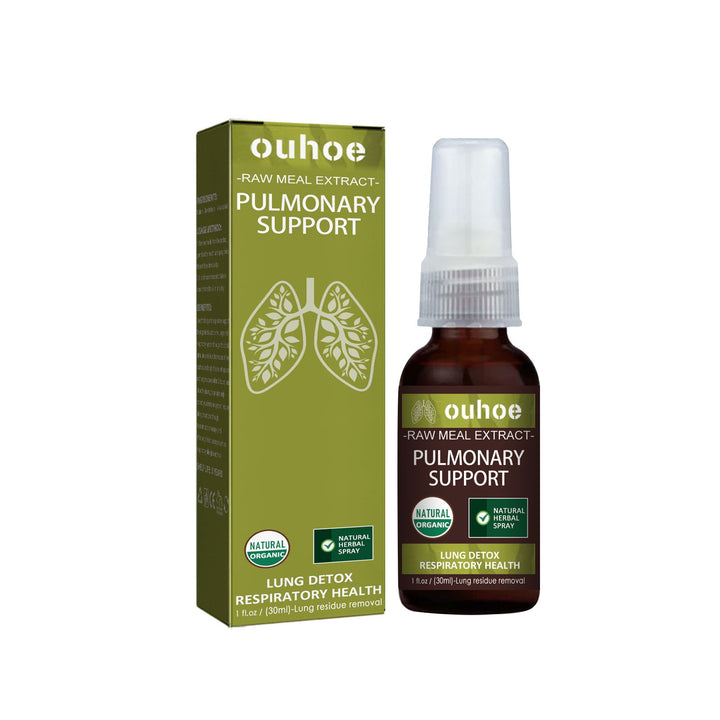

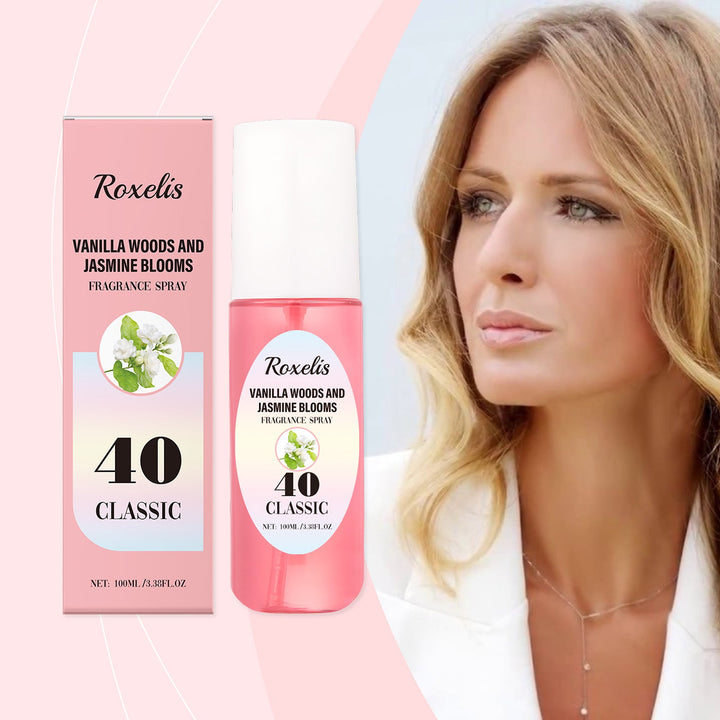
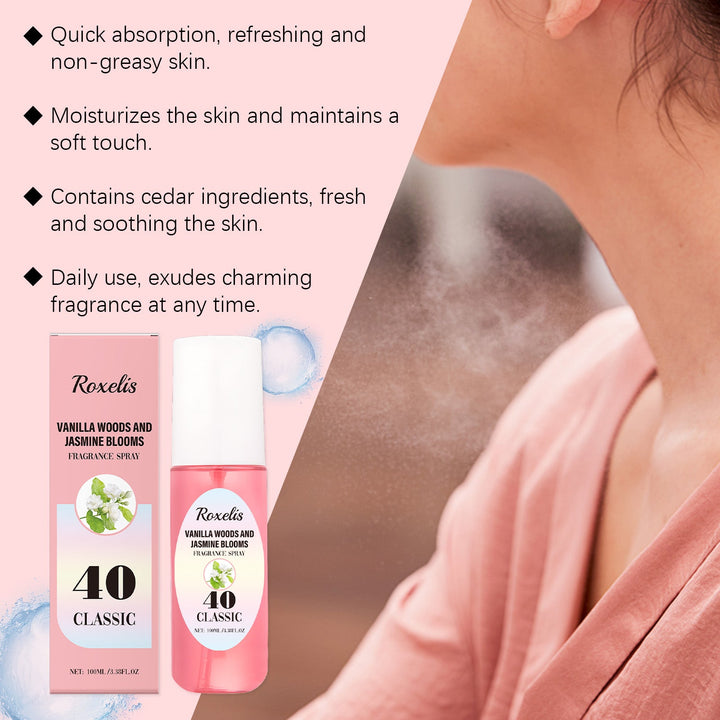

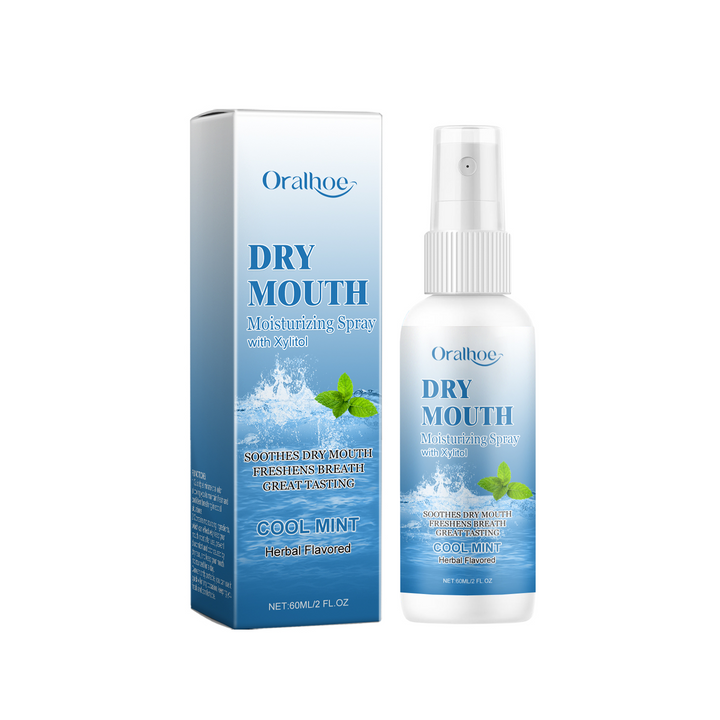










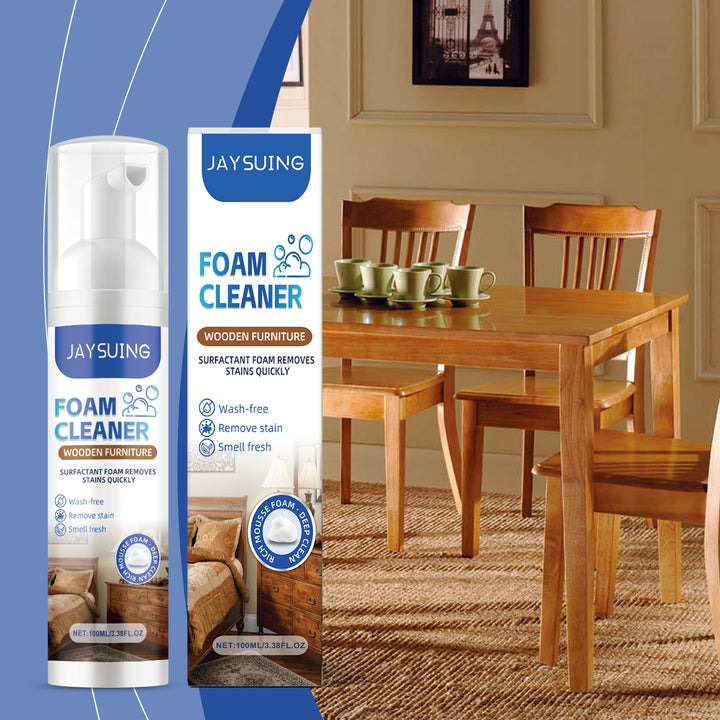

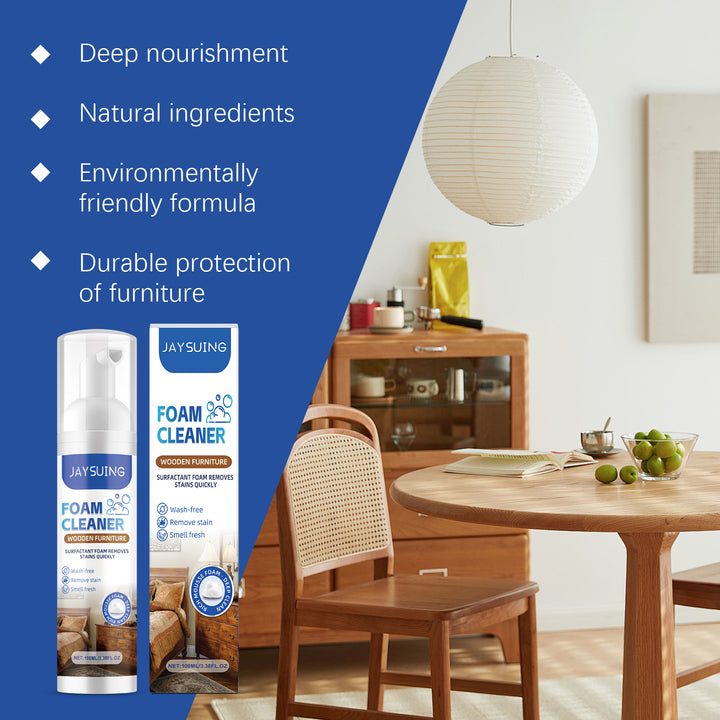


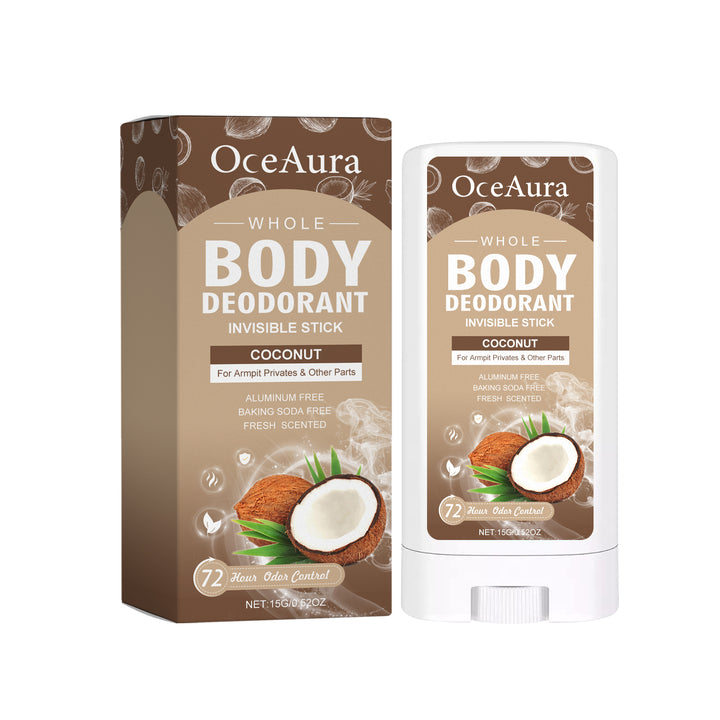
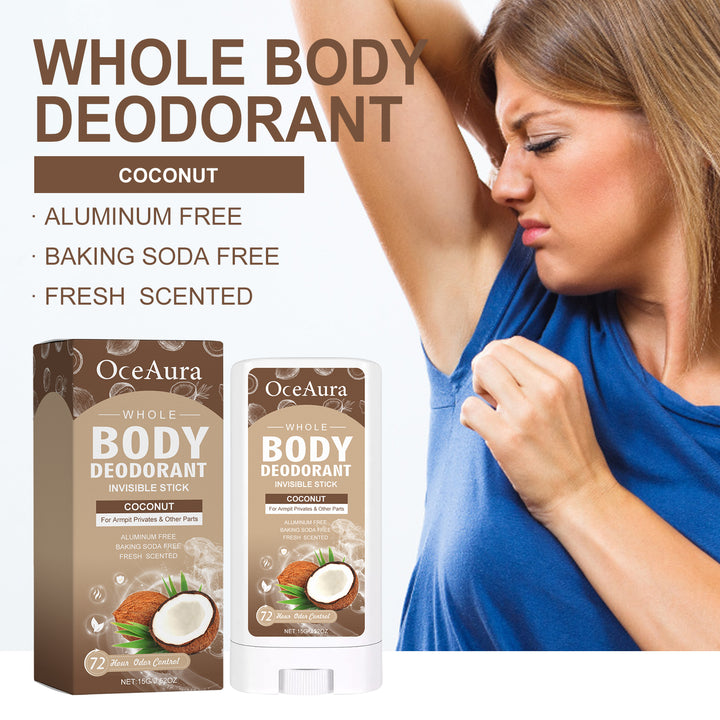
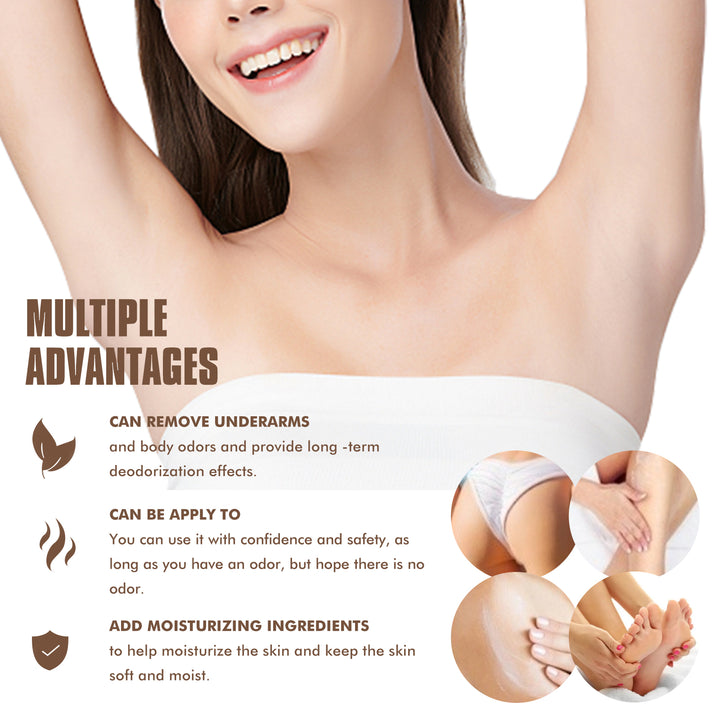


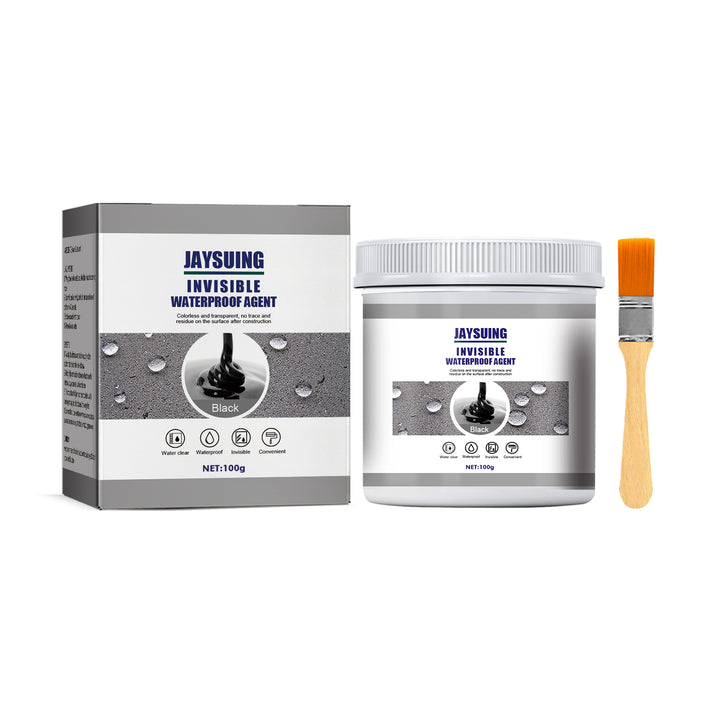
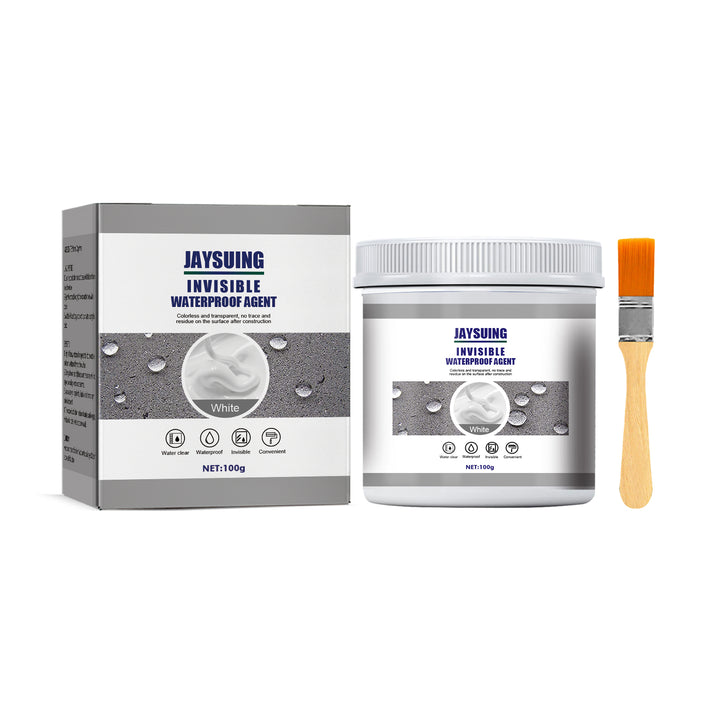
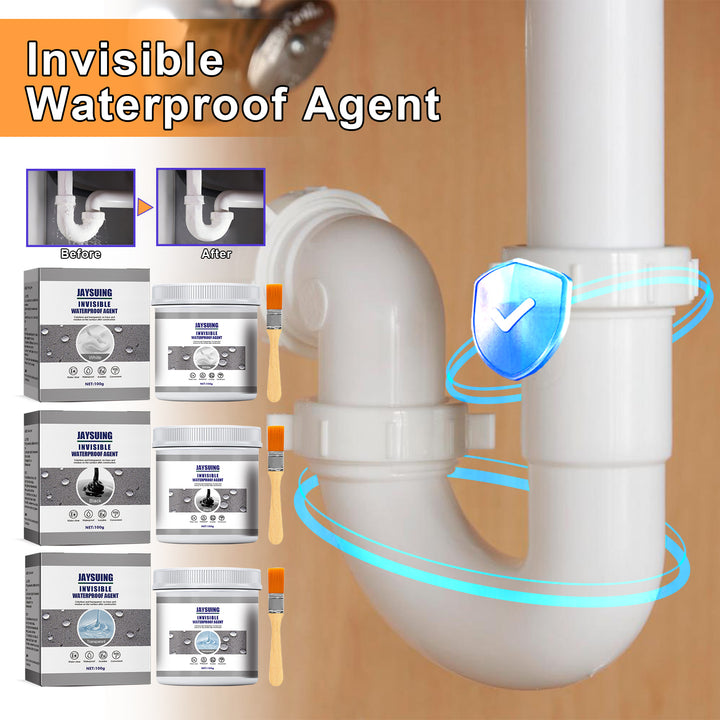









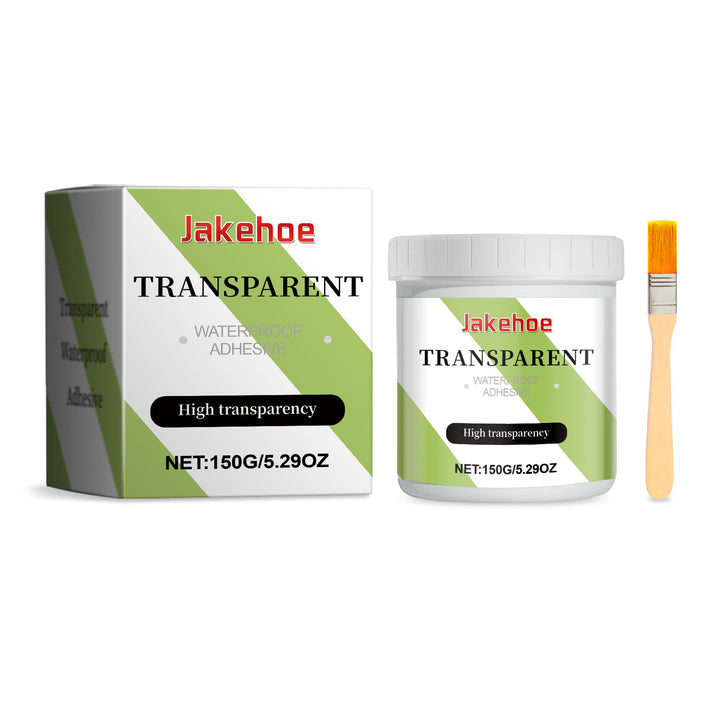

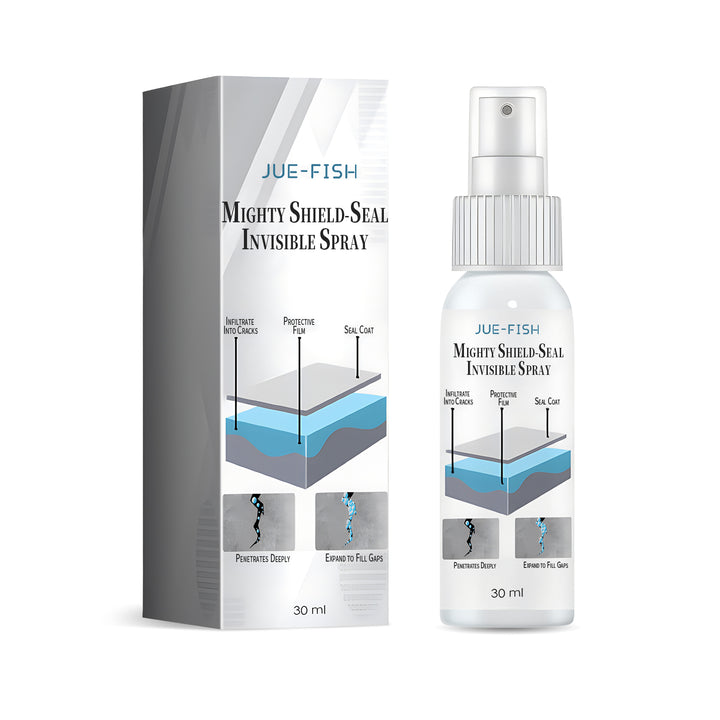
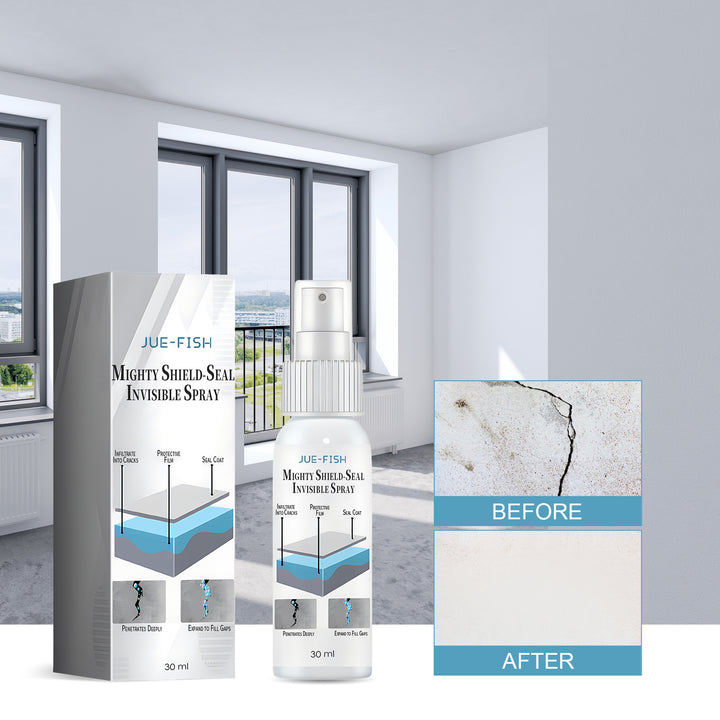

Hydration can mean supporting moisture on the skin, eyes, lips, hair, and other areas of the body. This category focuses on topical care and preservative-free eye drops rather than hydration drinks, so choose a product according to the area you want to care for and the type of dryness or comfort you are seeking.
How do I choose a hydration product?
Start with the area that needs moisture or comfort. For facial or neck skin, compare the Neck Firming Cream and Face Firming Cream for temporary tightening care. For very dry-looking heels, an Herbal Anti-Fungal Foot Spray is designed for foot care, while Cold-Pressed Castor Oil can be used for hair, lashes, and skin according to the product directions. For eye dryness, choose Lubricant Eye Drops that are preservative-free. A Tongue Repair Spray, private antibacterial cream, or nail care pen serves a specific area and should not be treated as a general moisturiser. Check the label for intended use, directions, and any warnings before buying.
What types of hydration products are available?
The products here fall into several practical types. Creams are suited to targeted facial and neck skin care, including temporary firming or smoothing routines. Oils provide a richer-feeling option for hair, lashes, and selected skin areas. Eye drops are made for applying moisture directly to the eyes, while a tongue spray is intended for the tongue rather than drinking water or replacing oral care. Foot spray and nail care products target feet and nails, and private antibacterial cream is intended for external use in its specified area. These are different from a hydration drink or hydration of water, so select by body area and purpose rather than by the word hydration alone.
What should I look for in hydration skin care?
Look for a clearly stated use, application area, texture, and routine that fits your needs. If you dislike heavy products, a cream or spray may feel more convenient than oil; if you prefer a richer application for dry-feeling skin or hair, castor oil may be more suitable. For the eye area, check that the drops are labelled for eyes and preservative-free if that is your preference. Avoid using foot, nail, tongue, or private-area products on the face unless the label specifically allows it. Review the ingredient list for known sensitivities, and patch-test new topical products on a small area when appropriate.
How do I use hydration products correctly?
Apply each product only to the clean, dry area named on its packaging. Use creams sparingly on the face or neck and follow the stated frequency; keep them away from the eyes unless specifically intended for that area. Apply castor oil carefully to hair, lashes, or skin without letting it enter the eyes. Use lubricant eye drops as directed, avoiding contact between the bottle tip and your eye or skin. Sprays and pens should be used only on the tongue, feet, or nails as labelled. Wash your hands before and after use, close containers securely, and stop using a product if irritation occurs.
What hydration mistakes should I avoid?
Do not assume every product called moisturising is suitable for every body area. Applying private antibacterial cream, foot spray, nail treatment, or tongue spray to facial skin can be inappropriate unless the directions permit it. Avoid putting castor oil or skin creams into the eyes, and do not share eye drops or applicators. Drinking a large amount of water at once is not a substitute for a steady routine, and these topical products do not replace fluids. Avoid layering several new products at the same time if you want to identify what suits your skin. Read storage instructions and check the product condition before use.
Who are these hydration products for?
This range suits shoppers building targeted moisture and comfort routines for skin, eyes, hair, lashes, feet, nails, the tongue, or specific external areas. It may be useful if you want a facial firming cream, a richer oil, preservative-free lubricant eye drops, or a compact treatment pen or spray. It is not a range of hydration drinks, electrolyte formulas, or products for hydration in the body. People with persistent discomfort, worsening irritation, eye symptoms, or concerns about a medical condition should seek advice from a qualified healthcare professional. Always follow the label, especially for sensitive areas and products intended for external use.
Frequently asked questions
What's the best way to hydrate your body?
For everyday hydration in the body, drink fluids regularly and include water-rich foods as part of a balanced routine. The products on this page support topical moisture or eye comfort and do not replace drinking fluids. If you have particular fluid needs, ask a qualified healthcare professional for personalised guidance.
What are the 5 warning signs of dehydration?
Common signs people associate with dehydration include thirst, a dry mouth, darker urine, urinating less often, and tiredness or dizziness. These signs can have other causes, and this list is not a diagnosis. Seek prompt medical advice if symptoms are severe, sudden, persistent, or accompanied by confusion or inability to keep fluids down.
What hydrates quicker than water?
Water is a straightforward choice for many everyday hydration needs. Drinks containing electrolytes or carbohydrates may be useful in some situations, but the best option depends on activity, heat, illness, diet, and individual health needs. The creams, oils, sprays, and eye drops in this category are not substitutes for a hydration drink.
What do you mean by hydration?
Hydration generally means supplying or maintaining moisture. In everyday health discussions, it usually refers to taking in fluids; in skin care, hydration refers to helping the surface feel more comfortable and less dry. On this page, the focus is mainly topical skin, hair, eye, foot, nail, tongue, and external-area care.
Does drinking a lot of water at once hydrate you?
Drinking a large amount at once is not generally the most comfortable or practical way to maintain hydration. Spreading fluids through the day may be easier for many people, while individual needs vary with conditions and activity. Do not force excessive fluids; ask a healthcare professional if you have a condition that affects fluid intake.
What is the #1 most hydrating drink?
There is no single drink that is best for everyone in every situation. Water is a simple everyday option, while other drinks may suit particular circumstances depending on ingredients and personal needs. Products in this category are topical care items or eye drops, not drinks for hydration in the body.